
Constructing Worlds: Inside Sadaharu Yagi’s Sonic Architecture
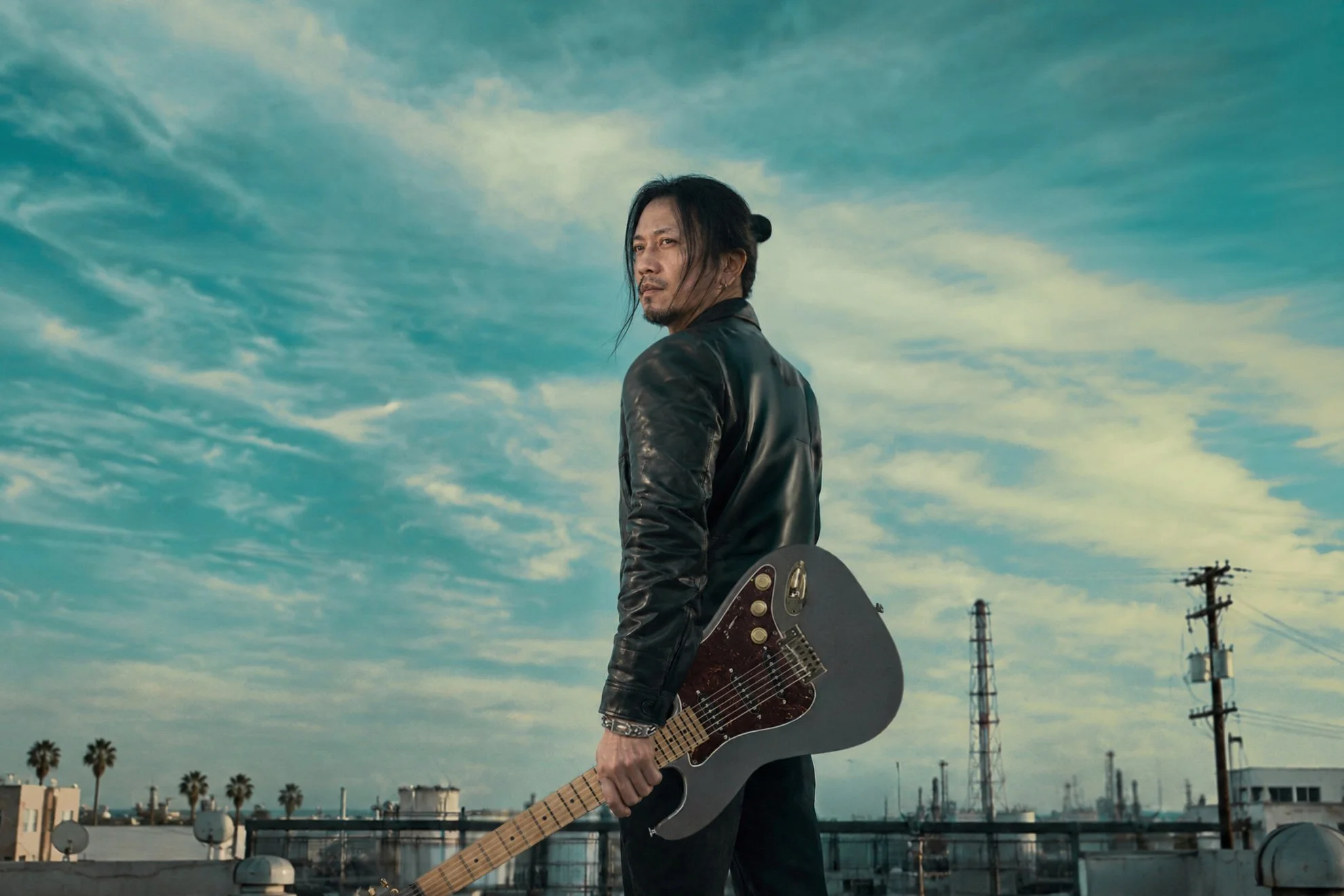
Sadaharu Yagi seems to approach the recording studio as an almost sacred, magical space, where arrangement, texture, spatial depth, recording technique, and the atmosphere of the place itself can reshape a musical idea. In his hands, each project gradually becomes a carefully constructed world, with every sonic decision contributing to the final piece.
Having worked with artists ranging from Draco Rosa to Shania Twain, Yagi moves naturally between avant-pop, art rock, post-punk, and electronic music without relying on rigid structures or familiar production formulas.
Melodic ideas drawn from Japanese scales emerge naturally within his broader analog and electronic vocabulary, while tactile performance, vintage tonal character, and the physical presence of recorded sound remain central to his approach.
His recording career has earned him one Grammy Award and two Latin Grammy Awards. These achievements reflect years of technical experience and a clear artistic vision.
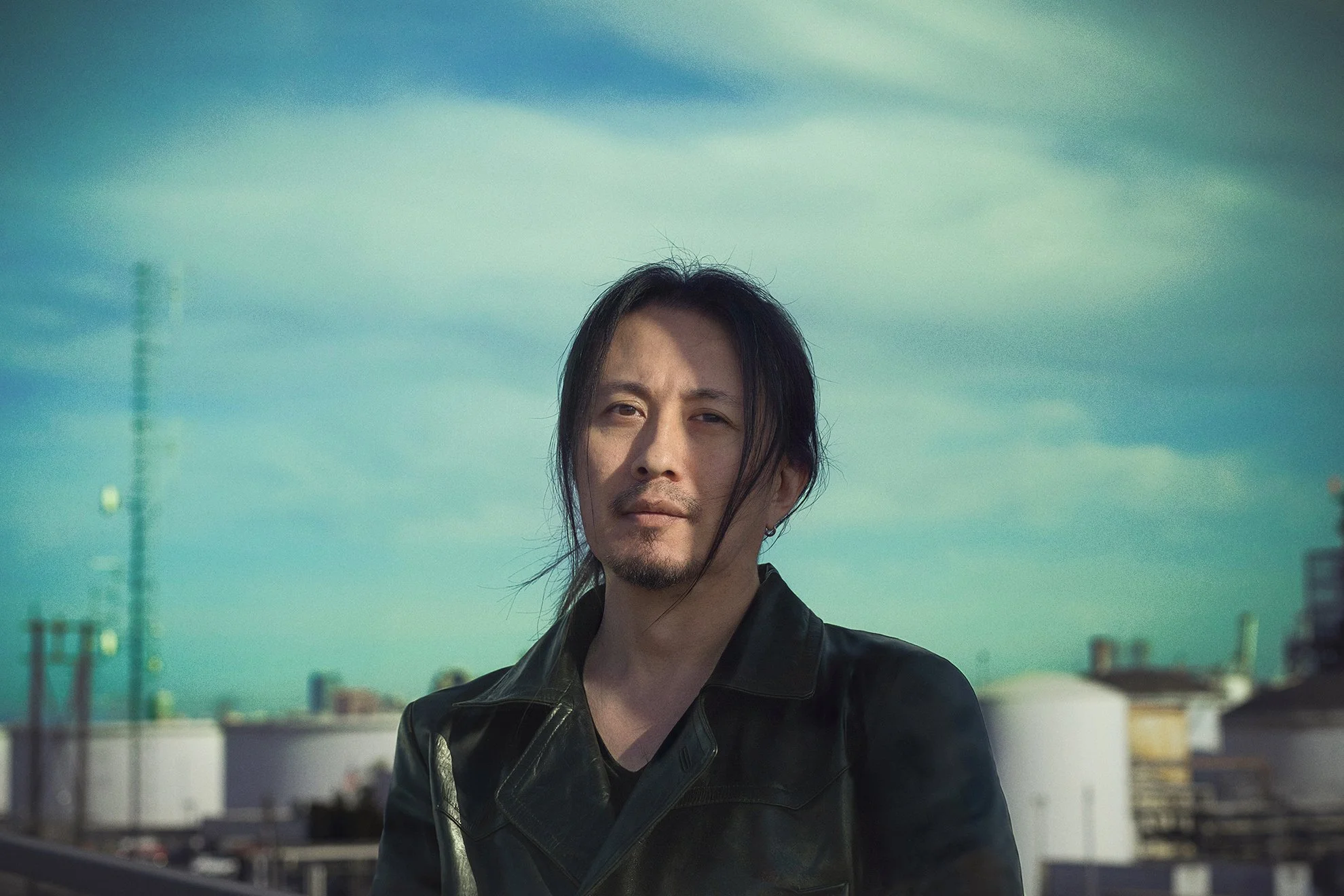
Pieces such as Ashes of Gold and Twist of Fate offer two points of entry into Yagi’s broader artistic practice, reflecting his interest in building atmosphere, tension, and movement. Inspired by a mid-20th-century incident involving the burning of a historic temple in Kyoto, the first song examines how an obsession with beauty can gradually become destructive, combining electronic, minimalist, and progressive elements with post-punk touches to trace that transformation. Meanwhile, Twist of Fate moves from a spacious opening into a heavier sonic landscape, suggesting how small turns of fate can determine what survives and what is lost.
The Road Back Home is another standout, with subtle psychedelic elements emerging through shamisen and folk-rooted textures. For Yagi, returning home becomes an almost primordial urge rather than an expression of simple nostalgia or longing. Finally, Computer Generation examines a generation surrounded by constant digital connection yet no closer to happiness, its rhythmic language blending post-punk with Afrobeat. Through this combination of traditional elements, studio technique, and conceptual focus, Yagi builds an artistic identity that extends well beyond fixed genre boundaries.
Sadaharu Yagi’s work reflects his belief that a record becomes a constructed world when the surrounding conditions take an active role in the composition. By treating space, texture, and recording technique as musical materials, he creates distinct sonic environments that extend beyond traditional genre conventions. His artistic identity grows from that process, shaped by a continuous curiosity about sound rather than a fixed production formula.
Get to know more about Sadaharu Yagi on Instagram.