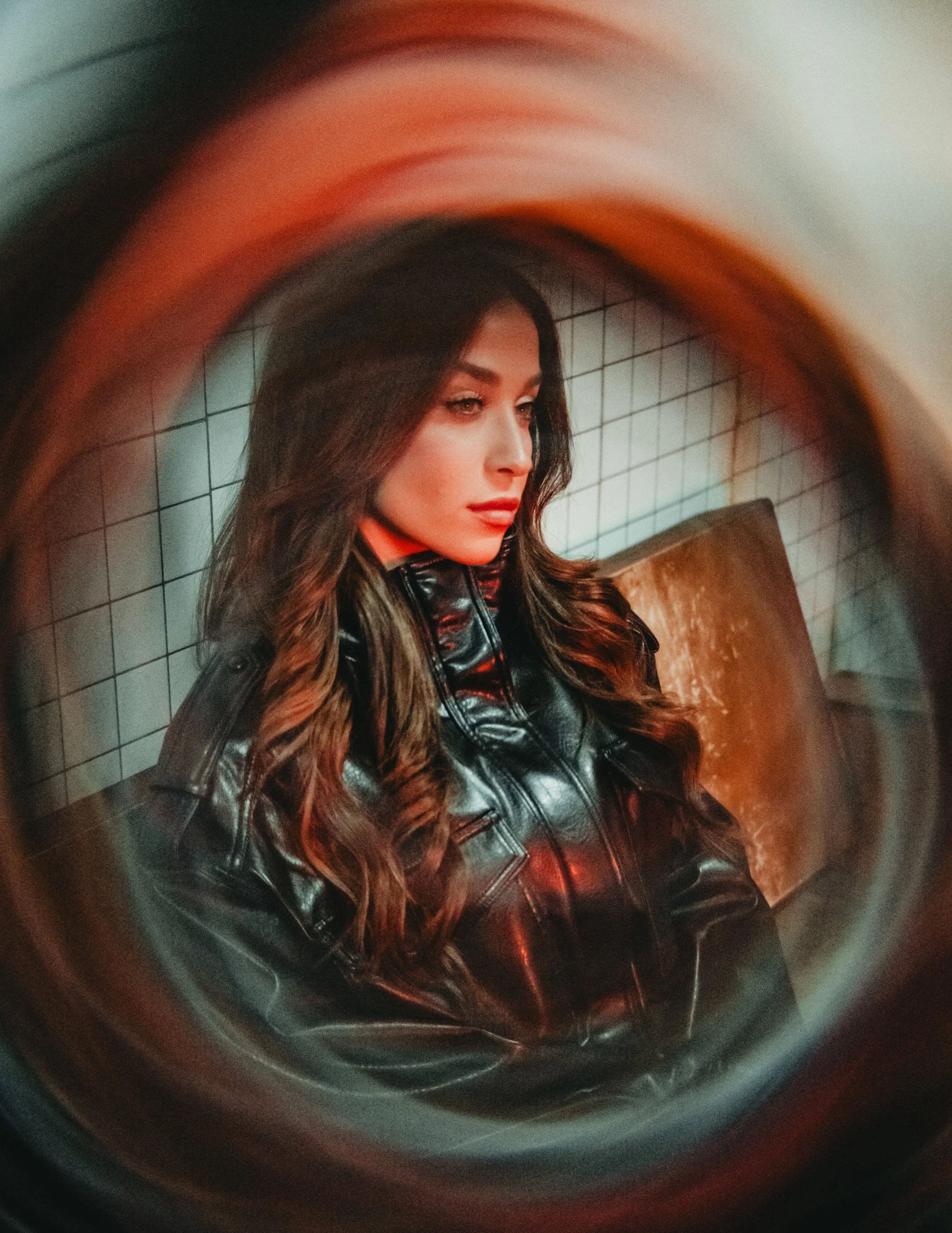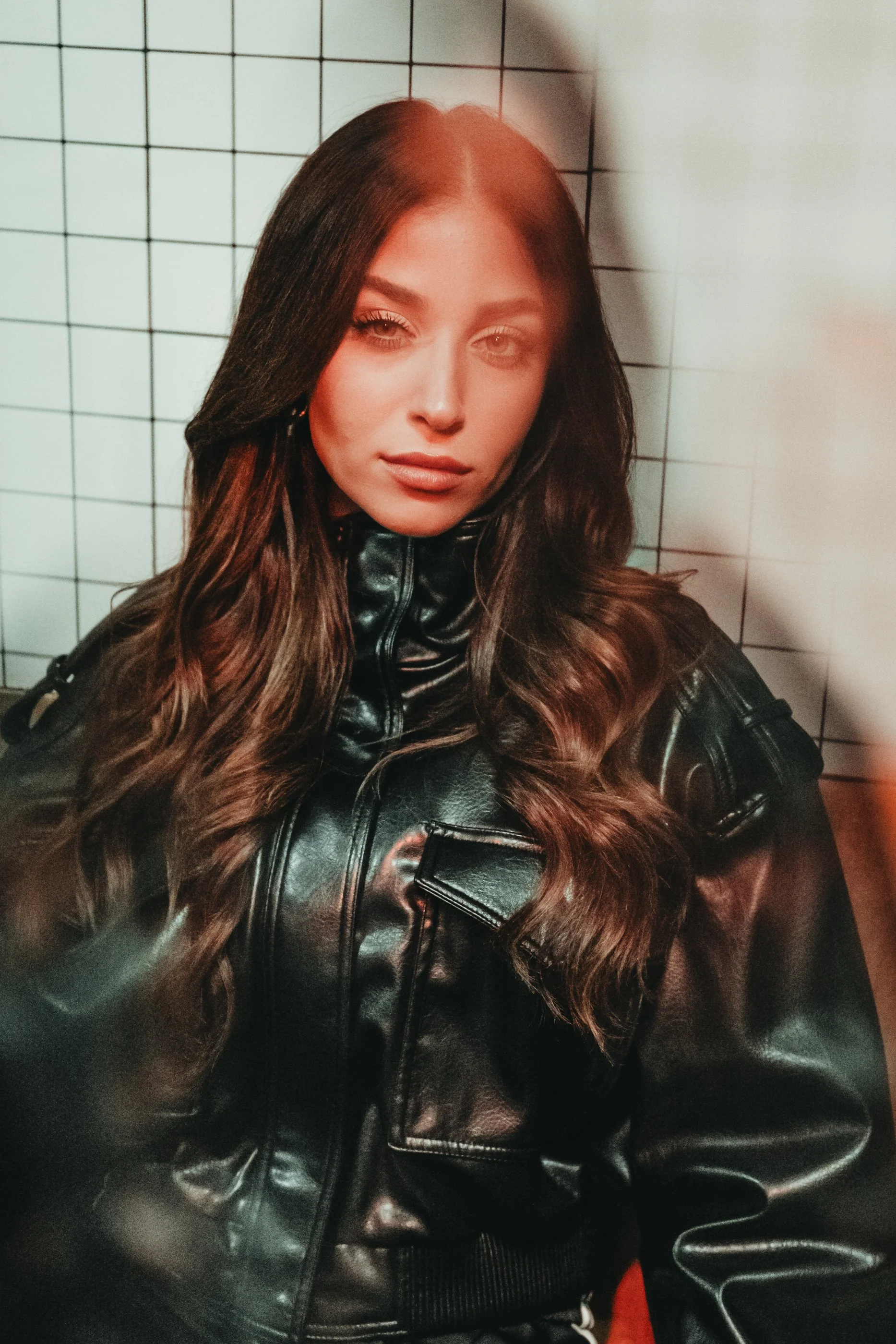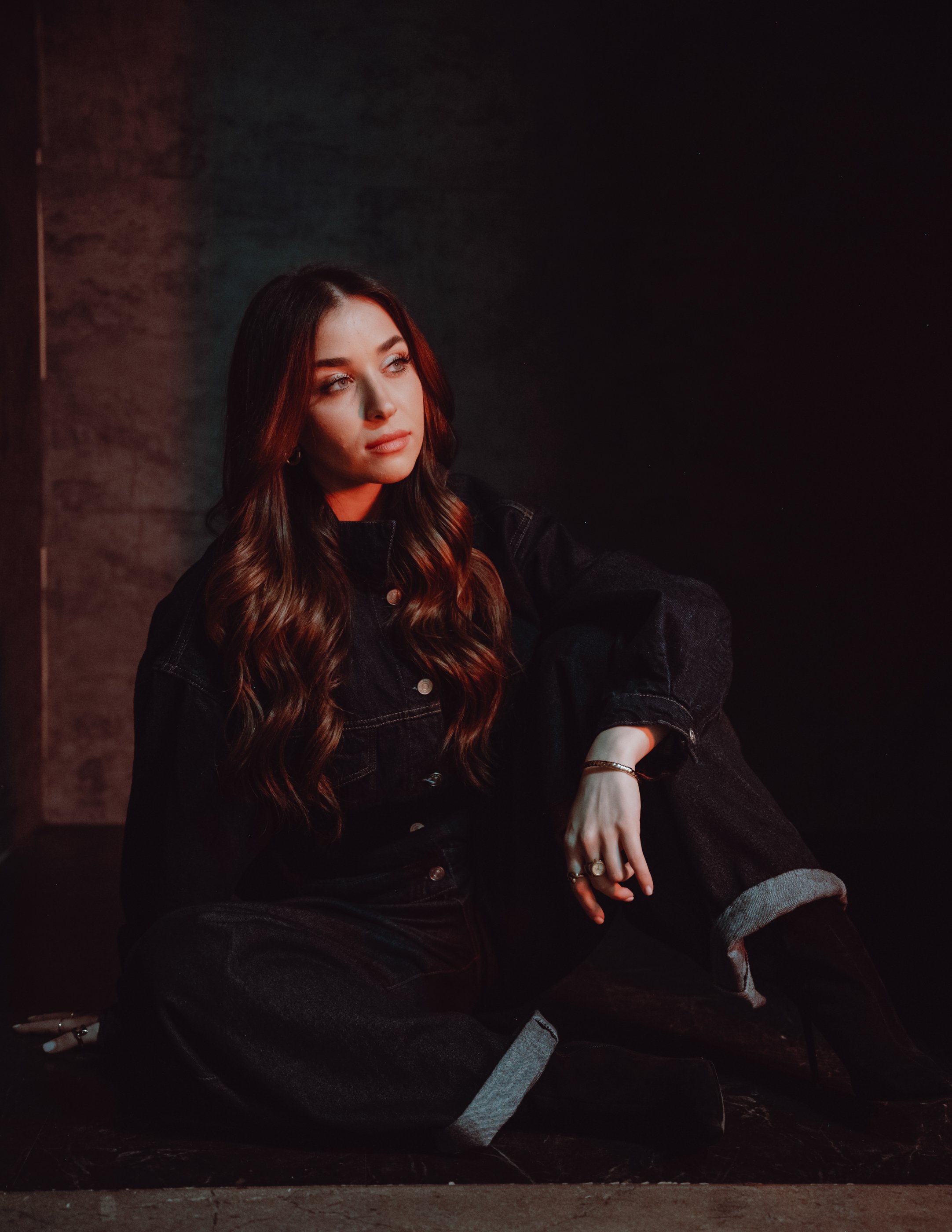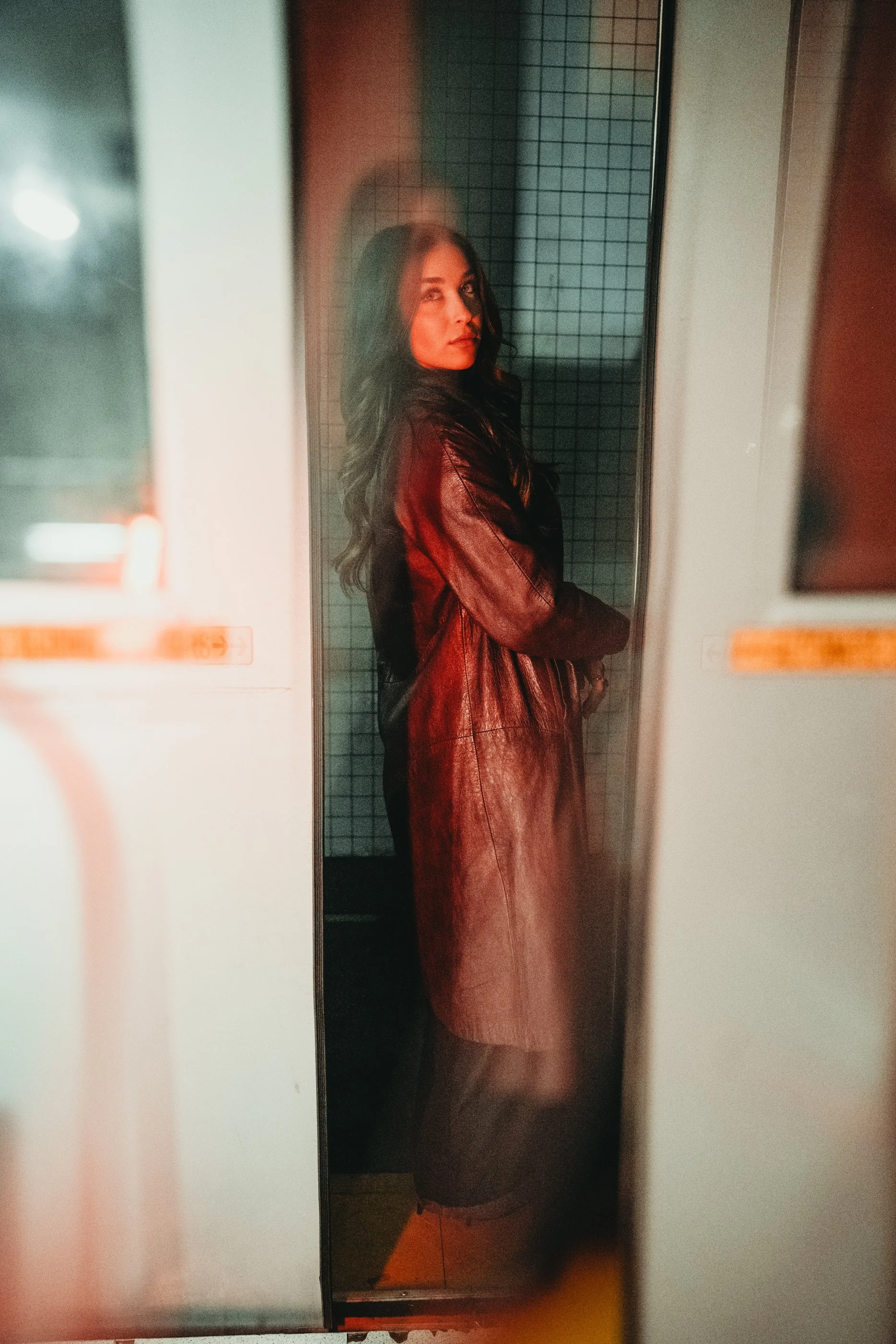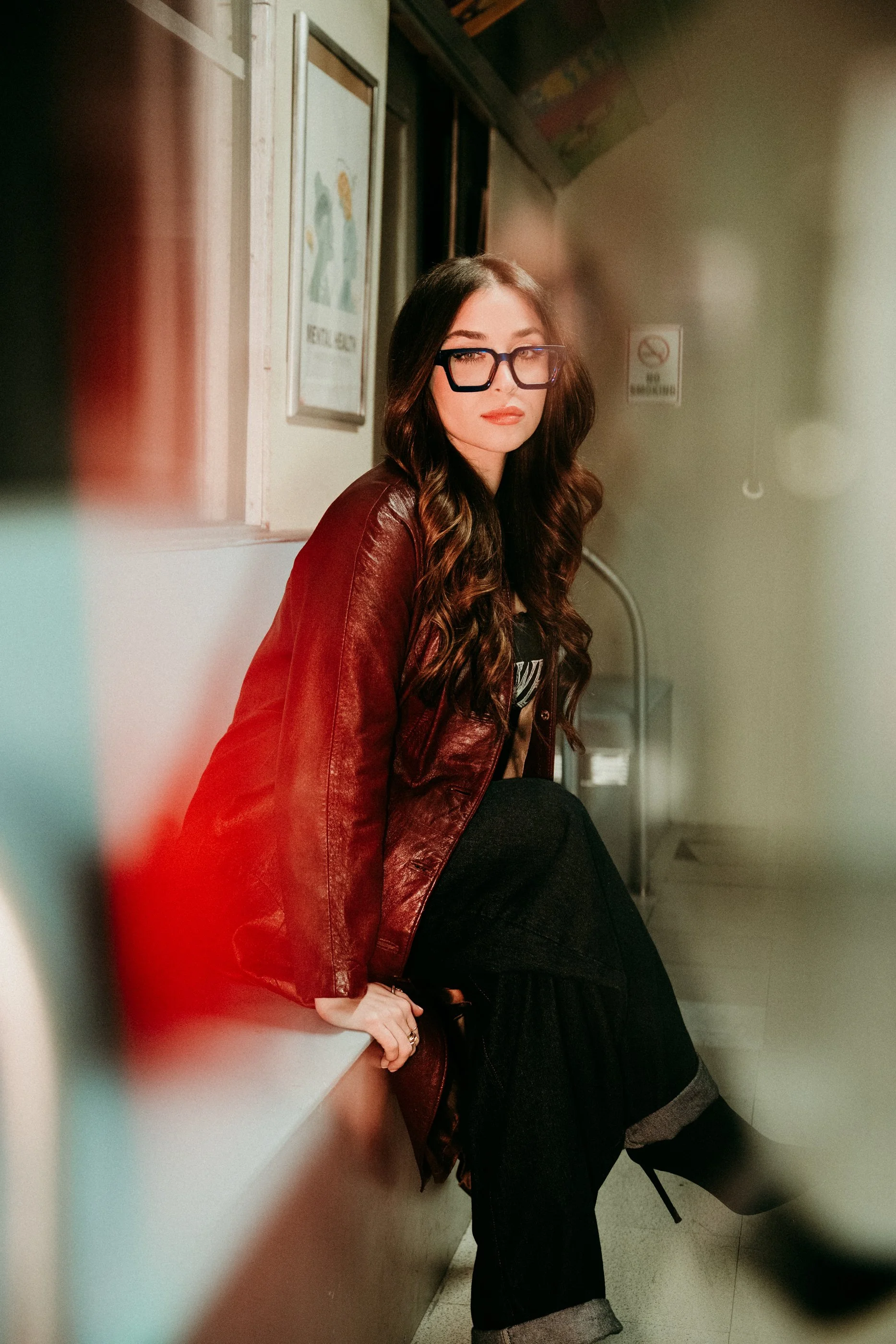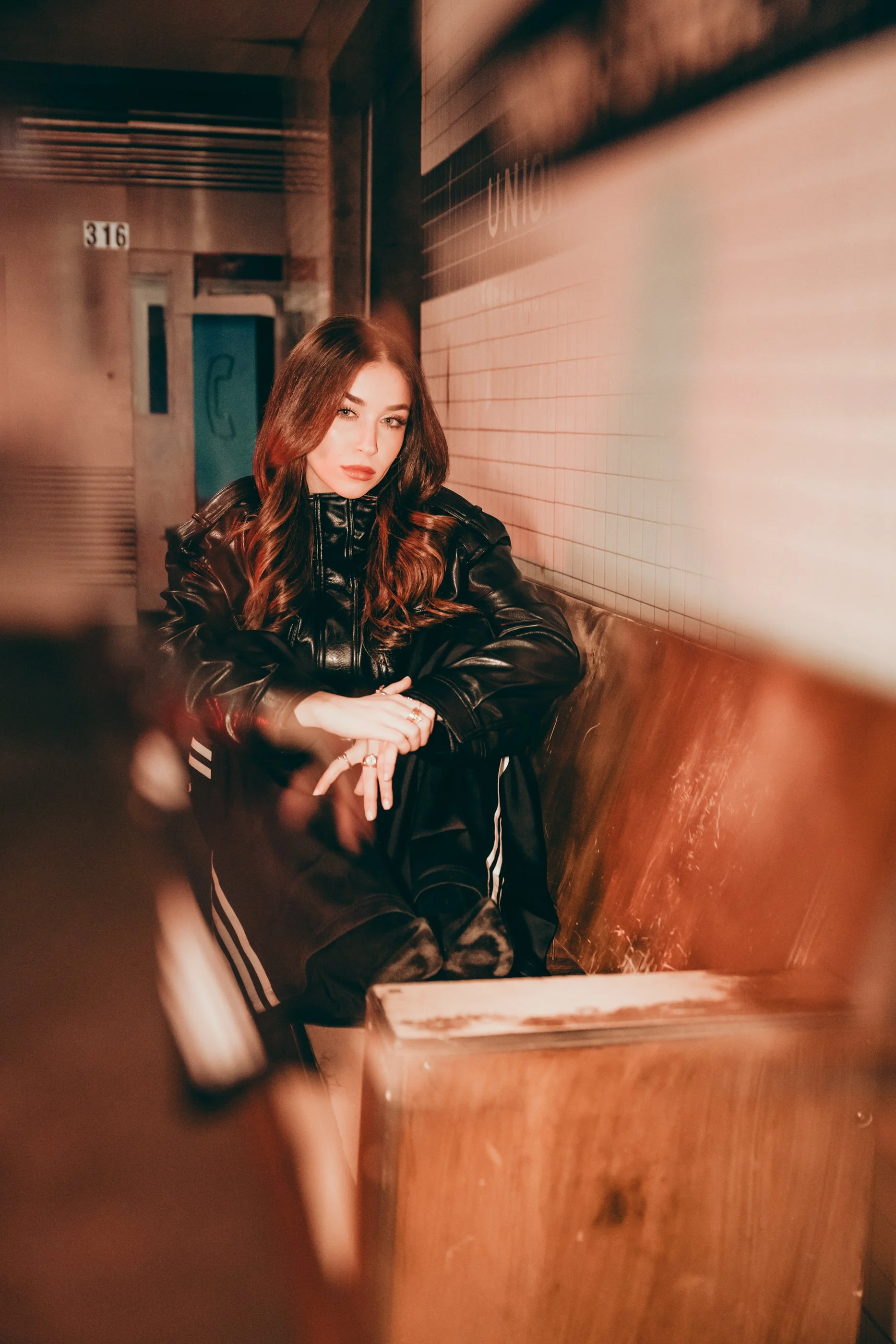
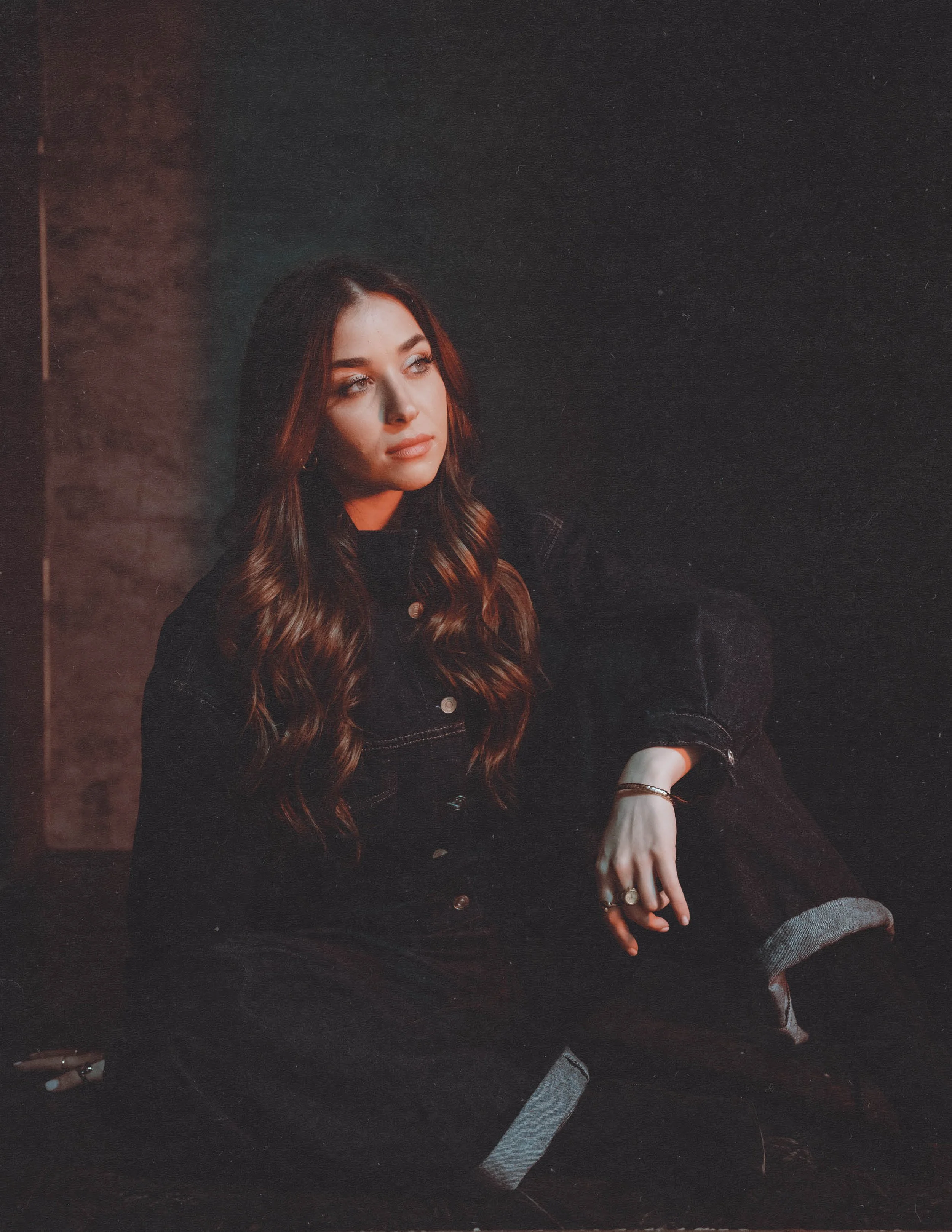
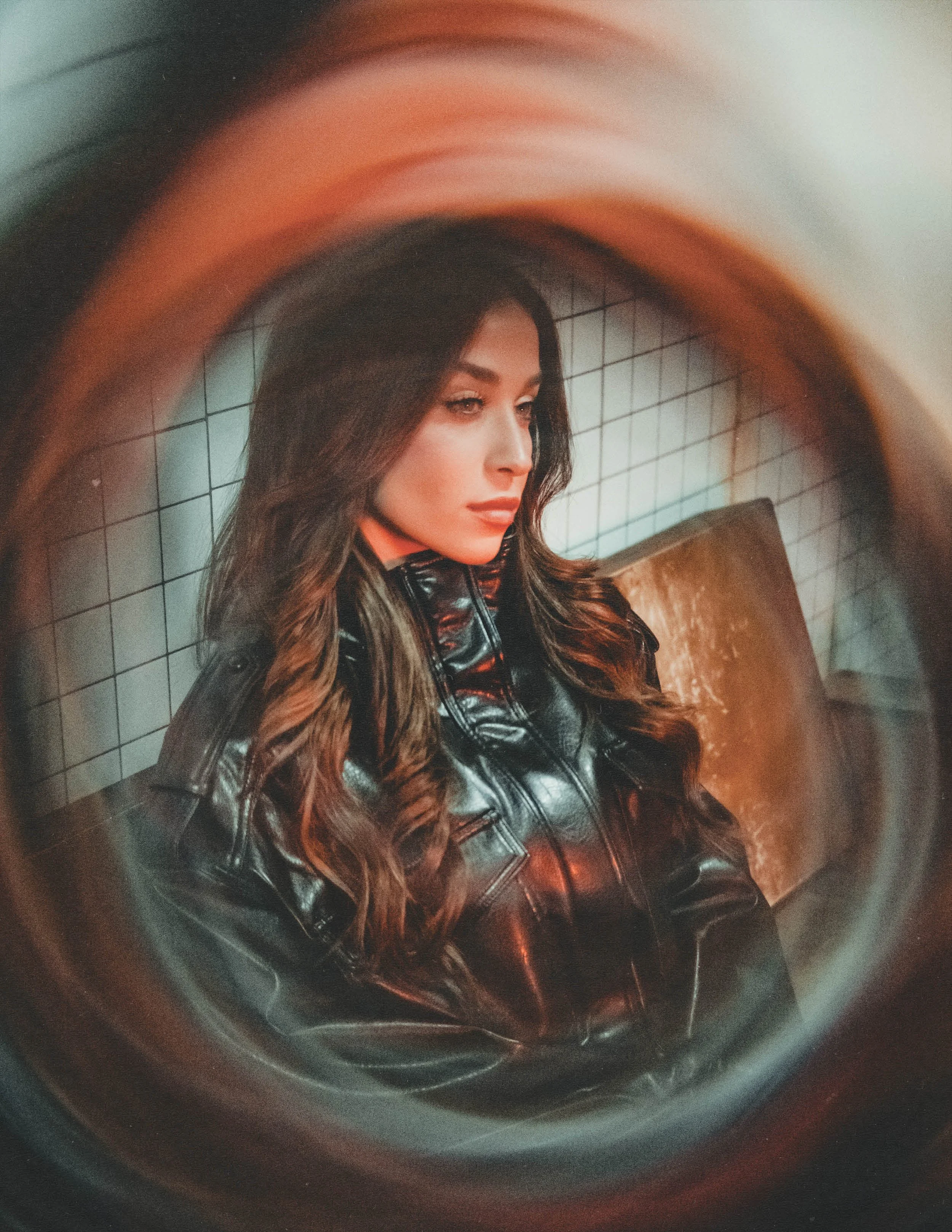
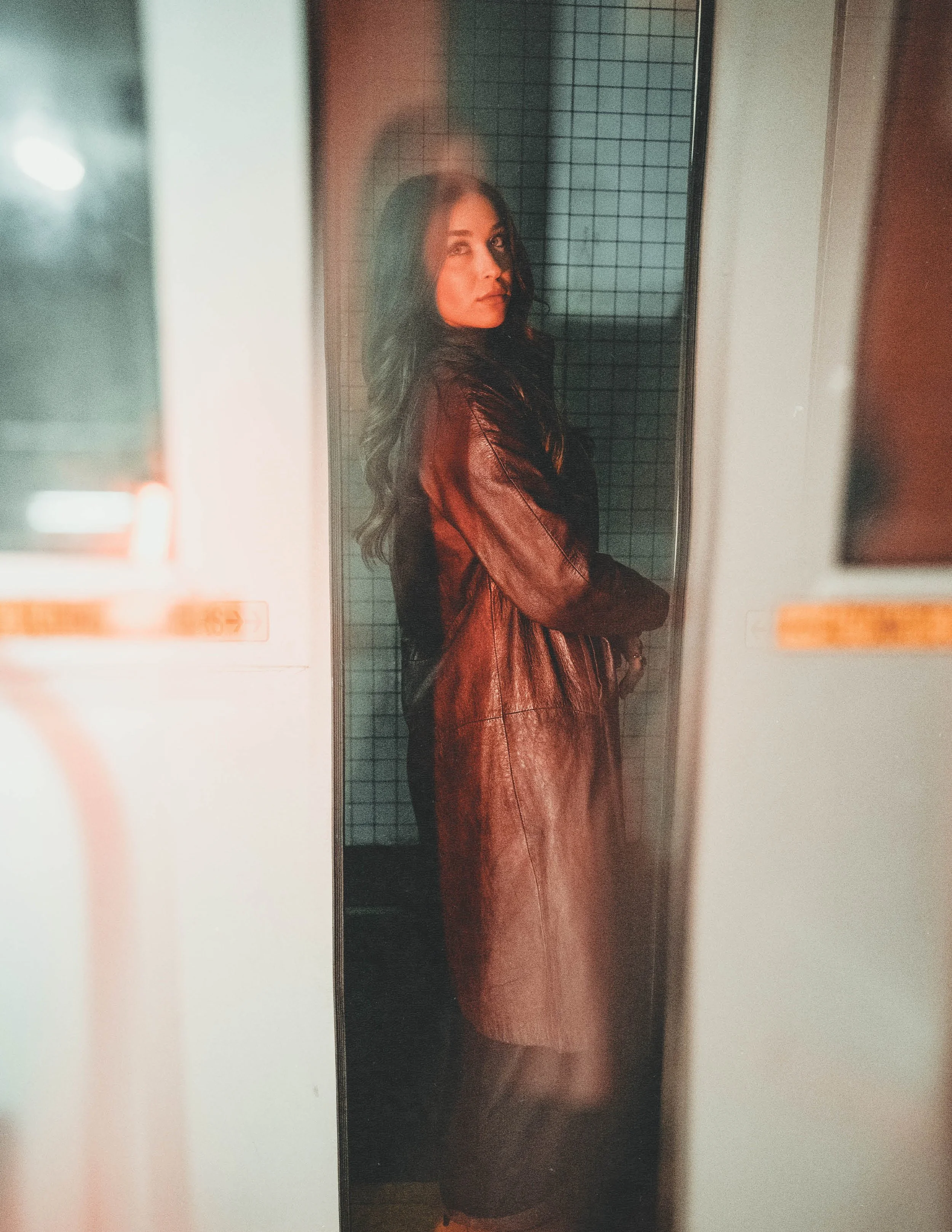
Some artists introduce a new era by changing their sound. Rachel Grae introduces hers by finally trusting her own. As she steps into this next chapter with her sophomore album Turned Into Me, that trust becomes the defining force behind the record. The music does not arrive as a dramatic reinvention, but as the work of an artist who has grown into herself over time and is finally comfortable standing there. Rather than treating the album as a collection of individual moments, Rachel approached Turned Into Me as a reflection of how her perspective has shifted. The songs trace a clear line between who she once was and who she is now, shaped by relationships, self-confidence, body image, friendships, and family—not as chapters that needed to be rewritten, but as experiences she now understands differently. “This album is really about older me versus younger me,” Rachel explains. “It shows how I viewsituations now compared to before, including relationships, confidence, or friendships.”
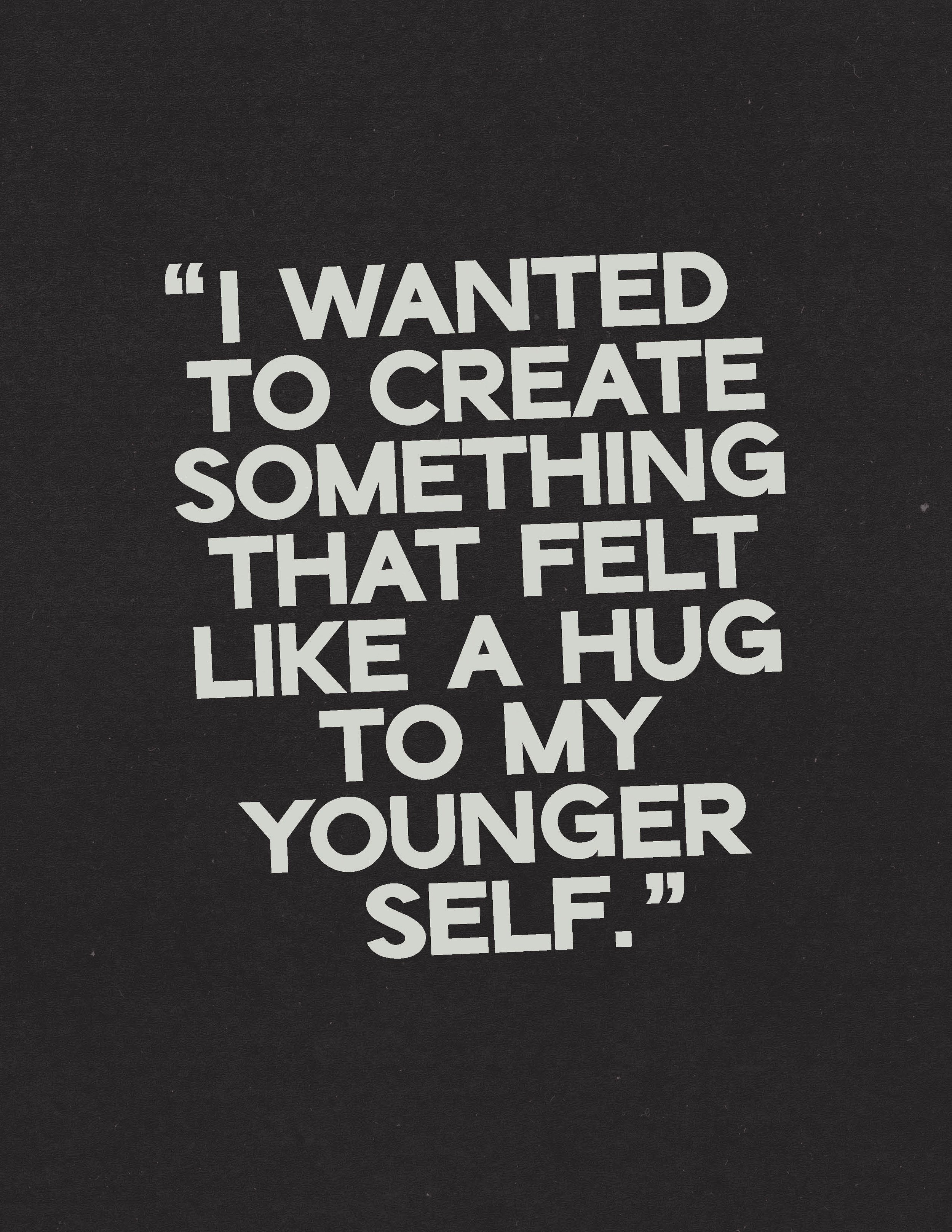
Before arriving at this point, Rachel spent years searching for validation in the wrong places andliving in a space of uncertainty. Turned Into Me marks the moment she stopped writing frominside that struggle and began writing about it.“I was finally out of that phase of not knowing my self-worth,” she says. “I wanted to createsomething that felt like a hug to my younger self. I was finally able to reflect on that version of me instead of constantly being her.” With that clarity, her approach to writing changed. Rachel entered studio sessions knowing whatshe wanted to confront, even if she did not yet know how each song would sound. Theprocess required reopening old wounds and revisiting past experiences to give language to feelings she had never fully allowed herself to sit with.
“There were times when I was writing, and tears were shed,” Rachel admits. “It felt like unpacking things I didn’t want to face, while also celebrating my wins.” As her music reached broader audiences, that honesty began to resonate in unexpected ways. What started as isolated songwriting gradually turned into something shared, shaped bylisteners who found parts of themselves reflected in her lyrics. “When I first started writing songs, I felt very alone,” she recalls. “Now, music feels like a universal language.” That shift changed how Rachel sees her role as an artist. She no longer views her work as a one-way release, but as part of an ongoing exchange with a community she calls her “friendbase.” “I call my fan base my friend base because it truly feels like that,” she says. “It’s like a growing big family.”
That mindset carries into the way she approaches live performance. As the rooms grow larger, Rachel does not alter who she is on stage based on venue size, choosing instead to let each show unfold naturally. “I just try to go in with the mindset of giving the best show possible,” she explains. “I want to beauthentic both on and off stage, regardless of the room’s size.” Closing out 2025 with a run of shows across the UK and Europe gave her a clearer understanding of how that philosophy translates in real time. Faces she had only known through screens were suddenly in front of her, sharing stories and finally meeting the person whose voice had already become part of their everyday lives. “Meeting people and finally being able to hug everybody was my favorite part,” she says. “There were faces I’d seen onlinefor years, and I finally got to actually talk to them.”That openness also shapes how she builds each set. She listens closely to her audience, adjusts in real time, and keeps each show feeling alive.“People ask where certain songs are, and I’ll include them in the next show,” she notes. “So no two sets are the same.”As Rachel prepares to share Turned Into Me with the world, she finds herself reflecting on thedistance between the person who first wrote these songs and the artist releasing them now. That gap no longer feels like something to close, but something she carries with confidence.“It’s surreal,” she says. “I’ve changed so much since I wrote these songs, and I’m excited for everyone to experience this body of work.”That forward motion defines this chapter. Rachel Grae is not closing one era and openinganother. She is moving ahead with clarity and trusting that the music will reach the people who need it most