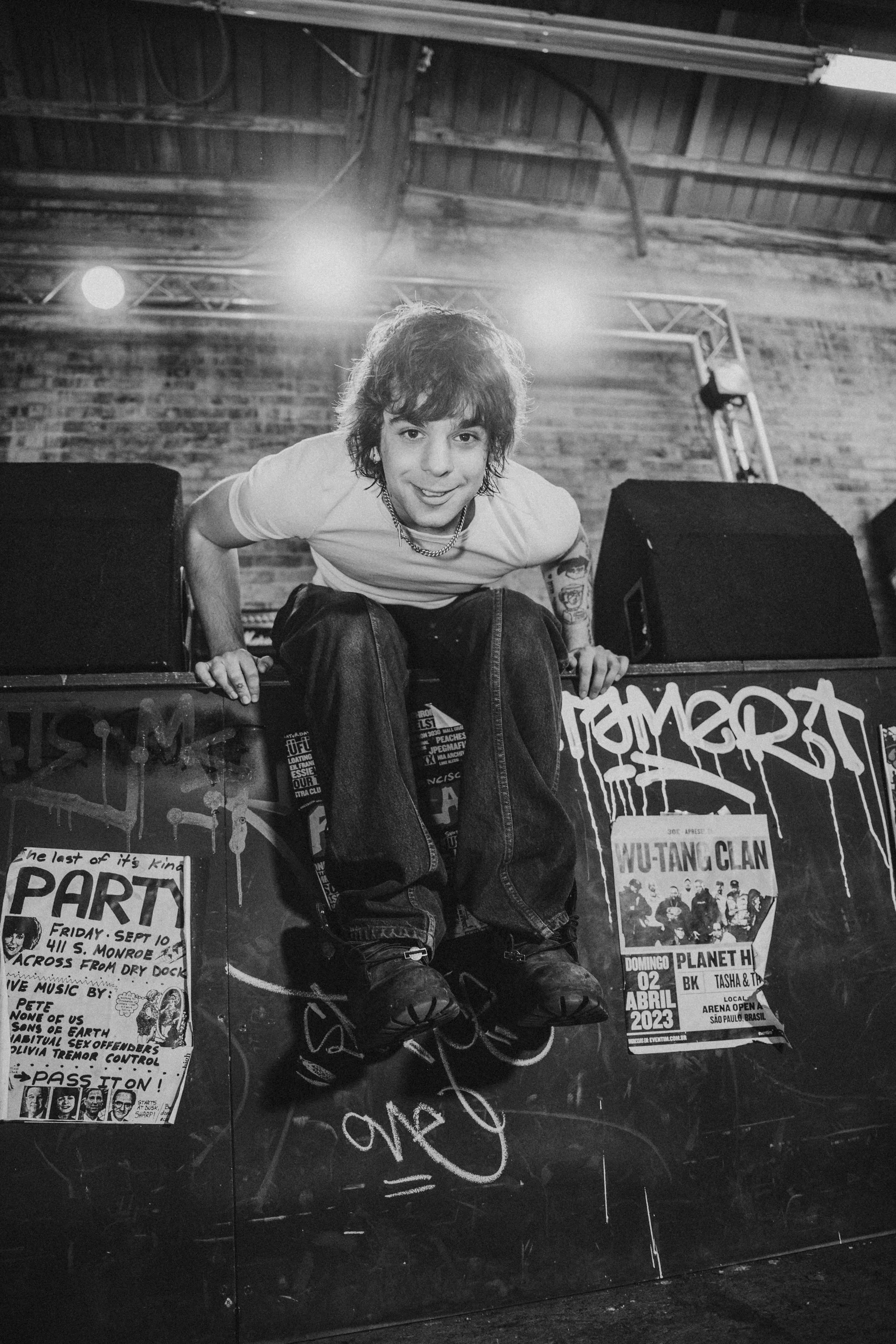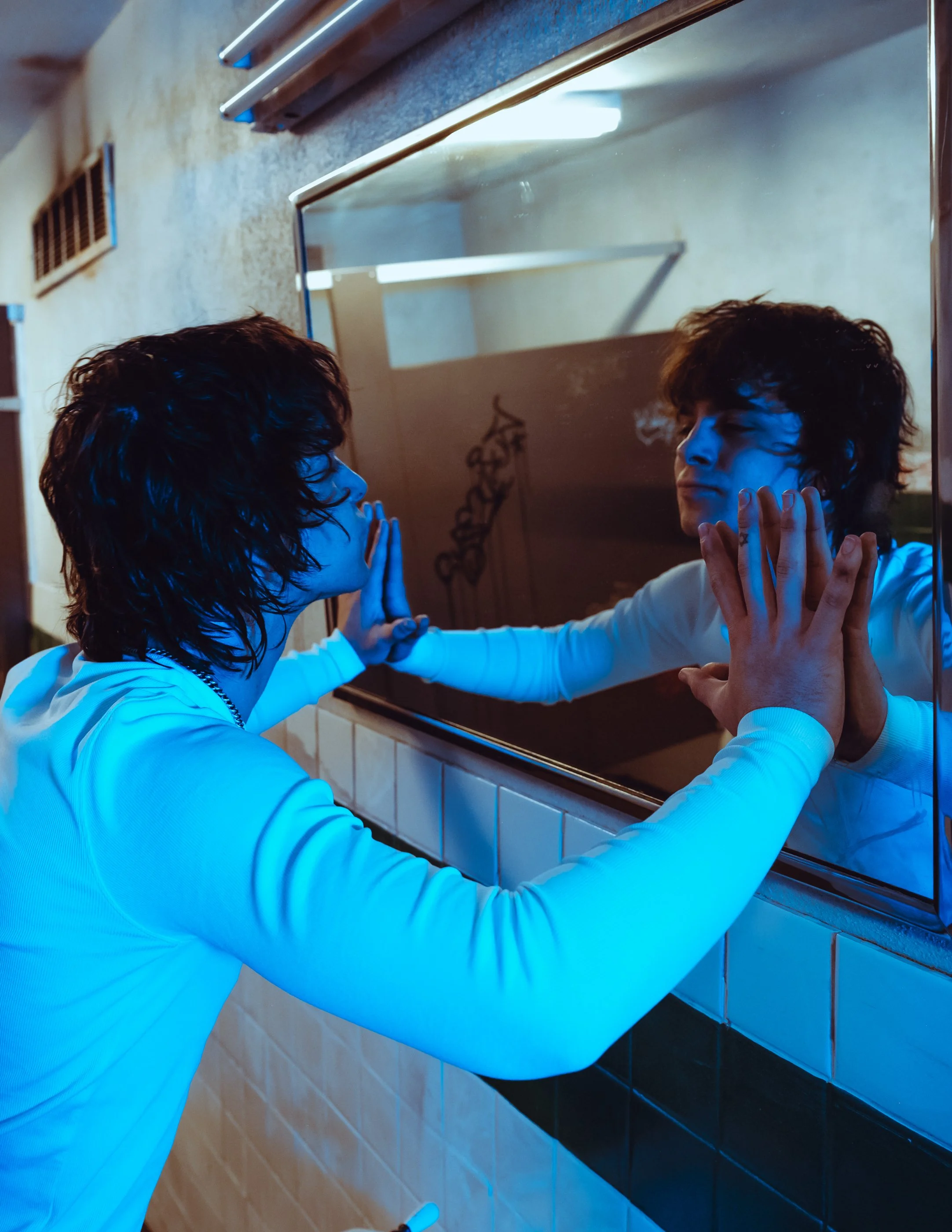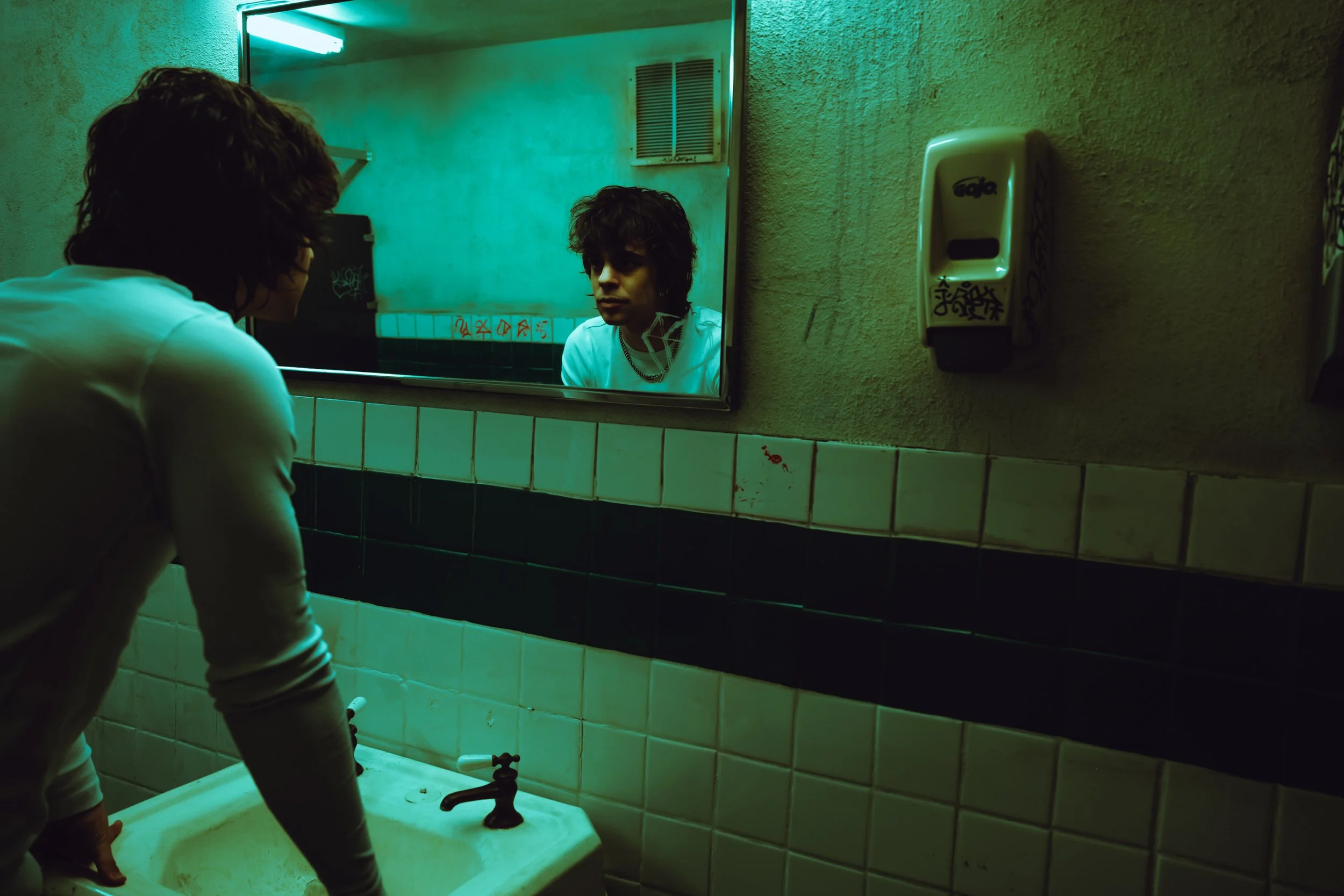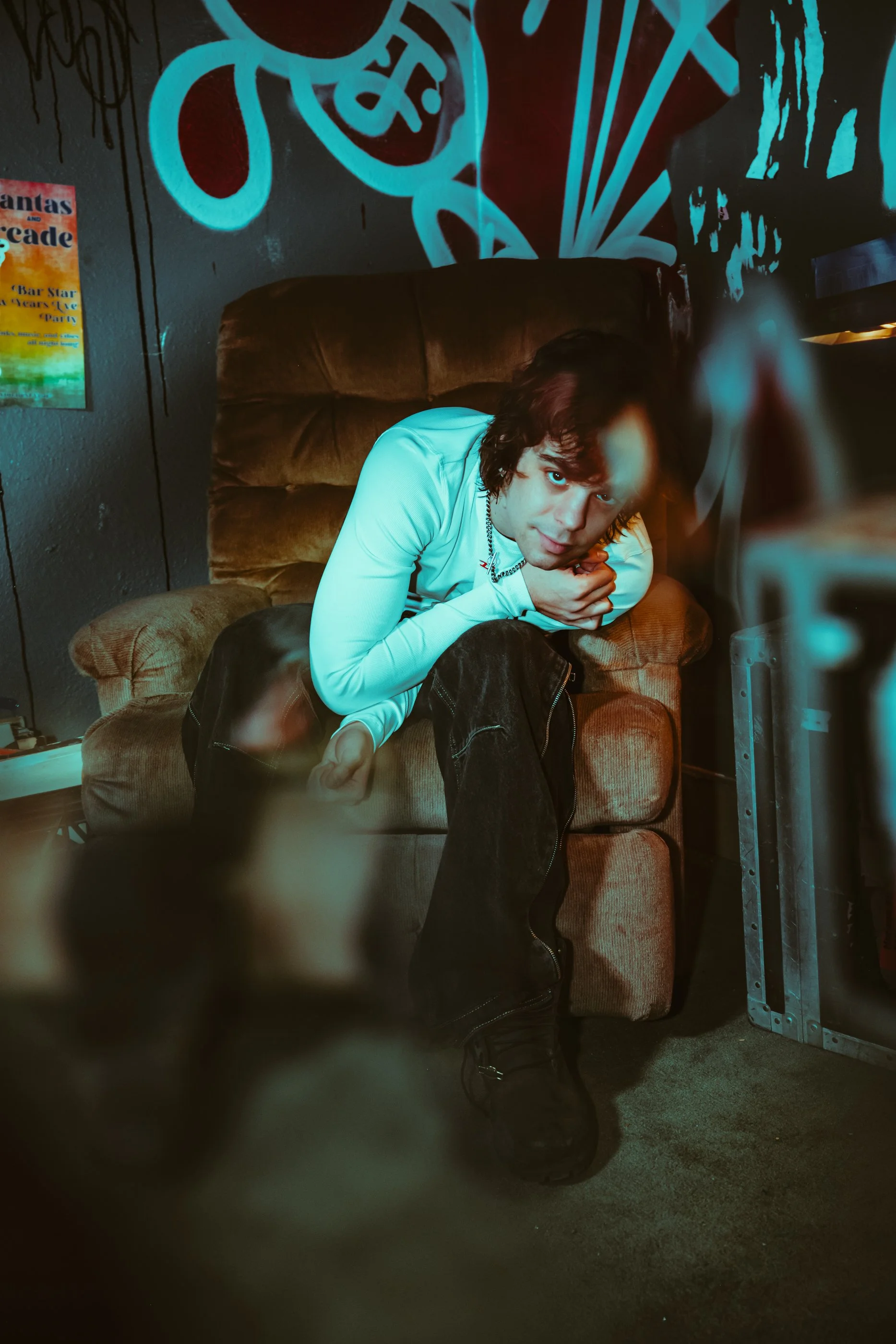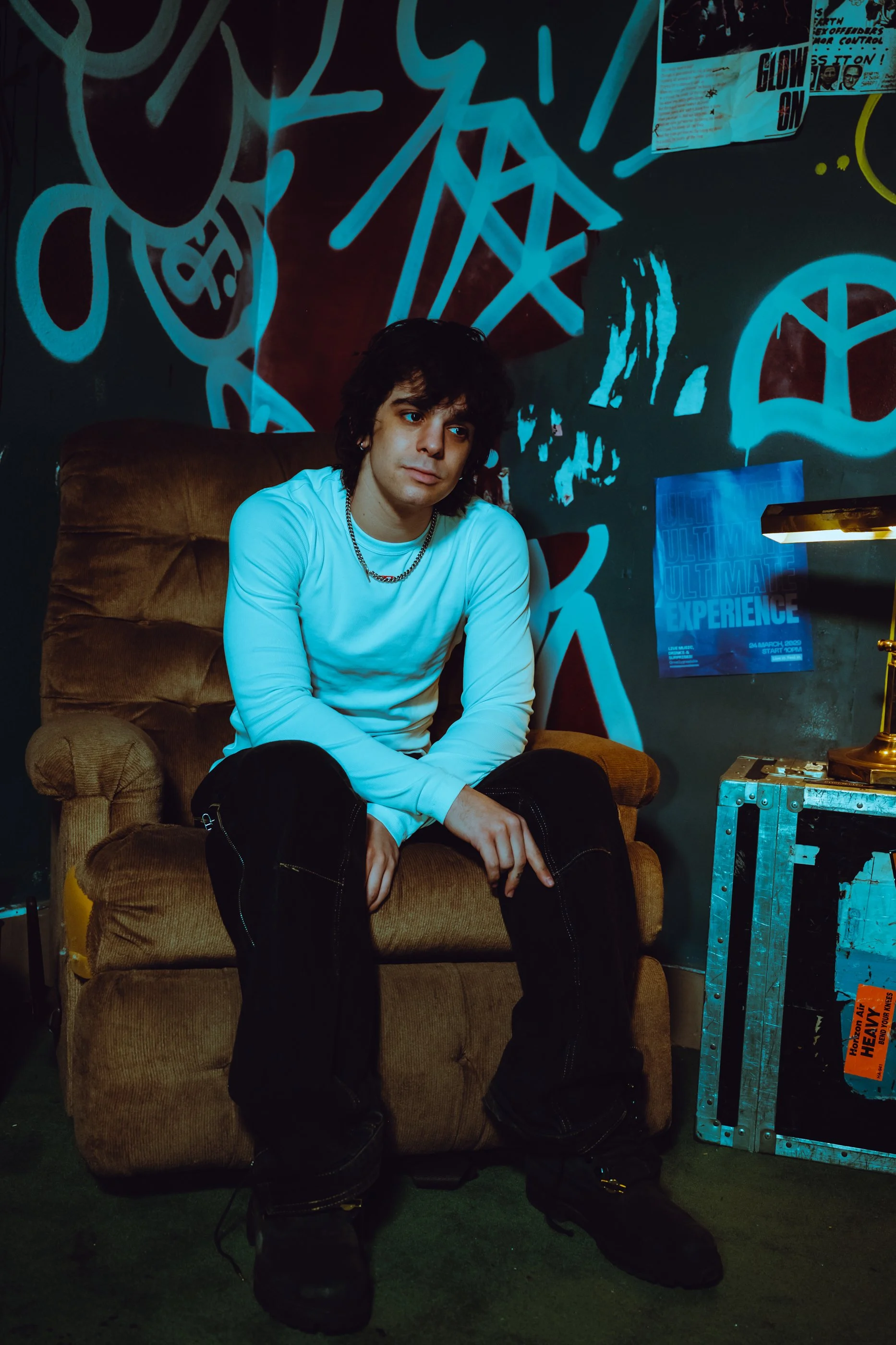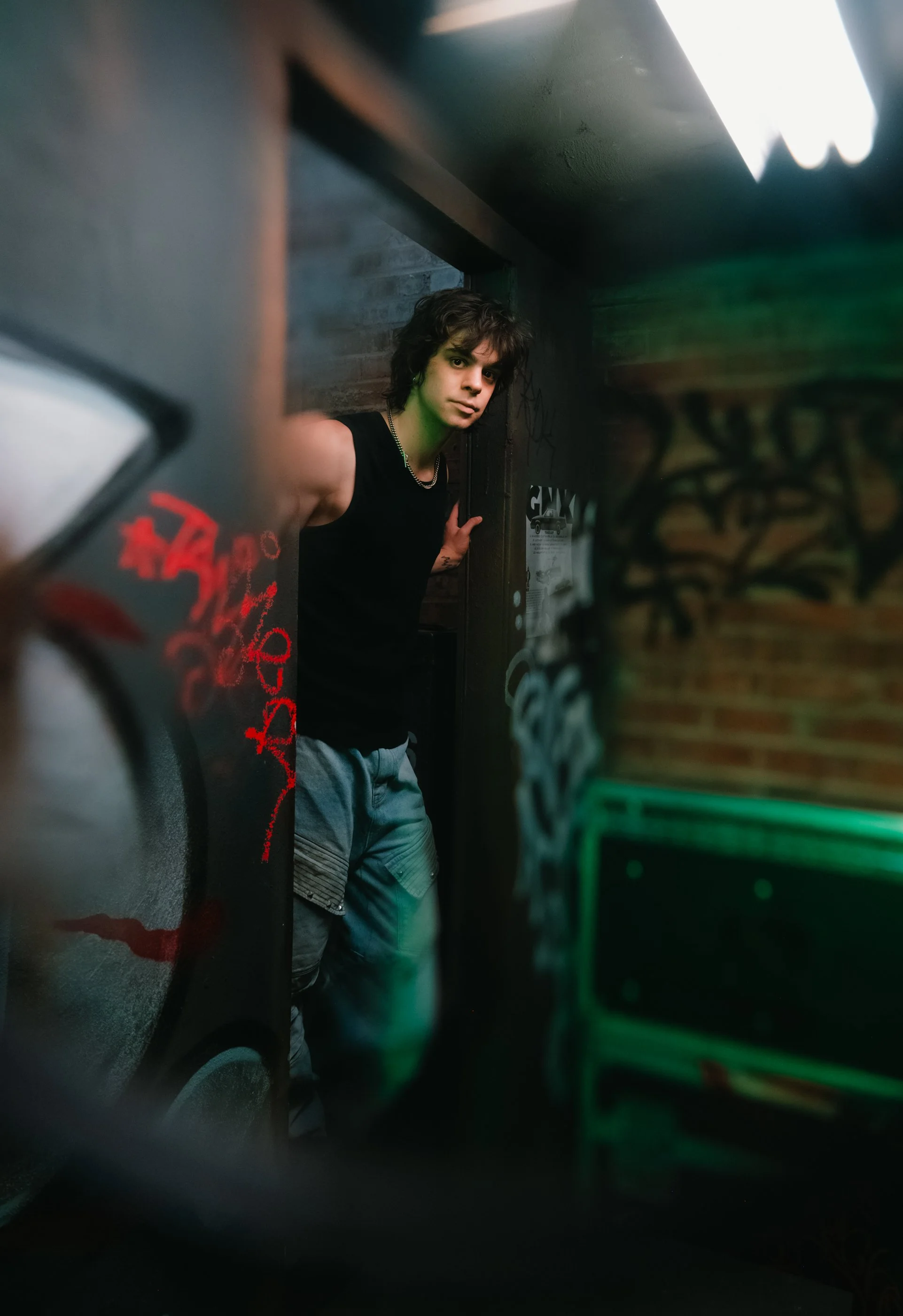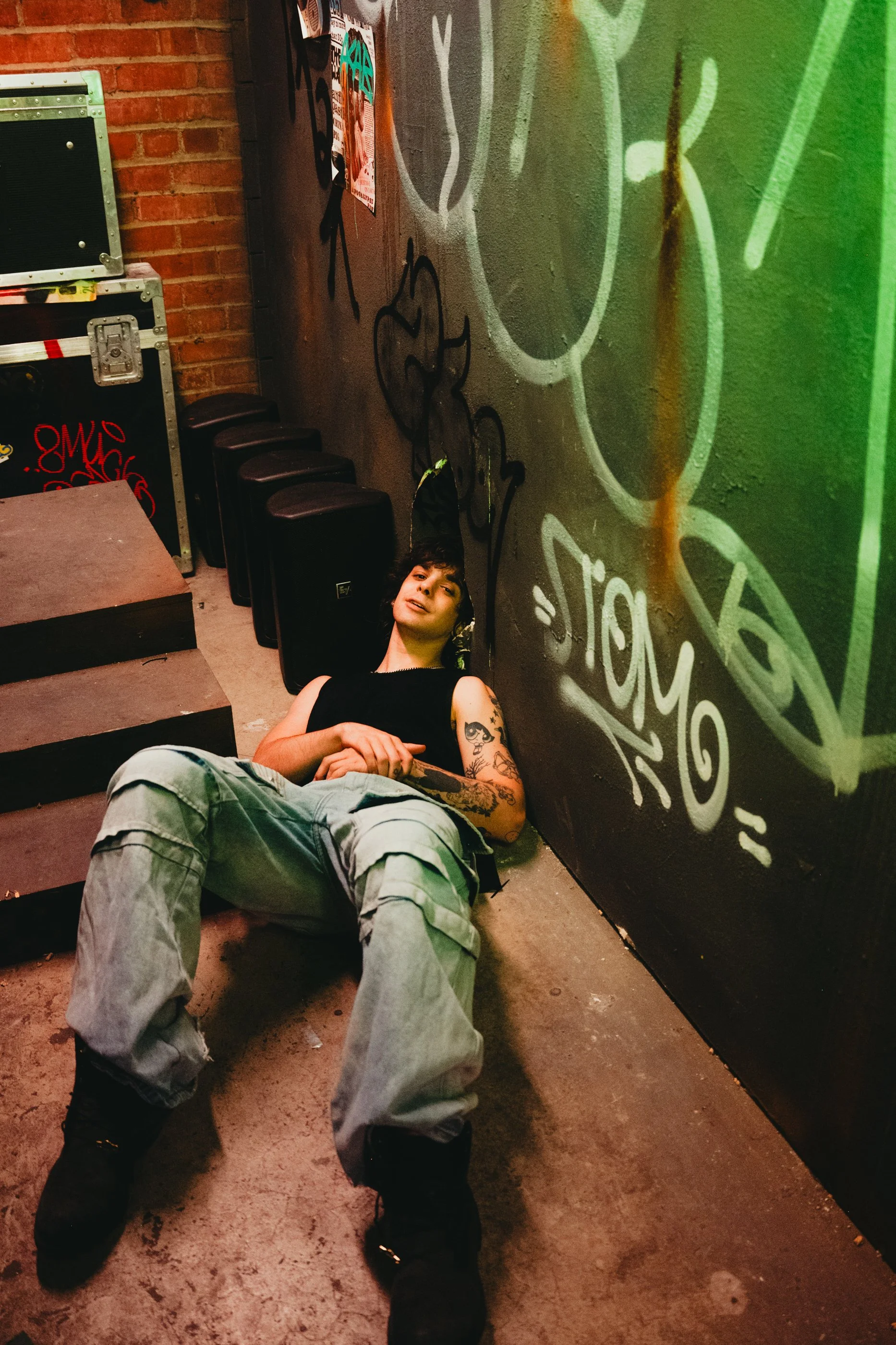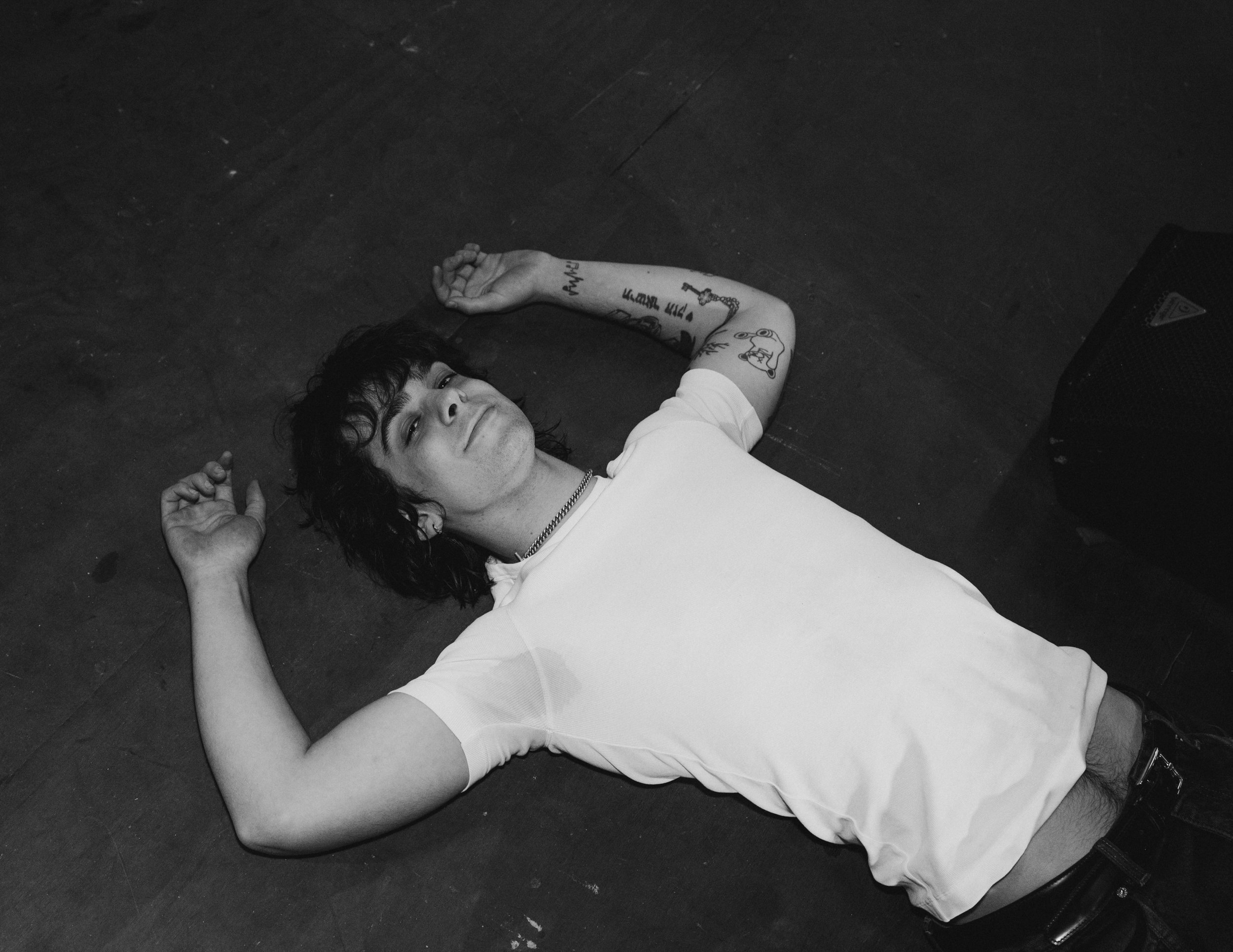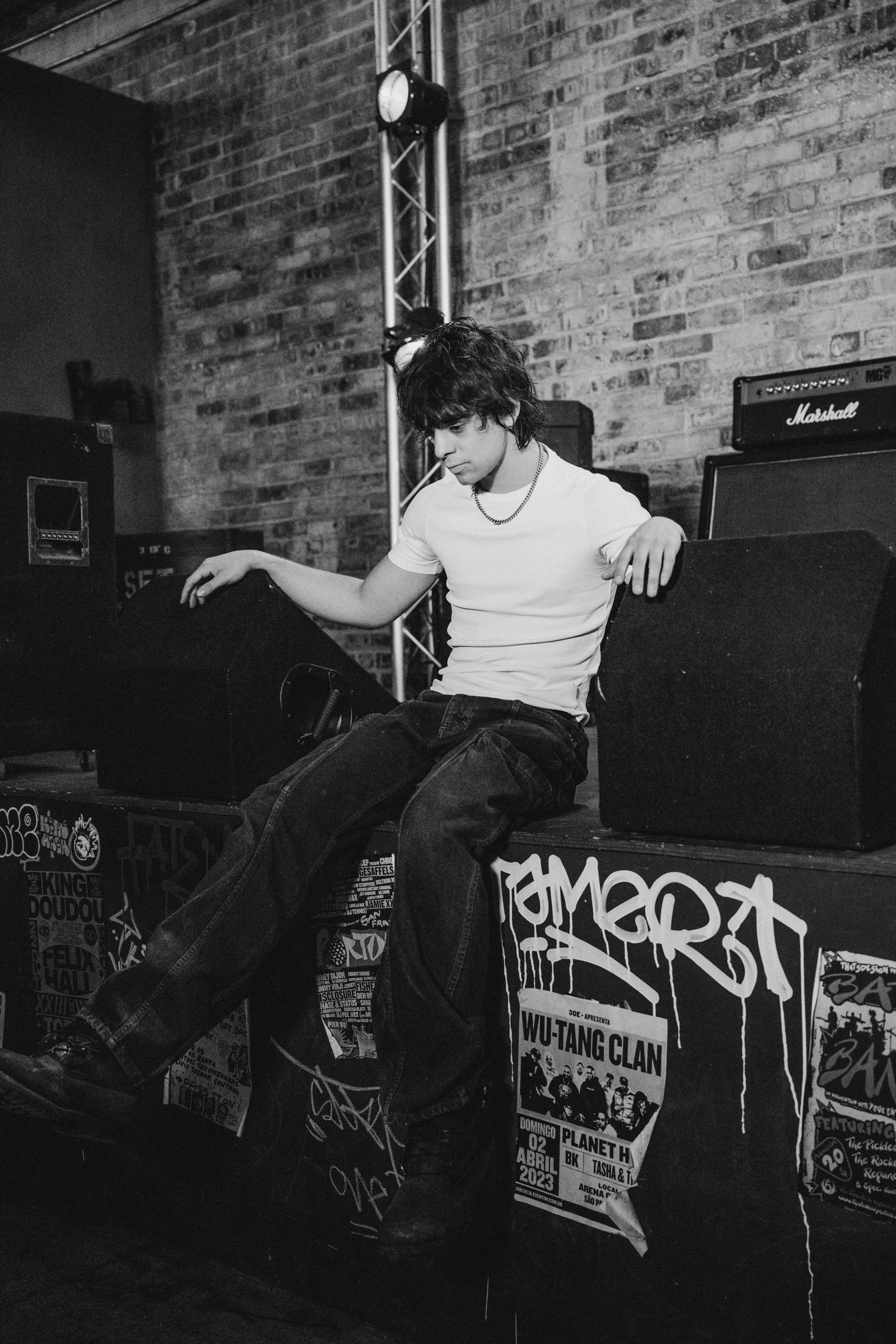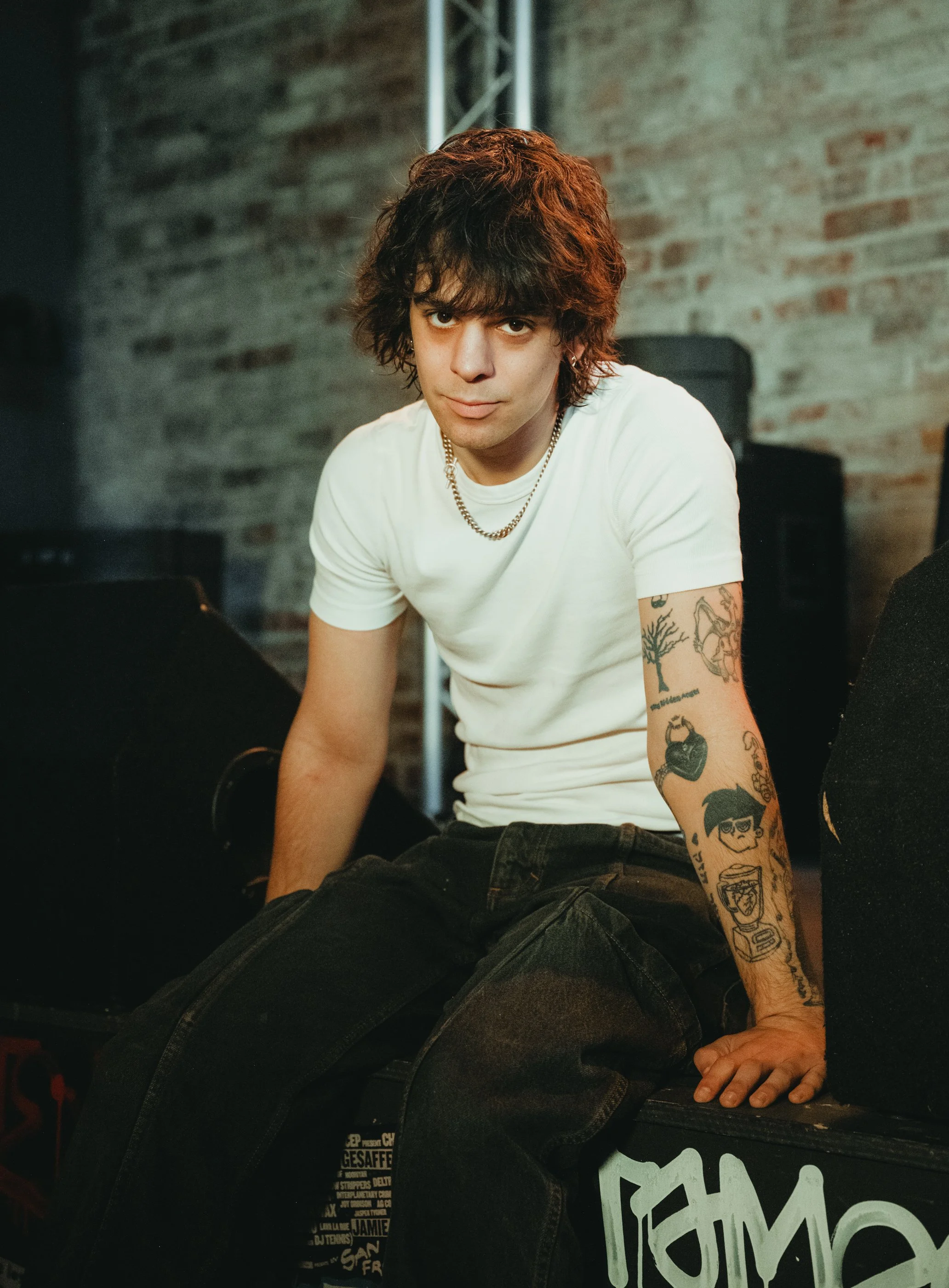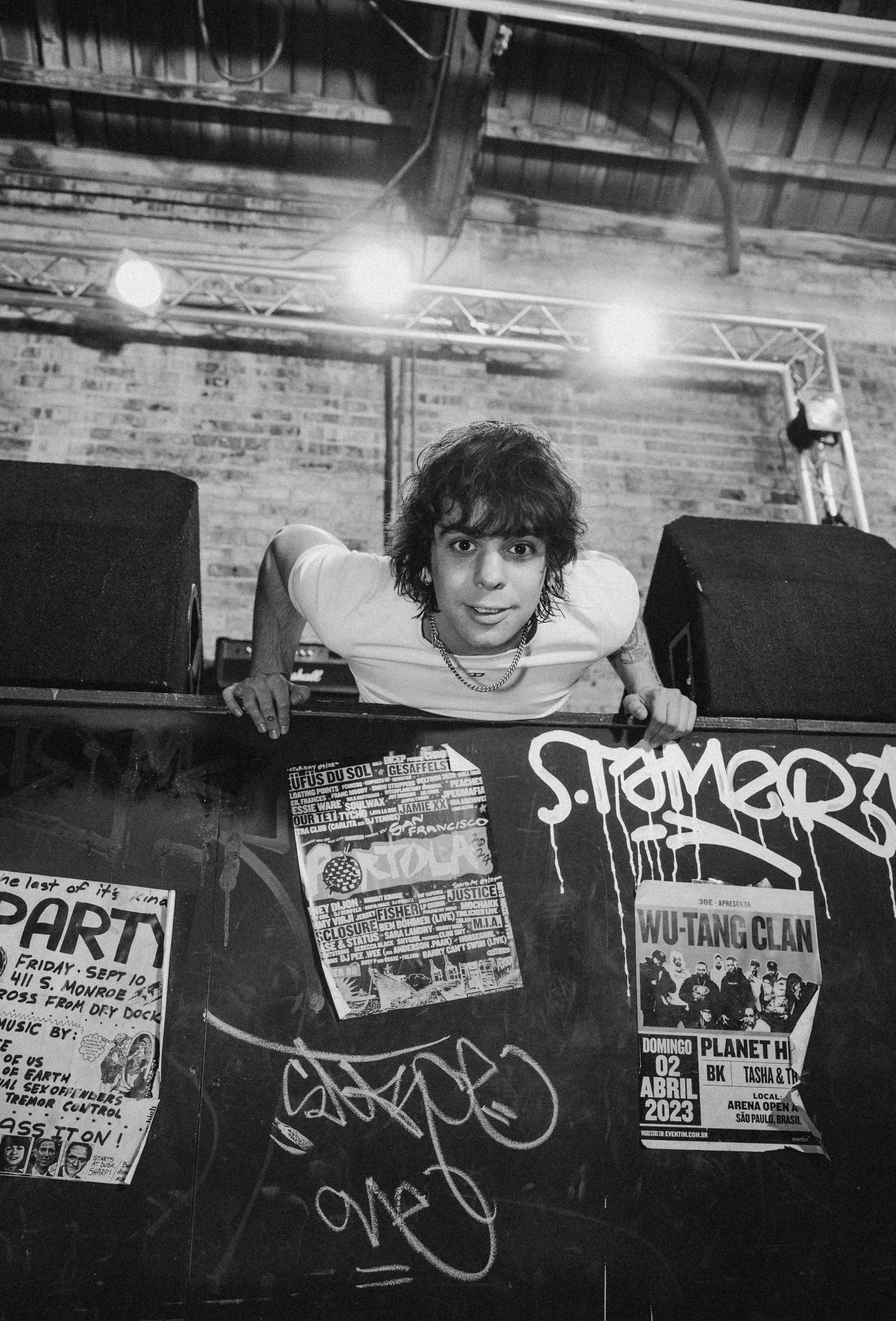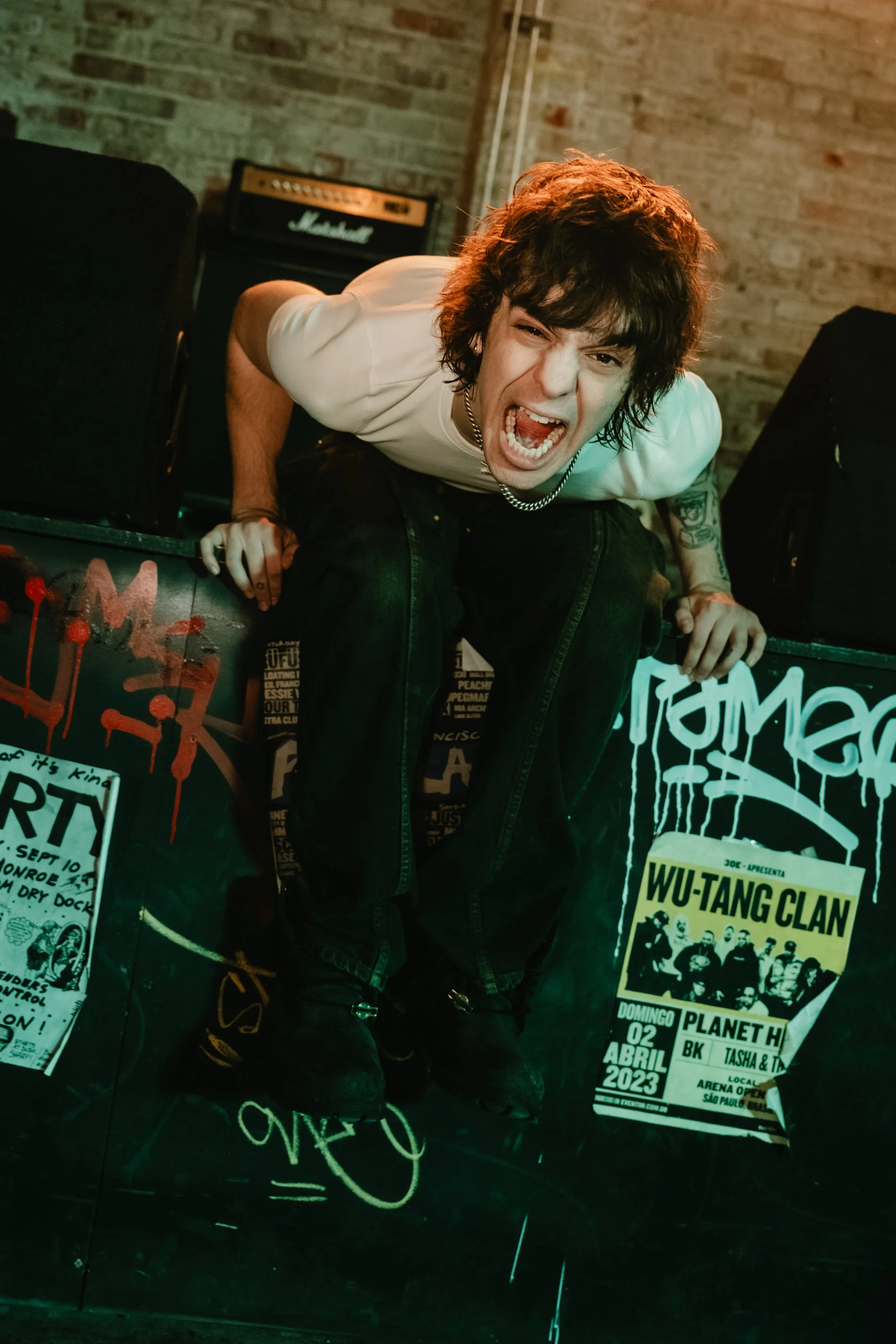

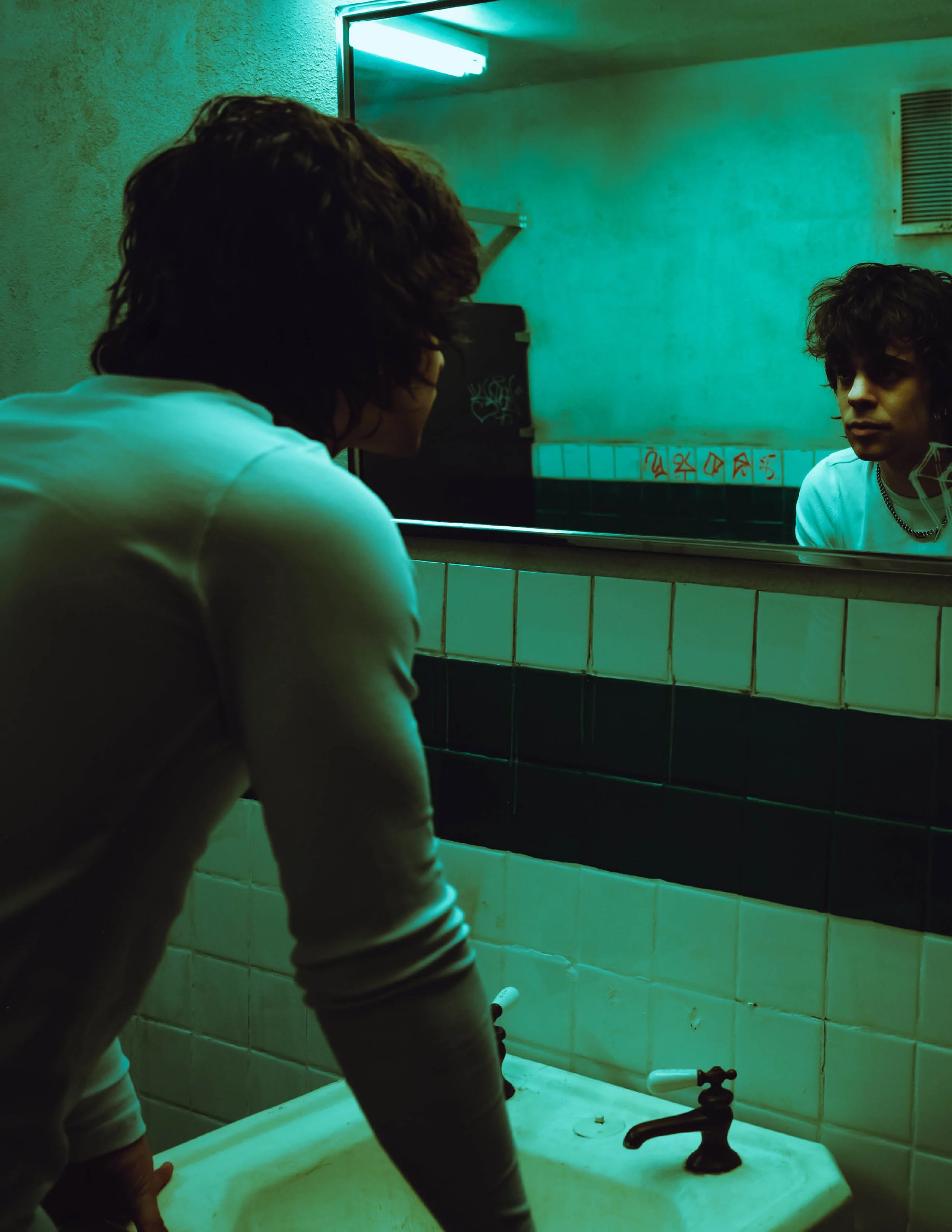

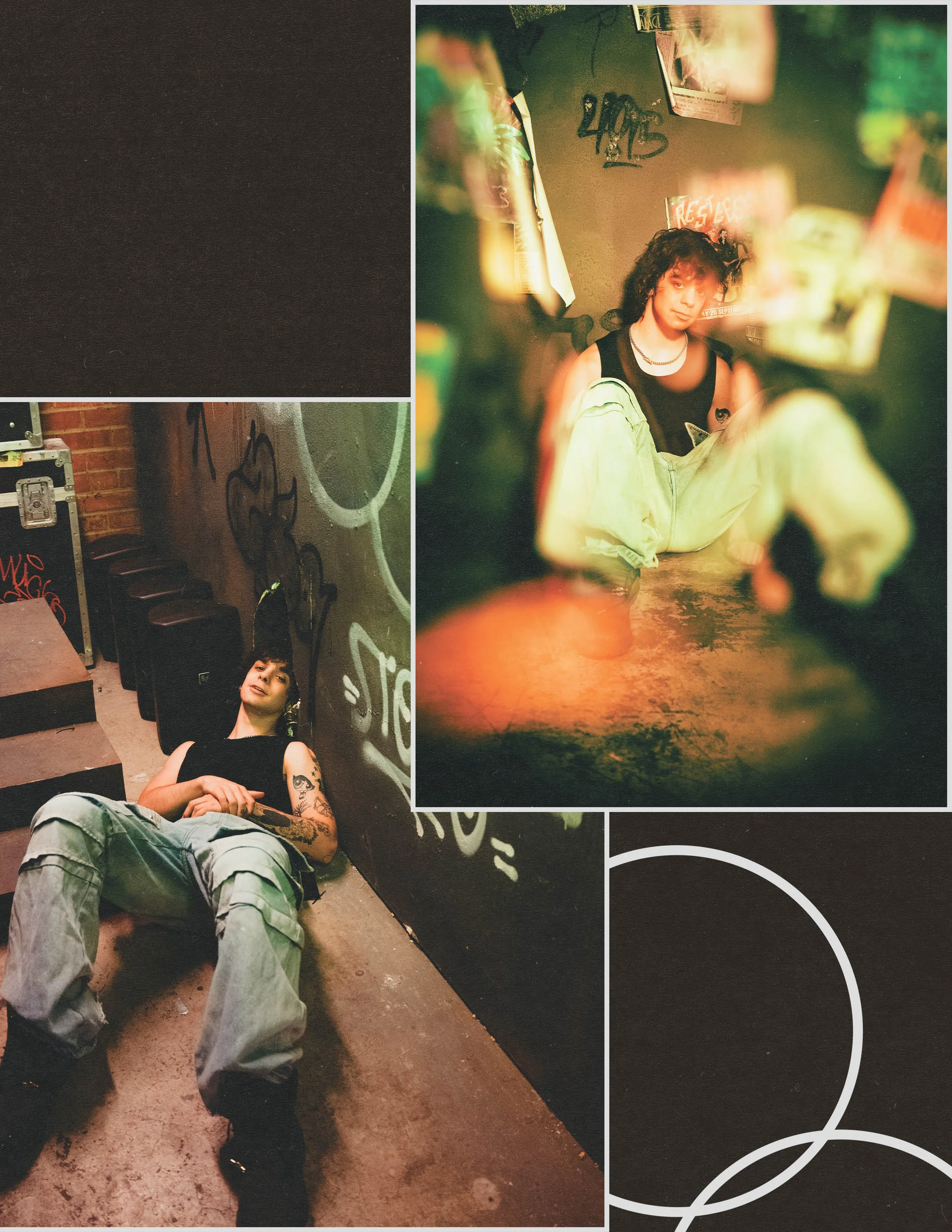
Ezra’s name may not be familiar to readers who follow music through radio charts or festival lineups, but online, he has built a following that understands exactly what he offers. Over thepast few years, the singer-songwriter has developed a dedicated audience through a steady stream of releases that live at the intersection of alternative pop, emo influence, and internet storytelling. His growth has not come from one defining hit, but from consistency. Each song adds another layer to a catalog that feels personal without being closed off, accessible without being generic. For listeners who find music through TikTok clips, Discord servers, and late-nightplaylists, Ezra’s voice is already part of their daily rotation. For those discovering him now, here presents a new generation of artists whose careers are shaped less by traditional industry paths and more by direct connection with their audience. With spoke too soon out in the world, Ezra talks about the album as something he has lived with long enough to trust. “It’s my first album, so of course I’m excited,” he says. “But more thananything, it feels like finally letting something go that I’ve been carrying for a long time. It’s likekicking your baby out of the nest and hoping it flies. It’s a thirteen-song project that I put mywhole life into, not just one moment or one feeling. I think albums grow with you. This isn’t something that’s supposed to be understood in one listen.”That sense of range runs throughout the record. Ezra’s decision to share “Middle Ground” and“look so good” together helped establish the tone early on. Instead of leading with a singledefining sound, he chose contrast. Musically, the two tracks move in different directions, one shaped by pop and hyperpop textures, the other grounded in melody and early emo influence. Still, the intention behind them is the same. “They were different enough to be interesting,” Ezrasays, “but similar in the way they make me feel.”
He explains that much of the album’s emotional scope was already visible before its release. “Ihad already given a good amount from the album,” he says. “Those earlier songs were alldifferent emotional looks. ‘Hourglass’ was about yearning. ‘Intermission’ was hopeful. ‘SoberCigarettes’ was more self-blaming. ‘Middle Ground’ and ‘look so good’ just feel happy to me. They feel euphoric.”The album also includes moments that carry a different kind of weight. One of the most personal is “Gone at 20 Something,” written about a close friend who died from an overdose. Ezra was unsure for a long time if he would ever release it. “I didn’t think that song would come out,” hesays. “It felt too close.” Hearing from listeners who connected with it shifted his understanding ofwhat the song could be. “They told me it helped themfeel less alone. That made me realize it wasn’t about me anymore.”
While Ezra continues to build his solo work on his own terms, a separate creative chapter has taken shape through his collaboration with Braden Bales. The project grew out of circumstance rather than planning, beginning when the two moved in together during a period of transitionand started making music casually. “We made this silly love song about weed in like five minutes,” Ezra says. “We posted it as a joke, and I woke up, and it had amillion views.”The response showed there was something worth exploring, and Afterthought developednaturally from there, existing alongside Ezra’s solo releases without competing with them.“It’s wild,” Ezra says. “We haven’t even dropped a song yet, and we already have thousands of presaves on an album.”
Rather than drawing lines between projects, Ezra treats everything unfolding right now as partof the same moment. “If Afterthought ends up being bigger than my solo project, who cares?” he says. “As long as I can make music I’m passionate about and have people hear it, I’m happy.” What keeps the partnership grounded, he explains, is its simplicity. “We’re actually best friends. We hang out all the time. We talk about everything. So working together is easy. There’s no pressure. We just want to make things that feel good and hold each other accountable.”
Since early February, the tour has been moving through cities across the U.S., turning streamsand screen names into actual rooms. For Ezra, stepping onstage has become the first real exchange between the music and the people who have been listening from afar. There arecities he has never seen and places he feels connected to through family history and messages from fans. With both his solo album and Afterthought unfolding at the same time, the runbecomes the place where everything finally lands in front of a crowd. “I want people to hear it live first,” Ezra says. “That’s where songs really become real. For an artist whose career has grown largely outside traditional pathways, Ezra now finds himself in a moment that feels both open and grounded. The songs are clearer. The directionfeels steadier. And the future, instead of feeling like something to chase, feels already in motion. He is not measuring this chapter by milestones or numbers, but by whether the work still feelshonest when it leaves his hands. “I finally stopped fighting the current,” he says. “I’m just goingto see where it takes me.”