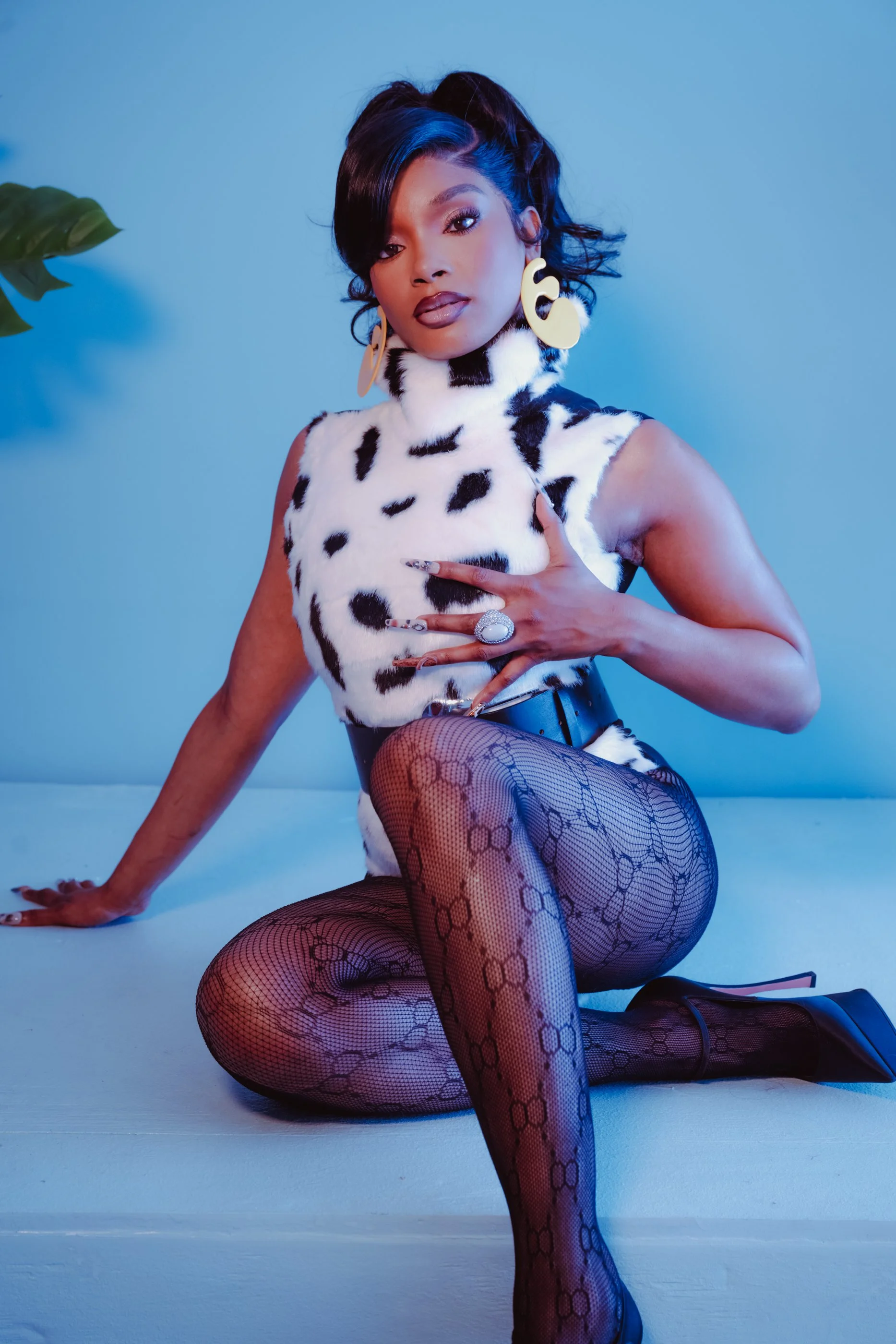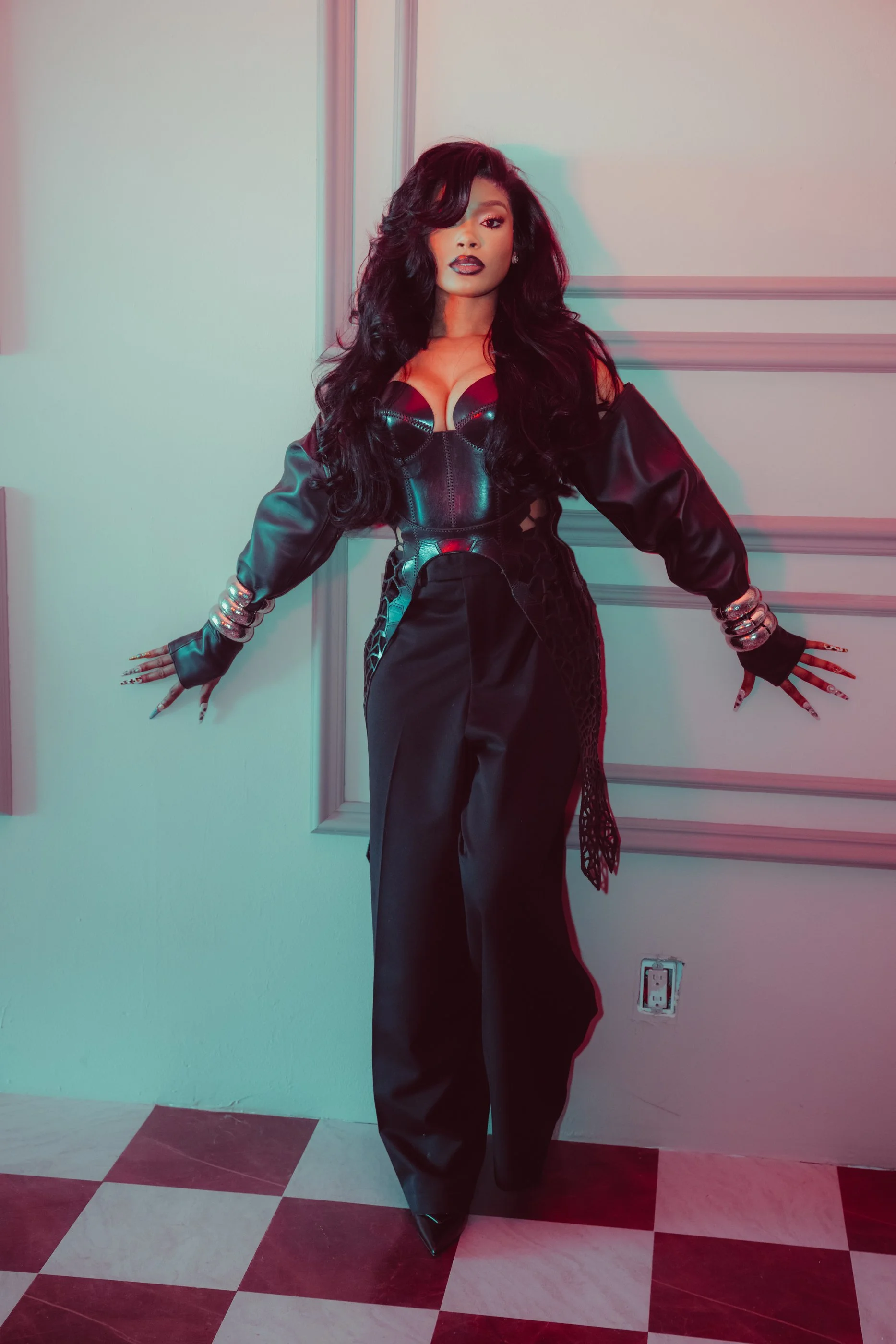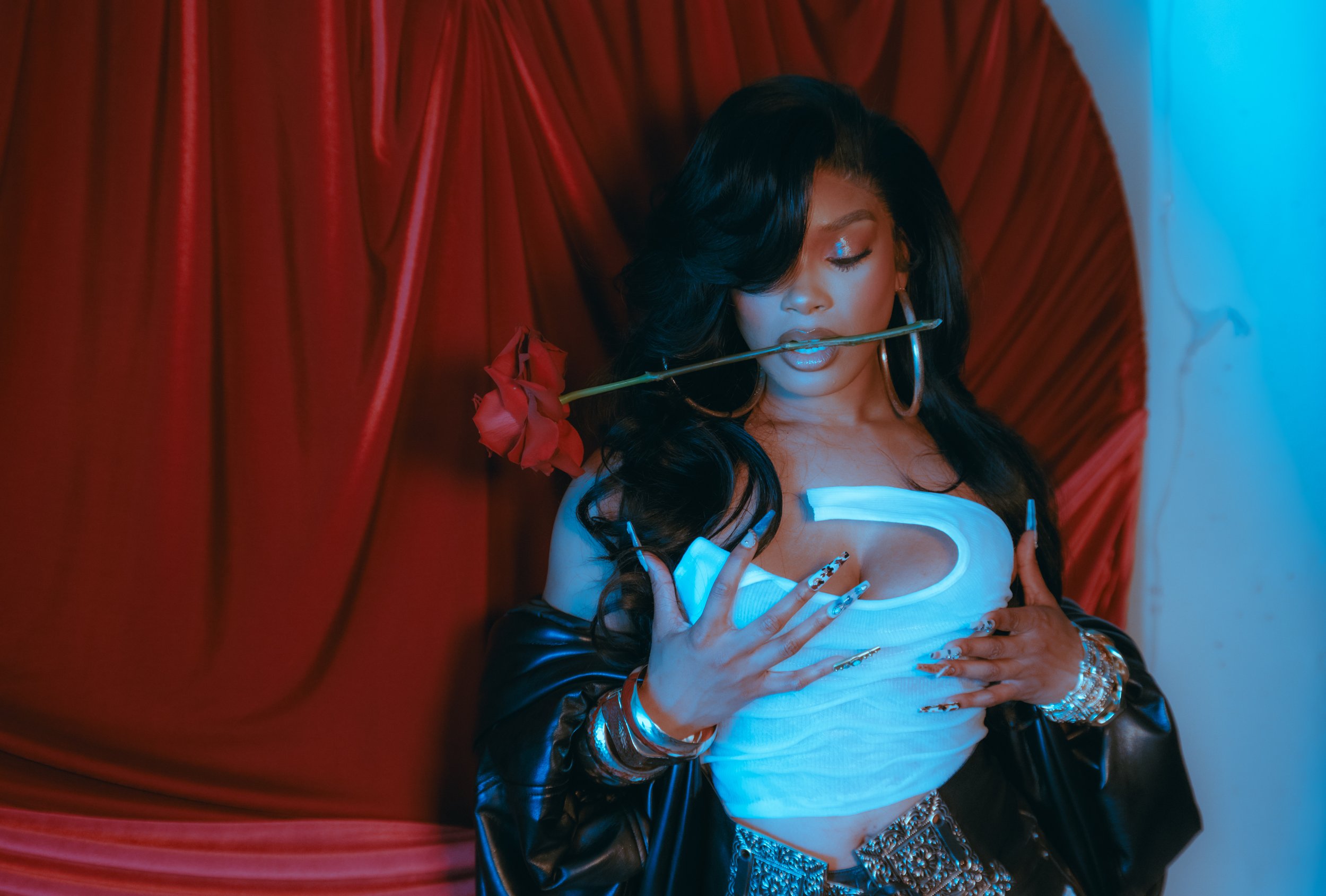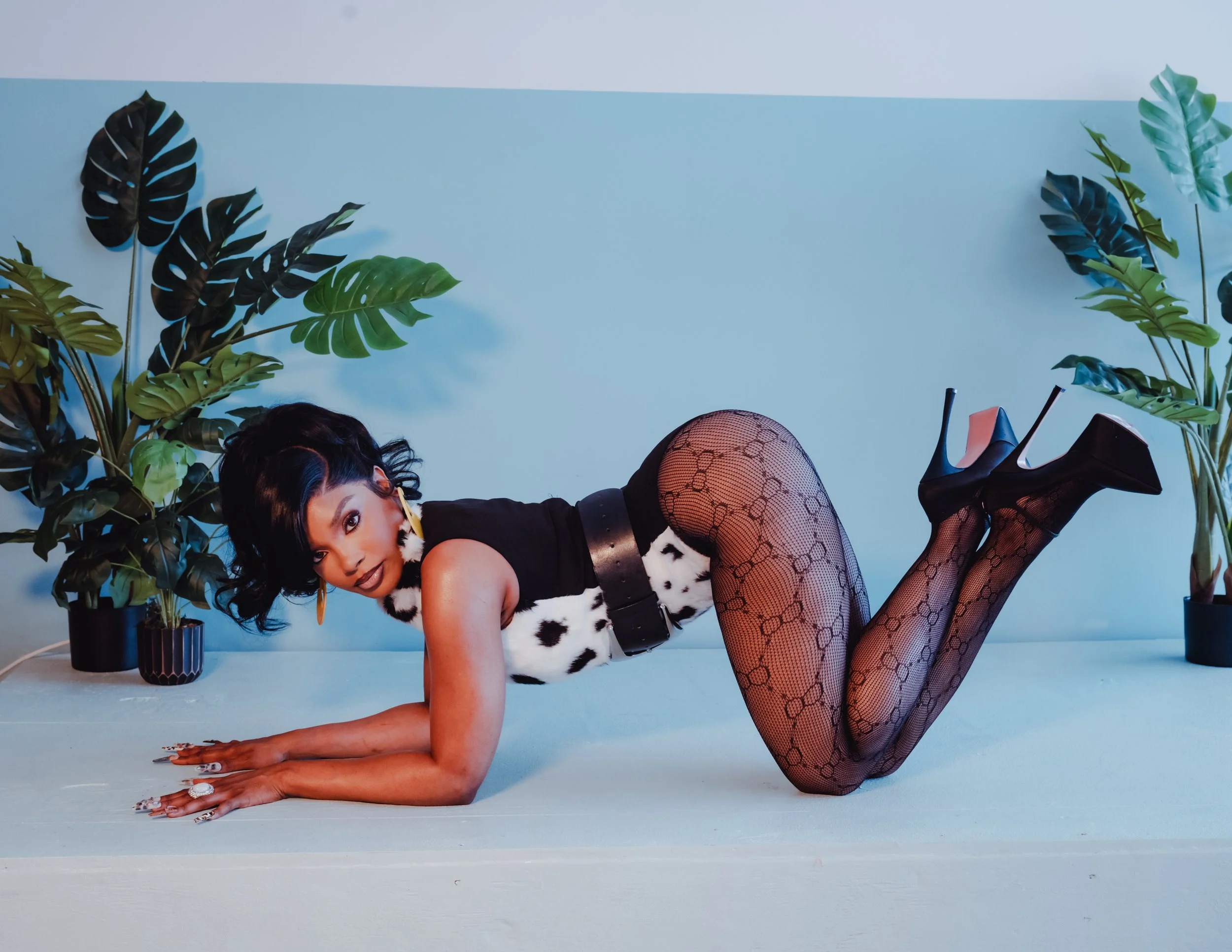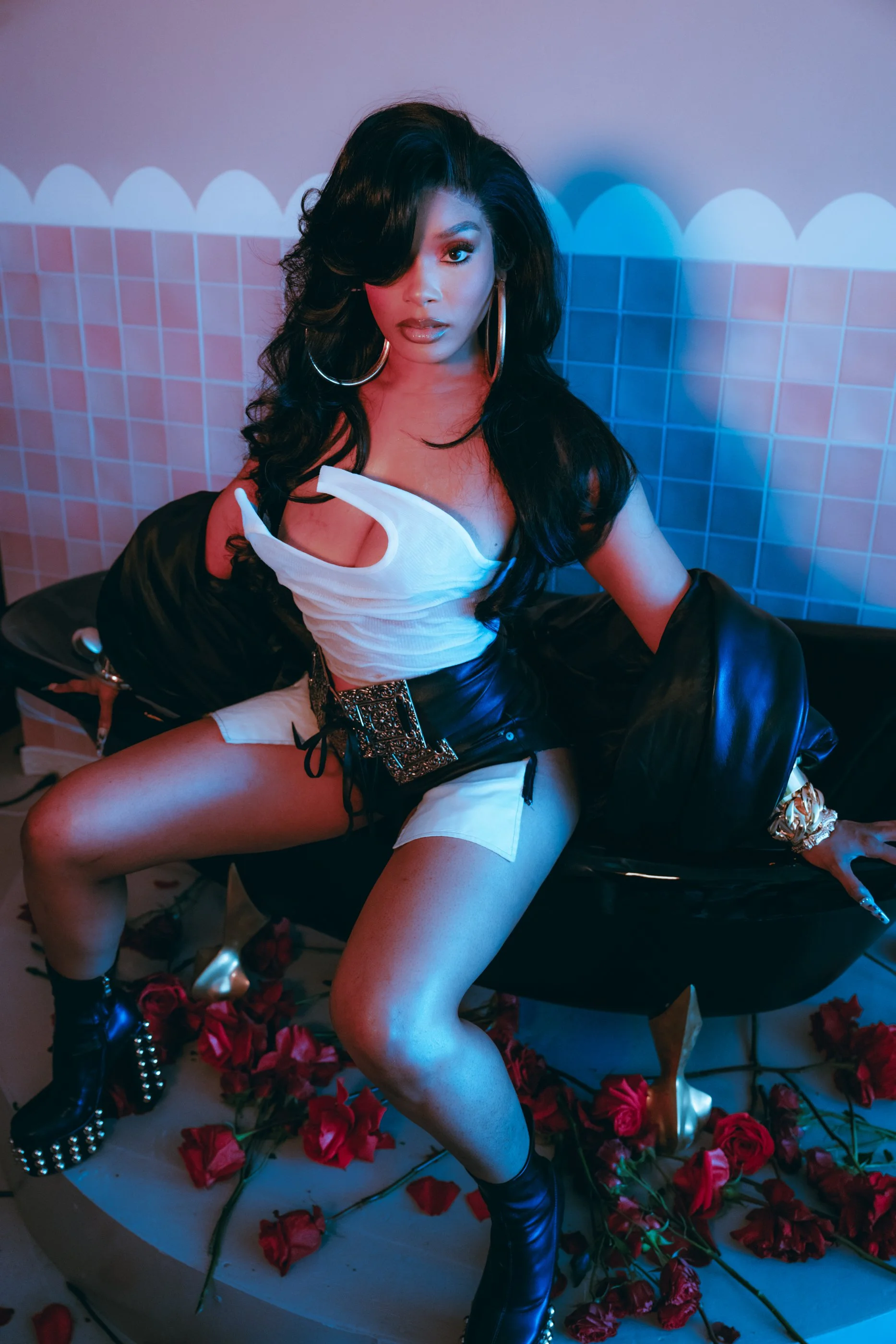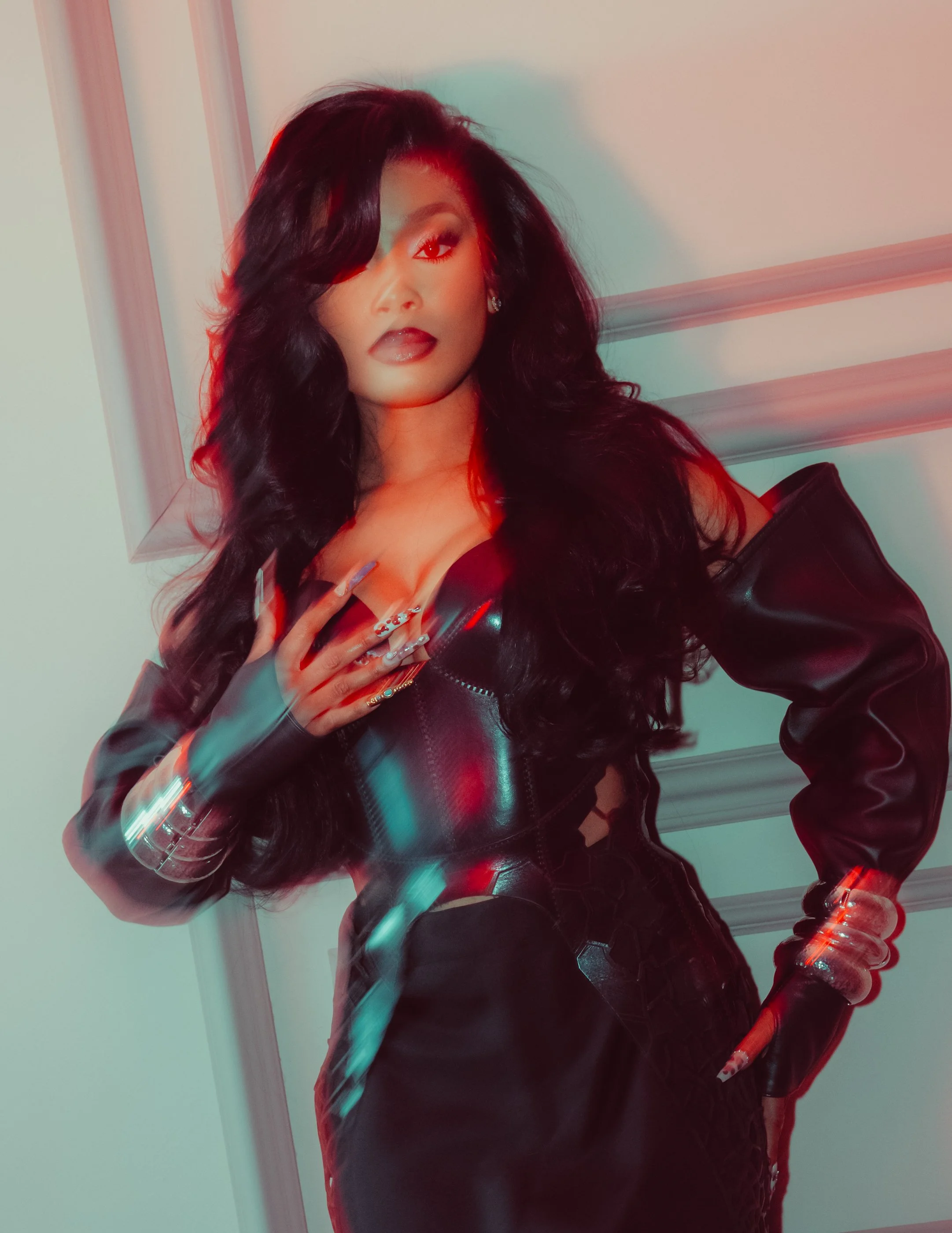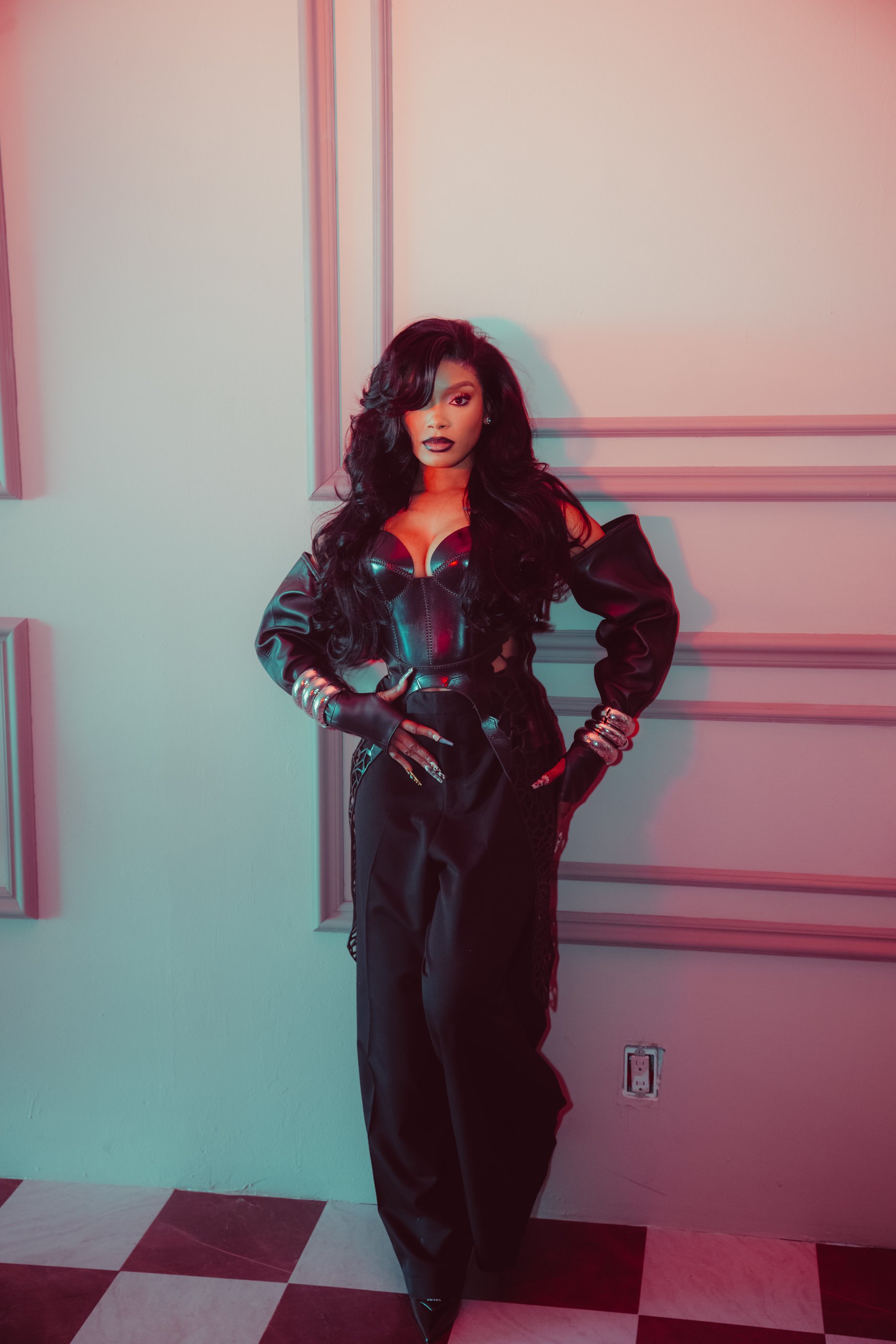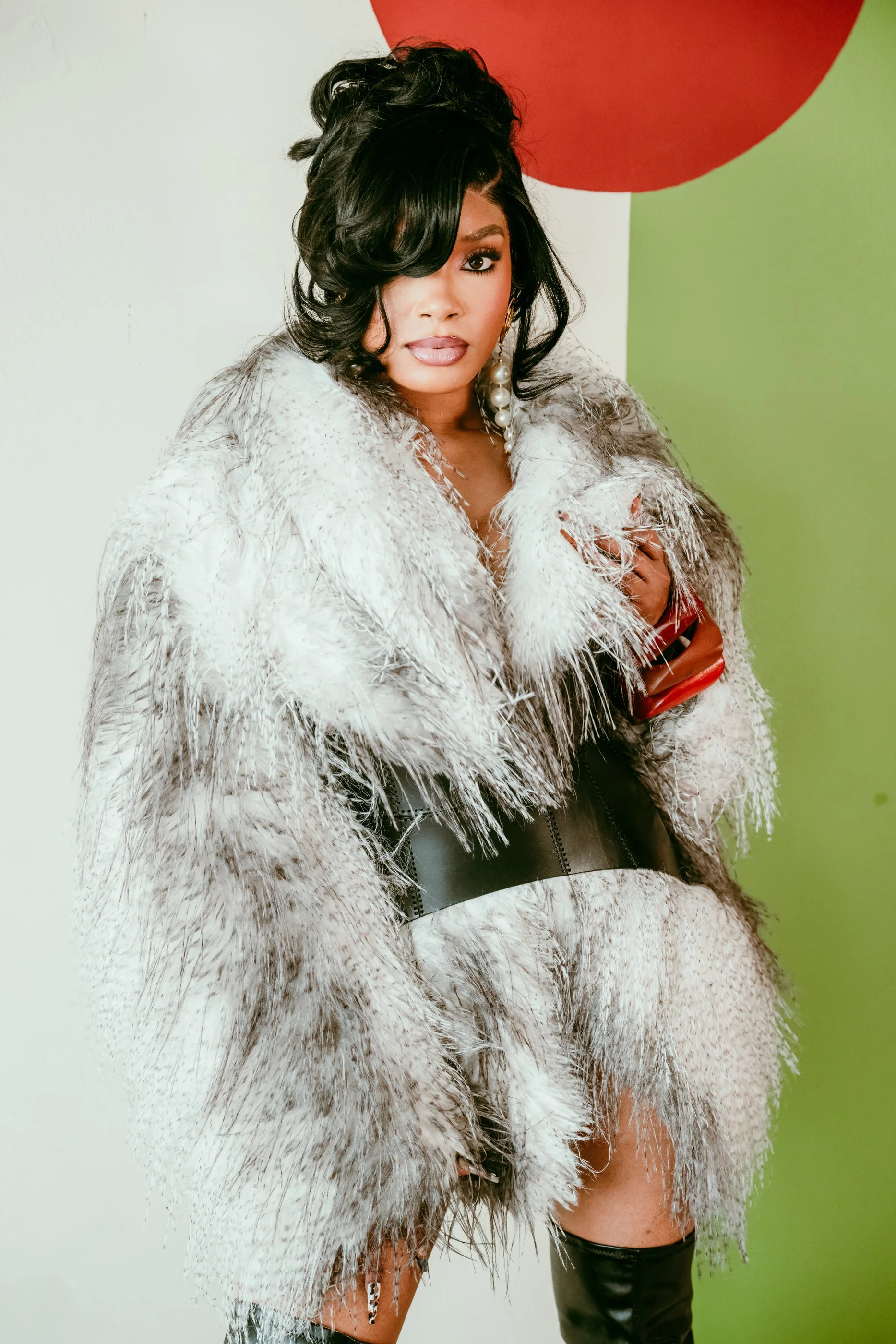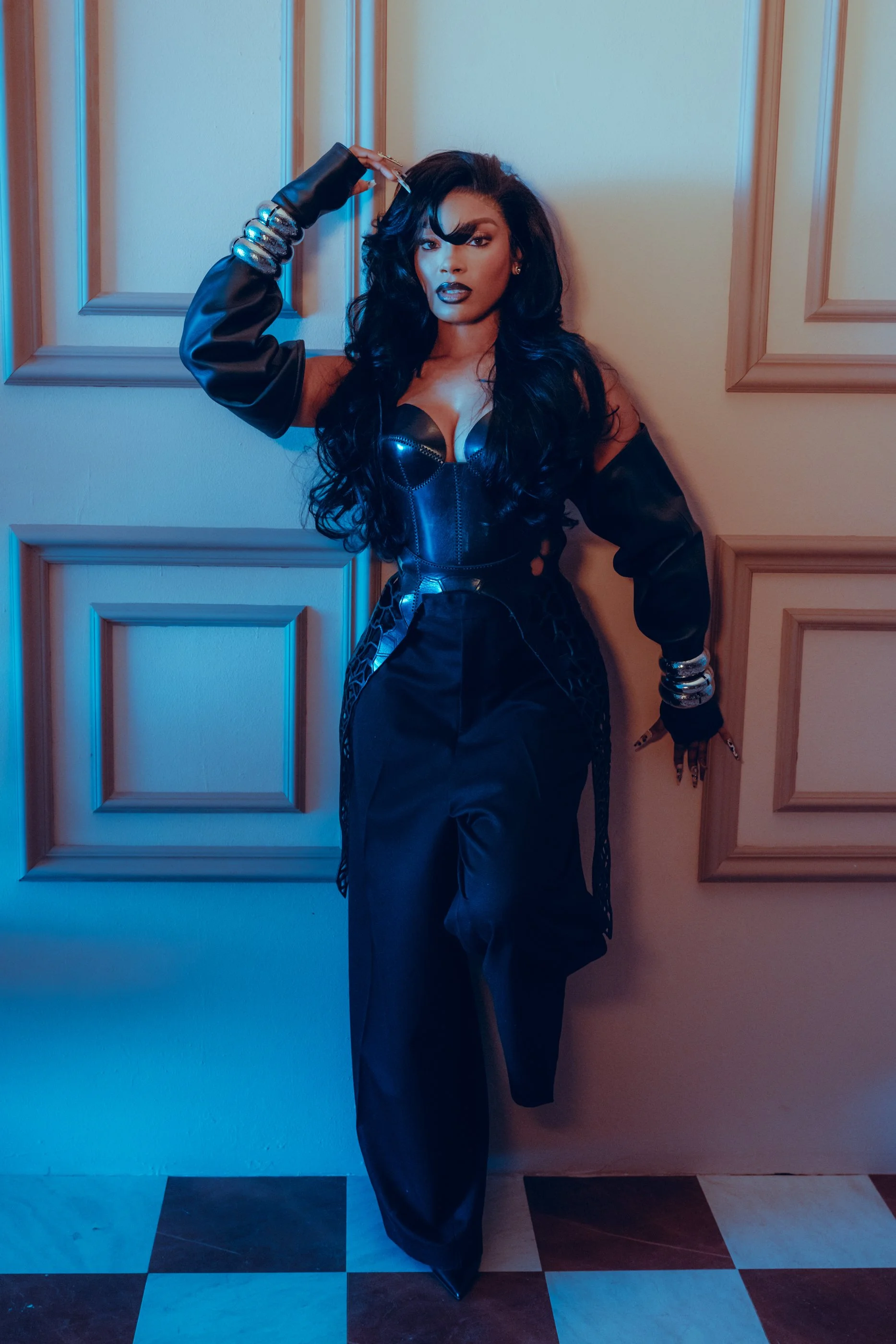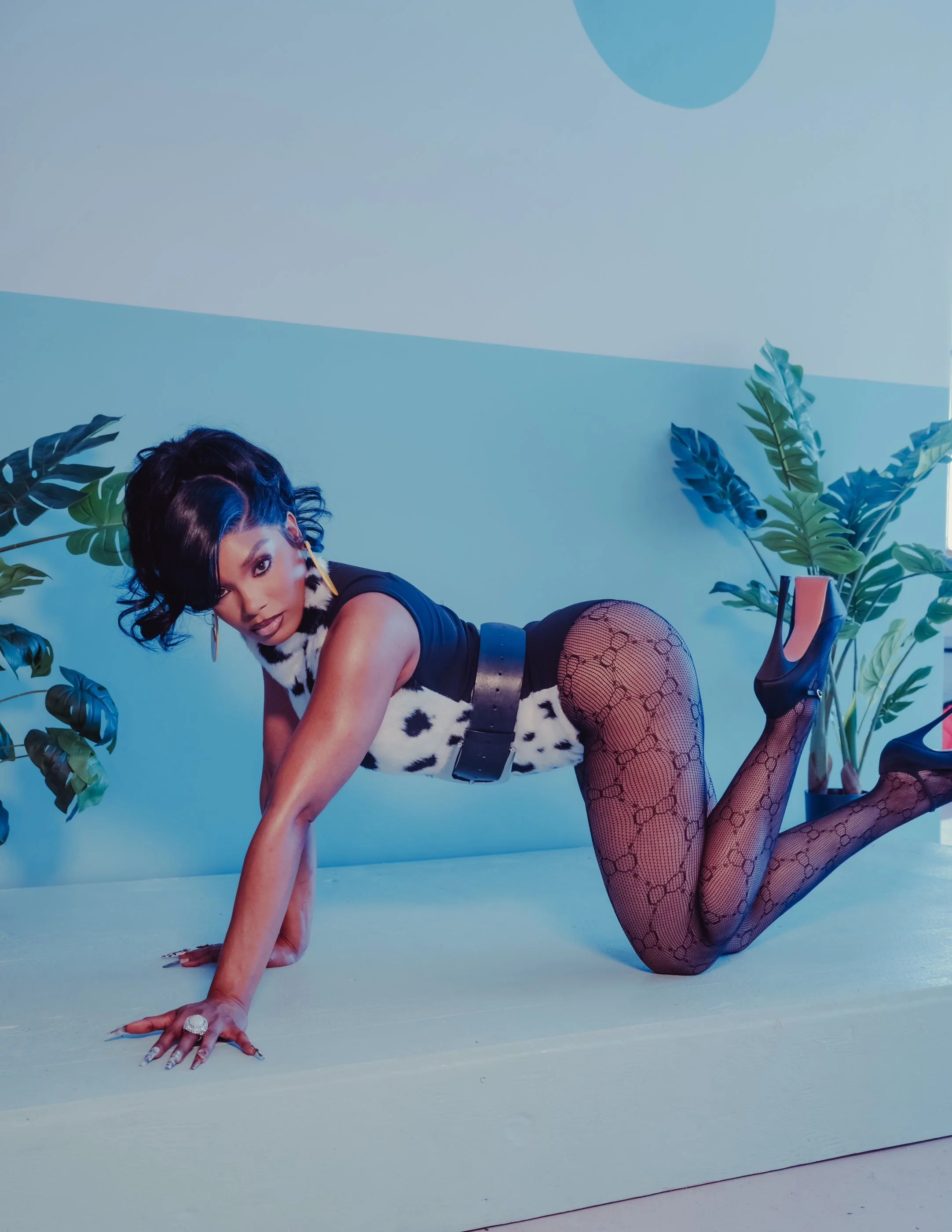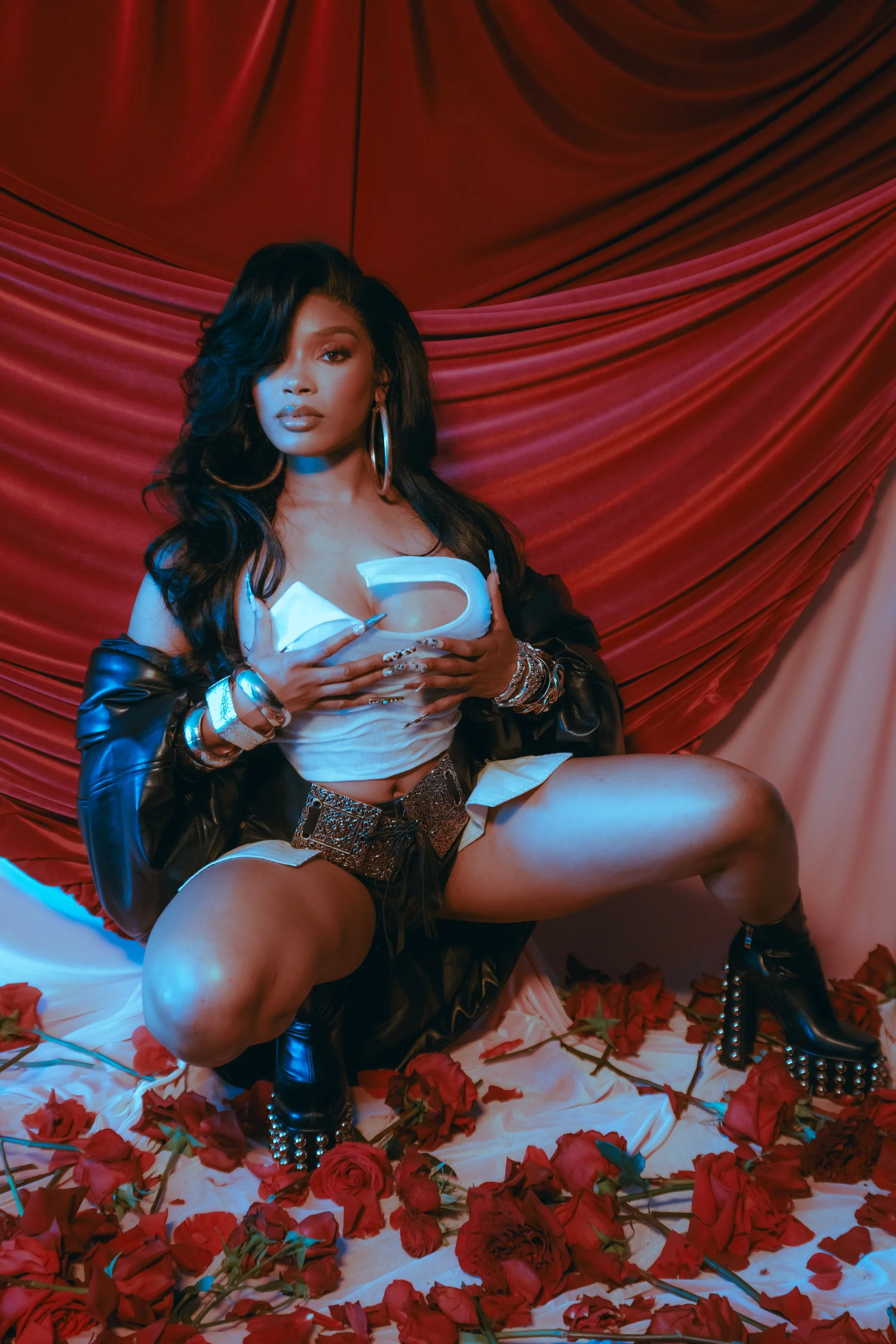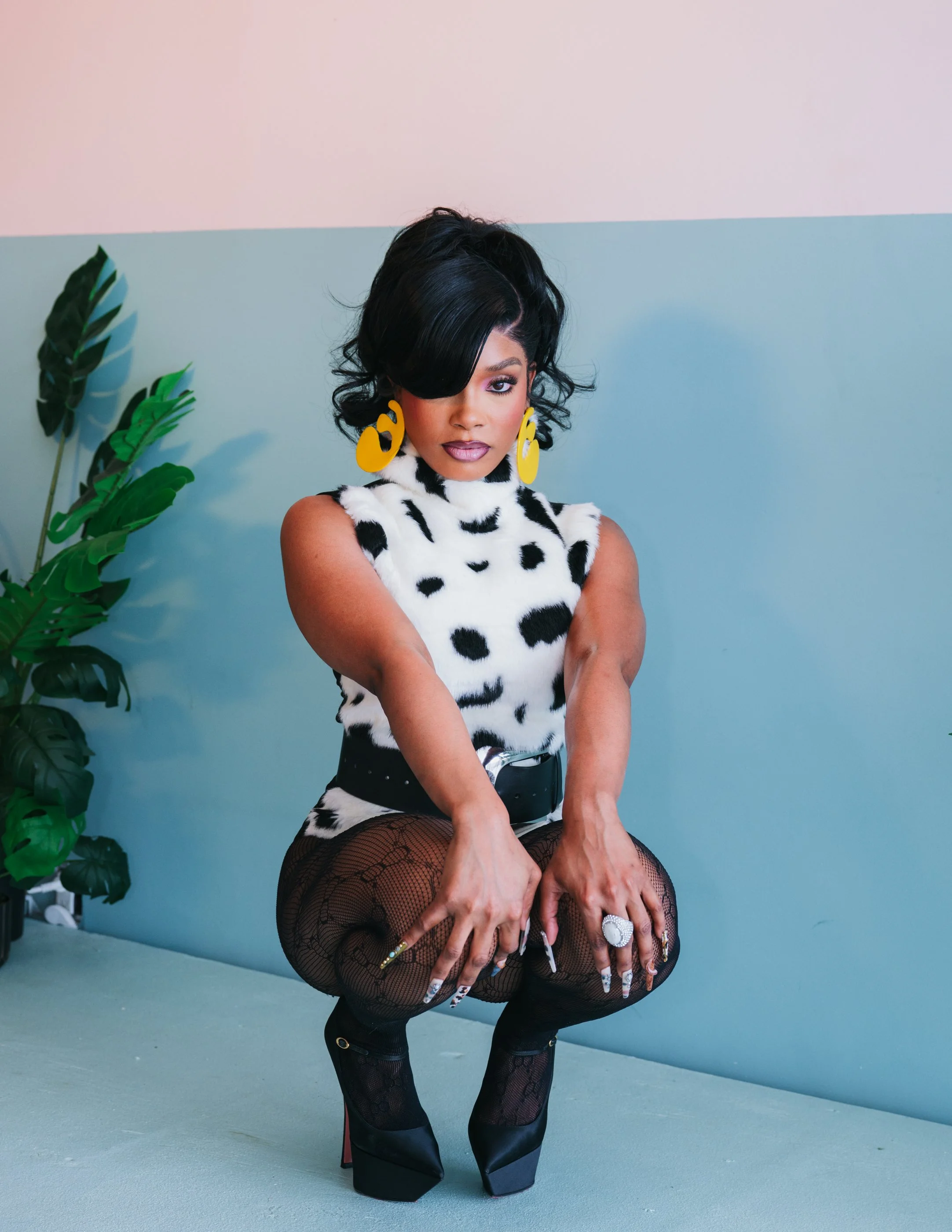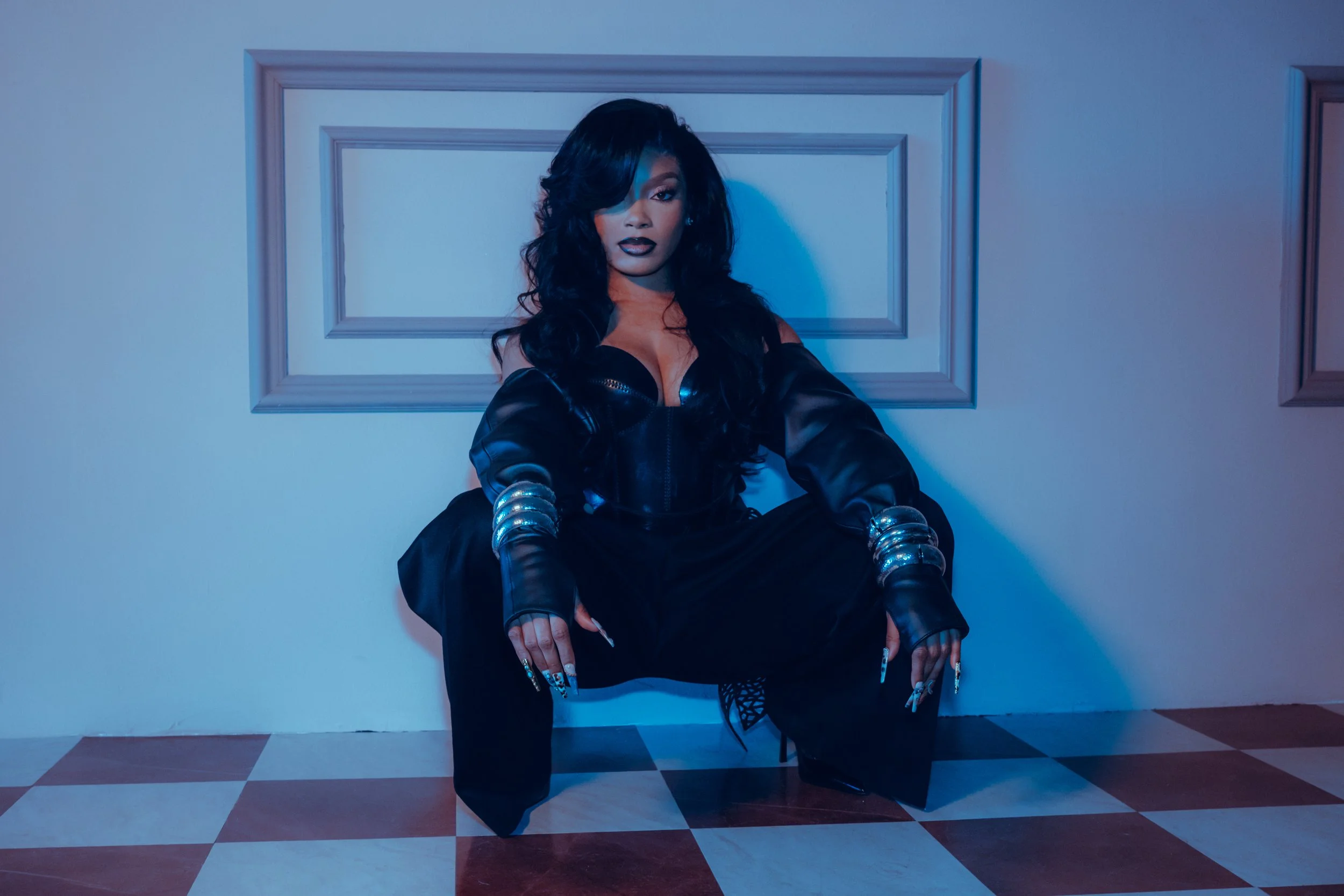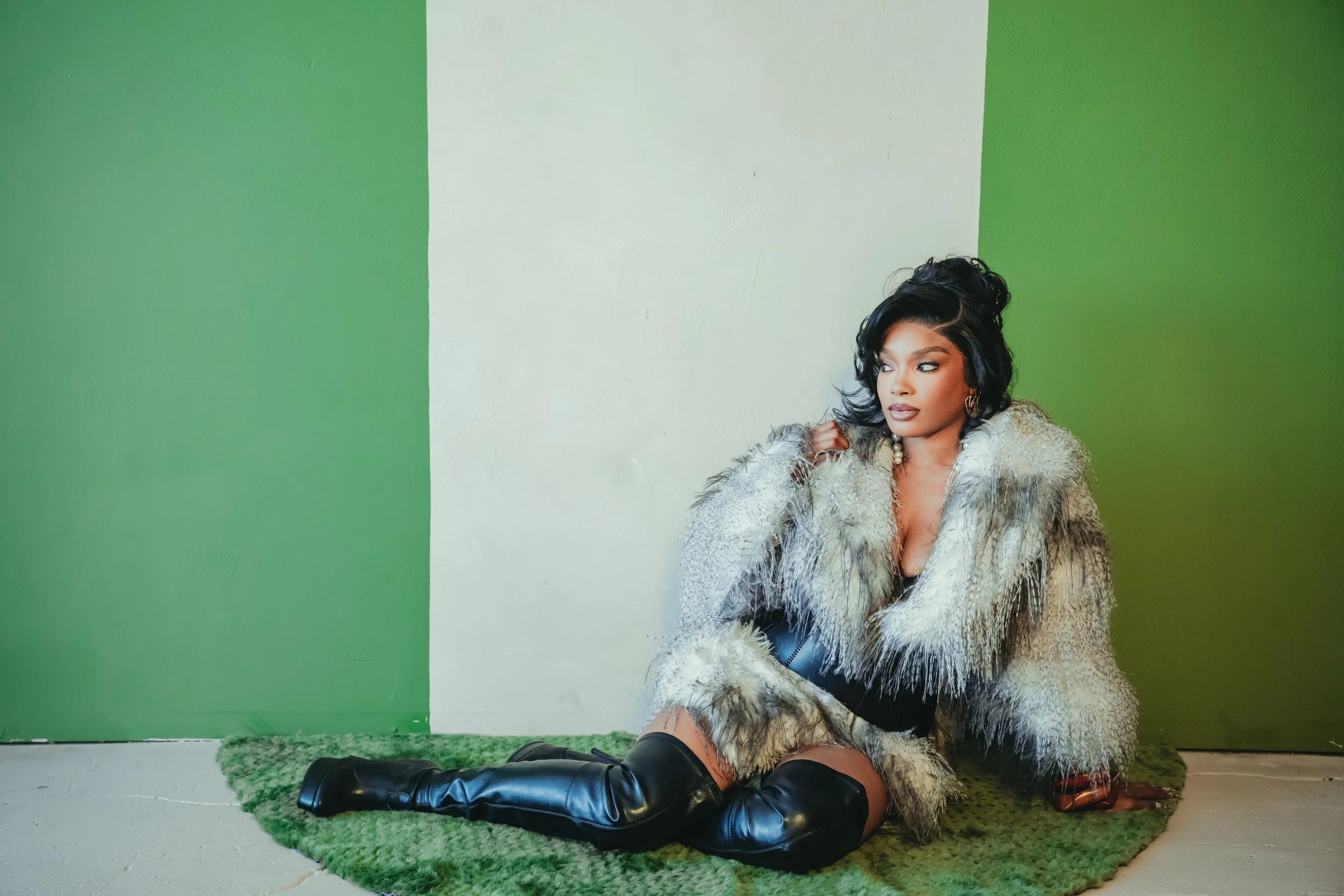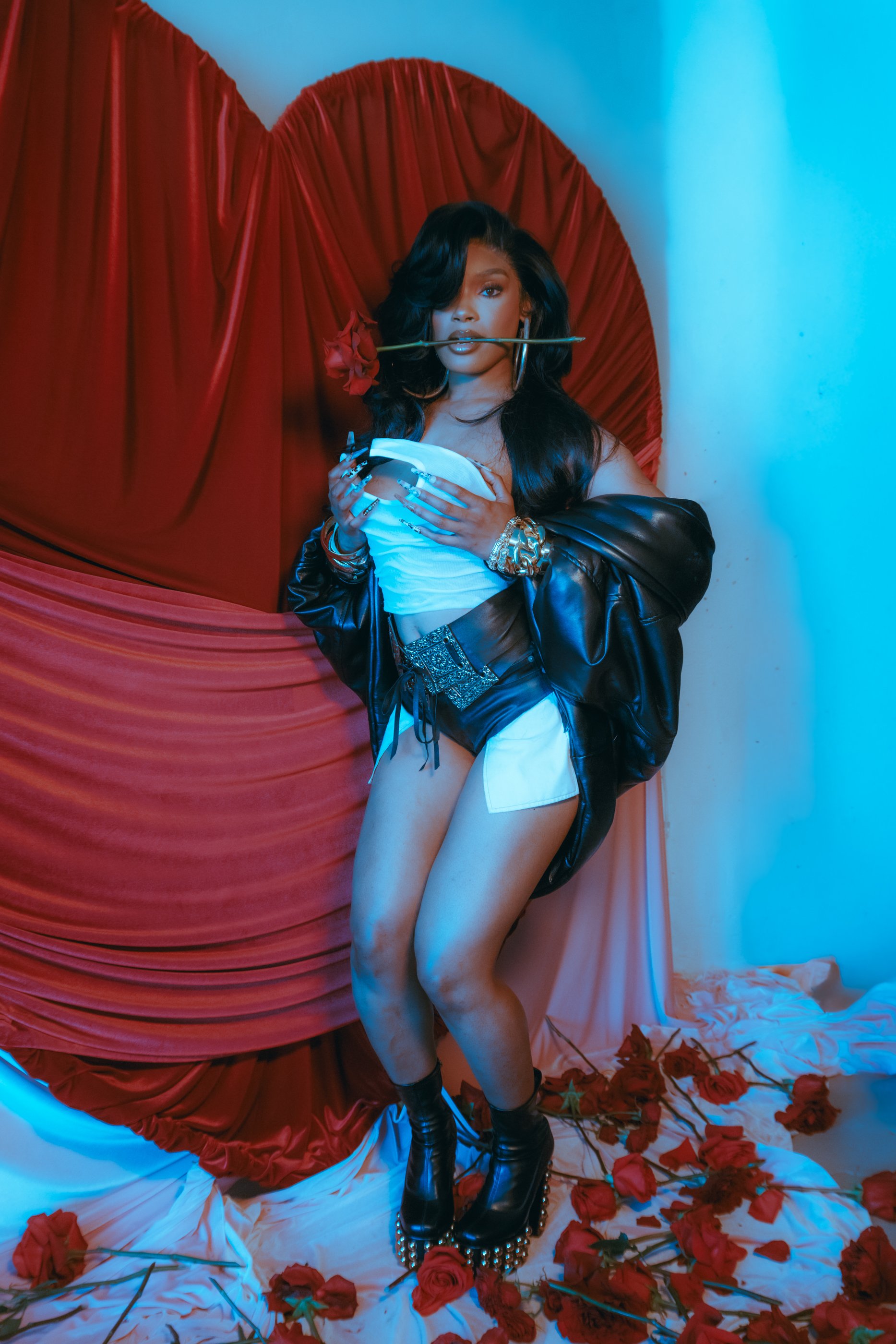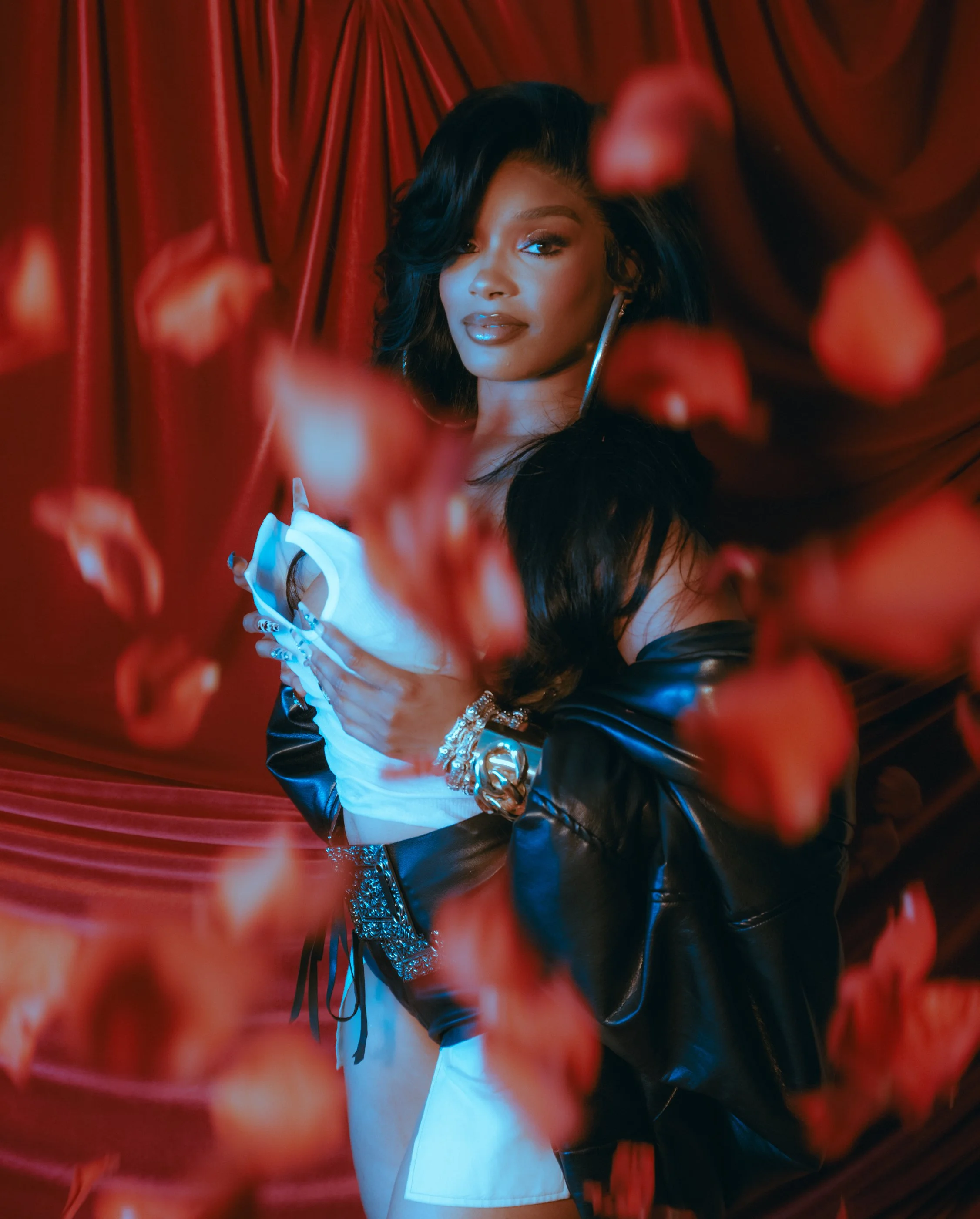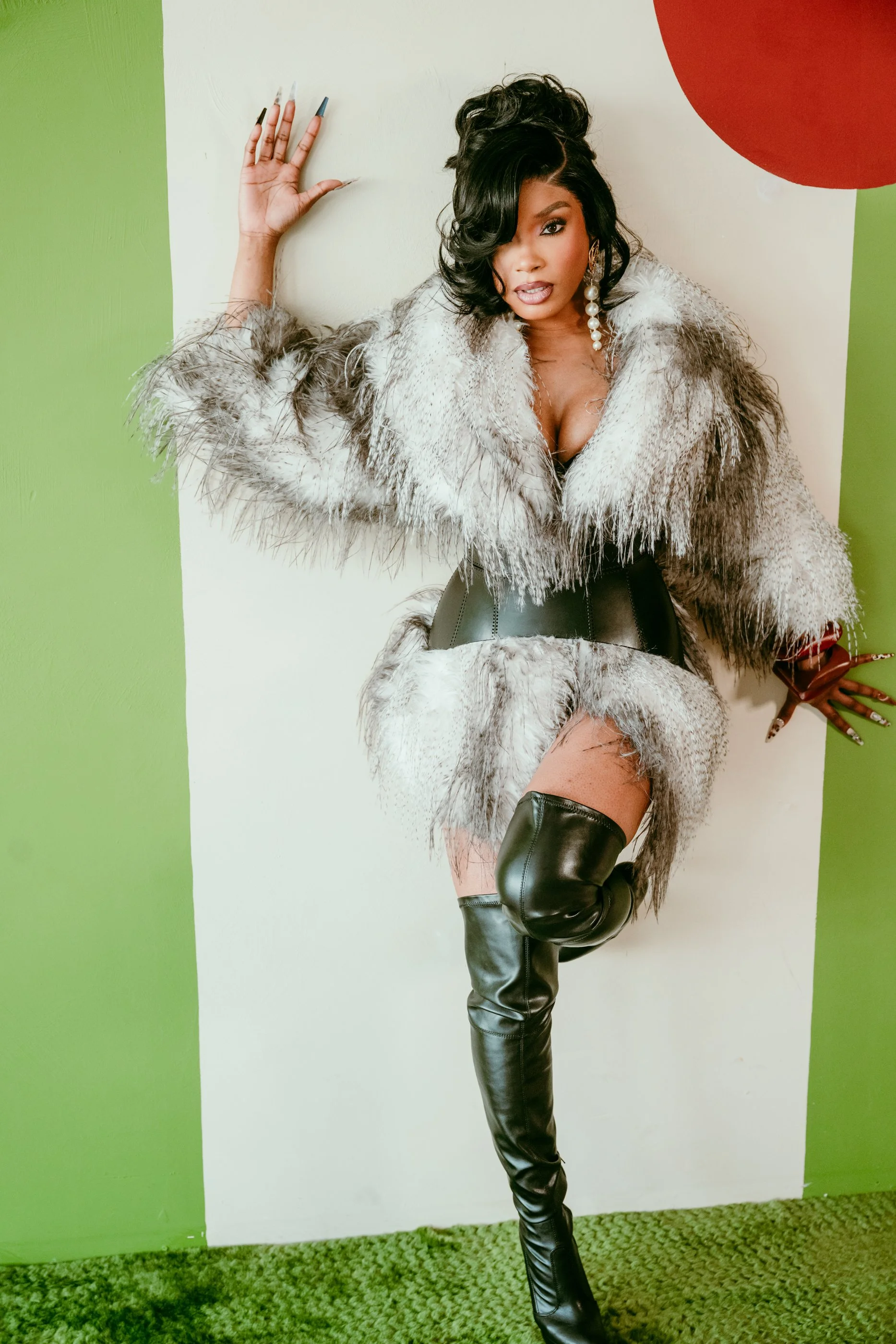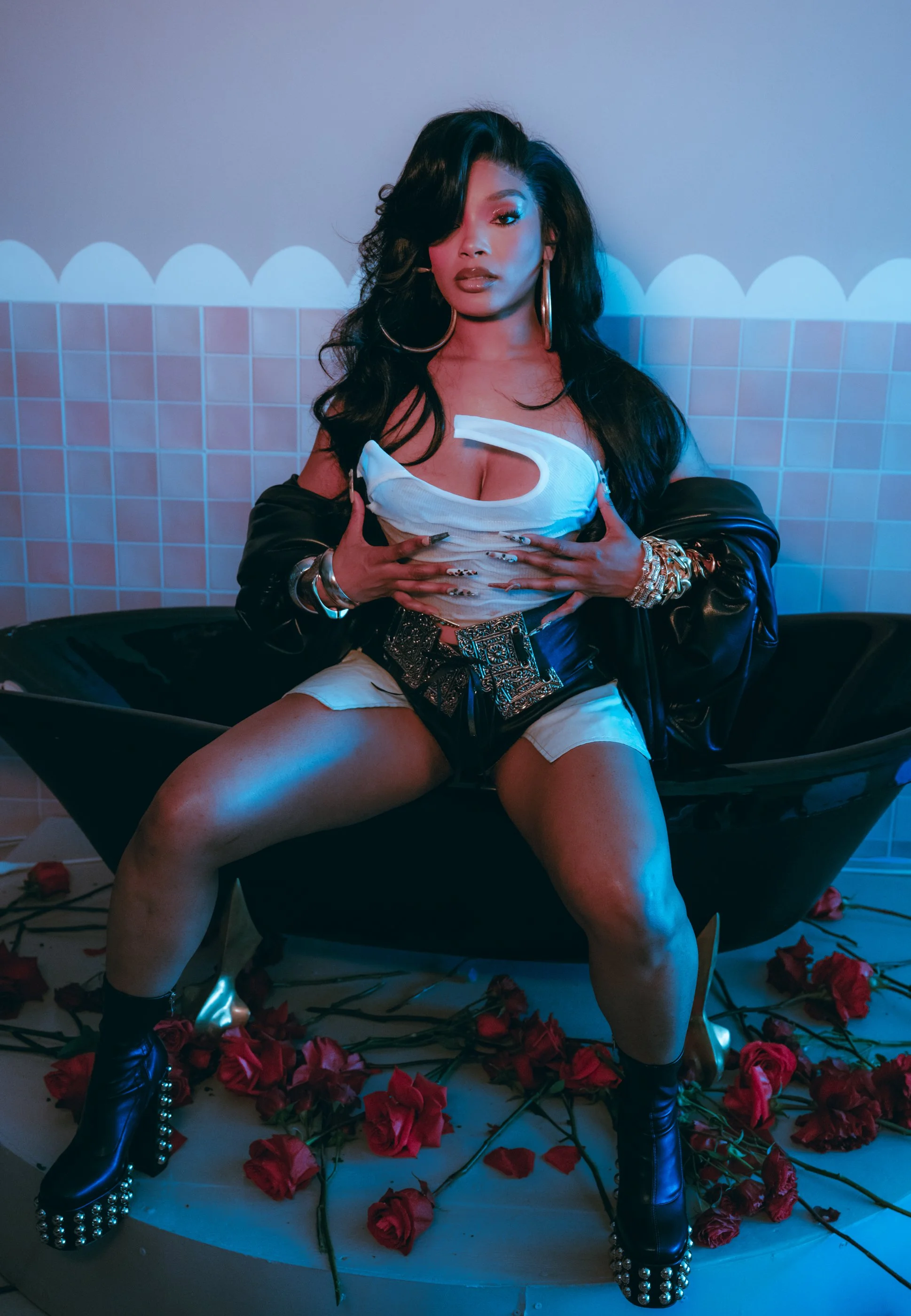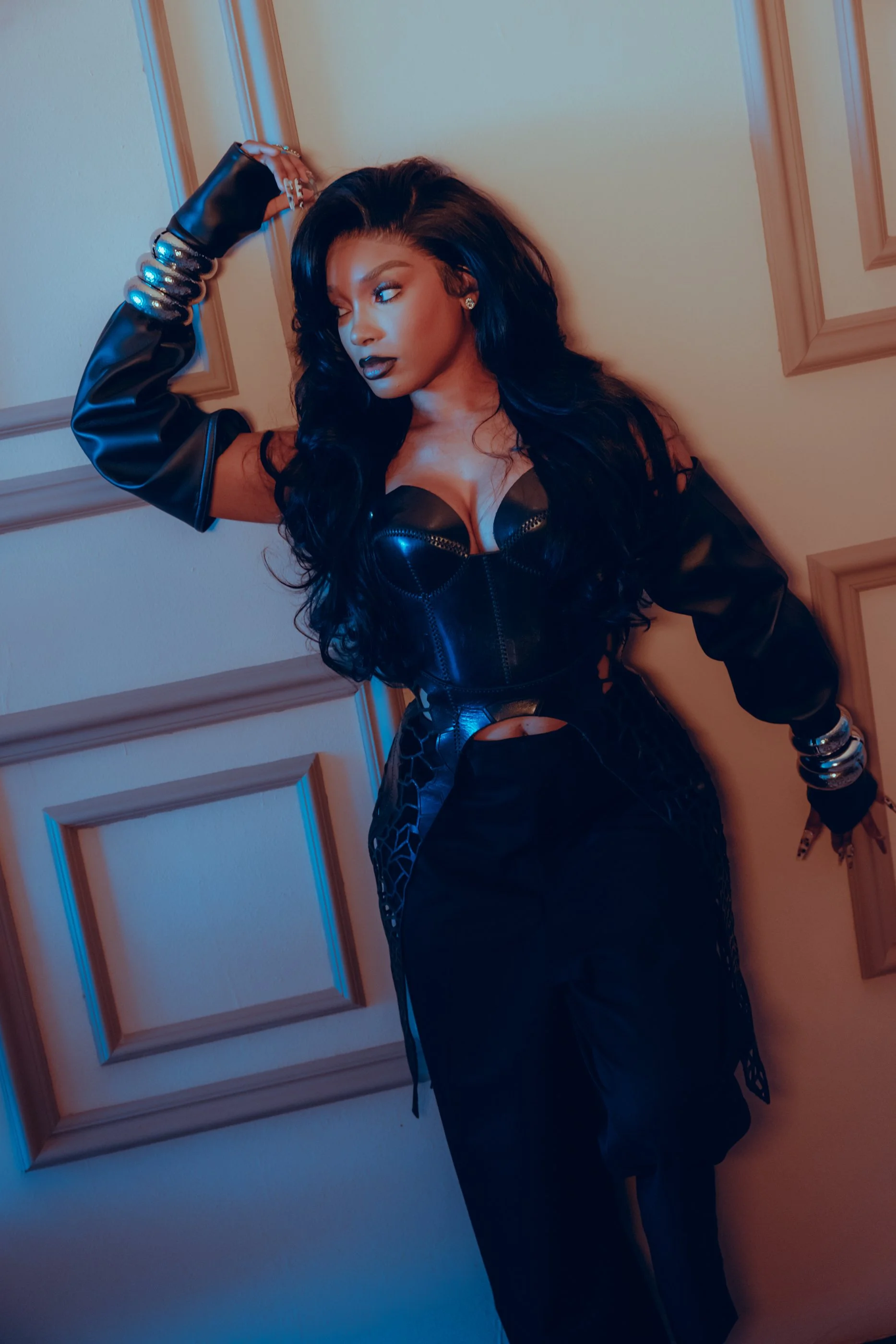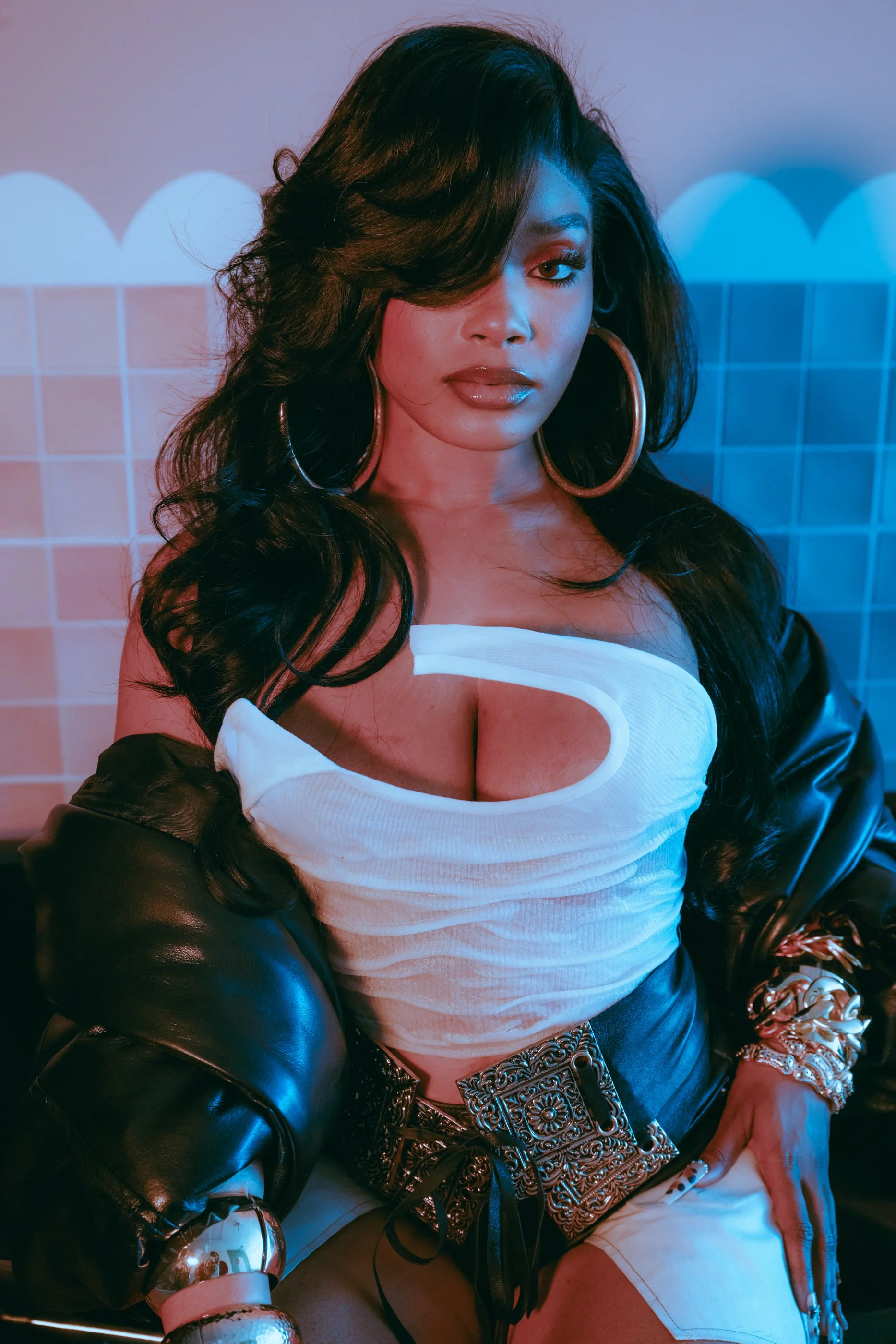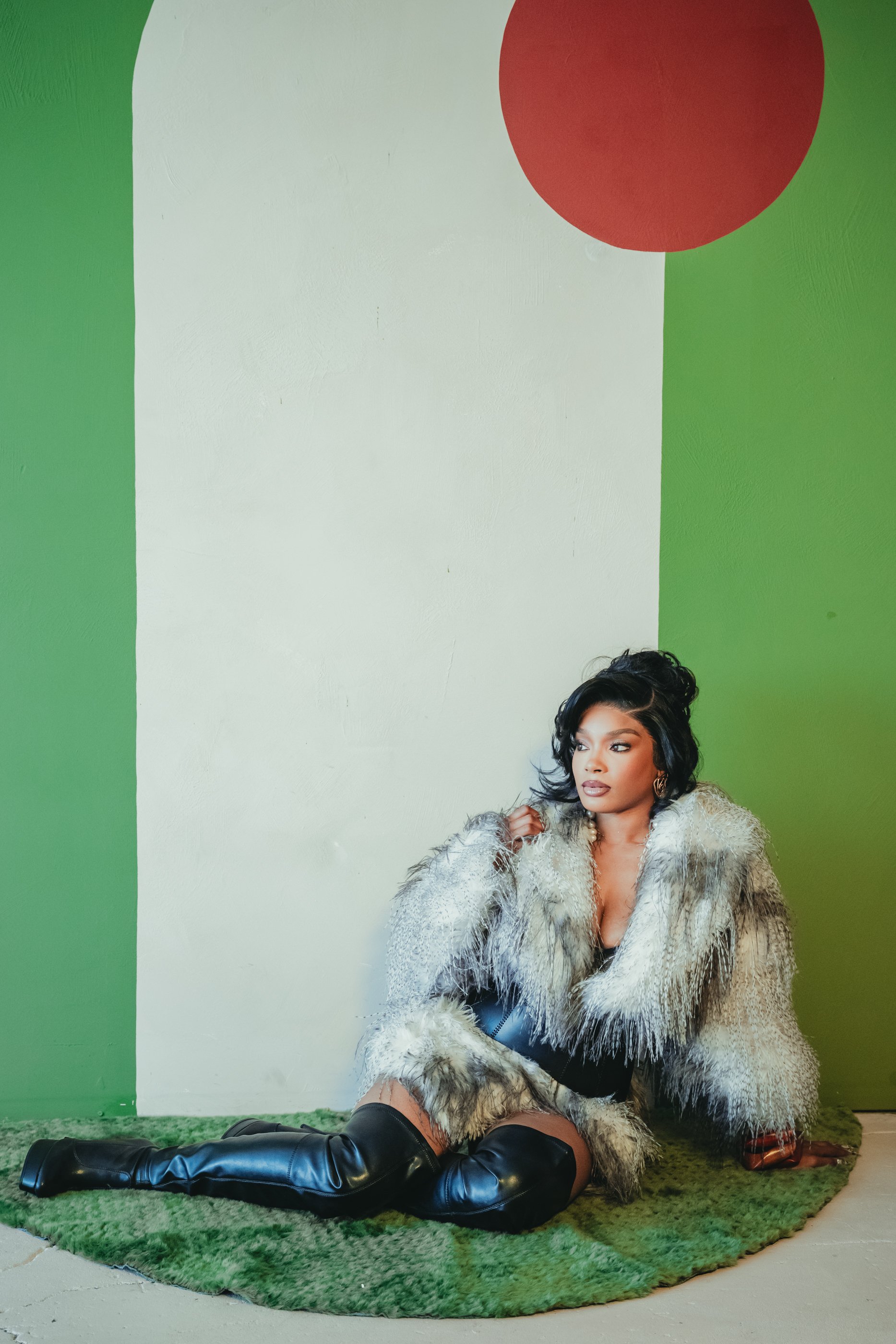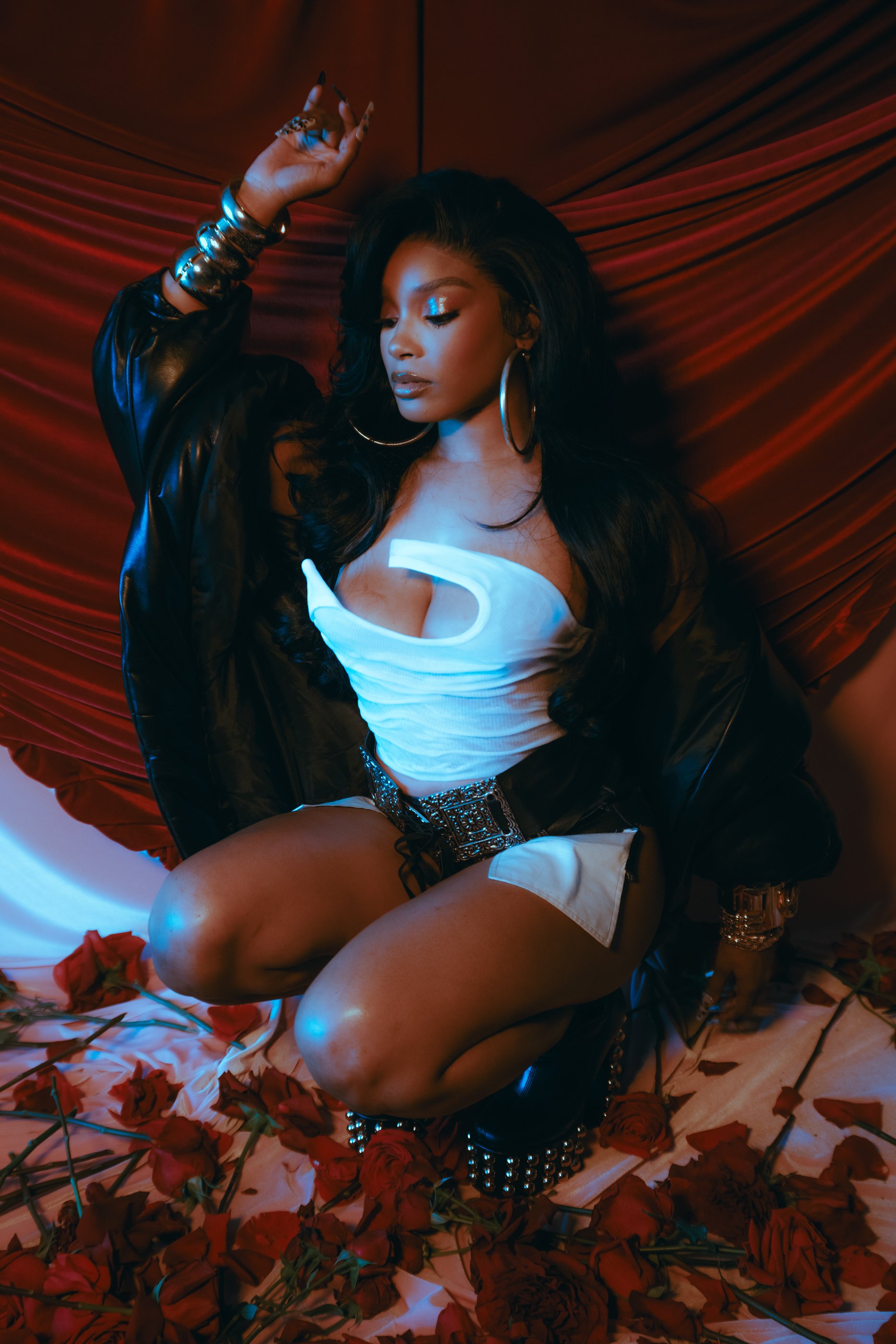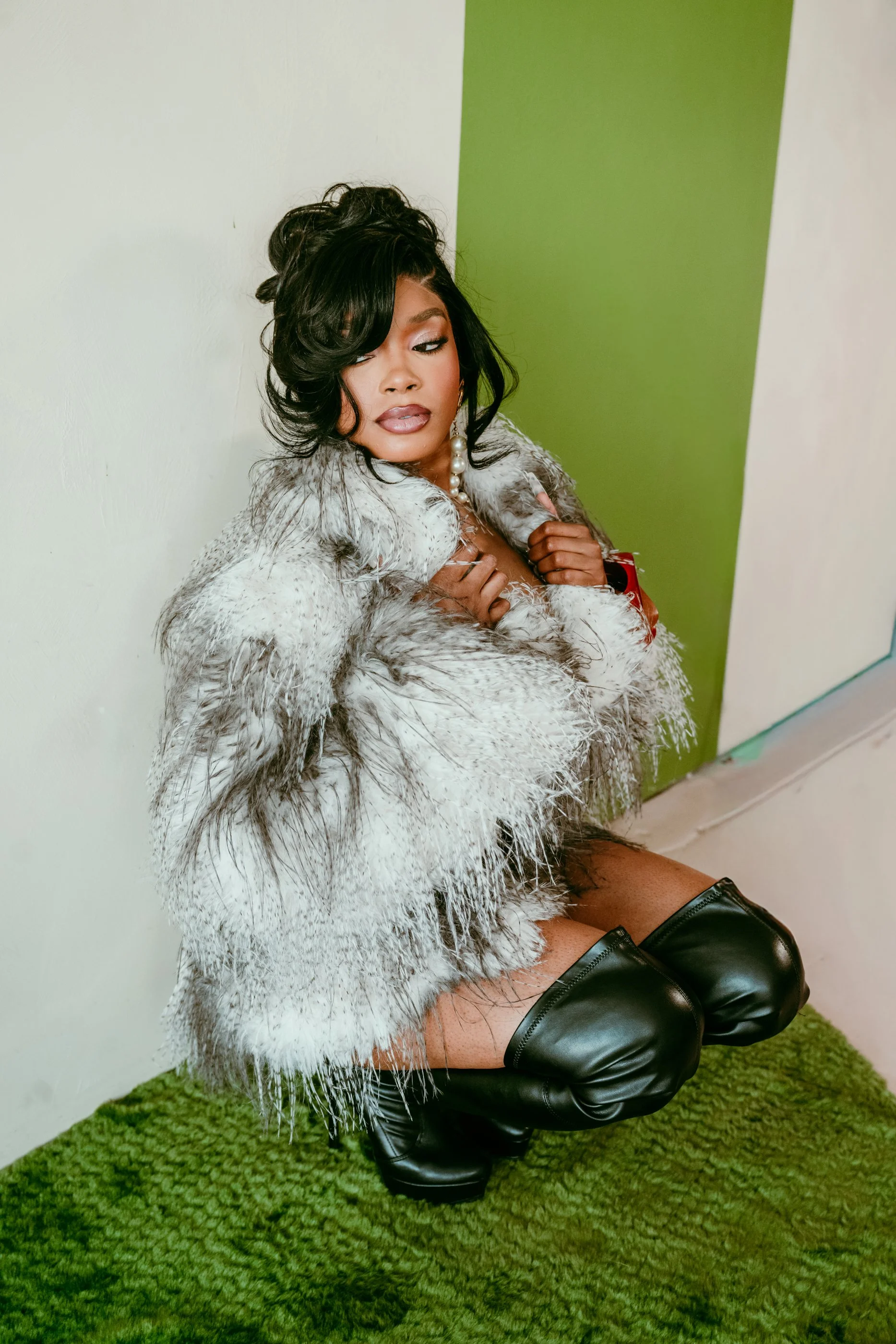
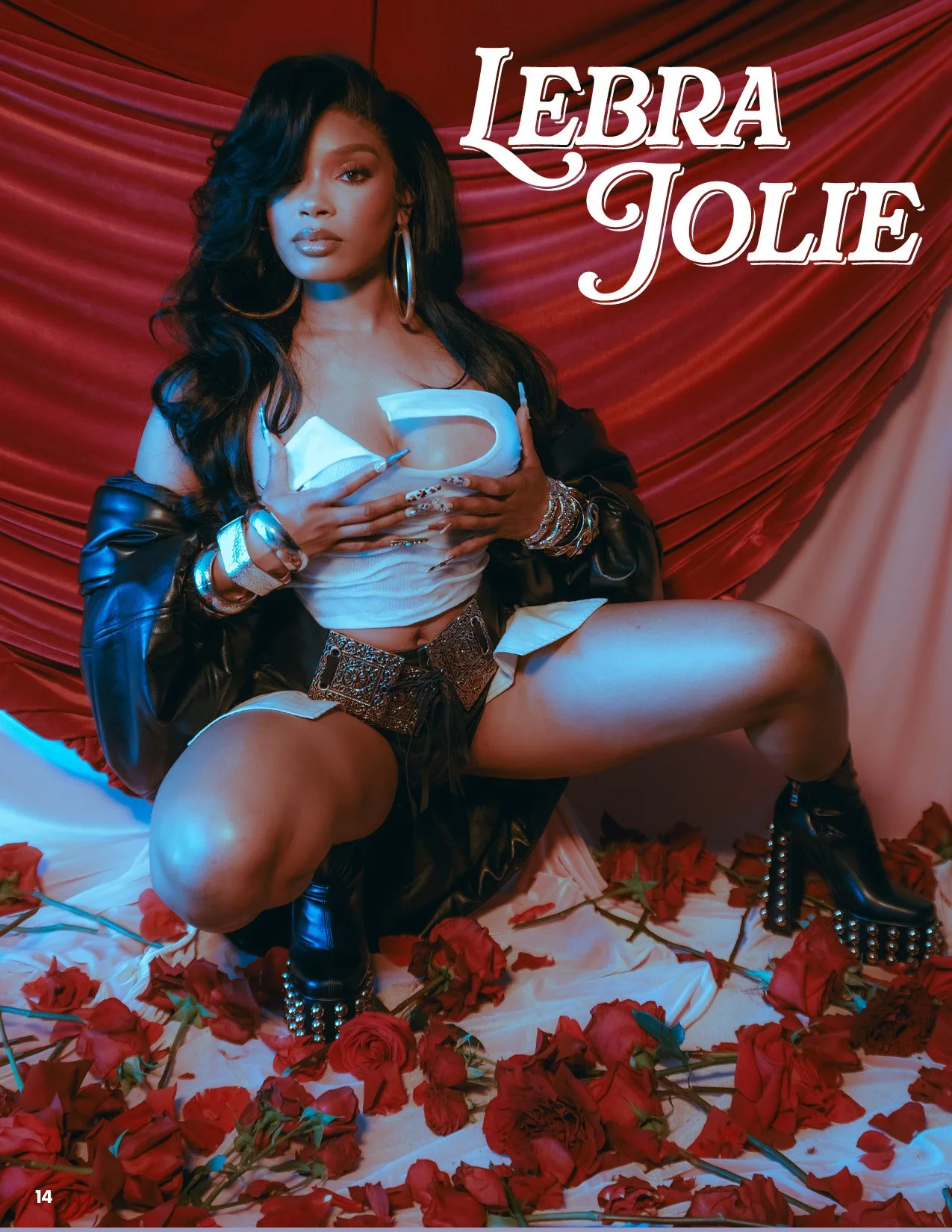
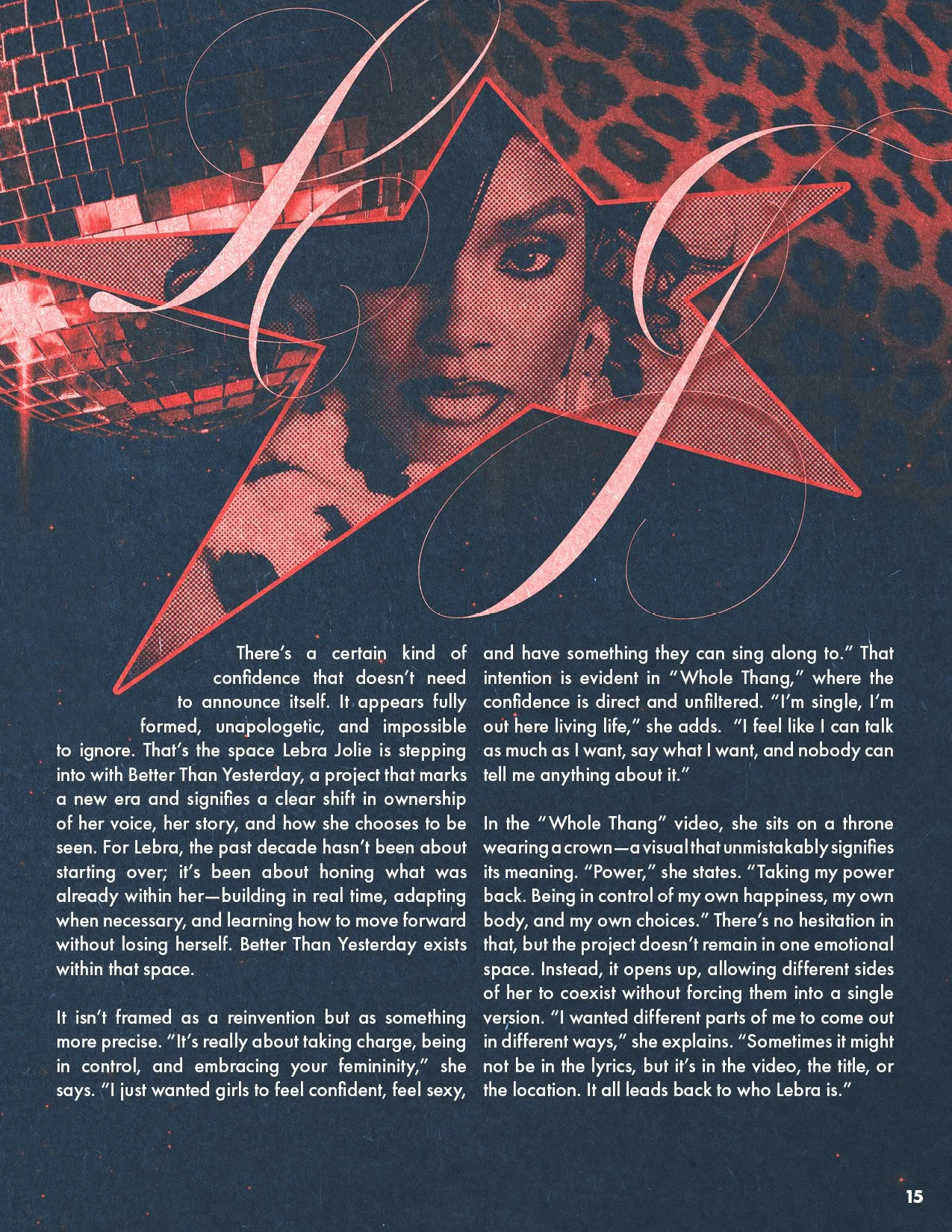
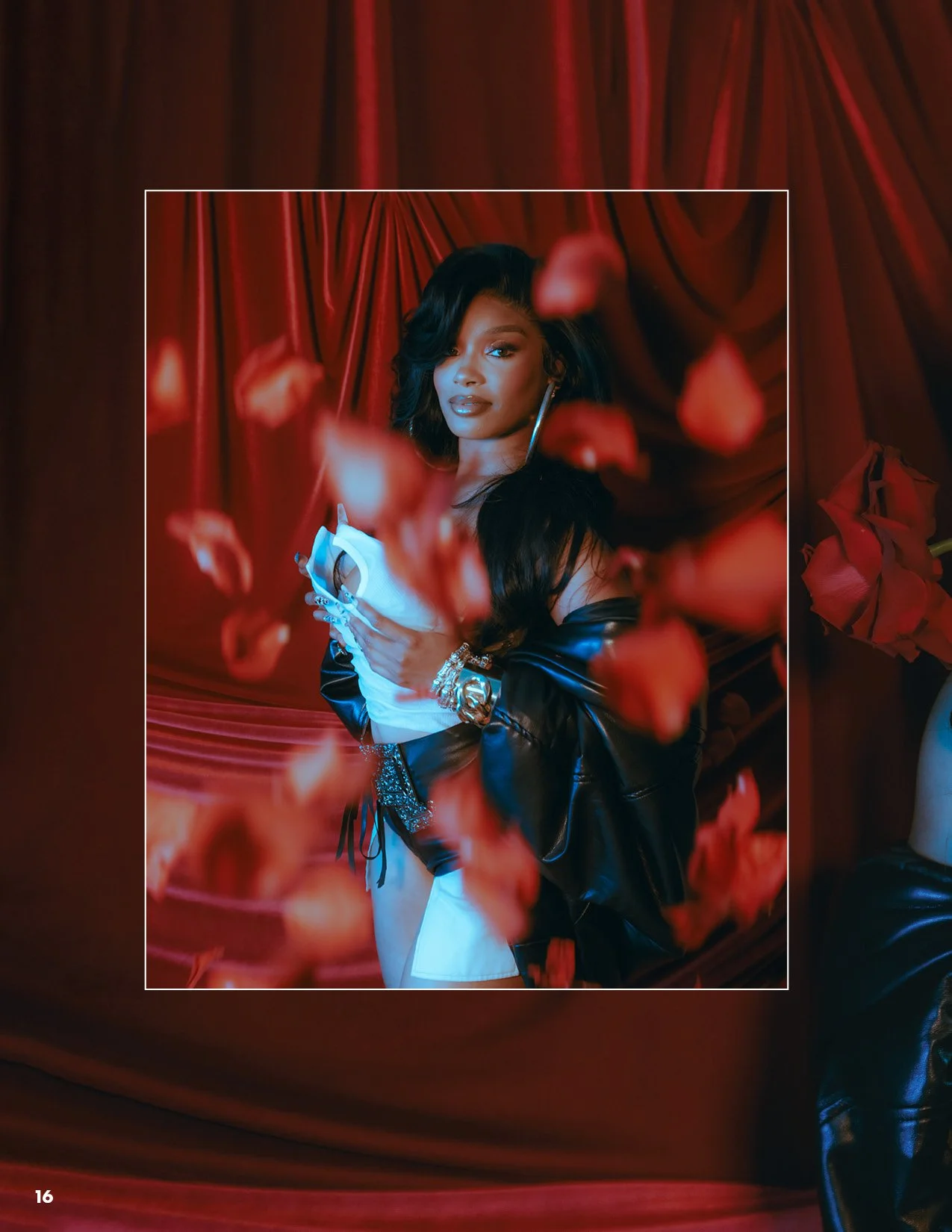
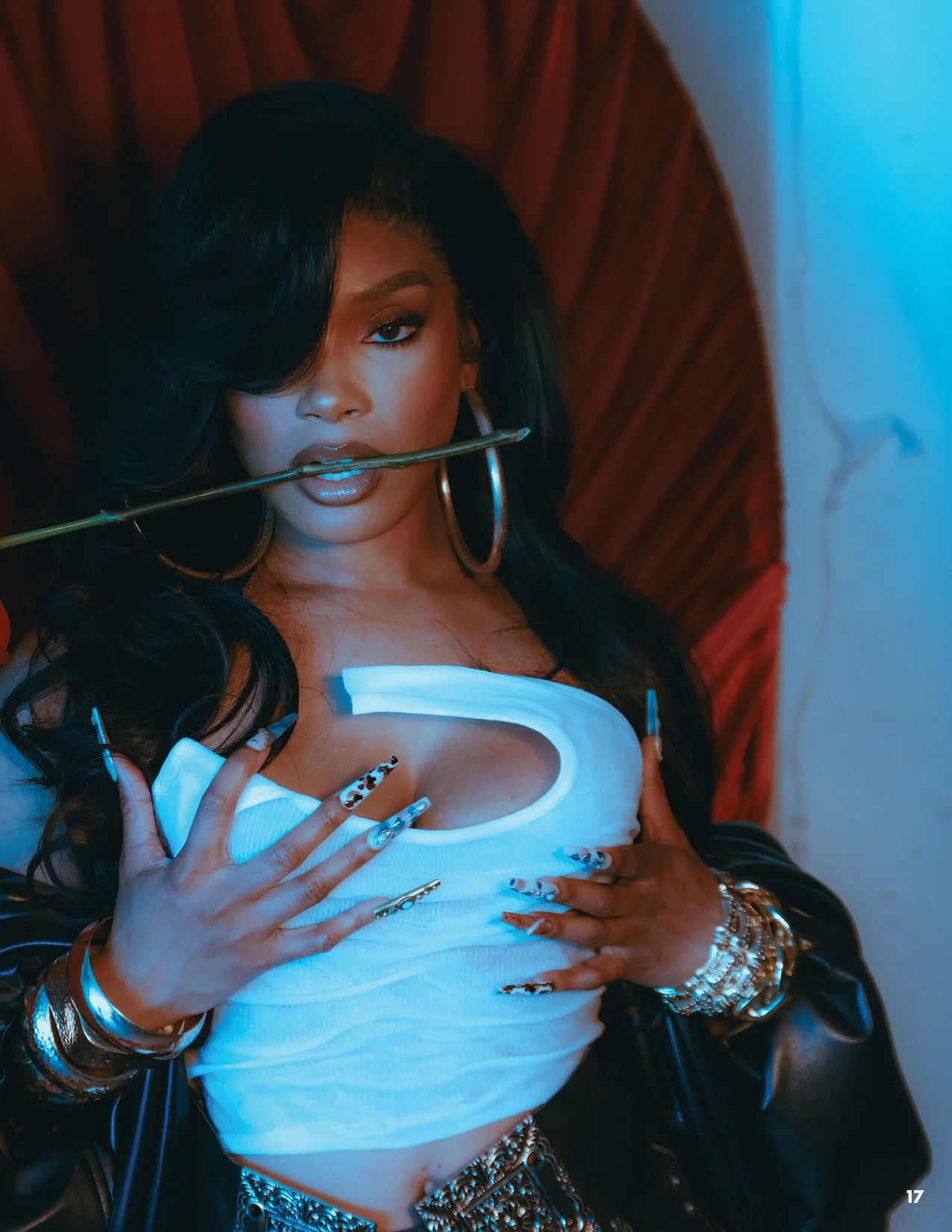
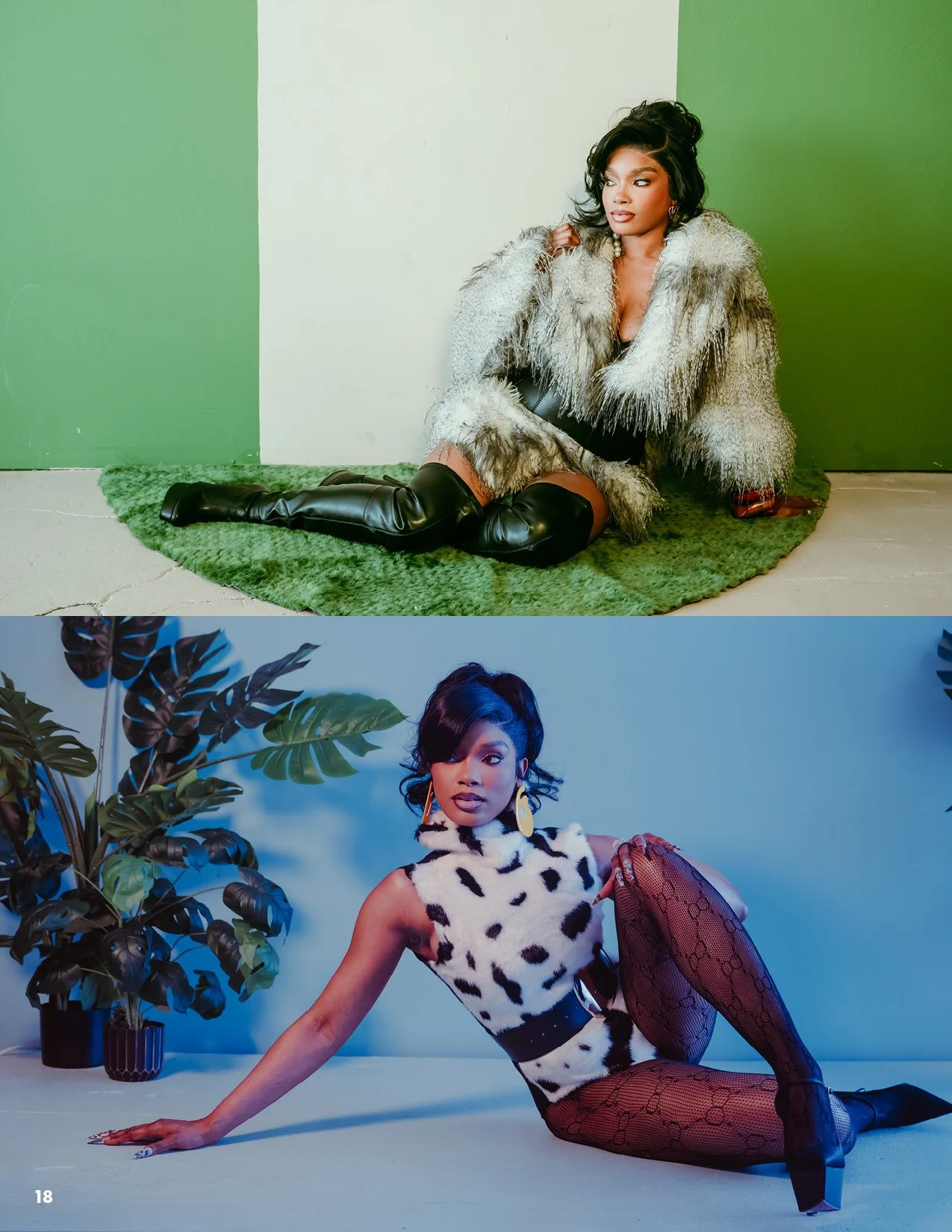
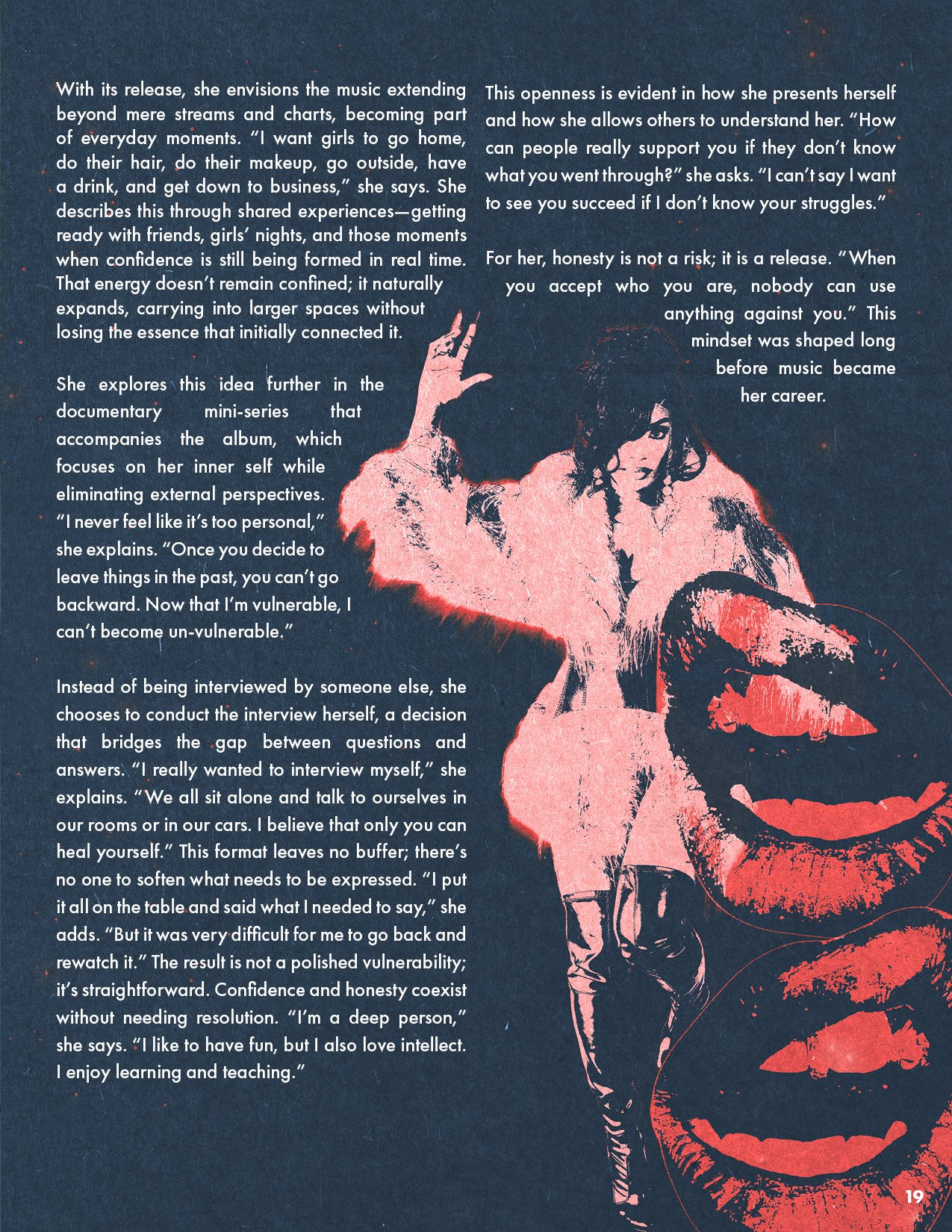
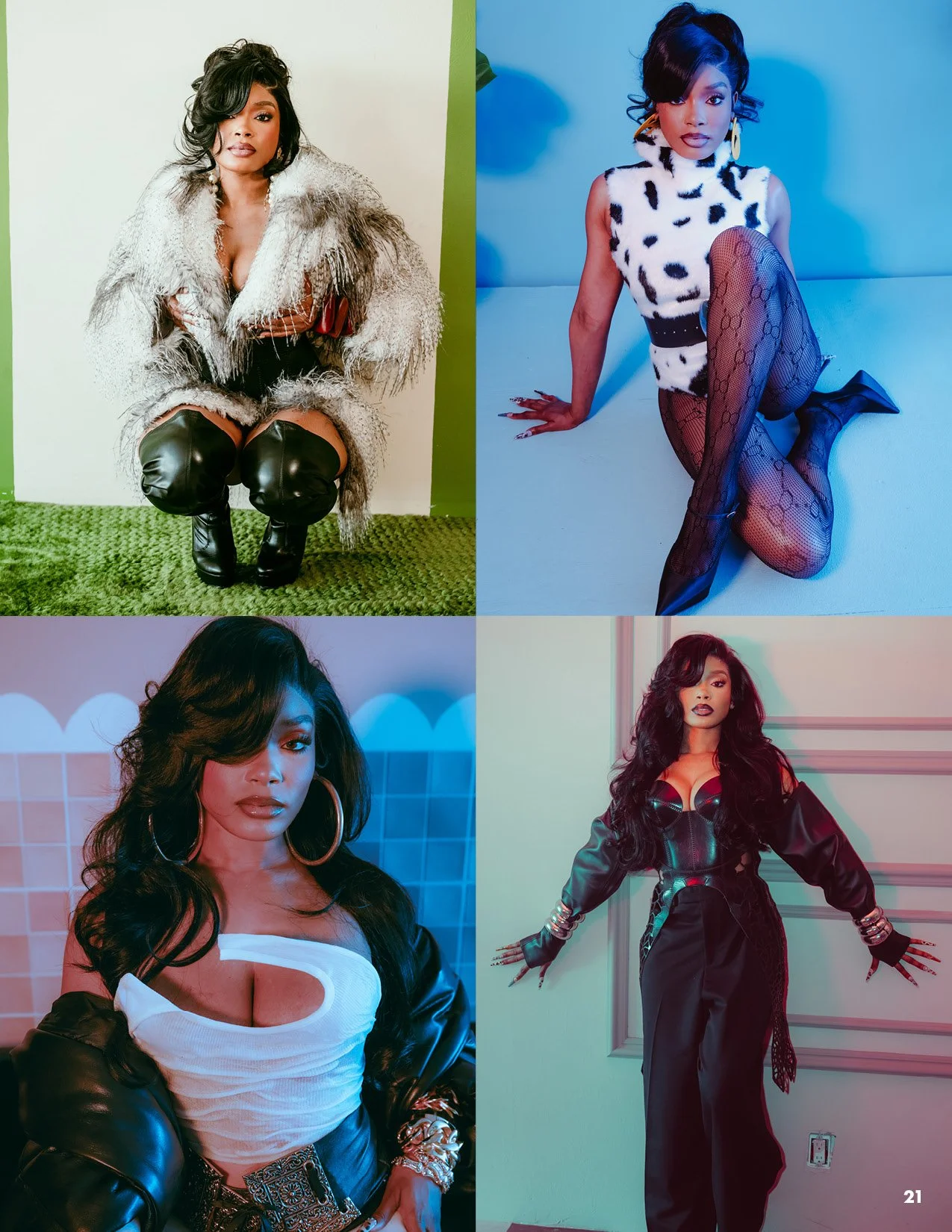
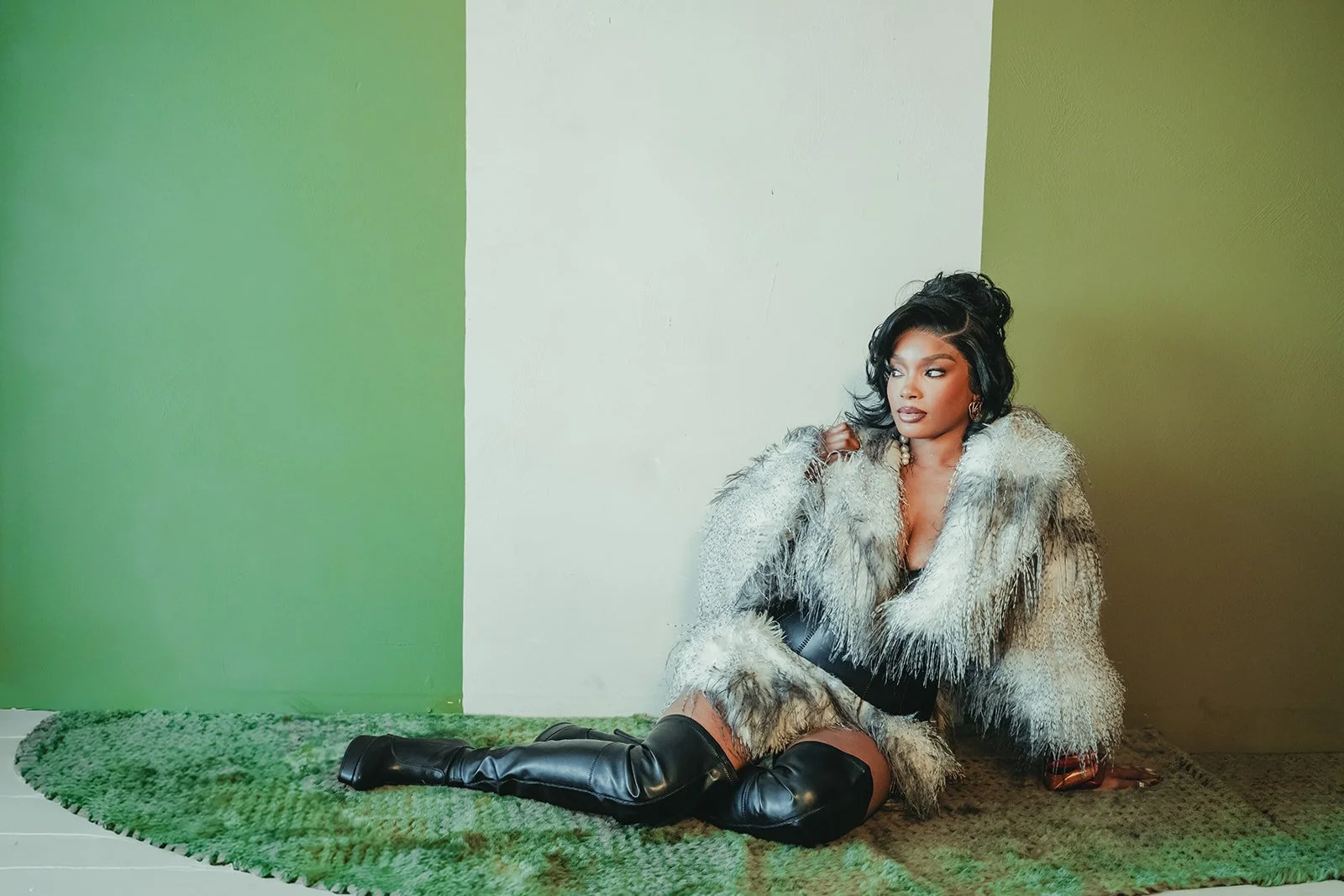
There’s a certain kind of confidence that doesn’t need to announce itself. It appears fully formed, unapologetic, and impossible to ignore. That’s the space Lebra Jolie is stepping into with Better Than Yesterday, a project that marks a new era and signifies a clear shift in ownership of her voice, her story, and how she chooses to be seen. For Lebra, the past decade hasn’t been about starting over; it’s been about honing what was already within her—building in real time, adapting when necessary, and learning how to move forward without losing herself. Better Than Yesterday exists within that space.
It isn’t framed as a reinvention but as something more precise. “It’s really about taking charge, being in control, and embracing your femininity,” she says. “I just wanted girls to feel confident, feel sexy, and have something they can sing along to.” That intention is evident in “Whole Thang,” where the confidence is direct and unfiltered. “I’m single, I’m out here living life,” she adds. “I feel like I can talk as much as I want, say what I want, and nobody can tell me anything about it.”
In the “Whole Thang” video, she sits on a throne wearing a crown—a visual that unmistakably signifies its meaning. “Power,” she states. “Taking my power back. Being in control of my own happiness, my own body, and my own choices.” There’s no hesitation in that, but the project doesn’t remain in one emotional space. Instead, it opens up, allowing different sides of her to coexist without forcing them into a single version. “I wanted different parts of me to come out in different ways,” she explains. “Sometimes it might not be in the lyrics, but it’s in the video, the title, or the location. It all leads back to who Lebra is.”
With its release, she envisions the music extending beyond mere streams and charts, becoming part of everyday moments. “I want girls to go home, do their hair, do their makeup, go outside, have a drink, and get down to business,” she says. She describes this through shared experiences—getting ready with friends, girls’ nights, and those moments when confidence is still being formed in real time. That energy doesn’t remain confined; it naturally expands, carrying into larger spaces without losing the essence that initially connected it.
She explores this idea further in the documentary mini-series that accompanies the album, which focuses on her inner self while eliminating external perspectives. “I never feel like it’s too personal,” she explains. “Once you decide to leave things in the past, you can’t go backward. Now that I’m vulnerable, I can’t become un-vulnerable.”
Instead of being interviewed by someone else, she chooses to conduct the interview herself, a decision that bridges the gap between questions and answers. “I really wanted to interview myself,” she explains. “We all sit alone and talk to ourselves in our rooms or in our cars. I believe that only you can heal yourself.” This format leaves no buffer; there’s no one to soften what needs to be expressed. “I put it all on the table and said what I needed to say,” she adds. “But it was very difficult for me to go back and rewatch it.” The result is not a polished vulnerability; it’s straightforward. Confidence and honesty coexist without needing resolution. “I’m a deep person,” she says. “I like to have fun, but I also love intellect. I enjoy learning and teaching.”
This openness is evident in how she presents herself and how she allows others to understand her. “How can people really support you if they don’t know what you went through?” she asks. “I can’t say I want to see you succeed if I don’t know your struggles.” For her, honesty is not a risk; it is a release. “When you accept who you are, nobody can use anything against you.” This mindset was shaped long before music became her career. “If they cut off your electricity, you adapt. If they cut off your water, you adapt,” she says. “That made me into a strong person.” It influenced how she navigated the years when progress felt inconsistent. “There’s no need to have a Plan B,” she asserts. “It only distracts you from your Plan A.” Instead, she persevered. “When things went wrong, I had to return to myself—cry about it, and then go record.”
Almost a decade into her career, her definition of success has changed. While her goals remain, they have transformed. "Success, to me, is about how I feel on any given day or over a year. When I reflect on my journey, I realize that I am successful. It's important to continue striving for more, but don’t forget that simply showing up is an achievement in itself. Everything I said I would do, I did it.”
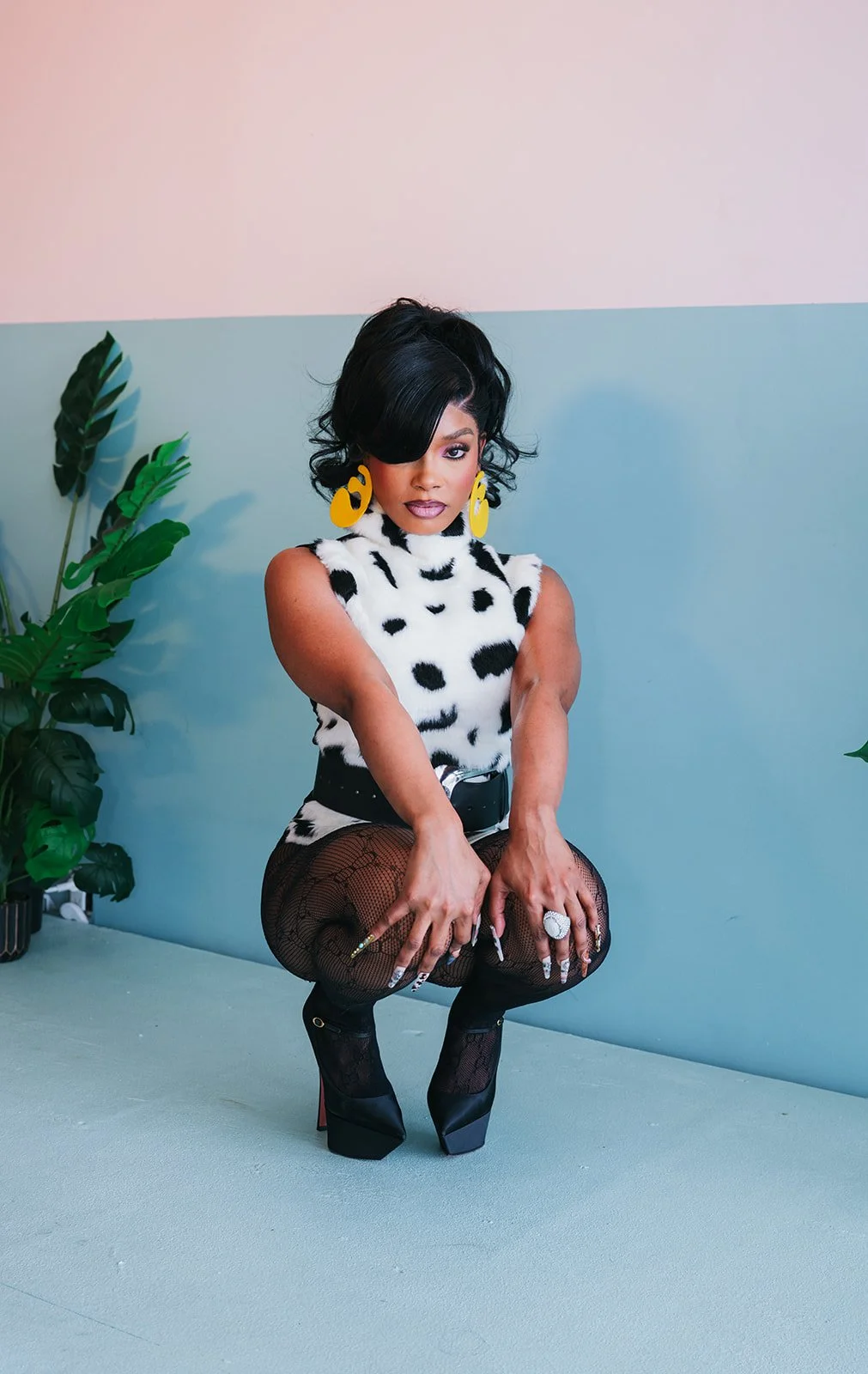
Interview and Photography: Heather Koepp @heather.rival
Creative Direction/Wardrobe Styling: Oththan Burnside @otheezycreatedit
Hair Stylist: Kalief Wolfe @Kalief_w
Makeup Artist: Tyshala Wright @tyshalamakeup