
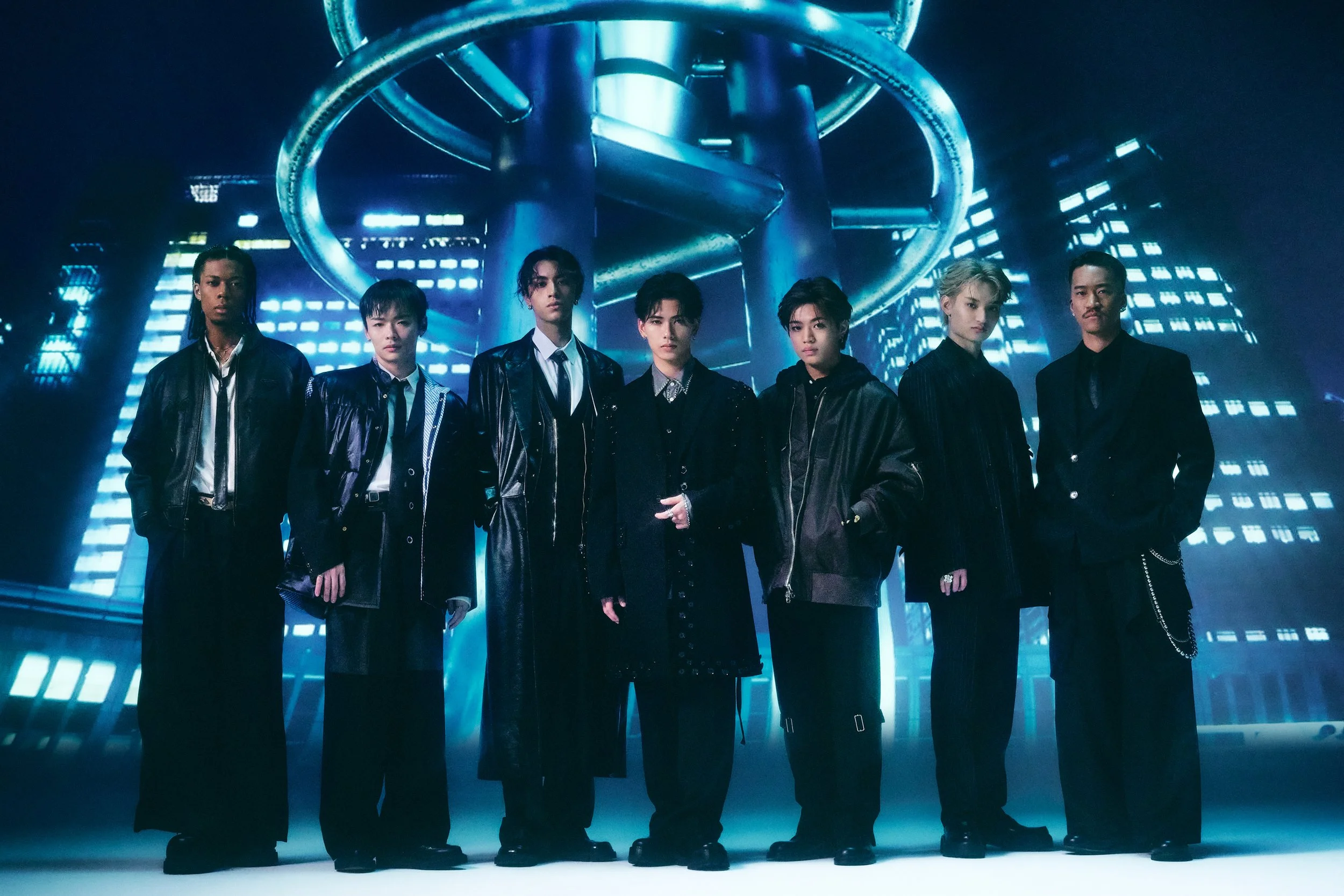
PSYCHIC FEVER’s world is built on motion. The seven-member collective has spent the past year weaving through Japan, across Asia, and into the United States, shaping a performance identity that thrives on contrast. In their latest releases, that contrast takes cinematic form. The group moves between a red-lit temple in “SWISH DAT” and the futuristic openness of“Reflection,” two visual universes that reveal both the foundation they stand on and the evolution pulling them forward. “Reflection expresses a freer, more futuristic space, showingnew sides of us and our growth,” RYOGA explains. “SWISH DAT centers on the beauty andstrength of Japan, blending traditional and street elements. Both works symbolize PSYCHICFEVER’s roots and evolution, which are essential parts of our identity.”That duality extends into the sound itself. “SWISH DAT,” created as a tie-in with the action-driven drama Masked NINJA Akakage, leans into a darker hip-hop edge. JIMMY describes the timing as deliberate.
“We wanted a sound that would match the drama’s intense and fast-pacedninja battles. Hip hop’s energy and rhythm were the perfect way to bring that tension and excitement to life, while also blending traditional Japanese elements to stay true to the show’s atmosphere. ”
Those genre boundaries have always been flexible for PSYCHIC FEVER, but the thread thatbinds their catalog is instinctual. KOKORO points to their signature blend of J-hip hop as the clearest marker of their identity. “Evenin tracks like ‘Just Like Dat’ or ‘Love Fire,’ listeners can feel R&B and hip hop within the pop elements.” For WEESA, that fluidity comes from intentionrather than formula. “We challenge ourselves across various genres while keeping an R&B base. I hope that within our music, there are songs that fans will fall in love with.”
Behind every stylistic pivot is a shared methodrooted in their EXILE TRIBE training. Before anyarrangement, choreography, or visual direction is settled, the members return to purpose. “When creating a song, we first confirm the message we want to convey, then consider how to make each member’s individuality shine,” RYOGA says. “Our uniqueness emerges when everyone’s voice and energy naturally blend.” It is the same principle that guides their rehearsals, tours, and day-to-day communication. Lower-body strength training anchors TSURUGI’s preparation, while group gym sessions on the road keep the team centered.
Performance, as they see it, begins long before stepping on stage. Touring internationally has sharpened that internal chemistry. The excitement of new citiescomes with new challenges, but those challenges have deepened their trust. “Overseas, we’ve experienced many moments of coming together despite cultural and value differences,” RYOGAsays. “Even when opinions differ, we’ve learned the importance of understanding each other as we move forward together,” RYUSHIN adds that staying grounded has become part of theirstrength. “No matter where we go, it’s important to stay naturally ourselves. I think our strengthcomes from the atmosphere we create when we’re being ourselves.”
Performing for audiences across languages has also changed the way they think about connection. REN focuses on expression over translation. “During performances, “When I sing, I focus on emotion and facial expression”. WEESA believes that music already does most of the work. “Music can transcend language, so I focus on expressing that through our performances.” Still, intentional adjustments vary by country. Setlists shift. Song intervals tighten. Banters are rehearsed in local languages. “We always keep the fans’ perspective in mind, ”TSURUGI says. REN expands on that adaptability. “Depending on the country, we may do stage banter in the local language or adjust the setlist to hit the points that excite the audience. We prepare carefully to give the best possible performance each time.”
The result is a live experience defined by clarity and force. Ask the group what they want first-time audiences to notice, and the answer arrives instantly. “The energy of our live performance,” JIMMY says. “Since all of us come from a dance background, our performance energy is very high.” REN, whose role has expanded from rapper to vocalist, approaches each moment of the stage with fluid intent. “When I rap, I change the mood compared to when I sing. When I sing, I focus on expression and facial emotion. For dance, I always perform with maximum energy.” That versatility appears again in their evolving musical roles. REN sees his expanding responsibilities as a challenge he welcomes. “I started mainly as a rapper, but now I also take on vocal parts. I still have a long way to go, but I want to be someone who can support the teams as a PSYCHIC FEVER vocalist.”
RYUSHIN reflects on how the group has grown into their differences rather than smoothing them out. “When we first formed, the seven of us had very different looks and styles, and we tried to unify them. After traveling to many countries, our diversity has become a strength, and our style has been established.” Stylistically, the next chapter remains tightly guarded, though ideas are already in motion. “Centered on hip hop and R&B, we already have many ideas, but to deliver them in the best possible way, we’re keeping them a secret for now,” JIMMY says with a grin. WEESA hints that fashion will continue to be a point of experimentation. “Since each member has a unique personality, I want to try outfits that reflect each individual concept.”

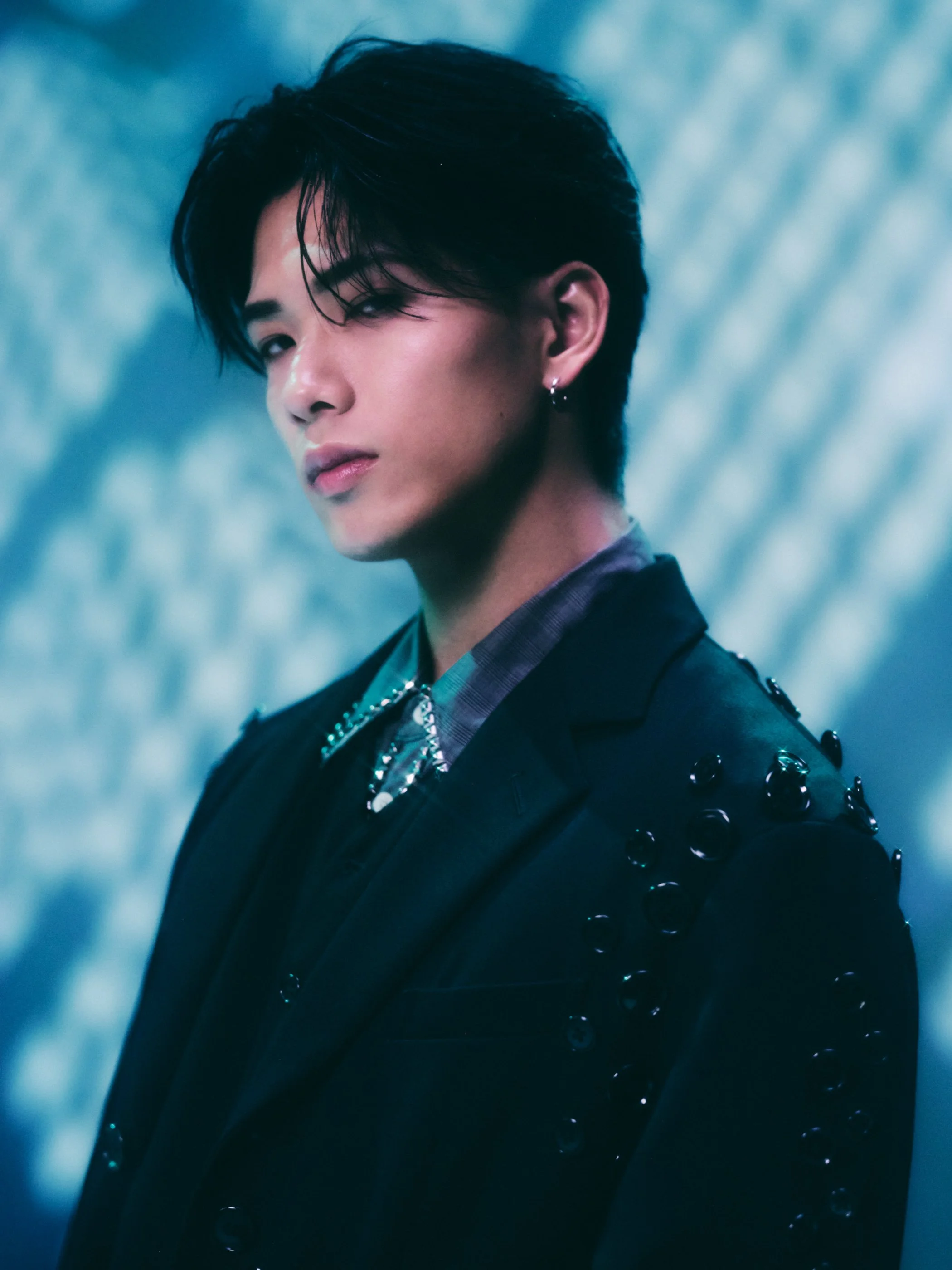
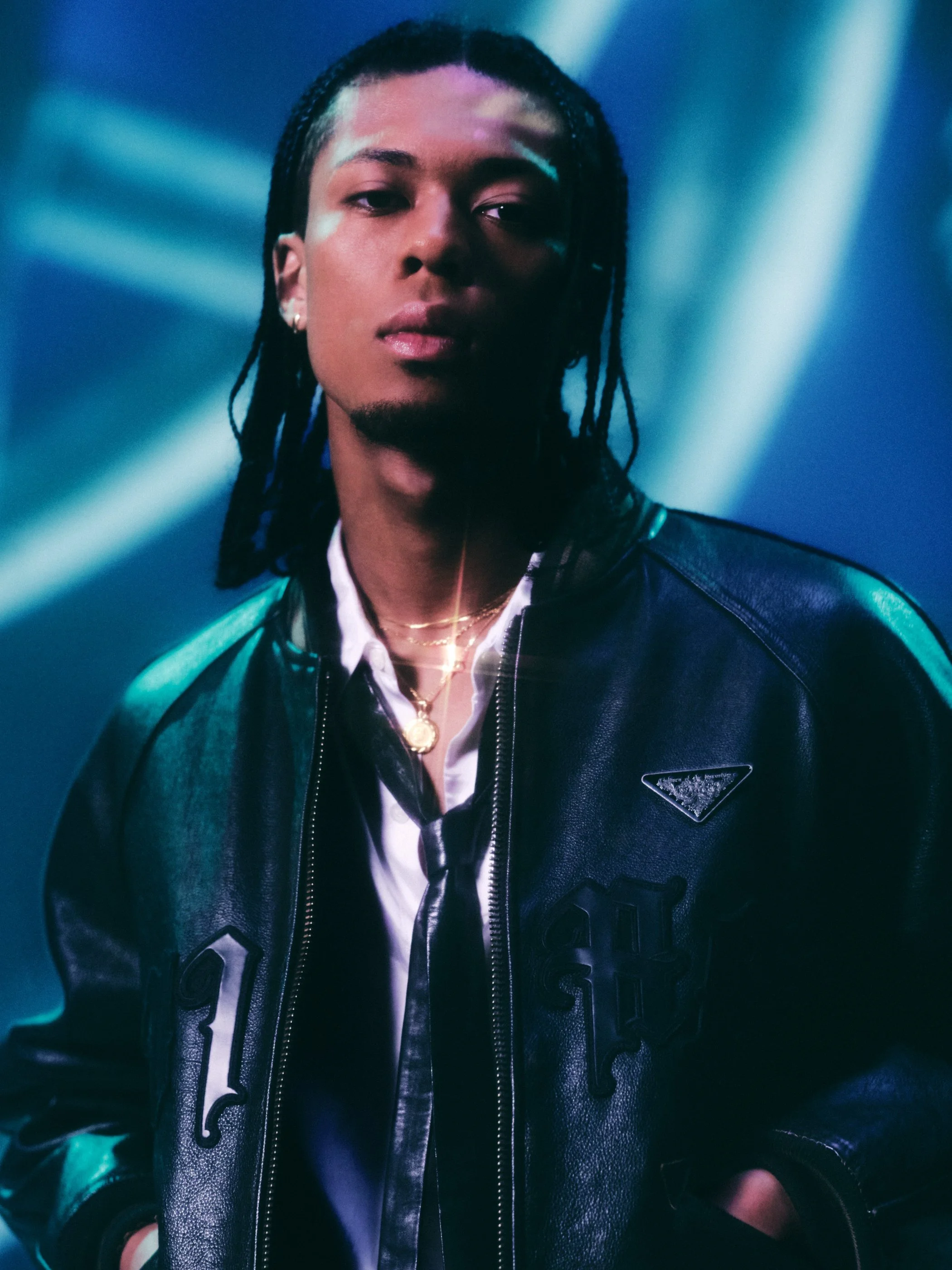
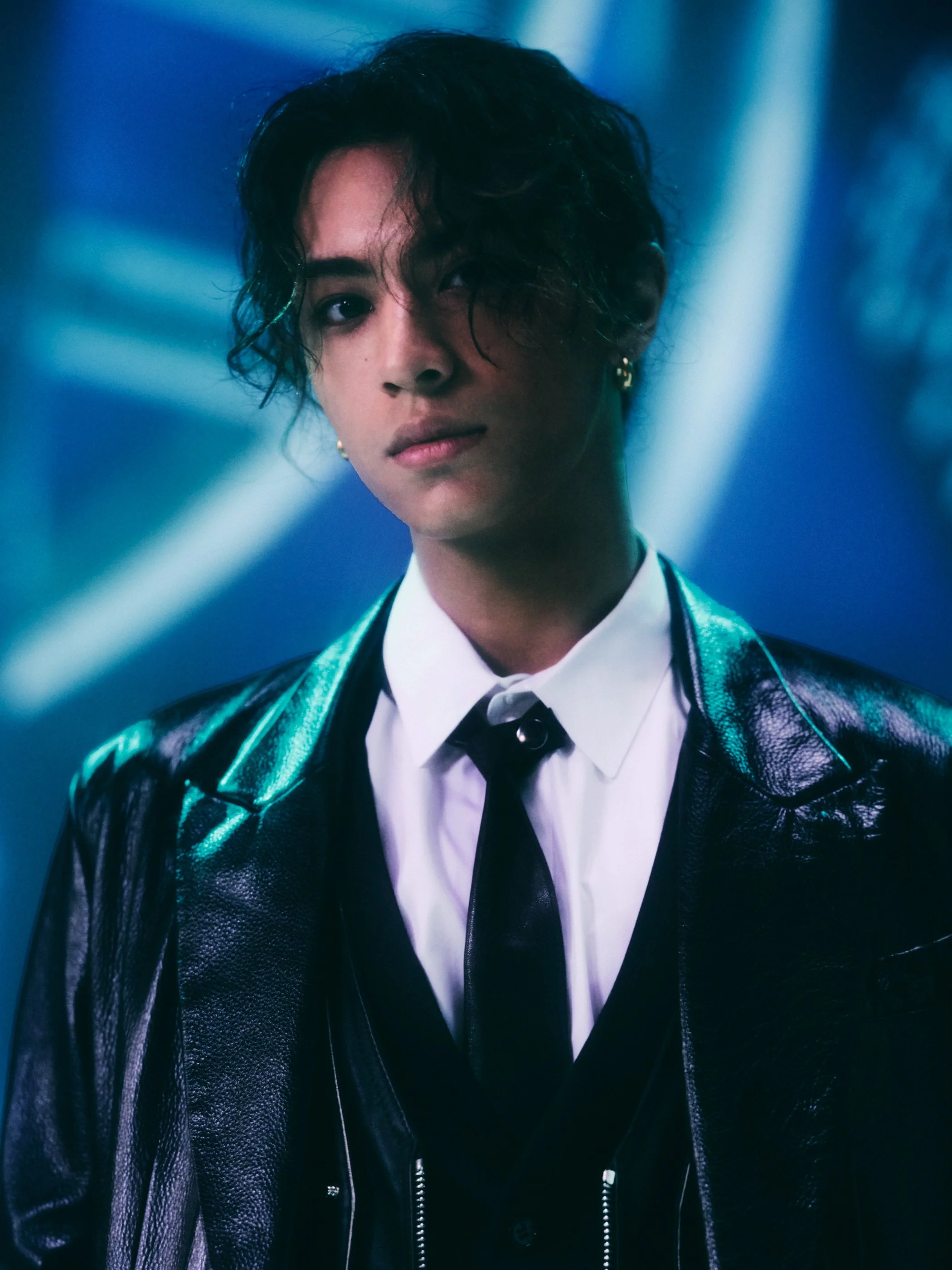
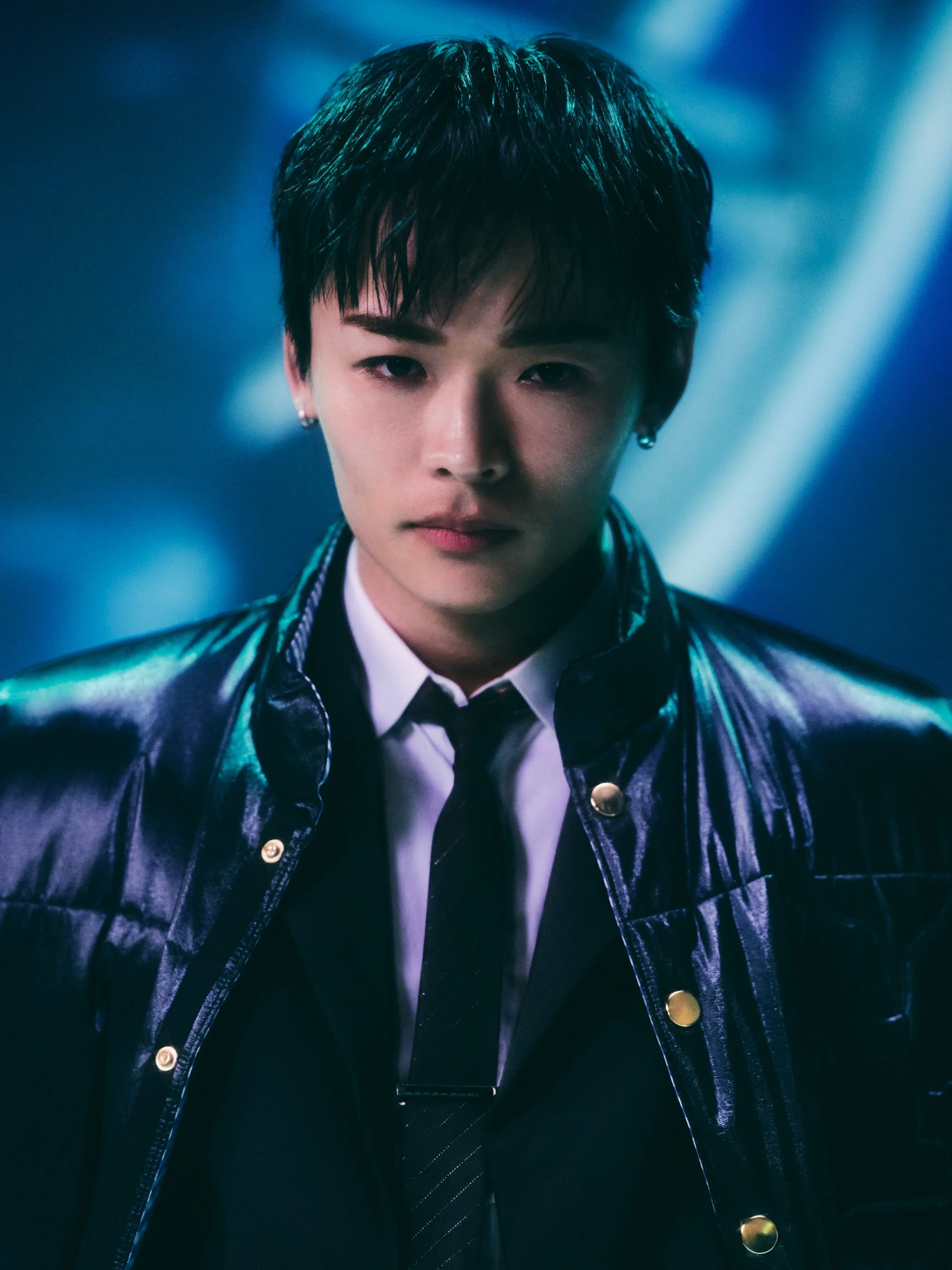
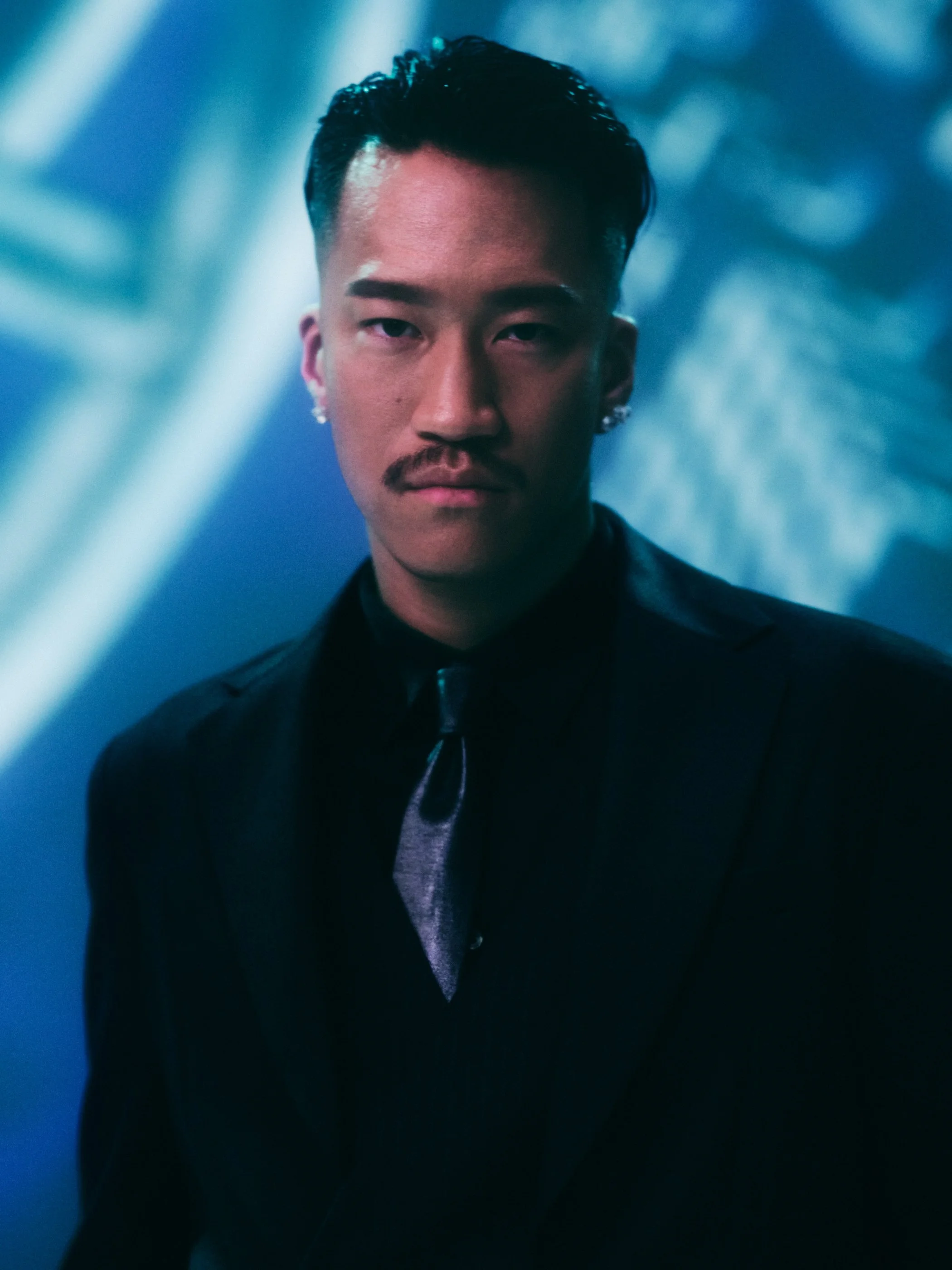
The group’s global vision is equally ambitious. Brazil, South America, Italy, Nigeria, and the Philippines appear repeatedly as places they hope to reach next. Some choices come from cultural curiosity, others from personal ties. “I want to perform in Nigeria, where my roots are,” JIMMY shares. For REN, Brazil sits at the top of the list. “I want to feel the music there and learn which of our songs fit best in that atmosphere.” TSURUGI wants to return to every country they visited this year before adding new ones to the list. RYOGA frames their touring goals around connection. “There are still many countries we haven’t been to yet, and I want to expand the moments where we can connect through music, even if we don’t speak the same language. ”Across the group, the next phase is defined by intention rather than reinvention. “We want to show fans music and entertainment that is true to ourselves,” KOKORO says. "While showcasing the unique qualities of each of the seven members, we also want to express the power of our chemistry as a group.”
Offstage, that individuality is already visible. As the melodic anchor, KOKORO approaches vocals with precision. He begins by shaping a song’s internal image before layering tone andcontrol. “From practice, I always imagine performing live while singing and dancing. If my voice wavers, I analyze why and how to prevent it.” WEESA, whose styling often becomes a visual hallmark of each era, leans on personal taste to guide his approach. “I just try to pursue the things and styles I personally like. I always stick to the style I want. At the time, it reflects what I’m into, my feelings, and other influences.”
Leadership manifests quietly across the team. TSURUGI maintains equilibrium through focus. “I focus solely on entertaining the fans. Nothing else. Just that.” REN relies on lyrics as agrounding point. “I place great importance on the words, reading them carefully so I can deliver the emotion fully during recording.” RYOGA believes communication is maintained through simplicity. “Greeting each other properly and saying ‘thank you’ or ‘good job’ completely changes the atmosphere.” Before major shows, he ensures the entire team checks formations, banters, and direction together. “We never skip sharing and checking.” Styling and presence are central to JIMMY’s role. His approach remains concept-first. “It is whether the look matches the concept and vibe of the song. Hip hop and R&B have their ownhistory and trends, so I focus on styling that fits our music and makes PSYCHIC FEVER lookcool.”
On stage, that intention becomes structure. “I focus on engaging each audience individually. I concentrate on energizing the audience from front to back, one person at a time, so the energy spreads naturally.” And in the background, shaping the roomin ways both subtle and essential, is RYUSHIN. “We are really close as a group, so just spending time talking and laughing together is important. It isnot something you can force, but keeping energy high naturally in daily interactions helps usmaintain it during performances.”
PSYCHIC FEVER enters 2026 with a clearer sense of identity than ever. Their evolution has notcome from leaving tradition behind, but from finding harmony between their roots and their global ambitions. With new music forming and new cities waiting, the group moves forward thesame way they perform on stage: tightly aligned, constantly adapting, and always in motion.