
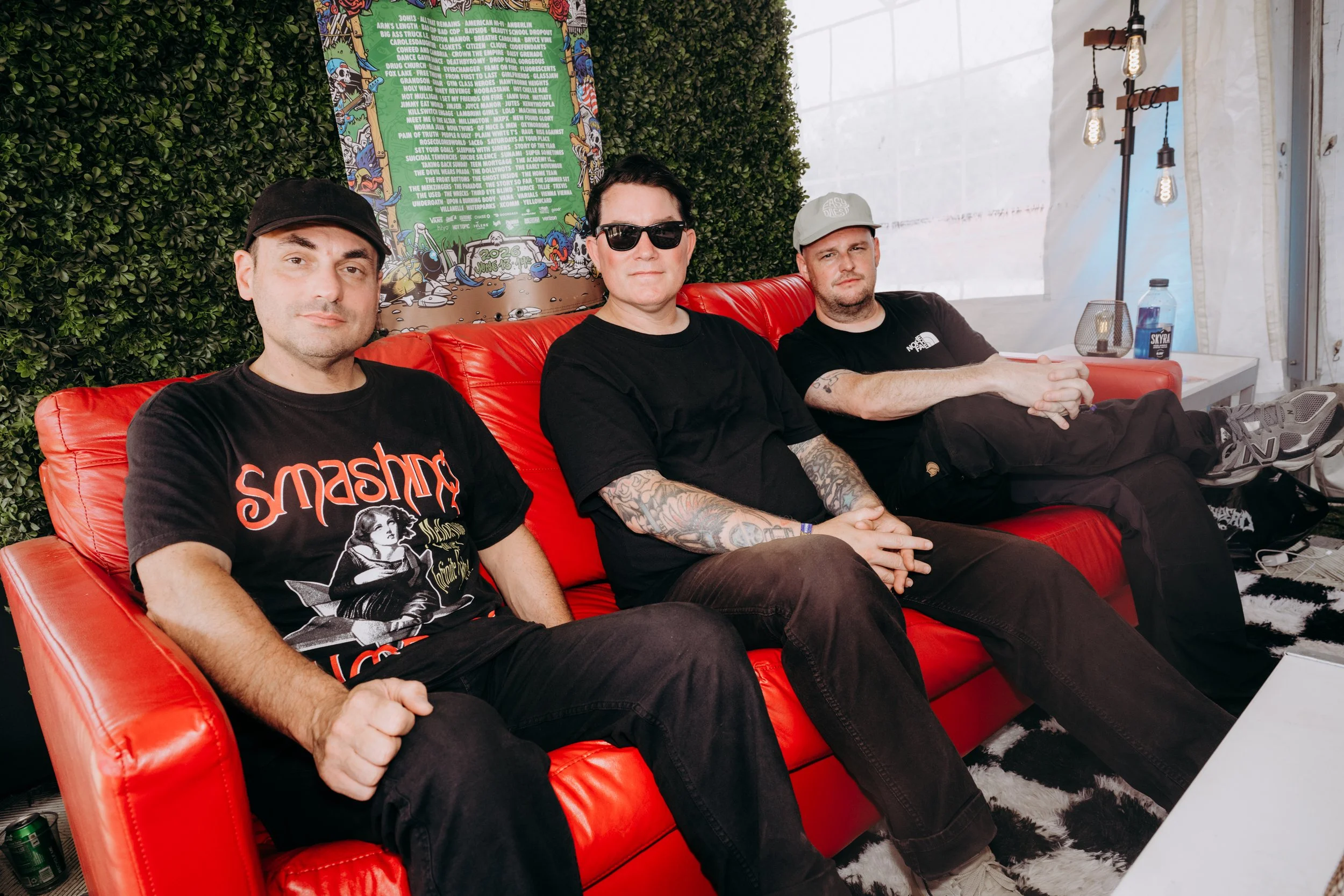
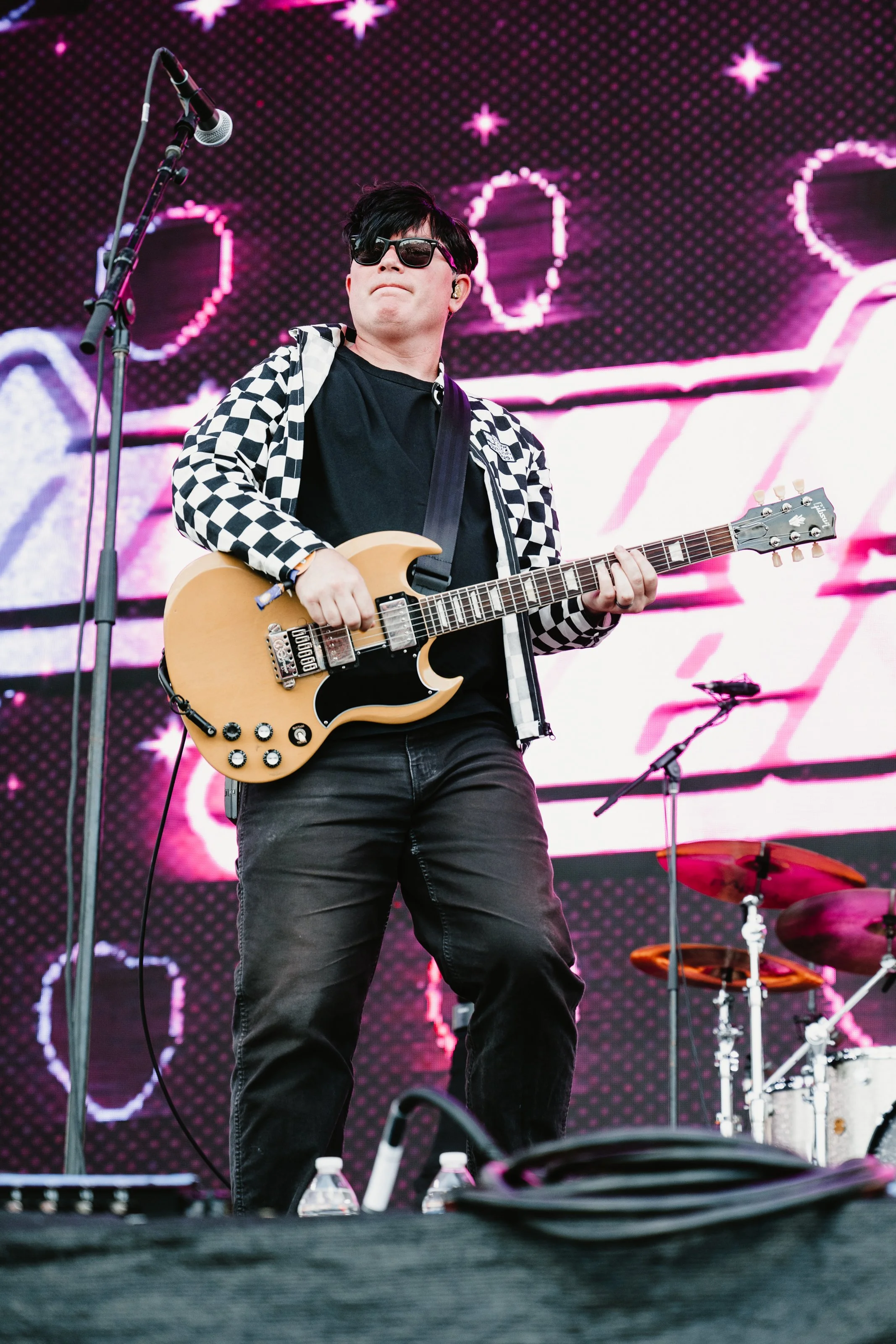
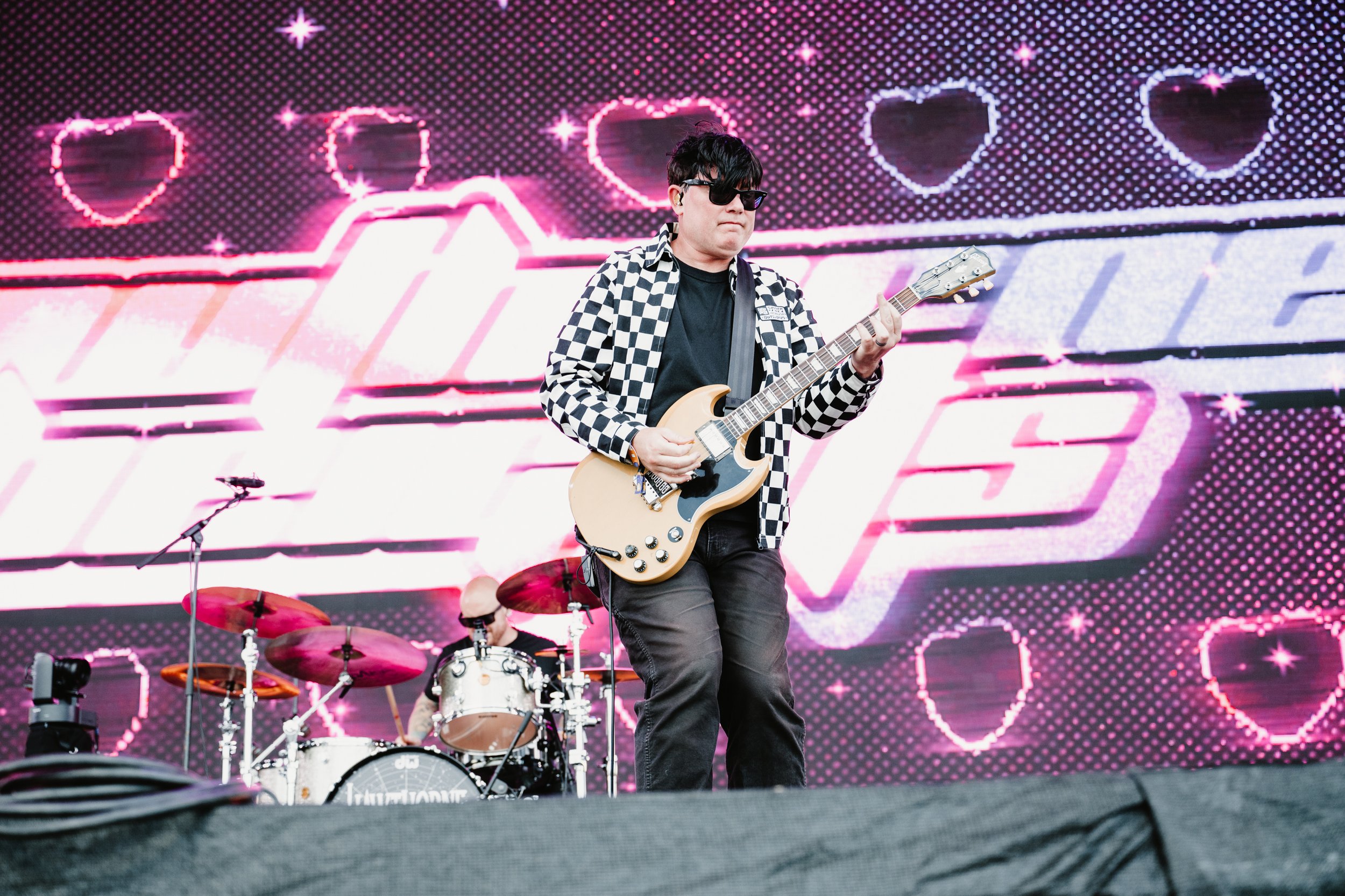
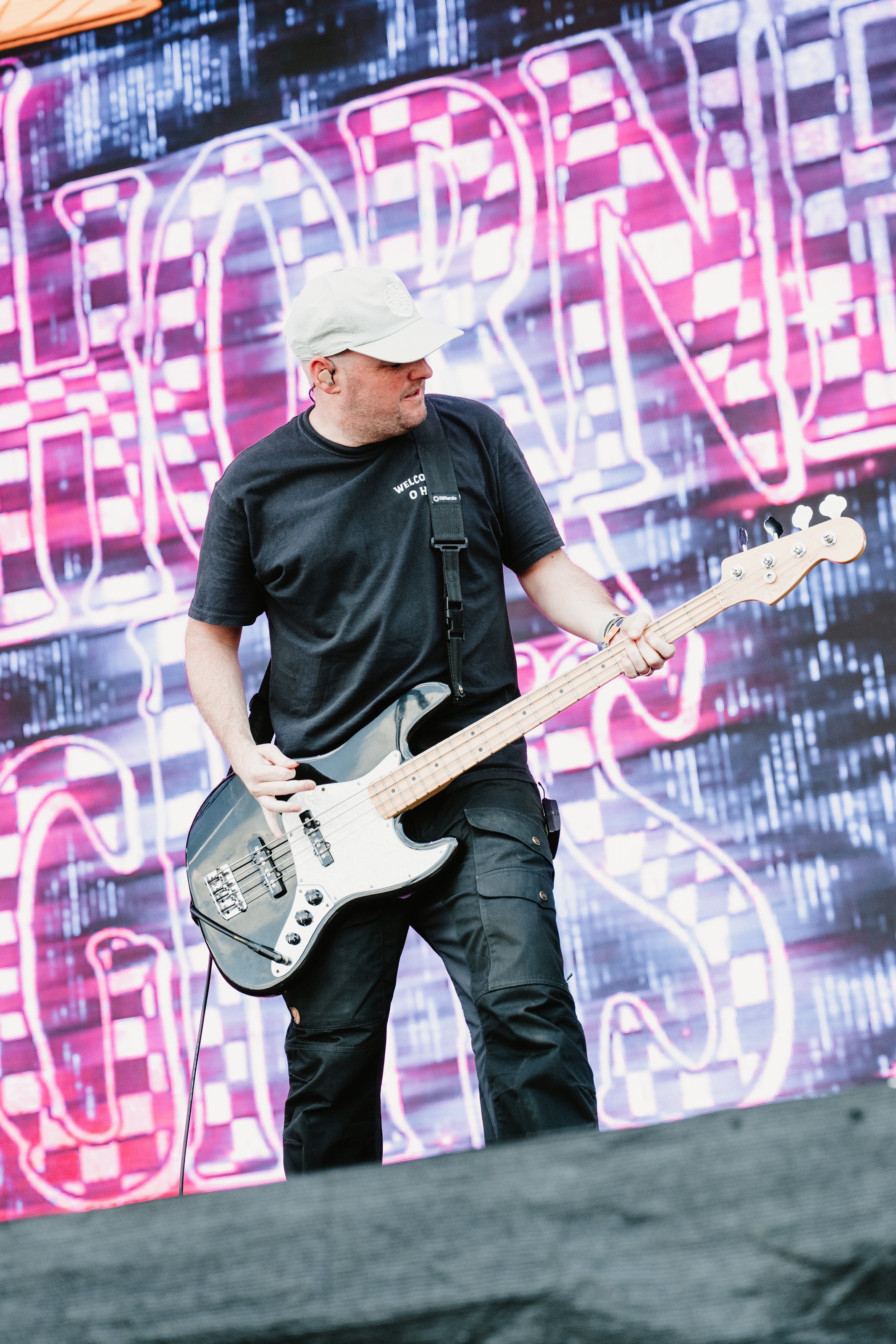
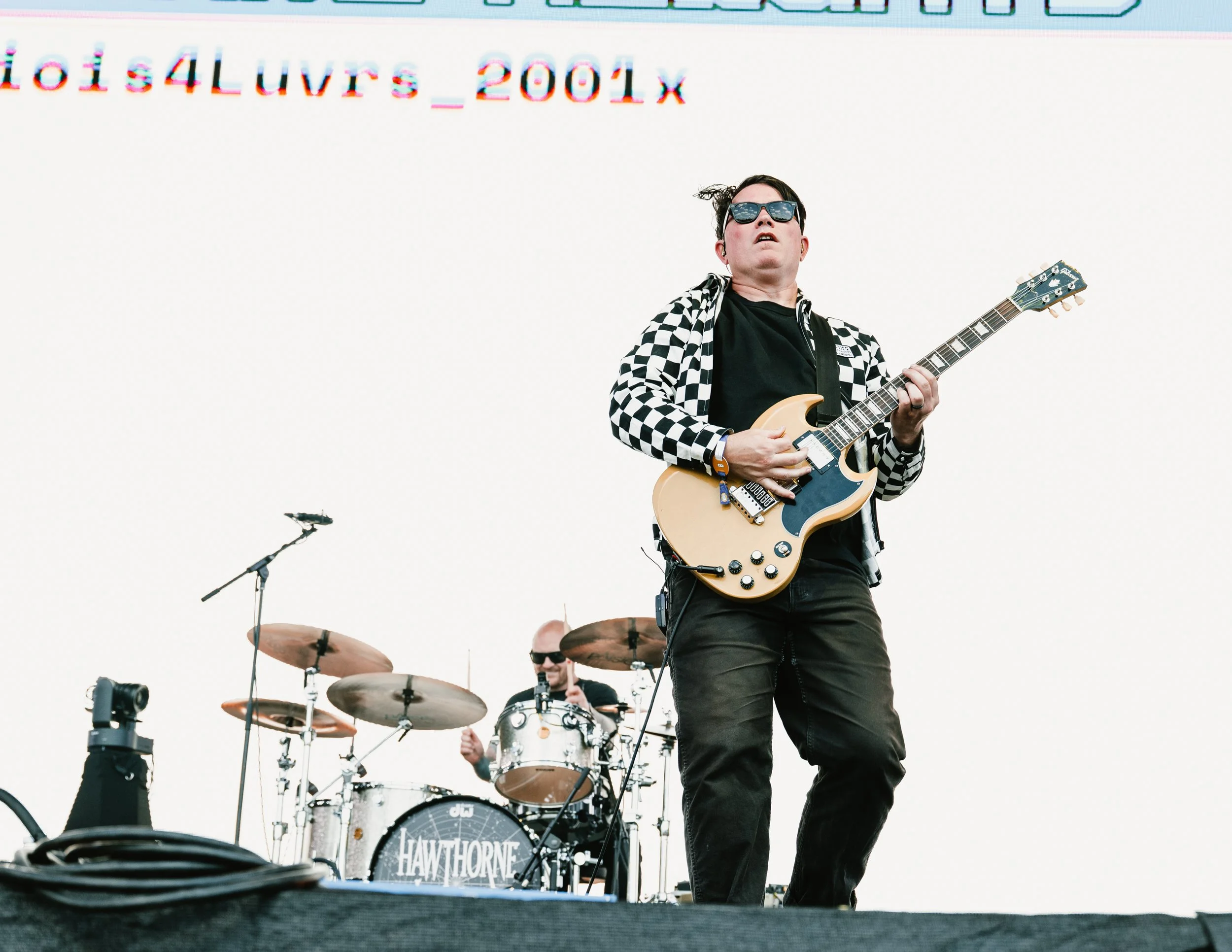
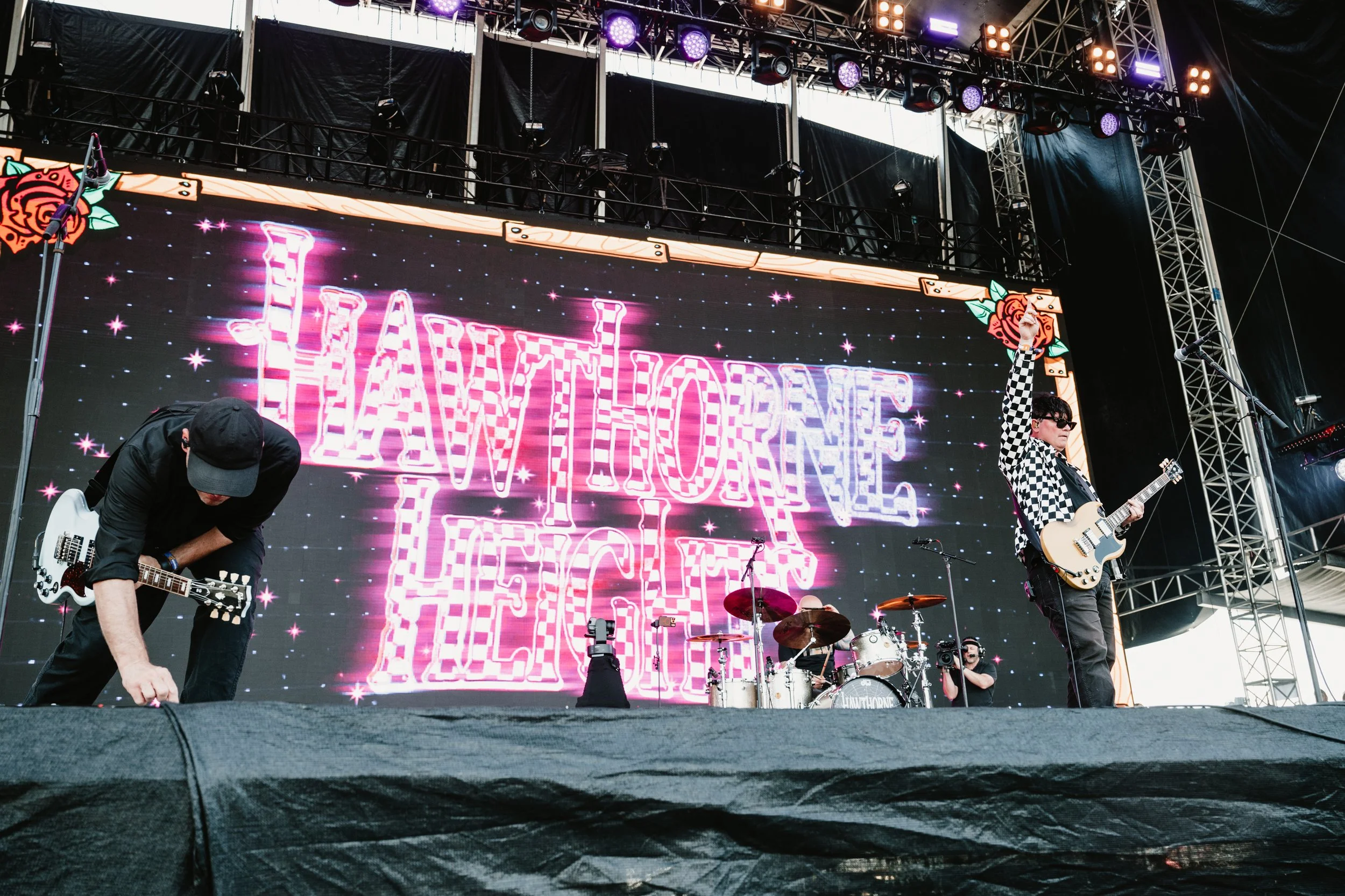
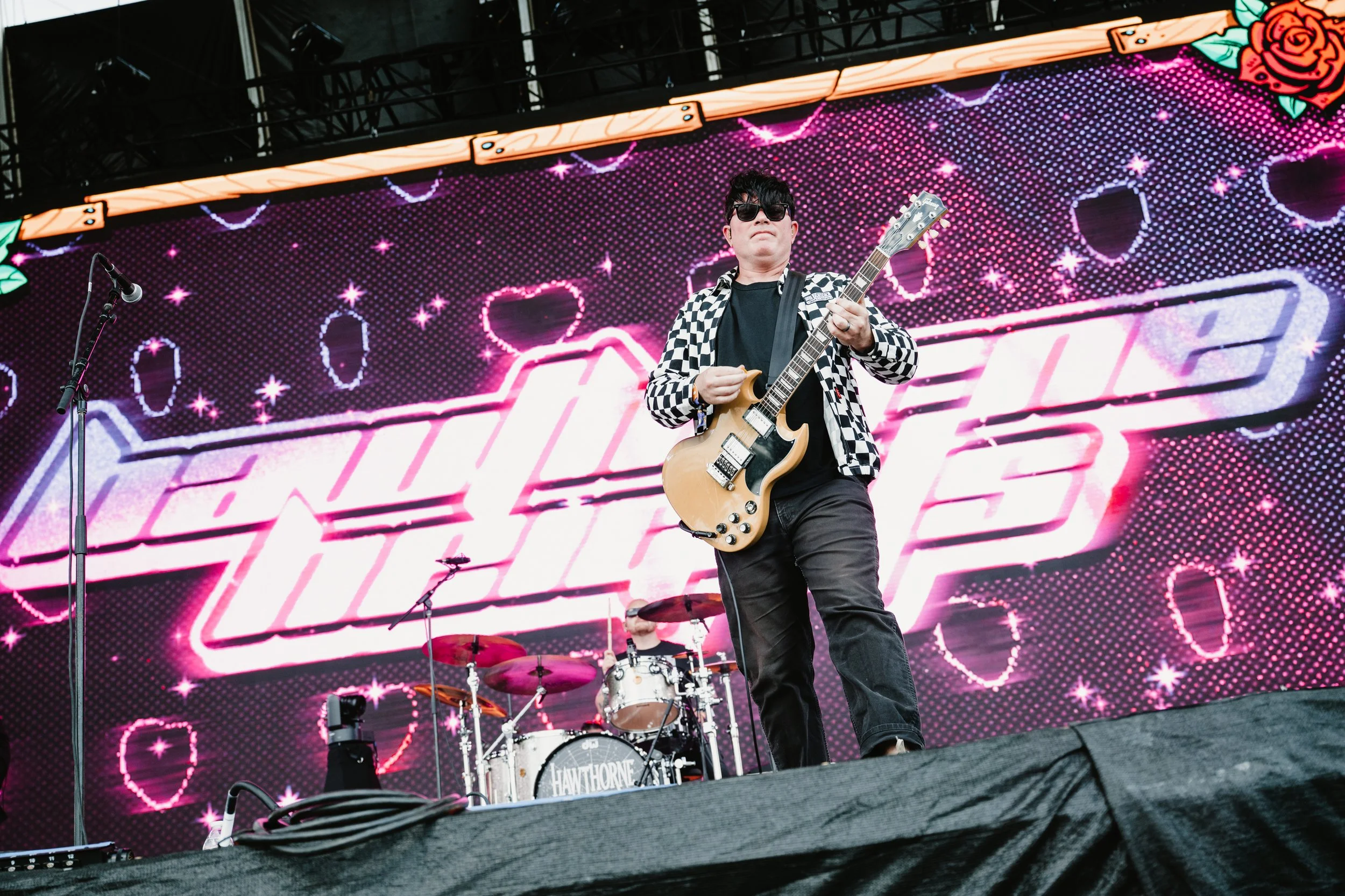
Hawthorne Heights have lived long enough inside this scene to know what changes and what does not. The stages are bigger now. The maps are digital. The merch booths have dropped pins. The internet has turned every band into its own media company, customer service department, content team, and moving target. But underneath all of that, Warped Tour still depends on the same simple exchange it always did: someone walking by, hearing something, stopping for a few minutes, and deciding they want to stay. For Hawthorne Heights, that part never disappeared.
“I still think that happens out here,” JT Woodruff says, talking about the old Warped pressure of having to win people over in real time. “With six different stages and people walking around everywhere, everybody still gets people that are looking up there, they stop and they go, ‘What’s this? This is cool.’” That is still the magic of Warped Tour. Not just the bands people came to see, but the ones they leave talking about. Even for artists who have been doing this for decades, discovery is still part of the day. They are not watching it from a distance. They are still participating in it.
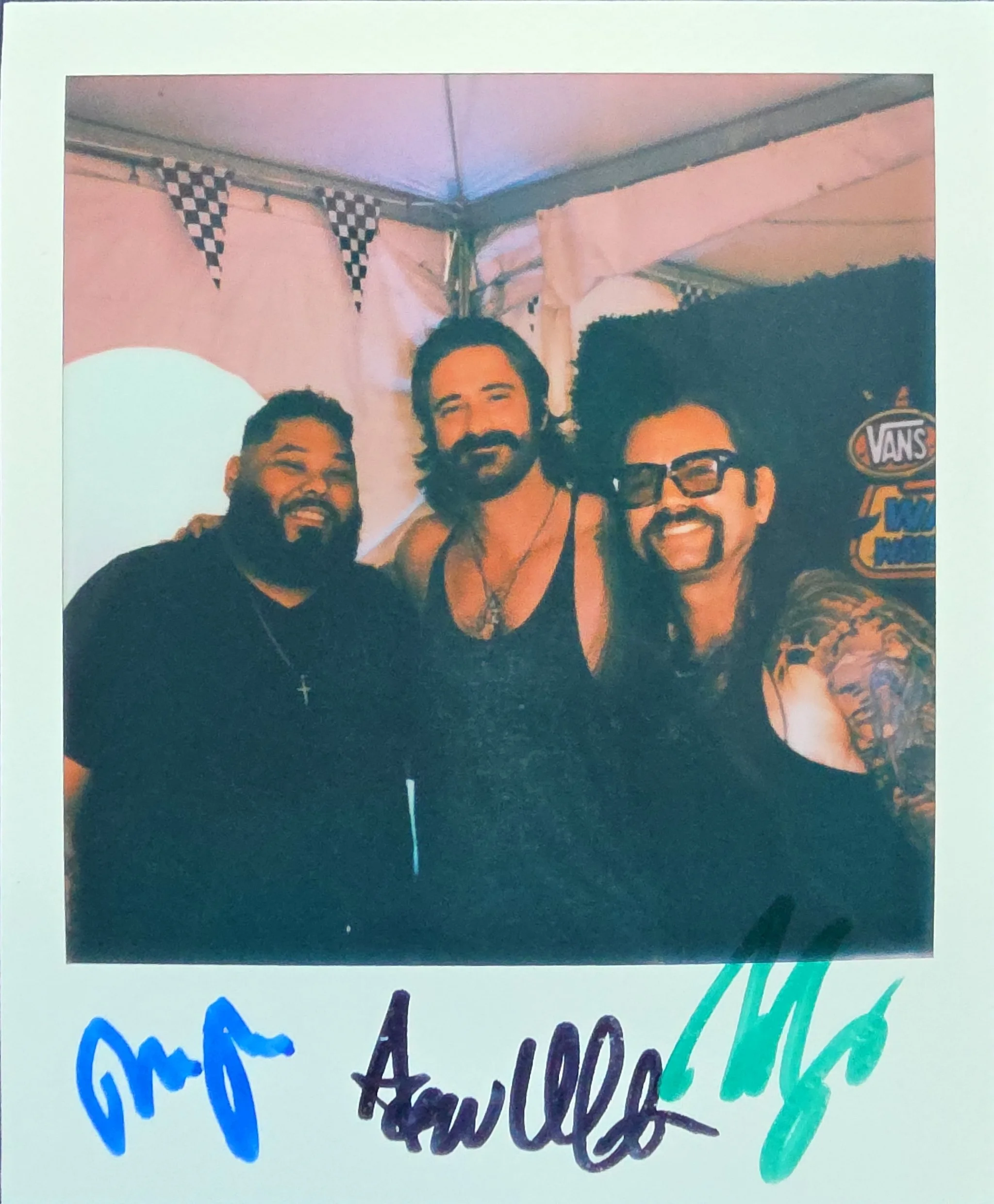
“We’re still finding out new bands, and we’re full-blown adults,” Woodruff says. “Kids are just walking around, going, that band looks cool, let me spend a couple of minutes with them, and that’s kind of what Warped Tour is. Lots of stages, lots of different genres, all blending together. It’s wonderful.”
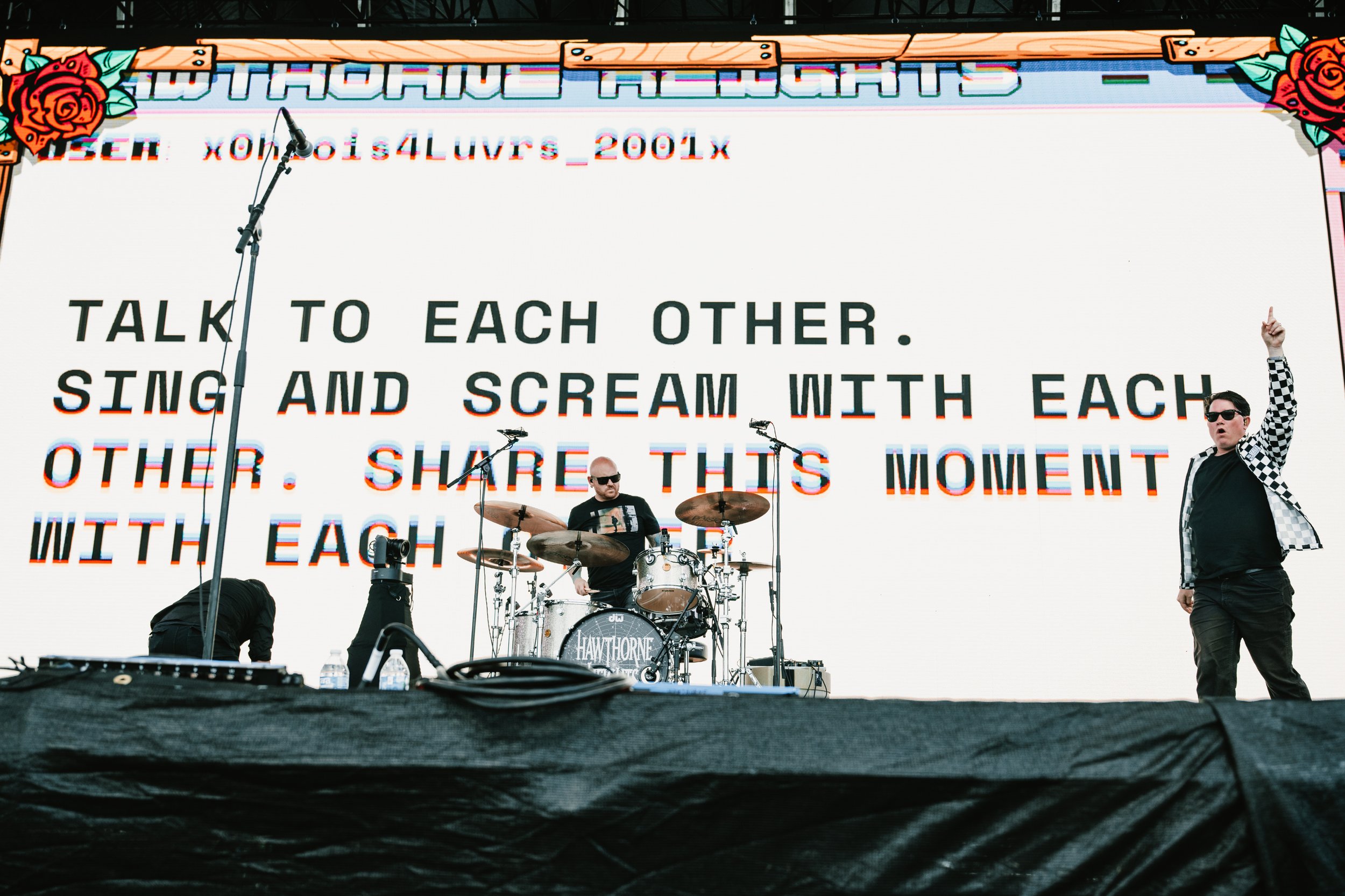
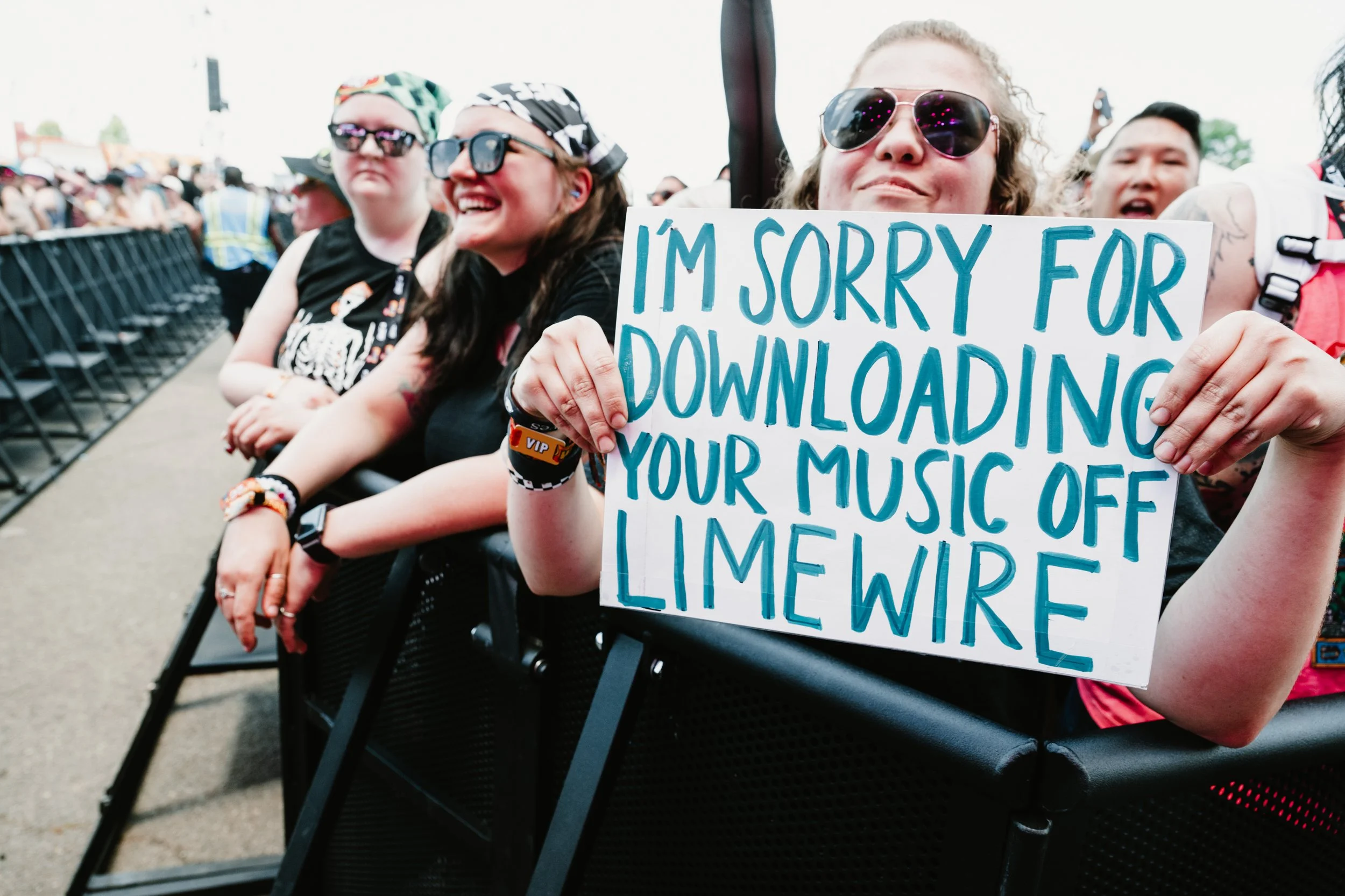
Hawthorne Heights understands that because they came from a scene built on sharing. Before algorithms flattened discovery into prediction, music moved through friends, message boards, Myspace pages, and kids telling each other what to care about next. It was messy and emotional, but it was communal. “Myspace was such a more cherished time because people weren’t out to get each other or yell at each other,” Woodruff says. “It was more about, oh, you’ve heard Hawthorne Heights? Yeah, but have you heard Silverstein? Have you heard Story of the Year?” That sense of community is part of why Hawthorne Heights’ place in the current emo reappraisal feels different. They are not returning to a world they abandoned. They have been here the whole time.
“We never really went away,” Woodruff says. “We always get comments like, ‘Oh, so cool, you guys are back,’ and we’re like, we never really stopped.”
That line matters because Hawthorne Heights were never waiting for culture to decide their era had value again. They kept touring. They kept writing. They kept showing up for the people who never treated this music like a phase. “We continue to be Hawthorne Heights,” Woodruff says. “Sometimes it’s awesome, sometimes it’s not, but it’s just who we are.”
There is a reason that resonates now. Hawthorne Heights did not become part of this conversation because of a viral moment or a nostalgia cycle. Their songs connected because they were real to the people who needed them. “Our album came out, and people connected with it,” Woodruff says. “I think there’s an authenticity to that. Once time passes, people recognize that was an authentic time and place.”
When they play older songs today, the meaning is not frozen in the year they were written. The songs have aged because the people inside them have aged too. “Art is about perspective,” Woodruff says. “Songs feel different than when you wrote them, but they also feel the same, because you remember why you wrote them.” That perspective is one of the gifts of lasting this long. A song written from a dark place can become something else after enough time has passed. Not erased. Not softened into something meaningless. Transformed.
“A dark song can turn into a light song, because you’ve made it through that trauma,” he says. “You’ve made it through that pain, and now you’re on the other side of it.”
The practical side of being a band has changed too. In the beginning, Hawthorne Heights could focus on writing songs, playing shows, and getting to the next city. Now, survival requires a wider skill set. “We have to be influencers, we have to be content creators, we have to capture our own things, we have to be business gurus,” Woodruff says. “We have to be moguls, we have to be truck drivers, web store operators.” He does not frame that as a complaint as much as a reality. Being a band now means staying visible between the moments onstage. It means learning the new systems without letting them swallow the reason the band existed in the first place.“We’ve had to become more of a Swiss Army knife than being a one-dimensional emo band,”
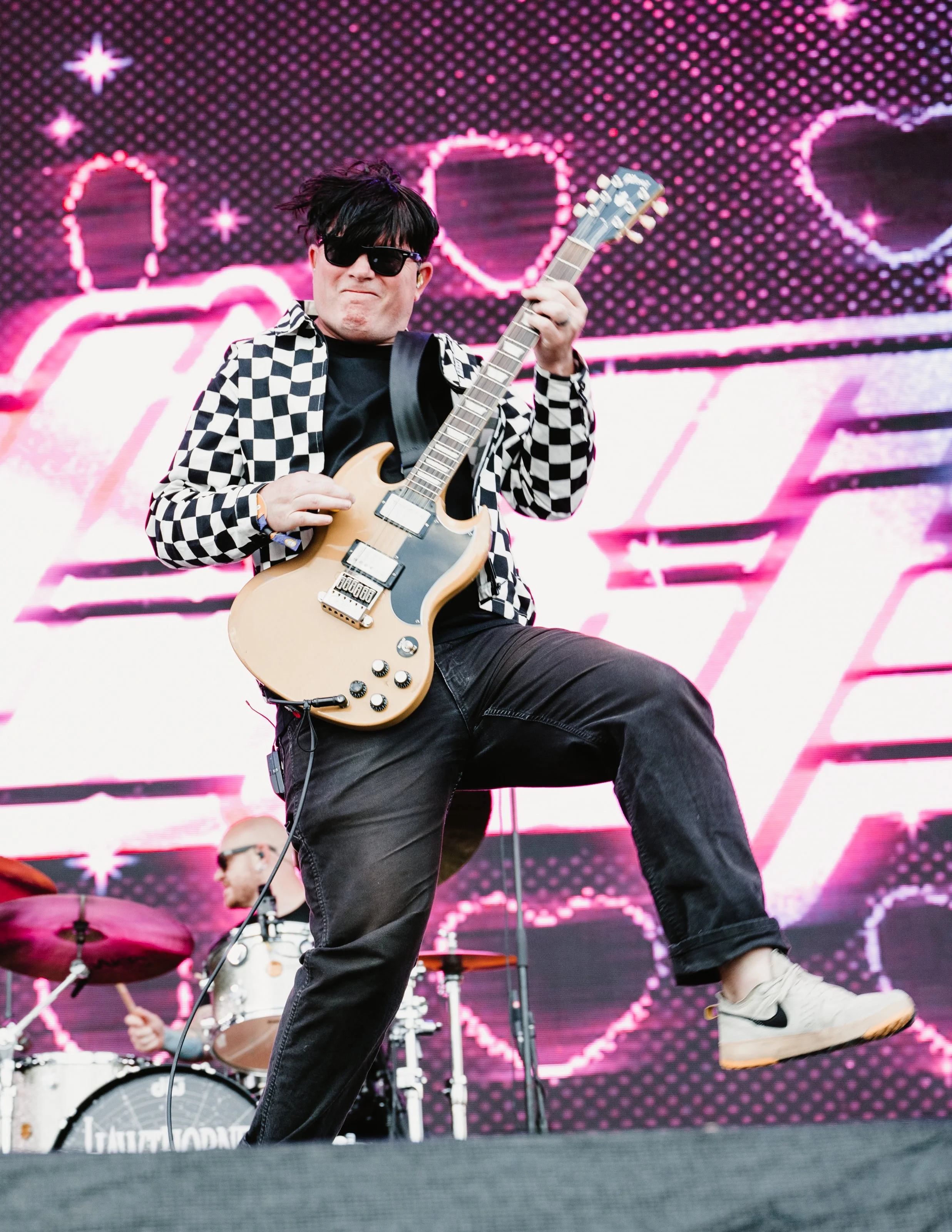
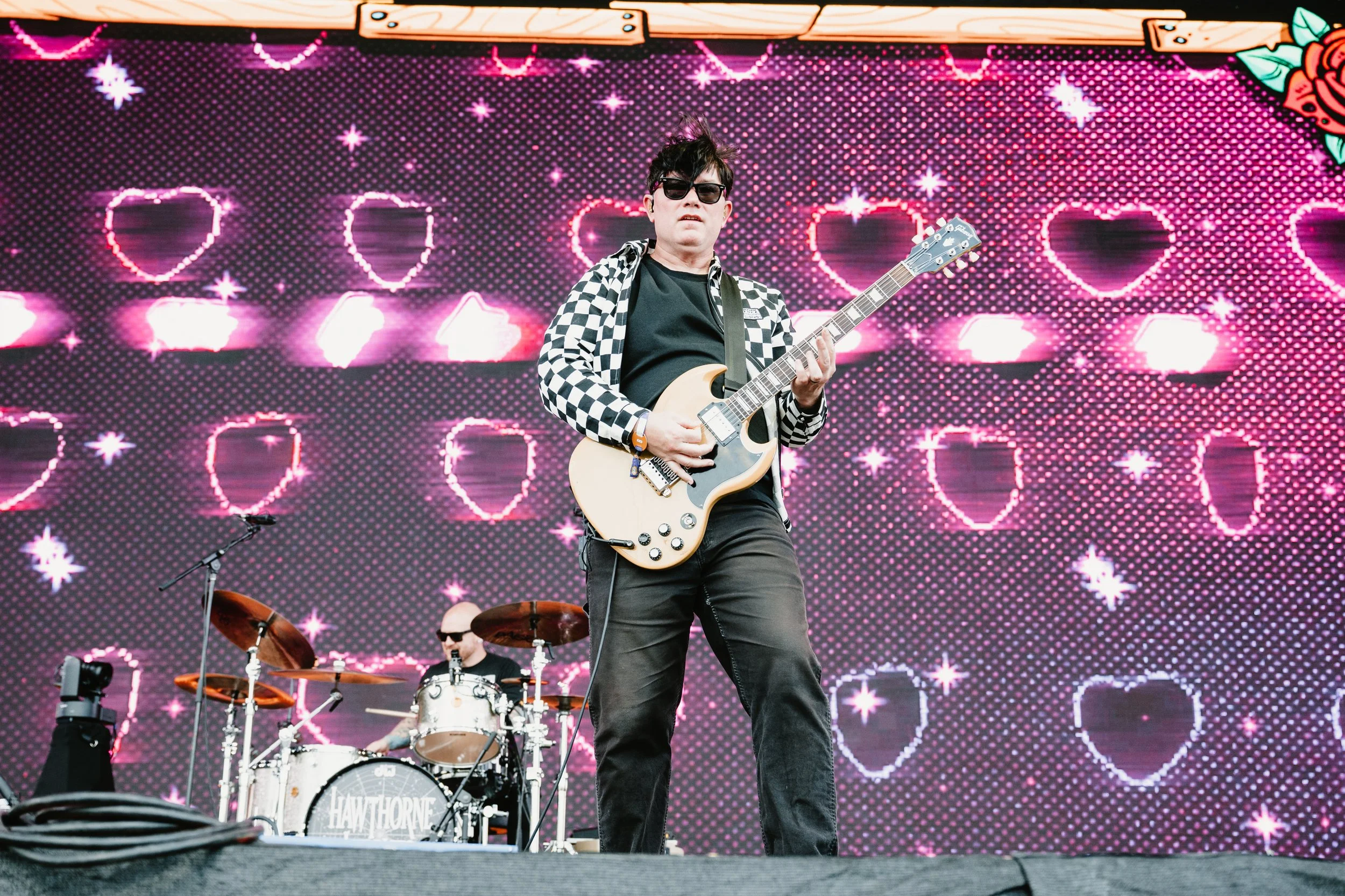
Still, the point has not changed. Hawthorne Heights wants to be here. They are not treating survival like an accident or a victory lap. They are treating it like proof of commitment. “We are cockroaches that will find a way,” Woodruff says. “You cannot keep us down. We’re here for it, because we want to be here. We love it.”
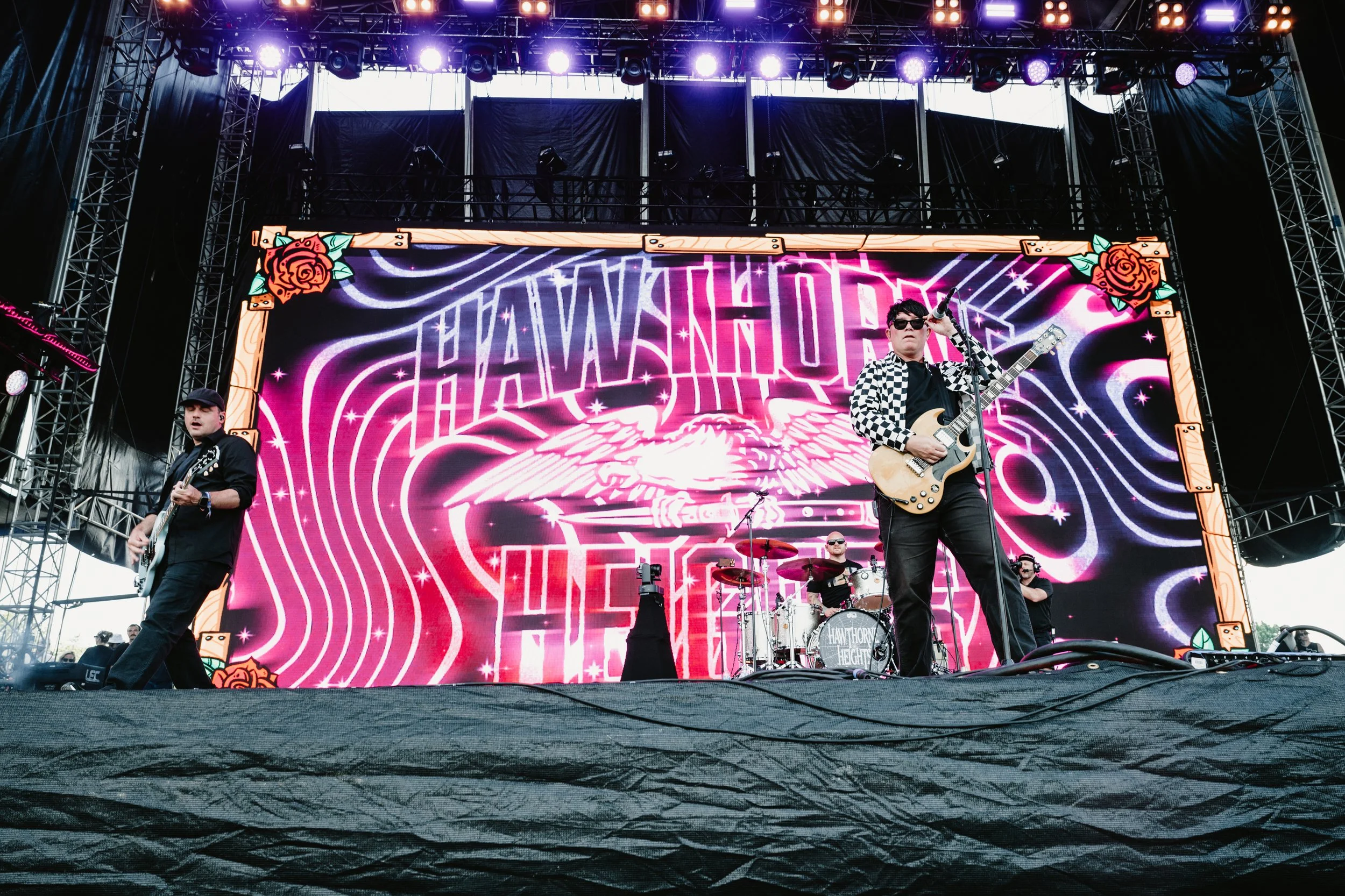
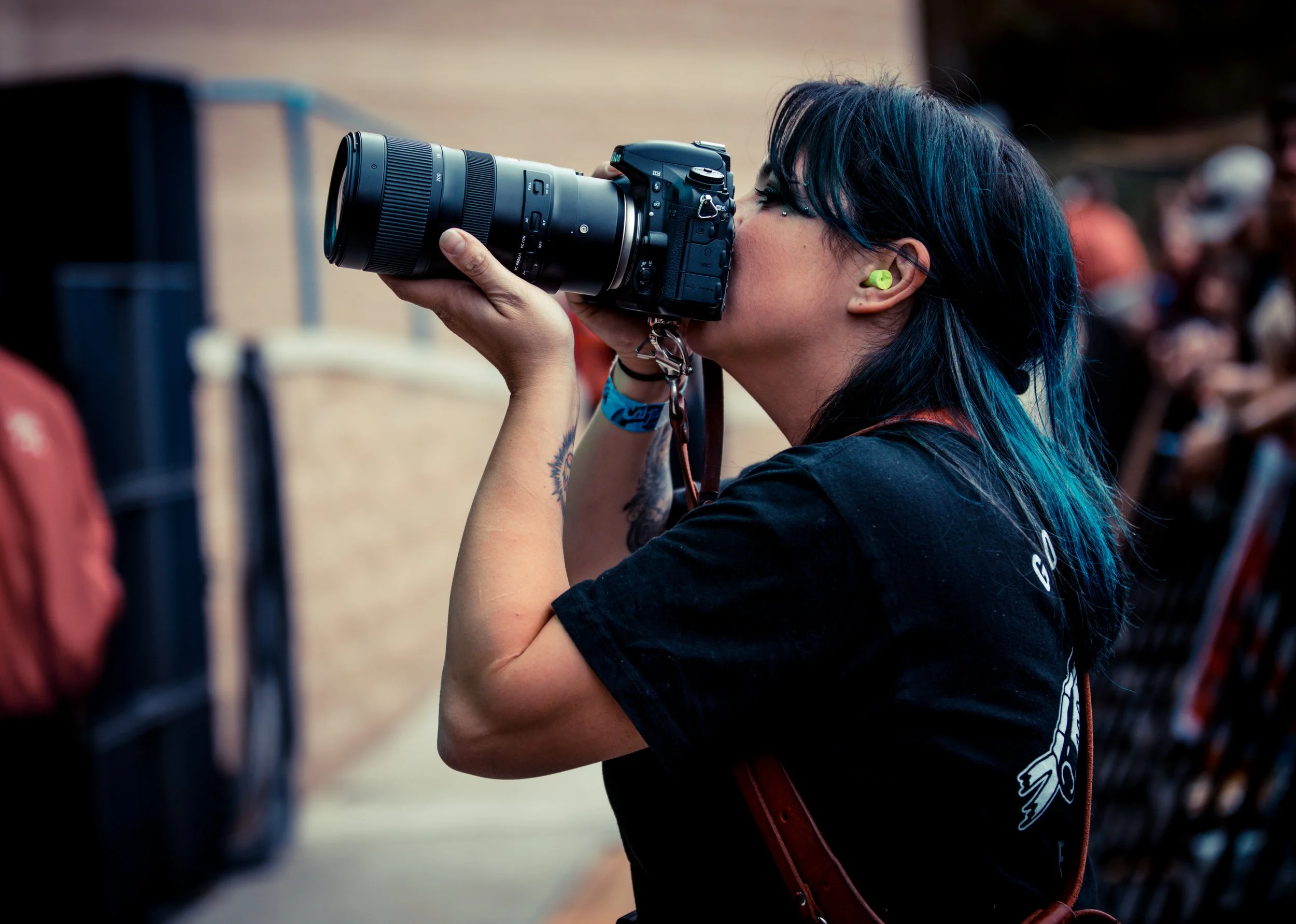
Review and Photos by:
Heather Koepp is the founder and editor-in-chief of Rival Magazine LA, which she launched in January 2020. With more than a decade behind the lens, she has built a career as an entertainment and live music photographer, capturing artists, concerts, festivals, and culture through a sharp editorial eye.
Her work has been featured in Rolling Stone, Billboard, People, and more. Through Rival, Heather continues to champion emerging artists, support new creatives, and grow a platform rooted in music, storytelling, and community while raising her son, Atticus, who is beginning to find his own eye behind the camera.