noevdv Turns Memory Into Music on “mulholland drive”
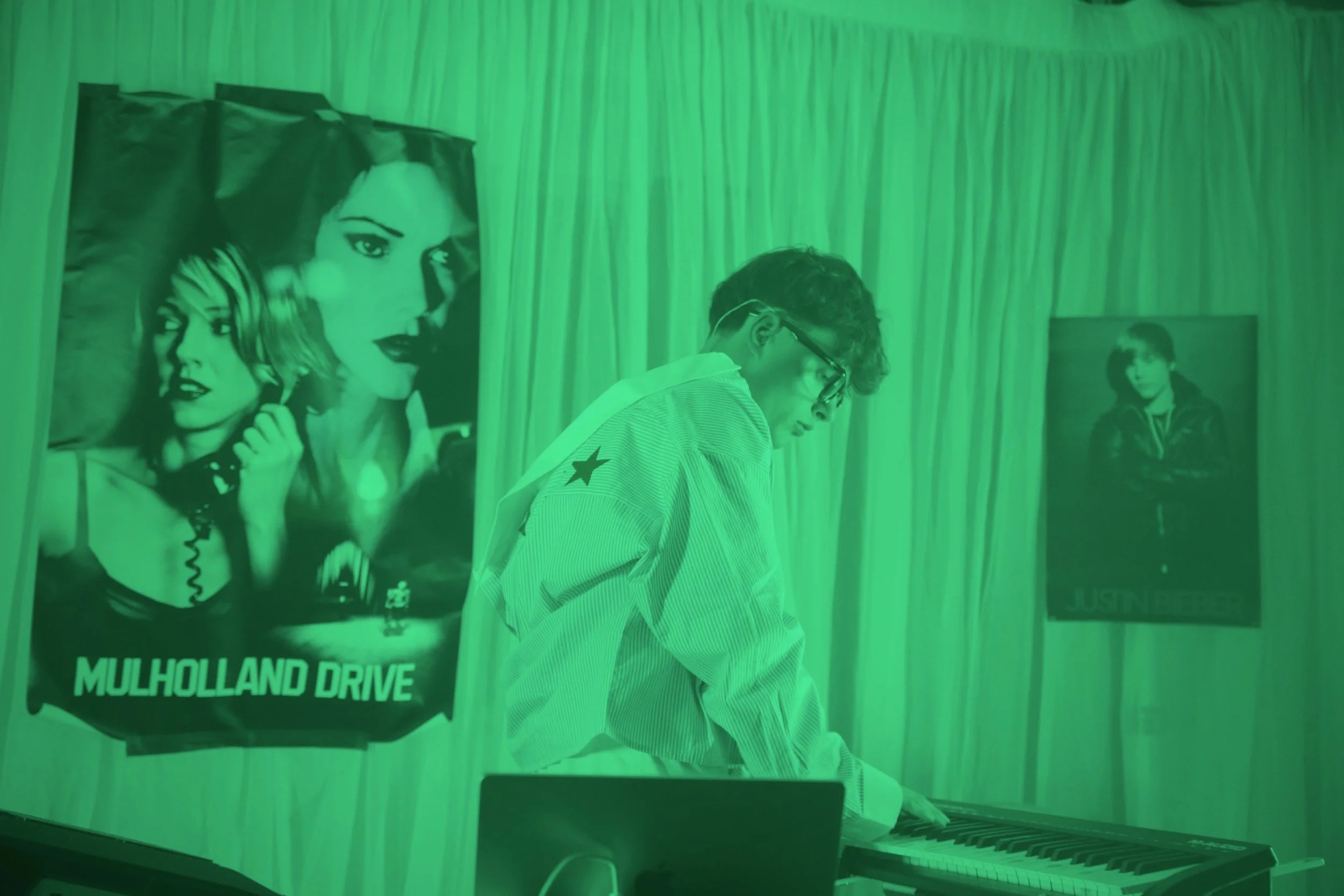
Photos by Cristian Diaz
Belgian artist noevdv has the rare ability to pull listeners into a trance, silencing the outside world while igniting something within as each melody gradually unfolds. Before you even realize it, you may find yourself moving almost instinctively with your eyes closed, a feeling that comes through especially on his debut EP, “mulholland drive.”
Before putting his voice and name at the forefront of the project, the artist spent years producing beats in the bedroom, where it all began. He released music with an almost obsessive level of discipline, posting new content nearly every day at 9:00 p.m. for five or six years. That consistency became the foundation for everything that followed. Yet even during those early days, something bigger was already taking shape as he embraced a vision of creating emotional spaces that anyone could step into.
That perspective explains why this new release feels both deeply intimate and remarkably expansive. The project is infused with nostalgia through samples of songs from his childhood, old recordings, and memories transformed into sound. “It’s looking back with emotion while still feeling hopeful about what’s ahead,” he explains, perhaps capturing the heart of his music better than anyone else. That same sensitivity is reflected in his connection to Los Angeles, a city he first inhabited in his imagination and that came to symbolize ambition, reinvention, and creative possibility for years.
To mark his first live show, an immersive experience in which he recreated his childhood bedroom onstage to literally show where much of his work was born. We spoke with noevdv about building the world of “mulholland drive,” his transition from producer to artist, the impact of Justin Bieber sharing his music, and why he refuses to sacrifice authenticity for digital relevance.
“mulholland drive” feels like way more than just an EP; it feels like stepping into a whole world. When did you realize you weren't just making songs anymore, but building something people could actually get lost in?
I think from the start, to be honest. Before making songs, I was making beats, and even back then I was already trying to create a world around them. When I decided to become an artist, it wasn’t just about putting vocals on beats; it was about building an atmosphere that people could step into. I’ve always loved the idea that music can feel like its own place, not just something you listen to.
You came up making beats in your bedroom and posting them online before anyone really knew your name. Looking back, what do you think that version of you got right that you never want to lose?
Super nice question. I’d definitely say consistency. I’ve been posting almost every day at 9 p.m. for the last five or six years, and I think that discipline helped me build everything I have today. When you keep showing up, opportunities naturally start coming, whether that’s being able to live from music or connecting with people I never thought I’d get the chance to meet. I never want to lose that work ethic.
LA seems to have lived in your imagination long before it became part of your real life. Now that you're actually here, how does the reality compare to the version you built in your head?
Honestly, it’s pretty close to what I imagined. Of course, every city has its bad sides, but I try not to focus on them too much. For me, LA has always been about making music, going to the beach, meeting creative people, and feeling inspired. It’s definitely not perfect, but it still gives me that feeling I imagined when I was younger.
A lot of this project is rooted in memory, whether it's flipping songs you grew up with or using recordings from your childhood. Do you think nostalgia is something you chase, or does it just naturally find its way into your music?
I think it’s both. I feel like music is usually more interesting when there’s a little bit of sadness or emotion in it, but I don’t necessarily want to make sad songs. Nostalgia sits somewhere in the middle for me. It’s looking back with emotion while still feeling hopeful about what’s ahead. I think that’s a feeling I naturally come back to in almost everything I make.
You've spent years helping other artists shape their sound. What surprised you most about having to find your own voice instead?
I actually think I always knew what my sound was. Even when I was producing for other artists, I was naturally trying to bring them into my world. Most of the time they weren’t really looking for that, so the collaborations stayed pretty surface-level. At some point I remember thinking, “Alright, if nobody wants to fully trust this vision, I’ll just do it myself.” That’s really how my artist project started.
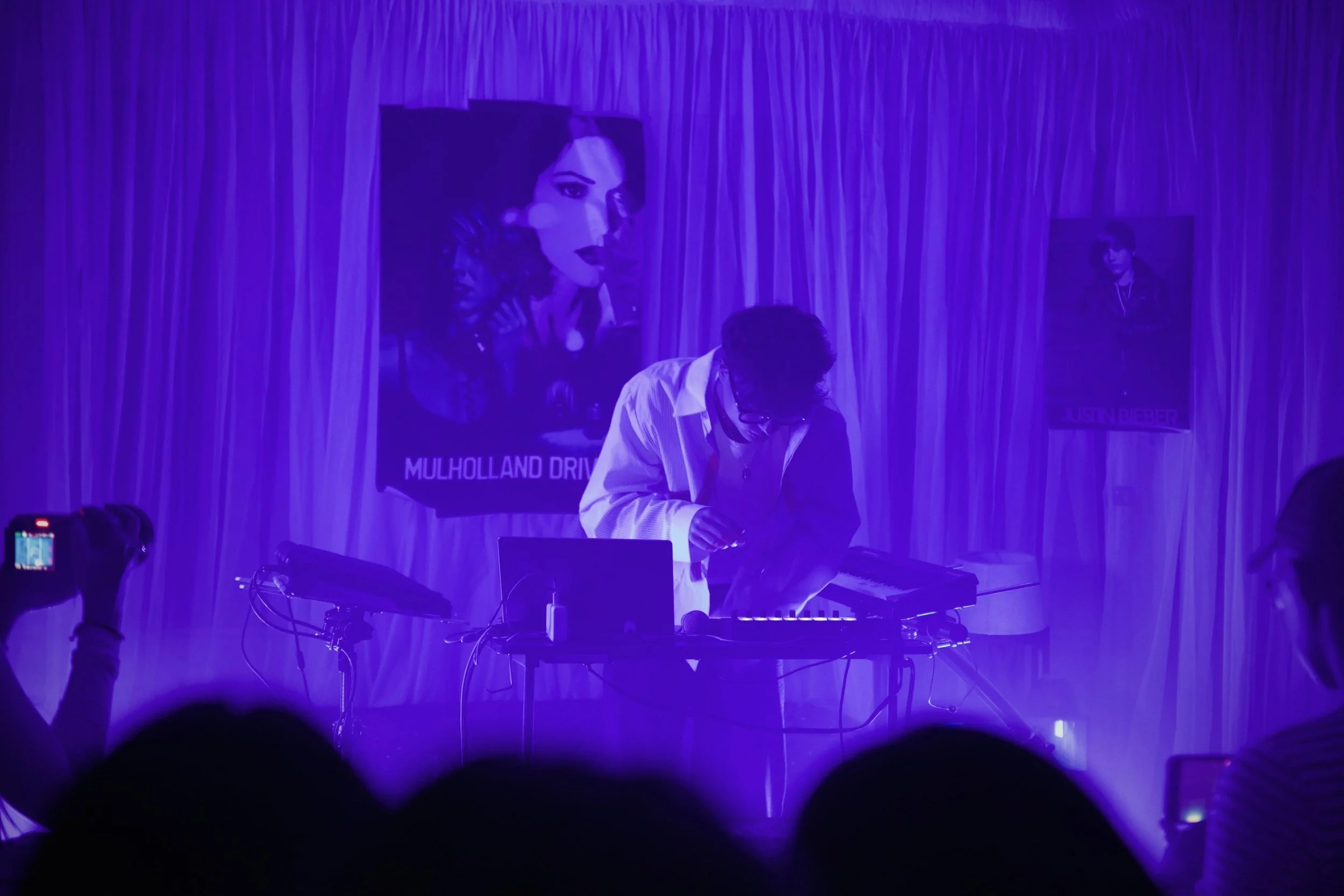
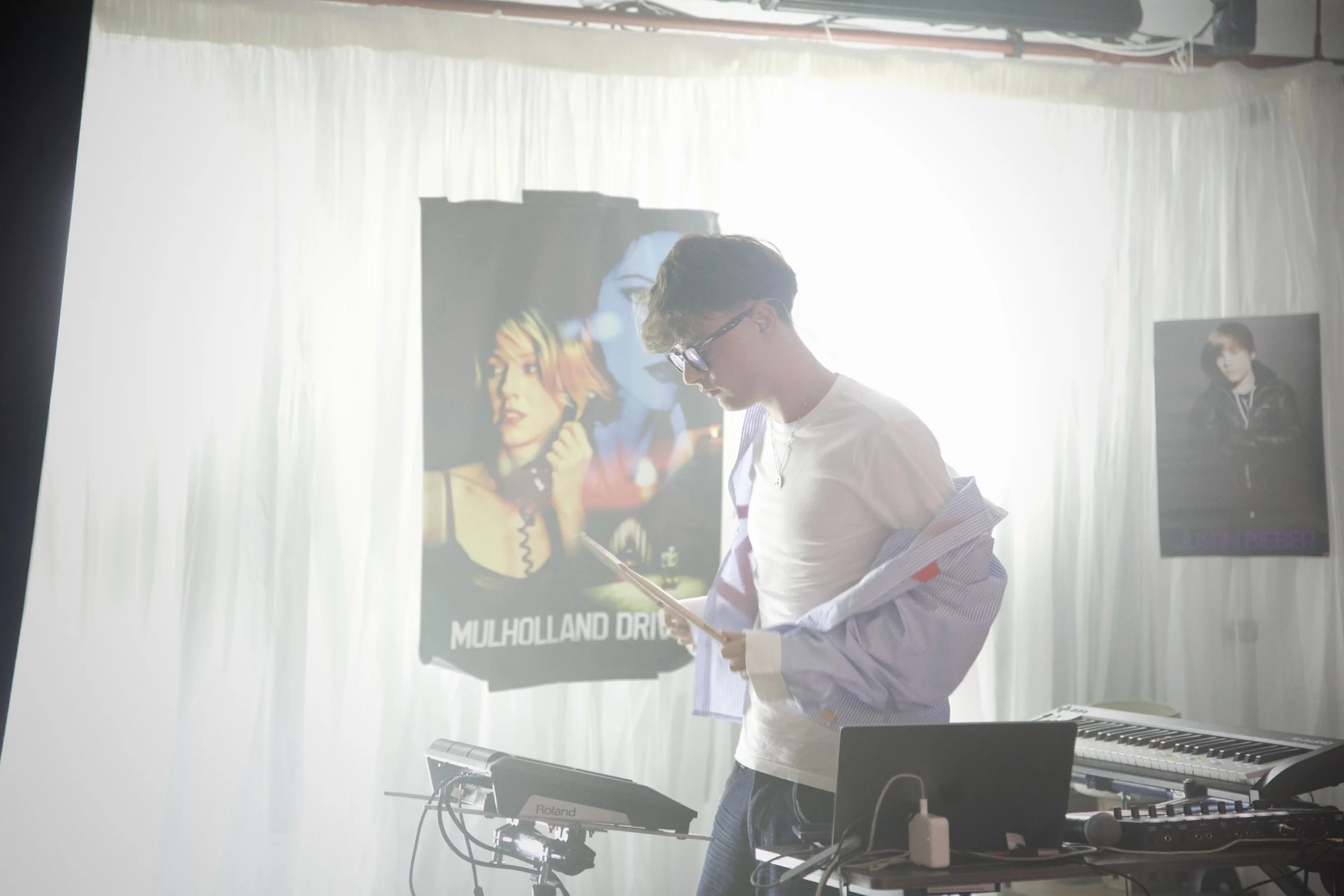
Your first live show isn't just a performance; you're literally recreating your childhood bedroom on stage. Why did it feel important to let people into that space instead of just playing the songs?
I think it’s important to give people some context. A lot of people imagine artists making music in huge studios surrounded by a lot of people, but that’s never really been my story. Most of these songs started in my bedroom, and recreating that space on stage feels like bringing people back to where everything began. It makes the whole experience feel more personal.
Your music always feels super visual, almost like you're scoring a movie. When you're making something new, are you hearing sounds first, or are you seeing scenes play out in your head?
Usually I hear the sounds first. But almost immediately after that, my brain starts creating visuals around them. Whenever I hear a melody or a certain texture, I instantly associate it with a color, a place, or an emotion. I don’t really know why it happens, but it’s always been that way. That’s probably why visuals are such a big part of my music.
When Justin Bieber shared “want u,” it introduced your music to a much bigger audience. Was there a moment after that where things suddenly felt different, or did it still feel like you were just the same kid making beats in your room?
Honestly, I still felt exactly the same. I was just really grateful that he showed love. I actually started making music because of him, so having him share one of my songs felt like a full-circle moment. It was a huge milestone, but it didn’t really change how I saw myself. I just went back to making music.
You've built an audience of millions without feeling like you're chasing every trend or algorithm. How do you protect your creativity when the internet is constantly asking artists to make more, post more, and move faster?
It’s definitely hard sometimes. I just try to disconnect from all the noise and focus on making music that actually feels honest. For a long time I think I saw myself more as a producer or beatmaker than an artist, and now I’m trying to fully step into that artist mindset. I don’t really want to chase what’s viral. I’d rather make something that still feels true to me years from now.
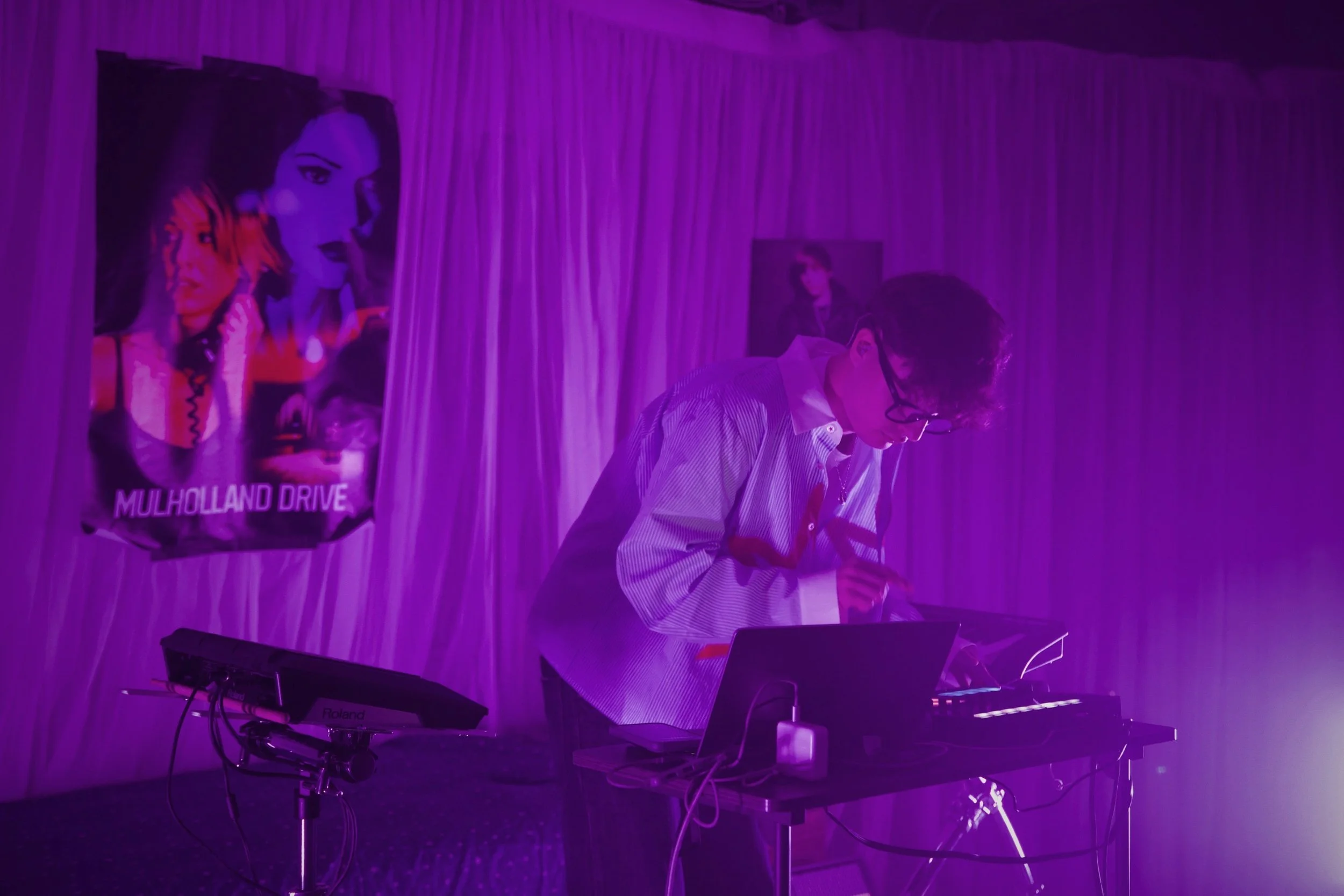
Since we're pairing this with a photo diary from your first live show, if someone looked through those photos without hearing a single song, what do you hope they'd understand about you?
Good question. I hope they’d understand that everything I do is about creating a feeling. Whether it’s the music, the visuals, or the stage design, I’m always trying to build one emotional world rather than just putting songs together. I want people to feel like they’re stepping into something, not just watching a performance.
If someone leaves your first show knowing nothing about noevdv except what they experienced that night, what's the one feeling you hope stays with them on the drive home?
Honestly, whatever they felt in that moment. That’s what I love most about music. Everyone connects with it differently, and I never want to tell people exactly how they should feel. If they leave thinking about something personal, or if the music stays with them after the show, then I’ve done what I wanted to do. And hopefully they also leave thinking, “That was a great show!!”