
INTERVIEW: Ethan James on the Story and Sound Behind “Pretty Face”
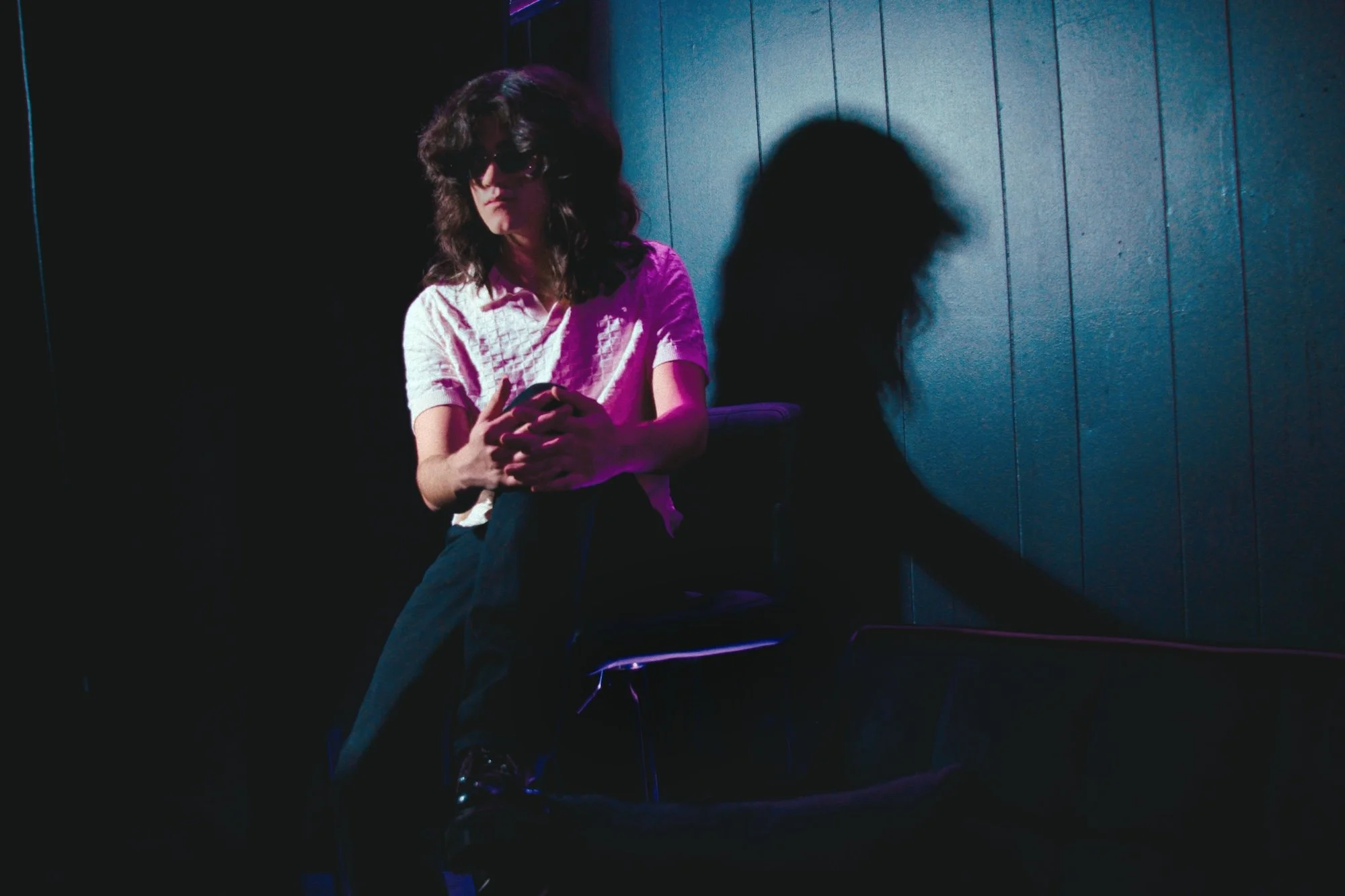
A glance between two strangers at a nightclub may last only a few seconds, but it can also become the starting point for a much bigger story. That possibility drives “Pretty Face,” the new single from Ethan James, an artist who explores attraction, desire, and emotional contradictions through his music.
Built around a powerful combination of drums and bass, with influences from R&B and hip-hop, “Pretty Face” introduces a lighter, more dynamic energy than his previous work, while maintaining a certain tension beneath its seemingly carefree atmosphere.
The release also marks an interesting moment in James’ evolution as a singer, songwriter, and producer. After exploring a darker, more cinematic atmosphere in “The World is Yours,” the musician expands his sound in a more accessible direction without losing his interest in stories that contain multiple layers of meaning.
To unpack how a passing glance becomes a full-fledged obsession and how a self-taught producer translates emotional contradiction into rhythm, we spoke with Ethan James about the architecture of “Pretty Face.”
When did you first become interested in music, and what led you to develop your own project as a singer, songwriter, and producer?
My earliest memory of falling in love with music was the moment I heard The Doors play on Fremont Street’s speakers in Las Vegas. I was maybe 10, and it sparked the desire to listen. Following this, I discovered and religiously dug into Led Zeppelin, and my life changed forever, hearing and seeing these otherworldly beings. The Doors sparked my obsession with music; Led Zeppelin sparked my obsession to create.
At this point, we had been homeless for a few years, living in unconventional places. We could not afford instruments, no matter how badly I wanted to play. But one Black Friday, Rock Band 4 was on sale. This meant I was finally able to use a “form of” instruments, including drums, guitar, and a mic.
I never believed I was good enough to sing. So I pursued drumming, forming a high school band and playing wherever we could until having a falling-out. I was left solo and still with a burning fire for music and art, and by this point, a guitar as well. That is when I began discovering the world of electronic music and how accessible music production had become. Being solo and having no friends in music meant it fell on me to see my music through. I spent many nights that bled into mornings self-teaching how to turn these intricate thoughts I have into songs that could make someone feel what I felt listening to those bands all those years ago.
“Pretty Face” begins with an encounter between two strangers who exchange glances at a club. How did the idea of turning that moment into a song come about?
There’s this idea that something like exchanging glances with a stranger is meaningless and nothing more. But the way this insignificant moment can be transformed into an entire, significant fantasy lasting hours, days even, to me, is worth exploring.
In “Pretty Face,” the protagonist’s confidence and self-assurance seem to give way to a certain vulnerability as the song progresses. What did you want to convey through this story and the shift in dynamics between the characters?
Putting on such a confident front can lead to a more “desperate” fight to persuade oneself that this confidence is not born of insecurity. That is part of what we see here. What begins as genuine confidence begins to crack as we realize just how much power we’ve unknowingly given this pretty stranger. I can lie and say it doesn’t go deeper than this.
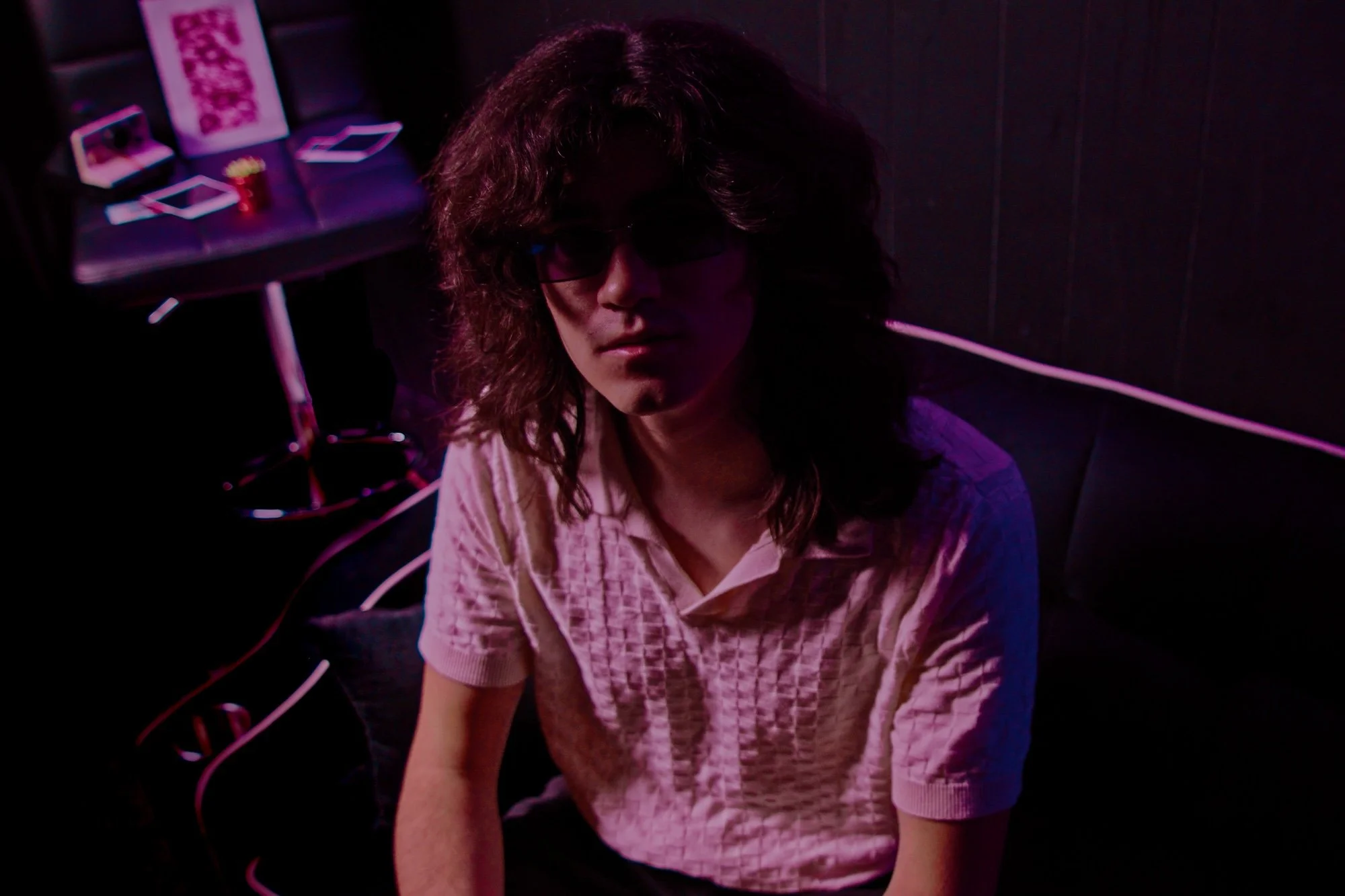
Musically, “Pretty Face” is built around powerful drums, a steady bassline, and elements of R&B and hip-hop. How did you approach the production, and what kind of sound were you trying to achieve?
I wanted the rhythm to feel playful, with starts and stops in the bass section, little vocal echoes in those pauses, and have a sound that is easy to listen to. Artists like The Weeknd were a great baseline to be inspired by. The song was built around the bass and drums and the tight dynamic that they share.
With “The World is Yours,” you introduced a darker, more cinematic sound, while “Pretty Face” has a more dynamic and playful energy. What led you to explore this new direction?
Much of the music I’ve created so far has fallen dark. With “Pretty Face,” I wanted to explore something more playful and upbeat without abandoning that atmosphere, while offering an early glimpse of what more energetic music could look like. I see this as one doorway into the world I’m building, something that might be easier to step into before exploring the more complex corners. I will always listen to how people respond, but I will never break the world we’re already entering.
The music video for “Pretty Face” features pixelated imagery, visual effects, and diffused lighting. What concept did you want to develop, and how does it relate to the story of the song?
While “Pretty Face” follows a lighter tone, there will always be more layers beneath. I can share that the visuals depict a strange occurrence within the overarching narrative. I experimented with brighter sets and cleaner visuals, but felt that the imperfect look of handheld digital cameras better represented the song’s subject. The final result gives a glimpse into both the airy nature and the chaos beneath this happy tune, with more songs waiting to unravel the meaning further. The imagery reflects a distorted fantasy.
Both “The World is Yours” and “Pretty Face” explore themes of desire, attraction, and emotional vulnerability, although from different musical perspectives. What interests you about exploring human relationships through your songs?
Love is the most complex emotion one can possess. So many people are so in love, yet unfaithful. People want, and want, and want, and when they finally have, they leave. I love to explore the twisted yet simplistic nature of love as an emotion, without ever having an answer. I just write as I feel and as I see.
You produce your music from scratch. What is your creative process usually like? Do you start with a melody, an idea for the lyrics, or an element of the production?
I have countless audio recordings of vocal lines, phrases, and melodies. Sometimes I build the song solely around these recordings, like “Pretty Face,” which began with the opening line as the foundation. Sometimes I’ll have a thought or feeling I obsess over and begin playing the keys and adding the pads until I find a way to voice the thought or feeling.
You are still in the early stages of your career, and each release offers a little more insight into your artistic vision. What have you learned about your own musical identity throughout this process?
I learned that there are still so many avenues I look forward to exploring. With each release, I get just a little bit better at production elements, and mixing especially. What I’ve come to appreciate is the spacing between vocals, where I can provide a little more to chew on. I’m learning to trust those spaces rather than feel the need to fill them in.
Following “Pretty Face,” what can we expect from your upcoming releases?
There is a world. It’s being uncovered, layer by layer, sequentially, and out of order. What will follow is a mix of intimacy, vulnerability, and danceability. None will foretell the next. It will be precisely unpredictable. It is a world for those with complex feelings. And those with complex feelings are invited.
For Ethan James, “Pretty Face” represents another step in a creative process shaped by experimentation and a growing confidence in his own artistic instincts. His willingness to move between different sounds while maintaining an interest in emotional complexity suggests that his musical identity is still evolving. What remains consistent is his desire to turn those complicated feelings into songs that invite listeners to find their own meaning.
Follow Ethan James on Instagram.