Interview: Adrian Cota Is Redefining Latin Music on His Own Terms
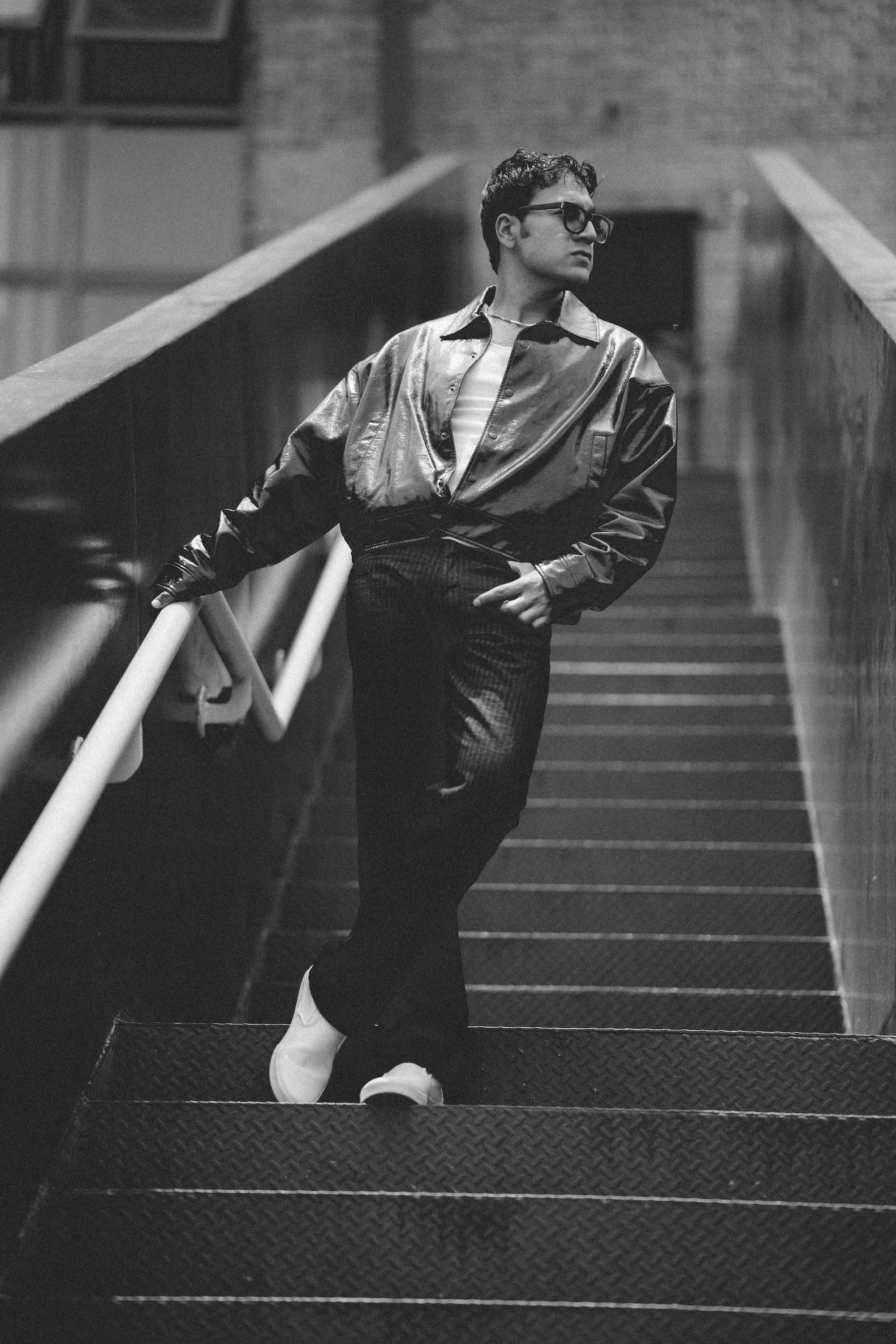
Funny, authentic, and impossible to box into a single category, Adrian Cota is a Mexican singer, songwriter, and producer emerging as one of the most compelling new voices in Latin music today.
His self-titled debut EP arrives as a direct and honest introduction, where soul, funk, pop, and regional Mexican influences coexist naturally, avoiding rigid formulas in favor of a sound entirely his own. Songs like the focus track “PDV,” “MIA,” “Hiere,” and “No Era La Bebida” reveal different dimensions of an artist who sees music as an emotional experience rather than a genre label.
Although this marks his first formal solo project, Adrian is far from starting from scratch. Before releasing his own material, he built a strong career as a songwriter, producer, and performer, studying at Berklee College of Music, sharing the stage with Herbie Hancock and Arturo Sandoval, among others, and collaborating on projects with names such as Carín León, Fuerza Regida, and Cody Simpson. His recent inclusion in Rolling Stone en Español’s The Future 25 also confirms that the industry is already paying close attention.
Behind the credits and the recognition is someone who grew up playing cumbias at quinceañeras and still thinks about music the same way he did then. We sat down with Adrian Cota to get into all of it, from where he started to where he's going, and everything in between.
Your self-titled EP introduces several different sides of you as an artist. Was there a specific emotion or message you wanted listeners to walk away with after hearing the full project?
That’s such a good question. Yeah, it’s the same way as we grow up; you can grow up in different places, but you can always have the root of where you’re from. And you speak that way, right? And you act the way you were raised and the communities where you grew up, and all that.
And that’s what I want people to walk away with, that sensation and knowing that you can just be yourself without trying to be anyone else. And the right people are gonna connect with it, and you can make a big change like that.
Well, you just touched on your upbringing. Can you tell us a little bit about where you grew up? How did this inspire you?
Yeah, I grew up playing in a band with my family, you know, at weddings, quinceañeras, first communions, parties, all types of events. We basically grew up playing music for people to dance and enjoy themselves. We played everything, from ballads to all kinds of music, from Selena to Mexican reggae, salsa, cumbias, and all types of stuff.
So that was my upbringing. Then I came to the United States and started playing a lot of jazz, but I also grew up listening to bands like Earth, Wind & Fire, Chicago, Al Jarreau, and all types of music. Especially a lot of old-school music that my dad introduced me to, like Arturo Sandoval, Prince, and Michael Jackson.
So I grew up playing all that kind of music. Then I came here and started playing jazz and gospel. After that, I got into pop, rock, and blues, and eventually I started touring with a lot of bands around the world. There were bands, blues, and Americana, and I toured with Frank Ryder for a while.
Then I started producing and writing a lot of American music, along with regional music, and that type of stuff. Later on, I began working with many major hip-hop artists.
And that’s really what made me who I am. It’s not like I’m trying to mix everything just because it sounds cool; it’s because I truly live each genre deeply. That’s what makes me who I am. I’m a representation of all those things I just mentioned.
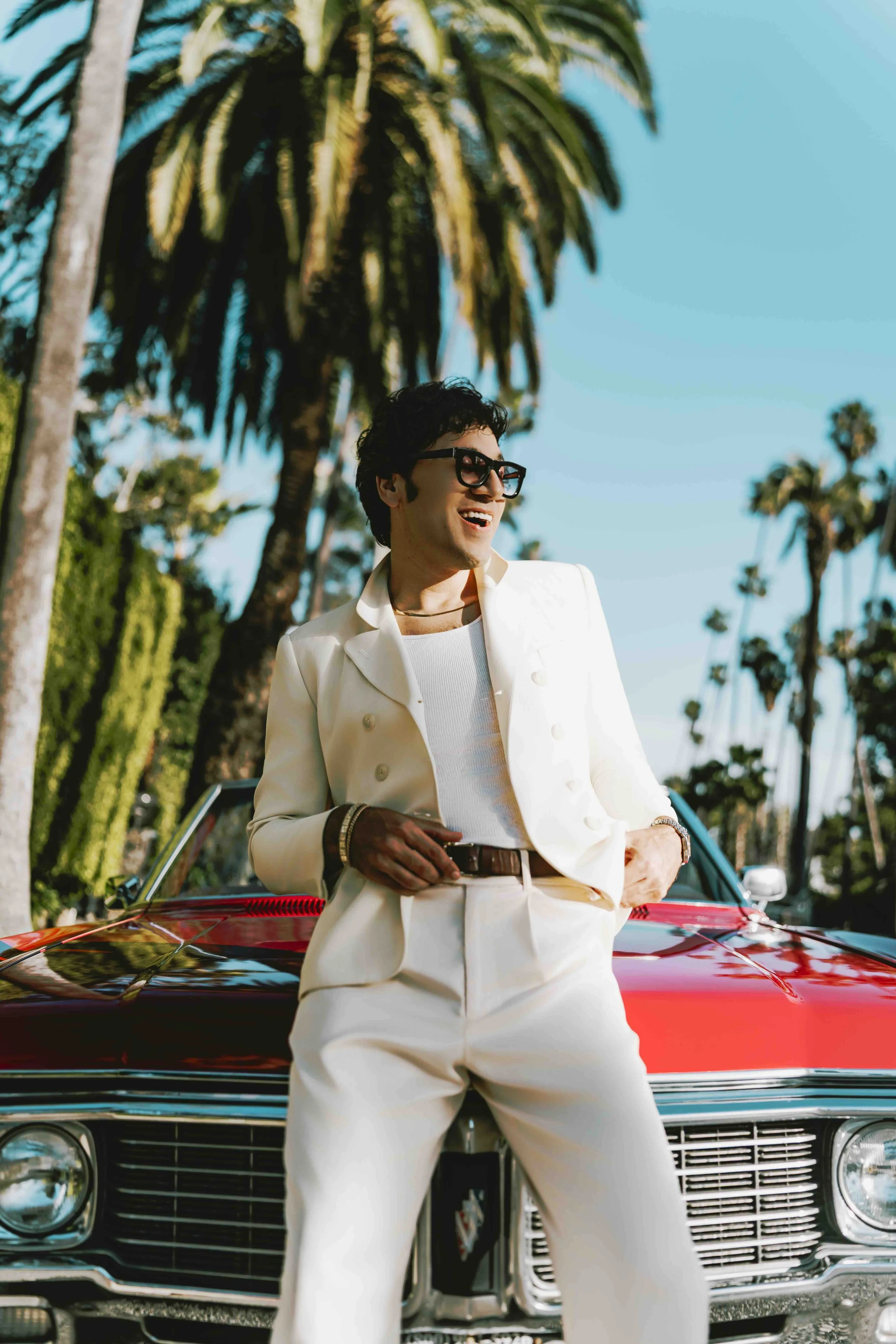
The EP brings together songs that explore very different moods and styles. Which track do you think surprised you the most while creating it, and why?
I would say “MIA” because I wrote and produced that track in one day.
“PDV” feels playful, stylish, and incredibly free-spirited. What was the first image, feeling, or idea that inspired the song?
It was definitely cowboy boots in the city. That’s what inspired me. Yeah, it’s like this girl walking around, you know, just schlepping around.
“PDV” was actually in English first. It was called “Slay.” It was about a girl who’s always late to everything, somehow always running behind, but she still makes it on time. And no matter what, she’s always gonna look “PDV”; she’s always gonna look amazing, even though her life is kind of chaotic. But it’s a cool, chaotic life, and I feel like a lot of girls can relate to that.
There’s something very intentional about the way you blend funk, soul, and punk. How did you develop that sound without losing your identity in the process?
Honestly, it was just something like a first intuition. But something that really helped me was always making sure I stayed true to myself, no matter what.
And I know that when you create something new, when you do something different, it can be hard at first for people, especially a larger audience, to fully understand it. But once something hits and something sticks, then you realize it’s really cool and really fun.
But yes, it was always like a first intuition, being surrounded all the time by the right people and understanding the vibe, understanding the goal of this.
Before launching your solo career, you already had a strong path as a songwriter and producer, including work connected to Carín León, Fuerza Regida, and Cody & The Tide. How has working behind the scenes shaped the way you approach your own artistry now?
Definitely understanding what a song is about. Everything is about the song, and I think selecting the right songs for a project is very important.
I really do whatever is best for the song, always, and collaborating with many people helps me a lot with that. You’re gonna do whatever it takes, no matter what.
If you need to collaborate with other people, or if you need to bring other forces into the song, it’s just because that is what the song needs. I think that is what I learned from working with other people: do whatever you have to do and leave the egos outside. I think that’s best.
You studied at Berklee College of Music and even shared the stage with artists like Herbie Hancock and Arturo Sandoval. Looking back, what experiences most changed your perspective on music and performance?
Everyone experiences music differently, but there’s always one thing I take from it, and that’s feeling. I think that’s what music really is.
I make music based on feeling, and that’s something my synesthesia helps me with. If I feel something as a certain color, other people might perceive it in different colors, but they’re still going to feel something. There’s always going to be some emotional reaction.
If a song makes you feel sexier or makes you feel expensive that day, it’s going to make people around the world feel a certain type of way. And all the theory and technical stuff behind it definitely helps, but at the end of the day, feeling is universal.
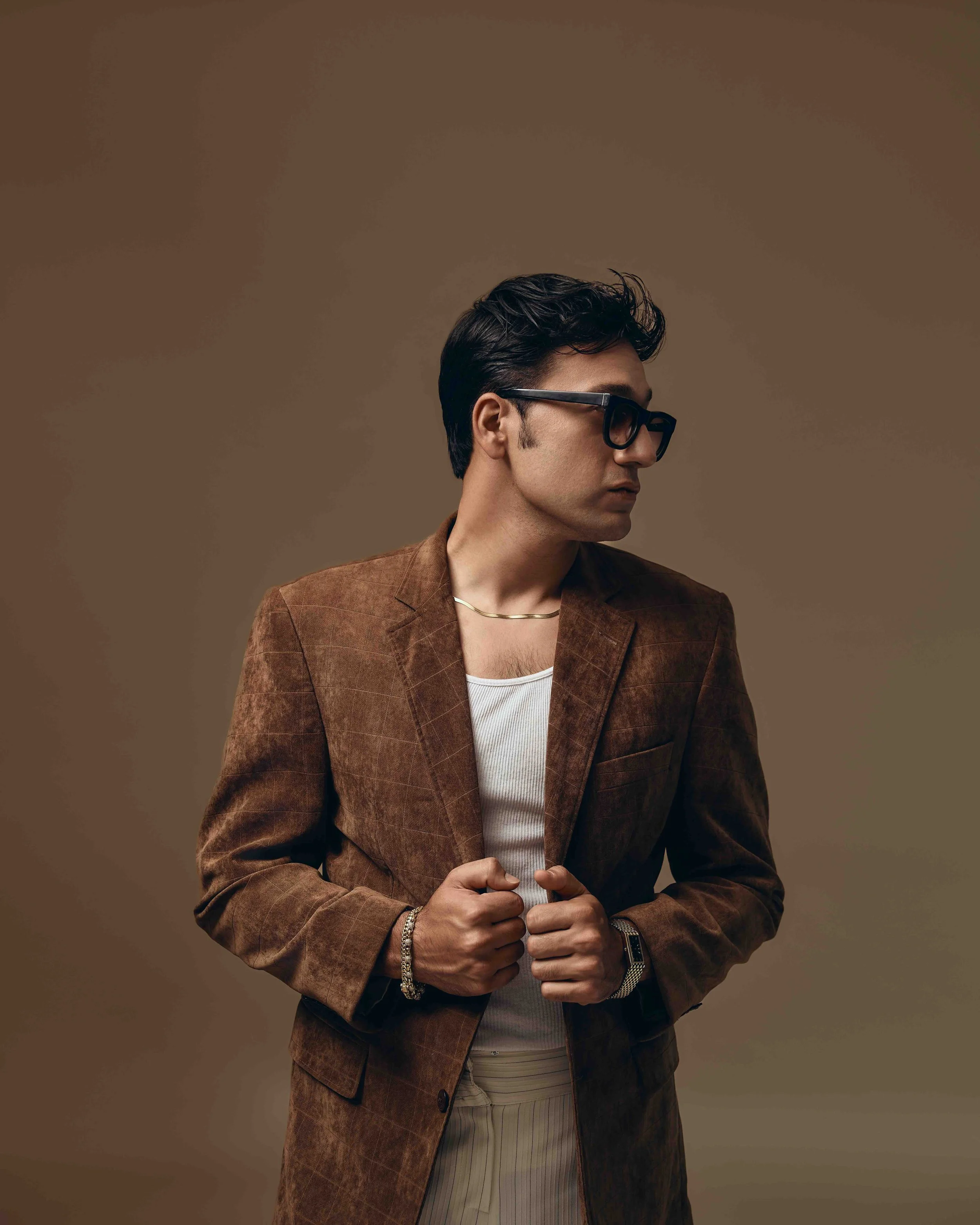
Rolling Stone en Español recently included you in The Future 25, recognizing artists shaping the future of Latin music. How did that recognition feel at this particular stage in your career?
It feels really motivating, and it makes me feel very driven. I take it as a beautiful thing, but it also gives me a little more gas to keep pushing forward in my career and accomplish even more things.
The fact that they included me in that class, the future of music for 2025 or 2026, means a lot. Being named alongside artists who are truly amazing and whom I also admire was really special.
It felt really good to be part of a community where everyone is so passionate about what they do and stays true to themselves. So I feel really honored and blessed, and it just gives me even more motivation to keep going and do huge things in the world.
You recently performed in Miami during the UNSIN Music Festival and also appeared as a guest artist during concerts by Manuel Medrano and Matisse at the Auditorio Nacional. What have those live experiences taught you about the kind of performer you want to become?
I am the performer I want to be, and I’m where I need to be. From here, it’s only going up through more experience and by continuing to build a bigger audience.
Every day I find new motivation and new goals, and I’m super excited about that. I truly love what I’m doing, and I wouldn’t change it for anything.
I’m just going to become a better version of myself every day, a better performer every day, and I’m going to get to the top. I’m manifesting it, and I’m working for it.
Being able to perform and appear as a special guest with my friends at places that are so legendary is really motivating. It inspires me to one day headline those venues myself.
This EP feels like both an introduction and the beginning of a much bigger artistic chapter. Now that people are finally getting to know Adrian Cota as a solo artist, what excites you most about what comes next?
Definitely touring. I’m really excited about touring and taking my music and live show all over the world. That’s what excites me the most.
Follow Adrian on his socials: Instagram, Facebook, and YouTube.