
Daniel Winn on the Human Cost of Separation
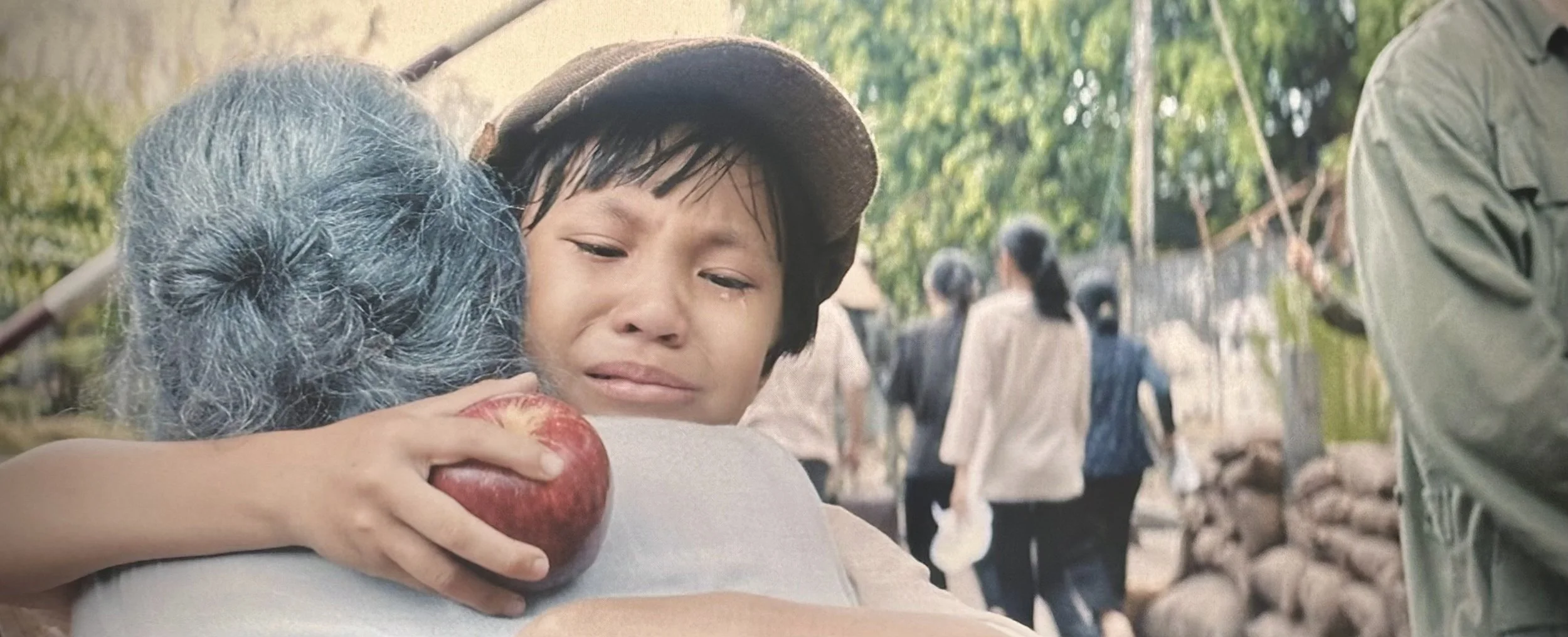
The last thing Daniel Winn remembers receiving from his grandmother before they were separated was an apple.
He left Vietnam as a child in 1975. Bà Nội, his grandmother, stayed behind. Decades later, the apple became a recurring symbol in Chrysalis, the autobiographical feature drawn from his childhood. Asked about it in an interview with Antonym, Winn returned to the person who had given it to him. “That was the last thing given to me by my grandmother before we were torn apart.”
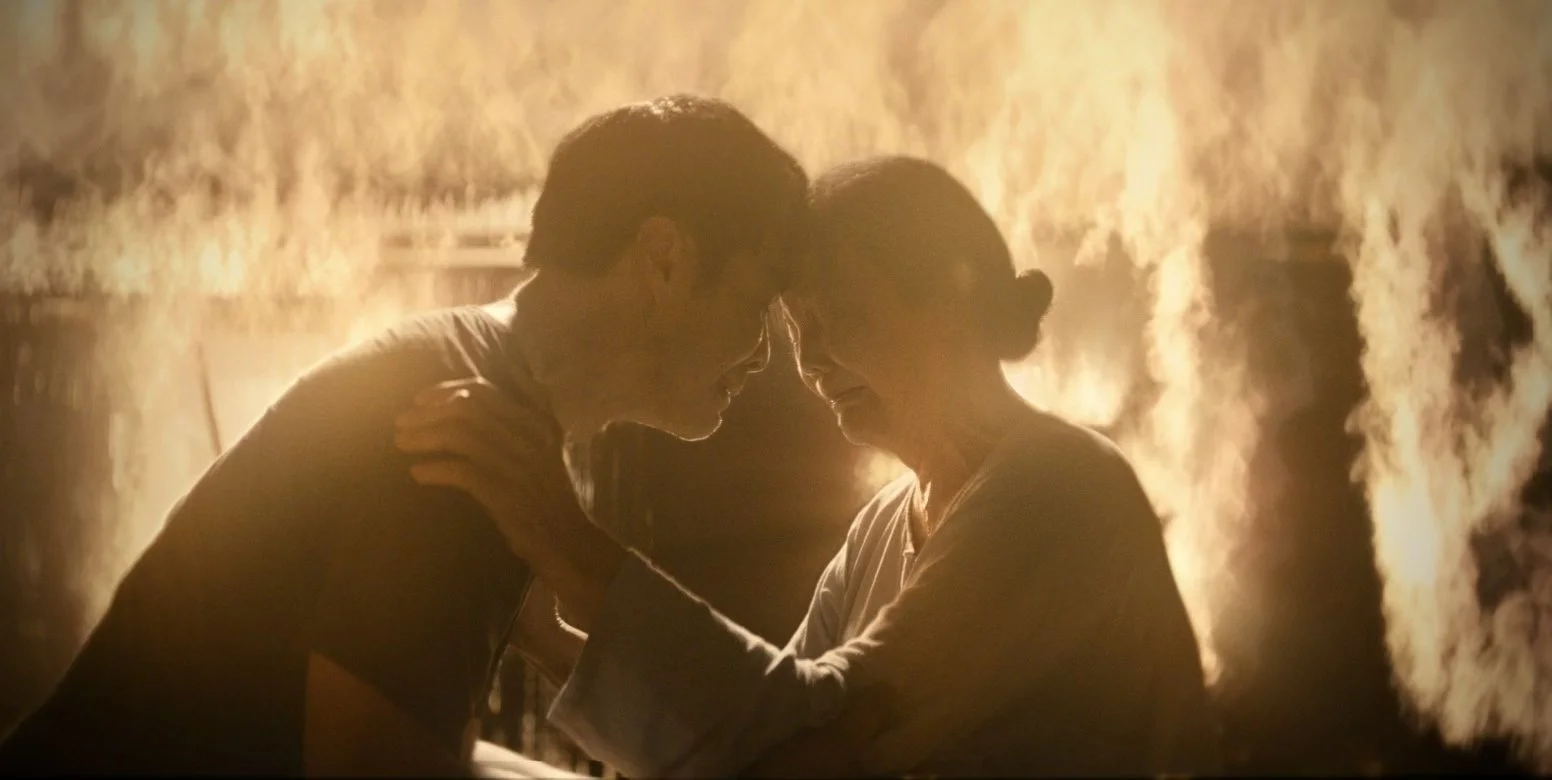
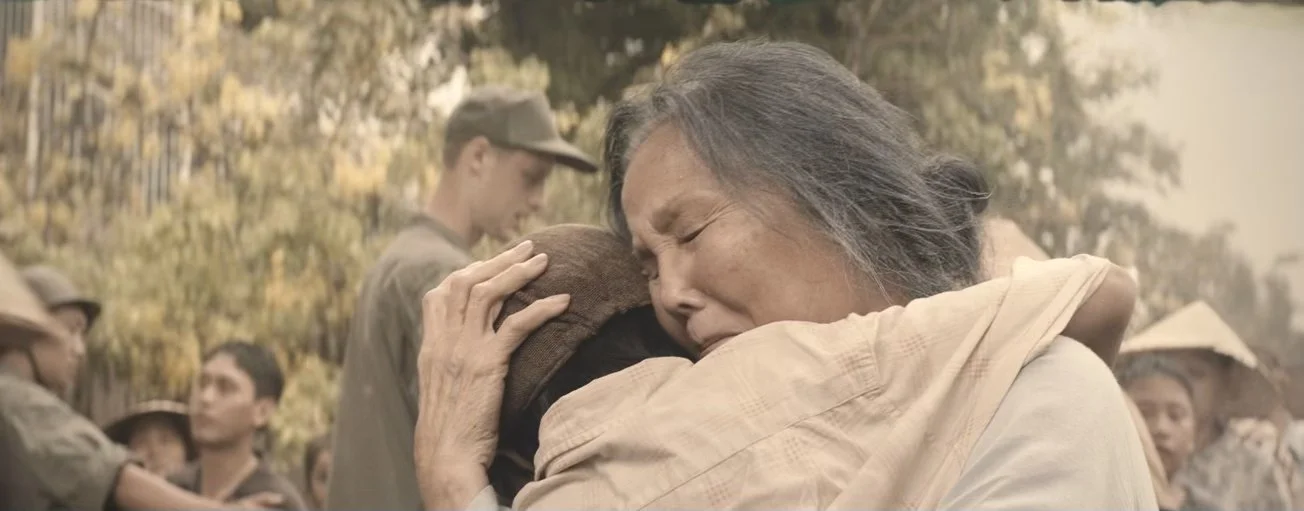
ELLE Vietnam’s review of Chrysalis singled out the convincing interaction between Kiều Chinh and Uy Nhân as grandmother and grandson.
For the Vietnamese American painter and sculptor, a life in America grew around that absence. There was a new language to learn, an unfamiliar culture, an education and eventually a career in art. There was also a grandmother he could not bring with him. The opportunity to begin again did not resolve what had happened before he arrived.
“I left Vietnam as a child. I carried that departure with me for decades,” he told Variety.
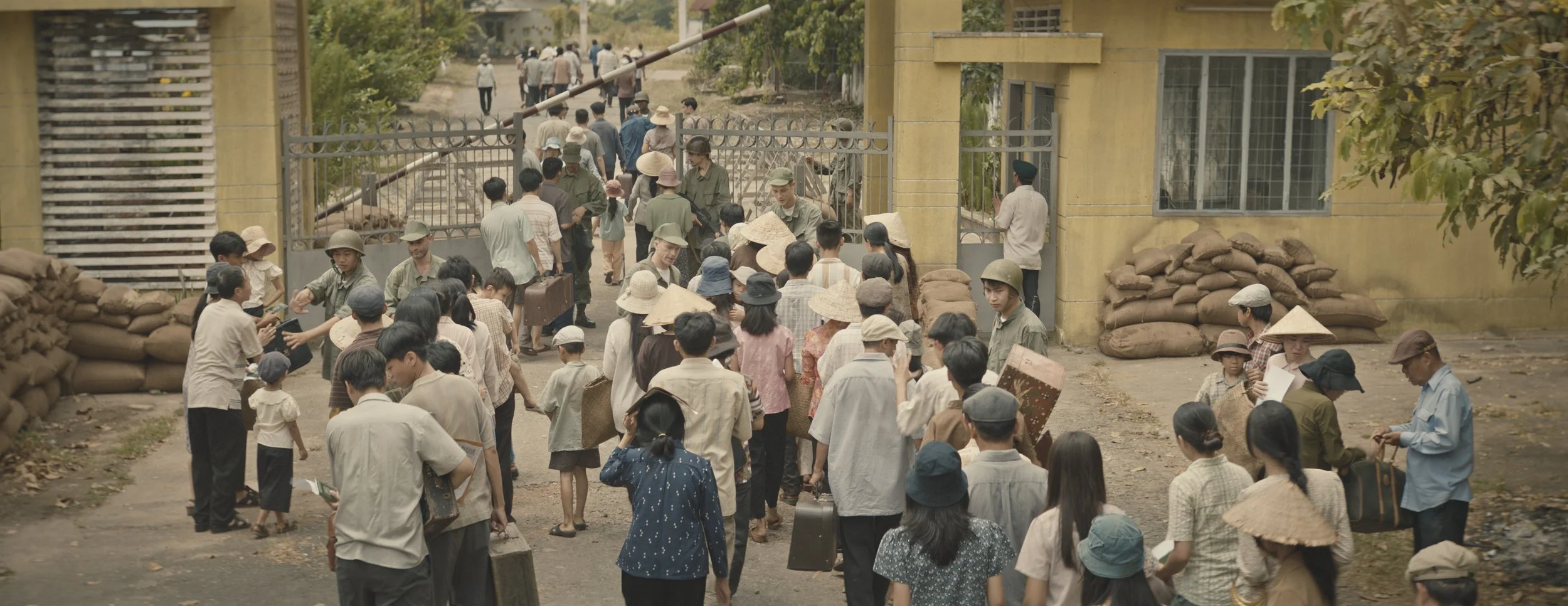
His story gives the immigration argument a longer timeline. Decisions about who can enter a country are followed by years in which people learn how to live there, raise families and discover what they can contribute. Some carry an absence that success cannot fill. Winn has spent much of his life trying to express his own.
Harper’s Bazaar Vietnam quoted him saying, in translation, “Now I am successful, but I still want to return to those days, living beside my grandmother.”
In an earlier interview for Authority Magazine, he described the disorientation of arriving as a boy who had barely known the world beyond home. Familiar food, language and surroundings were suddenly gone. He recalled arriving in California and going to a refugee camp at Camp Pendleton. Gratitude and bewilderment existed together.
“I'm grateful for the people in the United States who allowed us to come here to have a better life without even knowing who we were,” he said in that interview.
That welcome is part of how he thinks about immigration. So is the question of what might never have happened without it. His paintings, sculptures and charitable work followed an opportunity he could not have created for himself as a child.
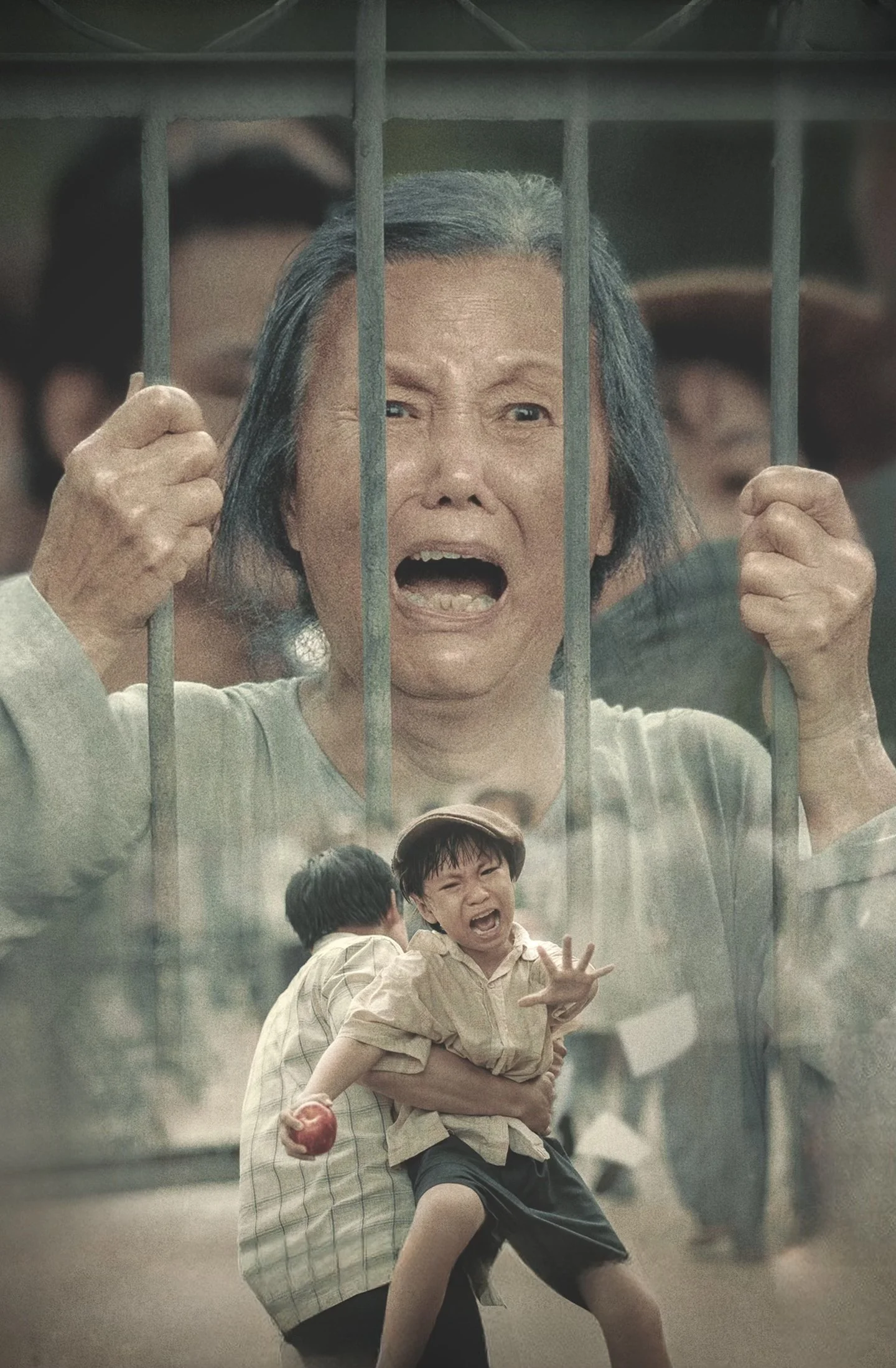
Asked in an earlier interview about walls, detention and people being turned away from the United States, Winn answered directly: “I do not believe in walls. I do not believe in borders. I do not believe in detention centers.” He also said, “I'm not a politician.”
He went on to wonder whether someone capable of extraordinary work might be denied the chance to develop it. He imagined what would have been lost had he himself been unable to enter the United States and express his talent. The question concerned people whose possibilities were still unknown, as his own had been when he arrived.
Those remarks came from his experience as a refugee, rather than expertise in immigration law. His departure during the war in Vietnam belongs to its own history.
For Winn, the image of a border is inseparable from the gate that closed between him and his grandmother in Vietnam. He says watching coverage of families being detained and separated brings that experience back through nightmares and what he describes as PTSD. He imagines his grandmother here with him and asks how either of them would cope if the other were detained.
Today, Winn is an American citizen with a life that includes his husband and creative partner, Randall J. Slavin, his gallery, his business, his friendships and his community. The country he entered as a child is the place where those ties have grown over decades. Though Winn himself is not facing removal from the United States, his concern extends to others who may be forced to leave the lives they have built.
He worries about being separated from his husband and the people who depend on him, and says he now carries his paperwork with him and finds himself looking over his shoulder. Passing a police officer or government official can bring on panic, he says. “This is a country of freedom and yet I don't feel free,” he said in a recent conversation. “At this very moment, I feel threatened, I feel scared.”
America offered Winn possibilities. It also required him to find his way through prejudice and the feeling of being an outsider. In an interview for GoldenGlobes.com, he spoke about the connection between that feeling and his earlier childhood. “It's a feeling of being unwanted, whether as an orphan in Vietnam or an Asian immigrant in the US. I felt like an outsider.”
Art had given him somewhere to go before he could explain any of this. As a child, he drew to escape his surroundings. His grandmother encouraged him. Later, painting and sculpture became ways of working with memories he could no longer escape simply by imagining another world.
“The art becomes now a healing process because the wounds that I have tried to heal through the decades become scars,” he told Antonym. “And when the scars never heal, it is transformed into the art.”
Chrysalis brought him back to the separation through another medium. Kiều Chinh portrays Bà Nội, and Winn appears as himself as an adult. Watching her perform gave him a way to approach a goodbye he had never been able to say. The film became another expression of a relationship that had already shaped his life and work.
In his recent UCLA Daily Bruin interview, he described how long he had carried the feelings attached to his grandmother. “The regret, guilt, and resentment over the opportunities I missed during my grandmother’s lifetime had always been internalized. This whole process gave me closure.”
He has also described the difficulty of explaining a life lived between cultures. “Being Vietnamese and living in America means experiencing two cultures,” he said in the same interview. “It is a life that is hard to explain to people who have not had that experience.”
His art gives that experience a form other people can encounter. The details belong to him: the departure from Vietnam, the grandmother left behind, the work of making a life in California. The feelings need less translation. Someone who has waited to see a parent, missed a final conversation or wondered whether a loved one would be proud can recognize something of their own.
For all the distance between the child who left Vietnam and the artist he became, the wish he expressed when asked what he would want Bà Nội to say about Chrysalis was very small.
“I am proud of you,” he said. “That's it.”
Get to know more about Daniel Winn
Instagram - Facebook - Website