
The Ritualistic Sound of Food for the Wyrm Comes Alive on “A Wicked Huntsman”
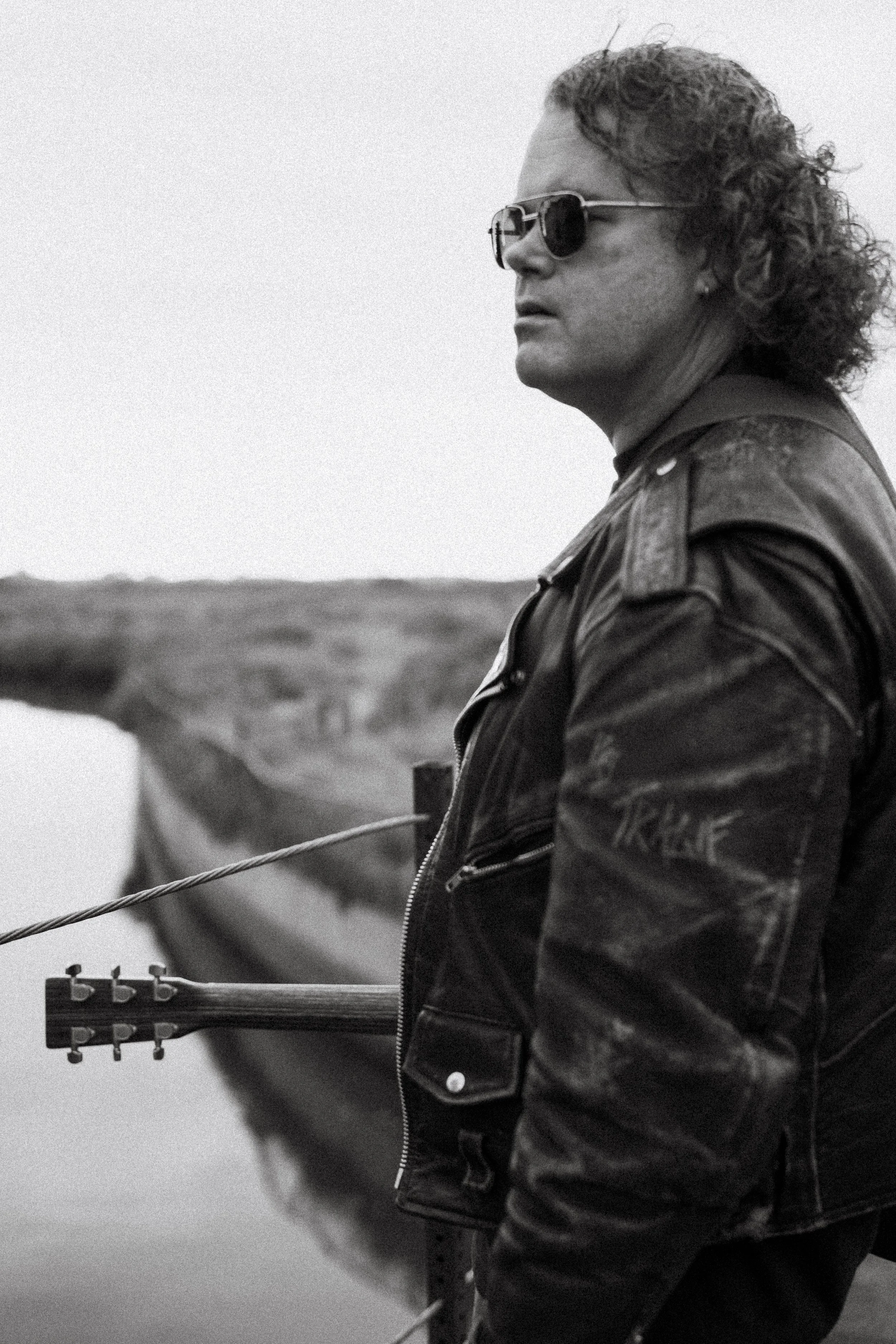
Tired of the cookie-cutter styles of mainstream music? California-based Food for the Wyrm arrives with his debut album, “A Wicked Huntsman,” and yes… it truly lives up to its name.
This project marks singer-songwriter Beau James Wilding’s evolution into darker and more aggressive territory. He crafts a record that feels raw, ritualistic, and emotionally exposed, where folk traditions collide with doom-laden waves, punk urgency, and psychedelic textures.
The album’s central concept connects six songs to flowers native to the Irish countryside, each symbolizing emotional wounds tied to betrayal, shame, addiction, or loss. “A Wicked Huntsman” frames these painful experiences as part of a search for meaning and personal transformation.
What makes the album especially compelling is how it blurs the line between preservation and reinvention. Alongside original material, Beau reshapes traditional folk songs and older compositions into something heavier and more cinematic without losing their ancestral spirit.
The project was first recorded in rural Ireland before being completed in California, a contrast that mirrors the album itself, rooted in old-world folk traditions while embracing a harsher, more modern sonic identity.
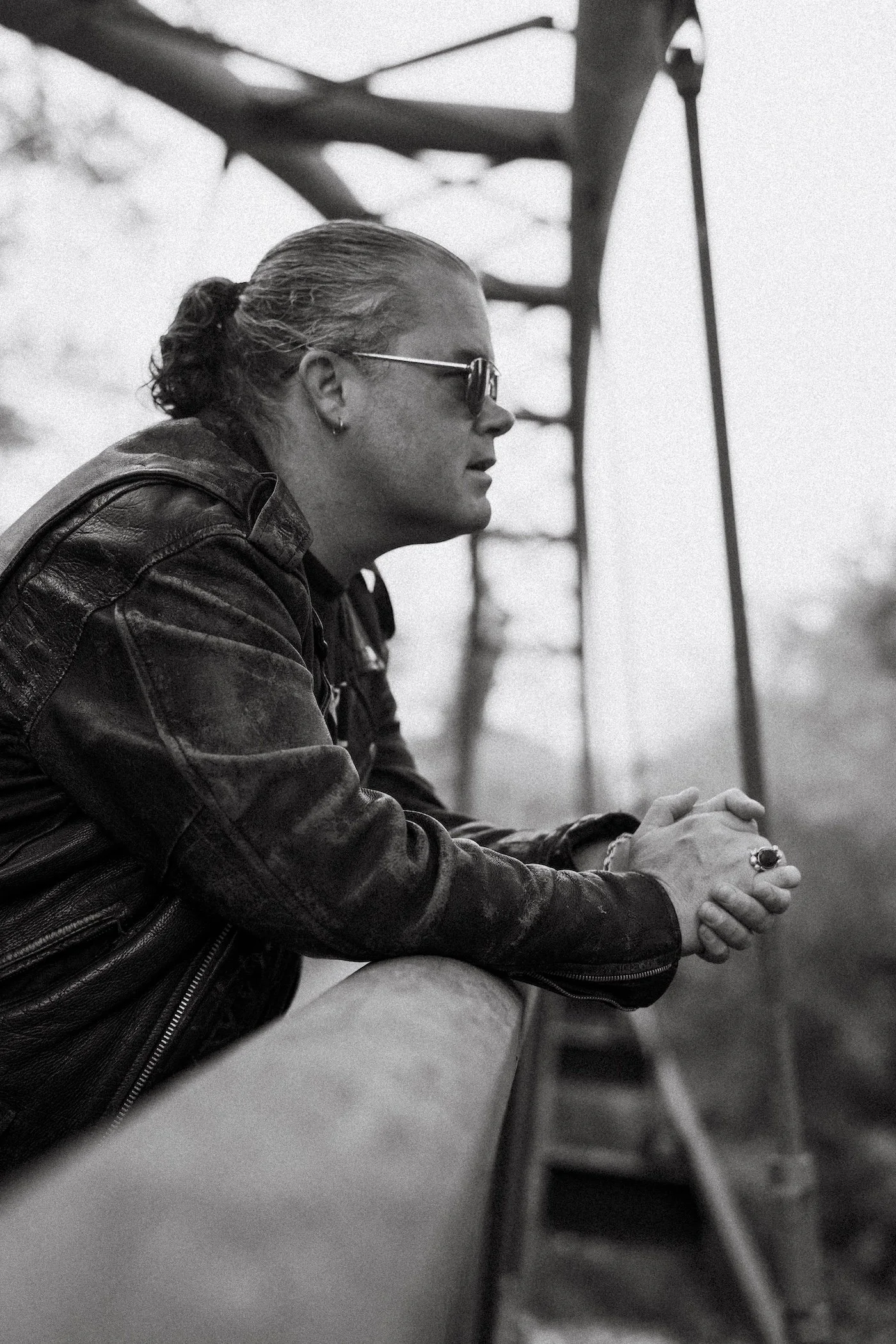
Beau James Wilding carries much of the album’s emotional and instrumental weight himself, blending acoustic instrumentation, slide guitar, shruti box drones, bells, and commanding vocal performances that shift between introspection and ritualistic intensity. The record also features contributions from “Irish” Tom on bodhran and shruti box, alongside Frank Martian on electric guitar and synthesizer. Their additions expand the album’s eerie, immersive atmosphere without overshadowing its deeply personal core.
The album opens with “Nigrido,” pulling listeners into an ethereal landscape that feels both isolated and haunting. The experience resembles standing in a barren northern wilderness, surrounded by fog and endless stretches of green. A profound sense of solitude, stillness, and calm lingers throughout the track. Next, “The Lowlands of Holland” shifts into folk-metal territory with invigorating vocals that resemble a warrior’s chant before battle. “Nobody’s Fault But Mine” leans more traditional, pairing acoustic guitars with an easygoing melody while the vocals once again carry a commanding presence. “Unfortunate Rake” arrives with relentless intensity, sounding like the final prayer of a dying man before surrendering to death.
“Lovers and Friends” offers a quieter moment, easing into the melody through acoustic guitar while carrying a subtle Americana influence. Even there, the vocals remain powerful and authoritative. “The Blacksmith” emerges as another standout, delivering the energy of a battle cry destined to become a war anthem. “The Bells of Sleep” drifts between folk and psychedelia, blending acoustic guitars with eerie melodies and distant, distorted vocals. Closing the album is “Rubedo,” a dark folk-ambient piece that leaves behind a lingering sense of release and emotional weight, as though reality slowly settles back onto your shoulders.
Nearly every song on the record feels suited for the world of an epic dark fantasy tale. Food for the Wyrm pulls listeners into a confrontation with mortality itself, wrapped in fog, distortion, and folklore. Beneath its bleak atmosphere, “A Wicked Huntsman” ultimately asks the simple but powerful question, “What do we do with the limited time we have left?”
Follow Food for the Wyrm socials for more info:
Instagram - TikTok - Facebook