Sick New World Returns to Las Vegas With a Bigger World, Heavier Lineup, and First-Ever Texas Expansion
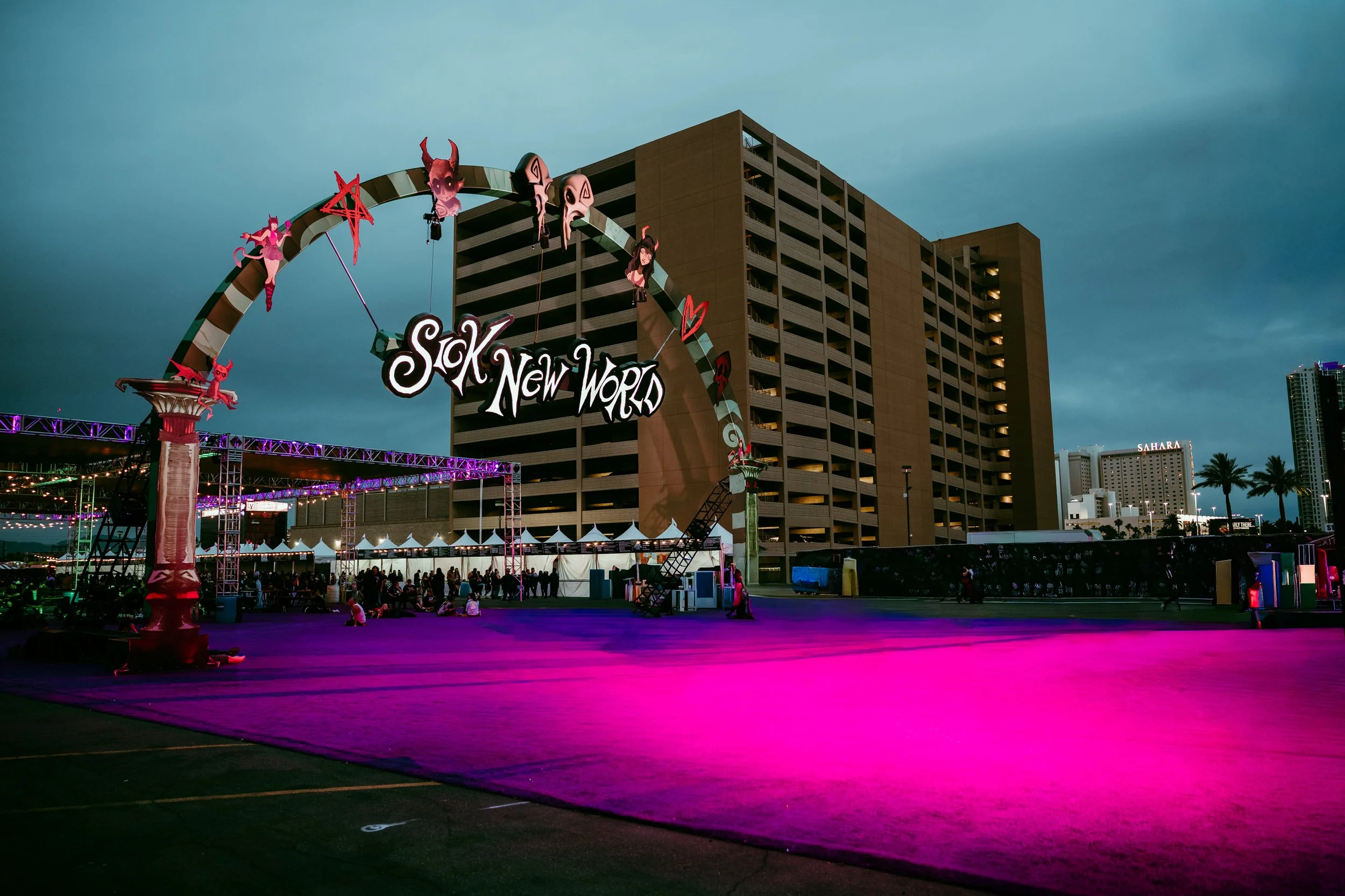
Sick New World returned to the Las Vegas Festival Grounds on April 25, bringing another large-scale gathering of heavy alternative music to the Strip. The 2026 Las Vegas edition continued the festival’s growing focus as a meeting point for nu-metal, metalcore, industrial, goth, hardcore, hip-hop, and alternative rock, while also marking a major moment of expansion for the festival as it prepares to head to Texas later this year for the first time.
Since its launch, Sick New World has built itself around a specific kind of cultural memory. It pulls from the bands and sounds that defined the late ’90s and early 2000s, but it has also become more than a nostalgia event. The festival now operates as a broad snapshot of heavy music’s past and present, placing longtime genre leaders alongside newer artists who are pushing aggressive music forward in real time. This year’s Las Vegas lineup, led by System of a Down and Korn, reflected that balance across the entire day.
For returning fans, the layout of the festival grounds felt familiar. Sick New World once again made use of the Las Vegas Festival Grounds in a way that echoed past editions of the event, as well as the structure fans have come to know from When We Were Young Fest. The setup made the experience easy to navigate for anyone who had attended either festival before, with multiple stages, brand activations, food and drink areas, merch lines, and photo opportunities spread across the grounds. That familiarity helped give the day a sense of rhythm, even with a dense schedule and several major set conflicts.
This year, the visual build-out also played a major role in the experience. One of the most notable additions was the presence of multiple System of a Down installations across the festival grounds. As one of the event’s headliners, the band’s influence extended beyond the stage. Fans could find custom S.O.A.D.-themed boxes tied to “Chop Suey!,” along with a walk-through gallery, photo spots, and a secret hideout bar that extended the band’s world beyond the performance itself. These installations gave festivalgoers more than a standard branded backdrop. They created small immersive moments throughout the day, giving fans a chance to engage with one of the festival’s most important acts before the band even stepped onstage.
Sick New World’s growth was also visible beyond the Las Vegas grounds. While the festival has been closely tied to Nevada since its launch, 2026 marks the first year it will expand into a second city, with a Fort Worth edition scheduled for October 24 at Texas Motor Speedway. The move gives the festival a new foothold in one of the country’s strongest rock and metal markets, while opening the experience to fans across the South who may not have been able to make the trip to Las Vegas.
The expansion signals a new phase for Sick New World. What began as a destination festival built around a specific revival of heavy alternative culture is now developing into a broader festival brand. Las Vegas still gives the event its signature atmosphere, with the desert heat, neon backdrop, and high-volume energy that match the scale of the lineup. But the addition of Texas shows that demand for this world is no longer tied to one city. Sick New World has become something fans are willing to travel for, and now something the festival is beginning to bring closer to them.
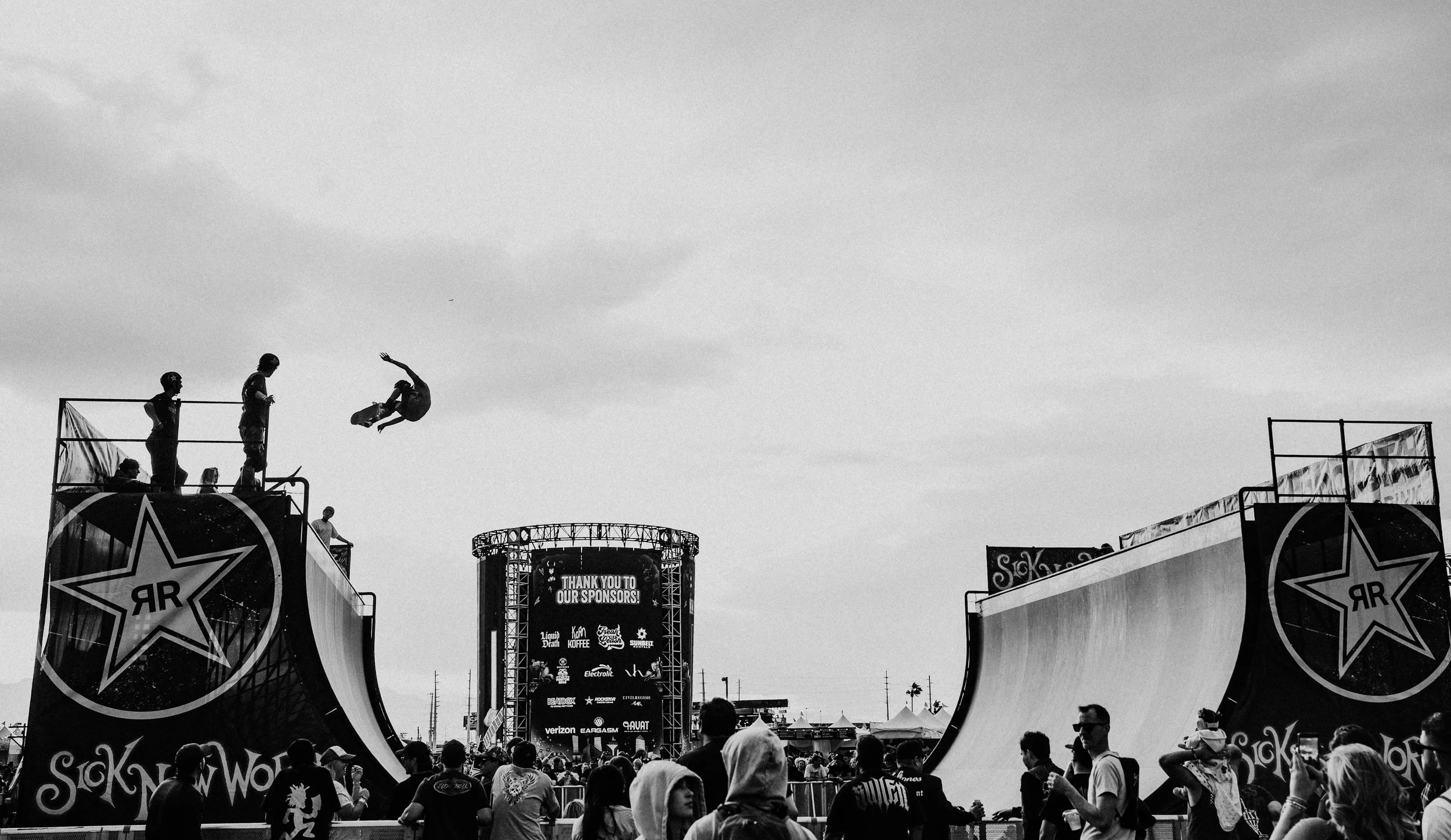
On the performance side, the Las Vegas lineup covered a wide stretch of the alternative and metal landscape. System of a Down and Korn gave the top of the bill its clearest connection to nu-metal’s most influential era, but the day moved beyond one genre. The festival brought together bands that helped shape the foundation of modern heavy alternative music alongside acts currently gaining momentum across hardcore, metalcore, and experimental metal.
Bring Me The Horizon brought one of the day’s clearest examples of how far modern heavy music has expanded. The band’s evolution has taken them from metalcore roots into a much larger, genre-fluid space, which made them a natural fit for Sick New World. Their presence connected the festival’s early-2000s influence to the current arena-sized version of heavy alternative music, where electronic textures, pop instincts, breakdowns, and massive hooks can all exist in the same set.
AFI added another important layer to the lineup. Few bands have moved through alternative music with the same kind of longevity and reinvention, shifting across punk, goth, post-hardcore, and alternative rock without losing their identity. At Sick New World, their inclusion helped widen the emotional and stylistic range of the day. They represented a different side of the festival’s history, one built less on volume alone and more on atmosphere, tension, and transformation.
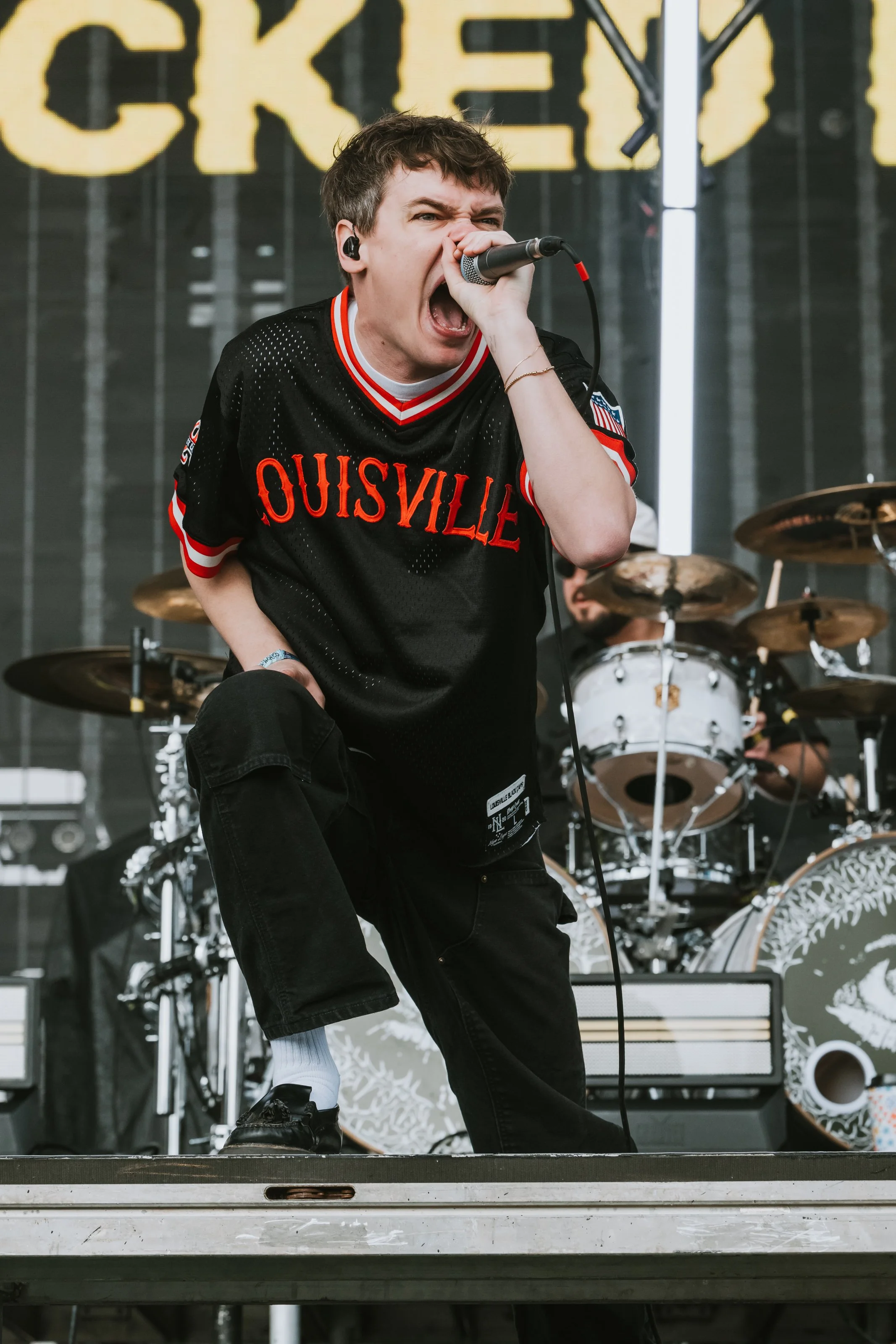
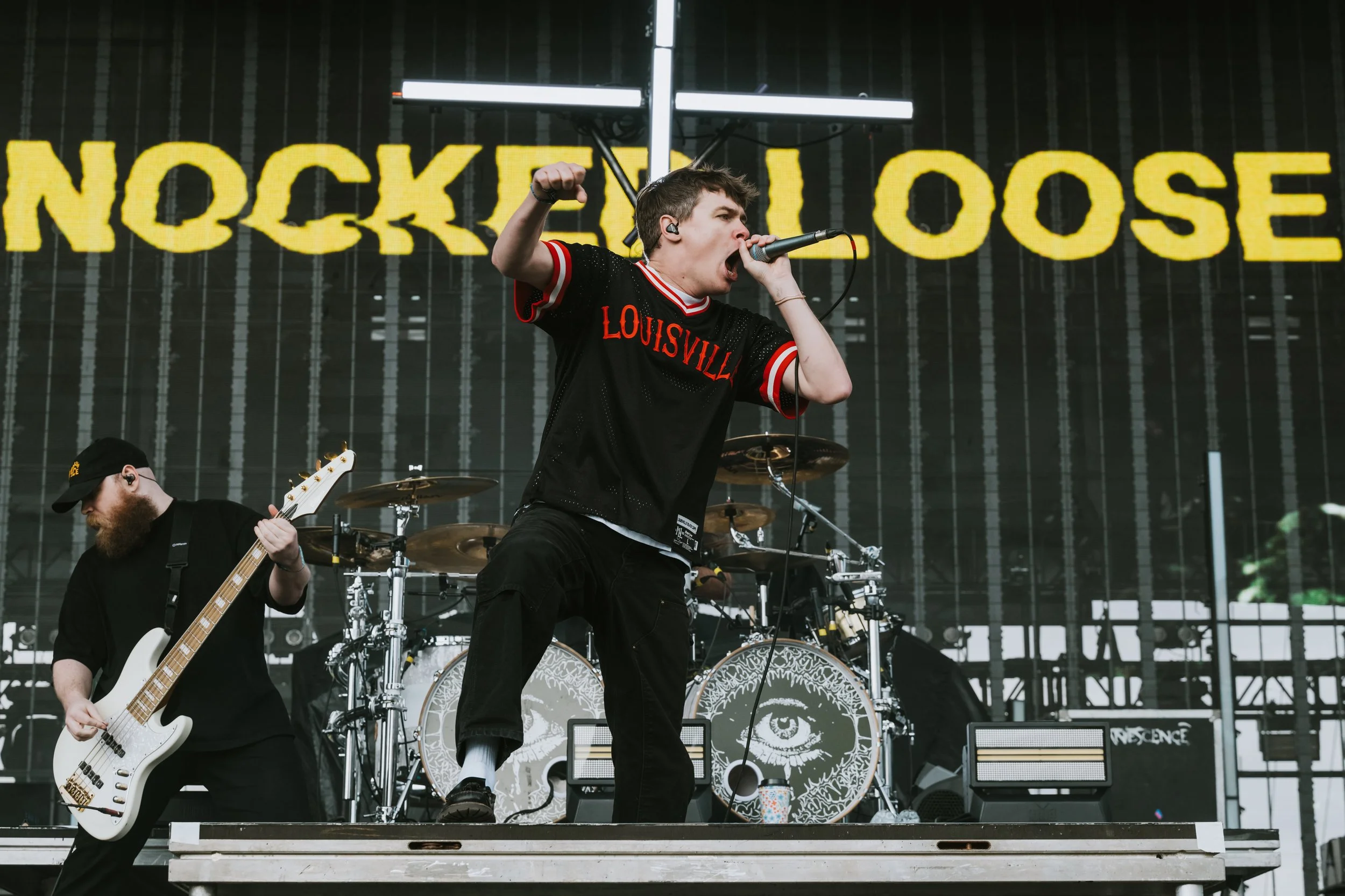
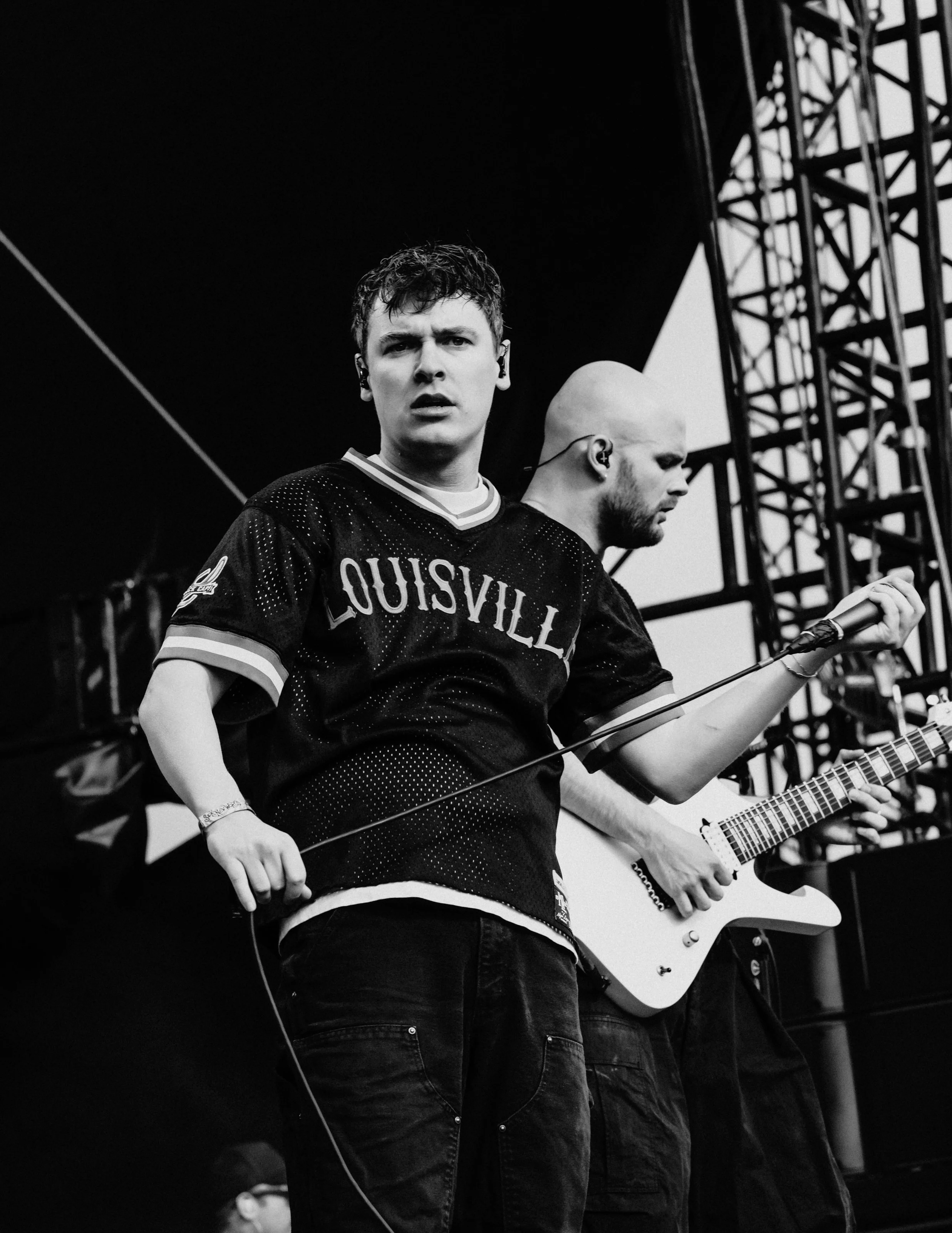
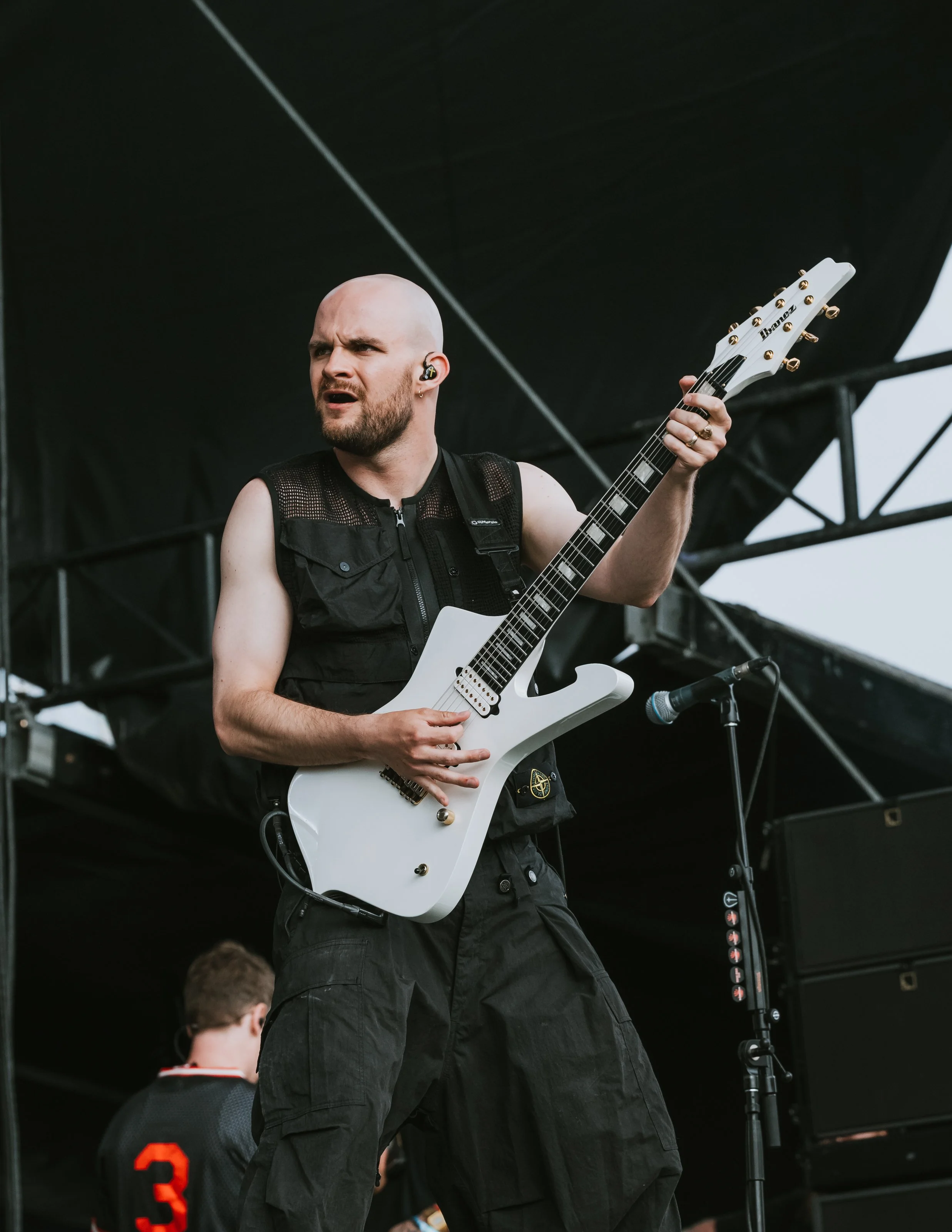
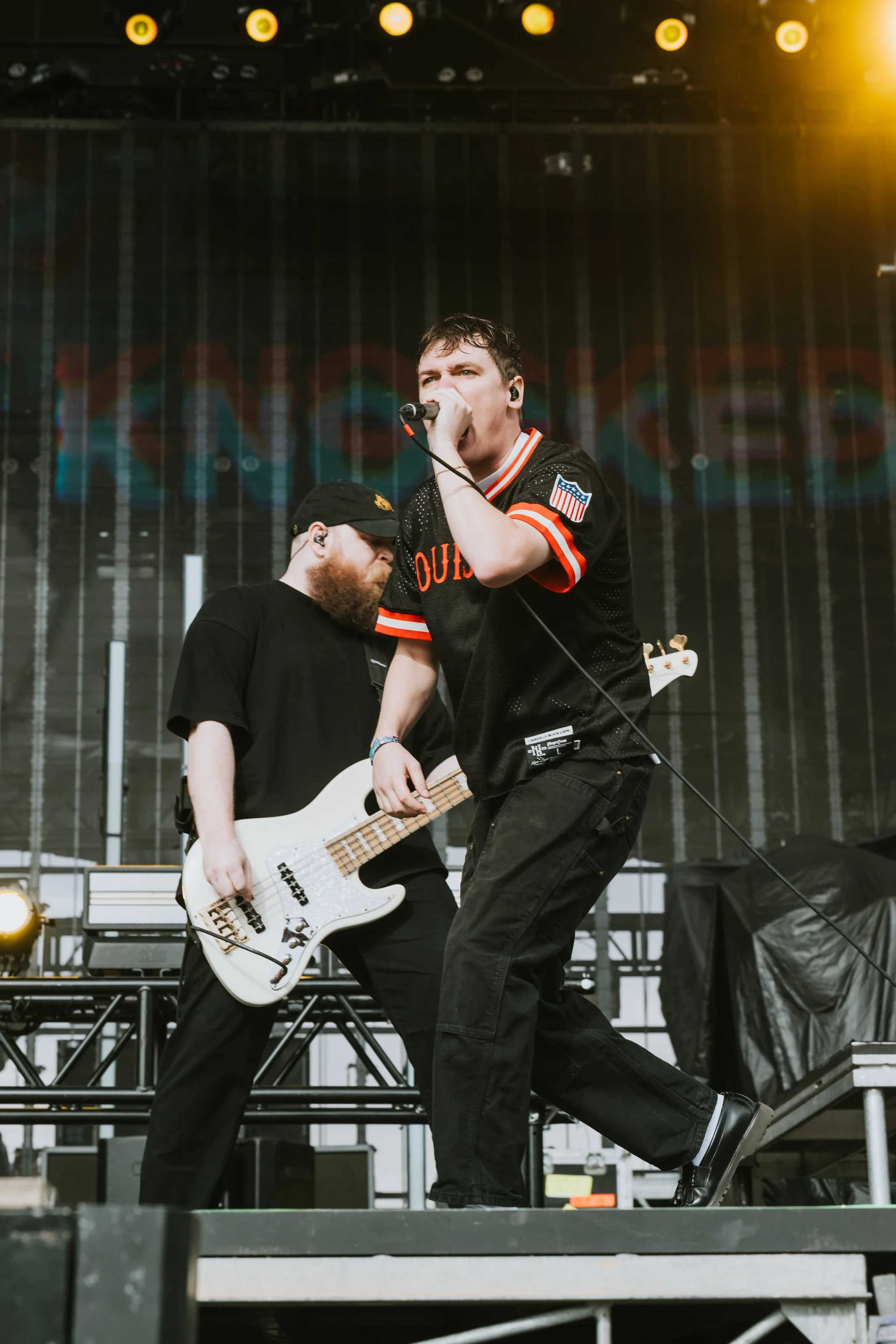
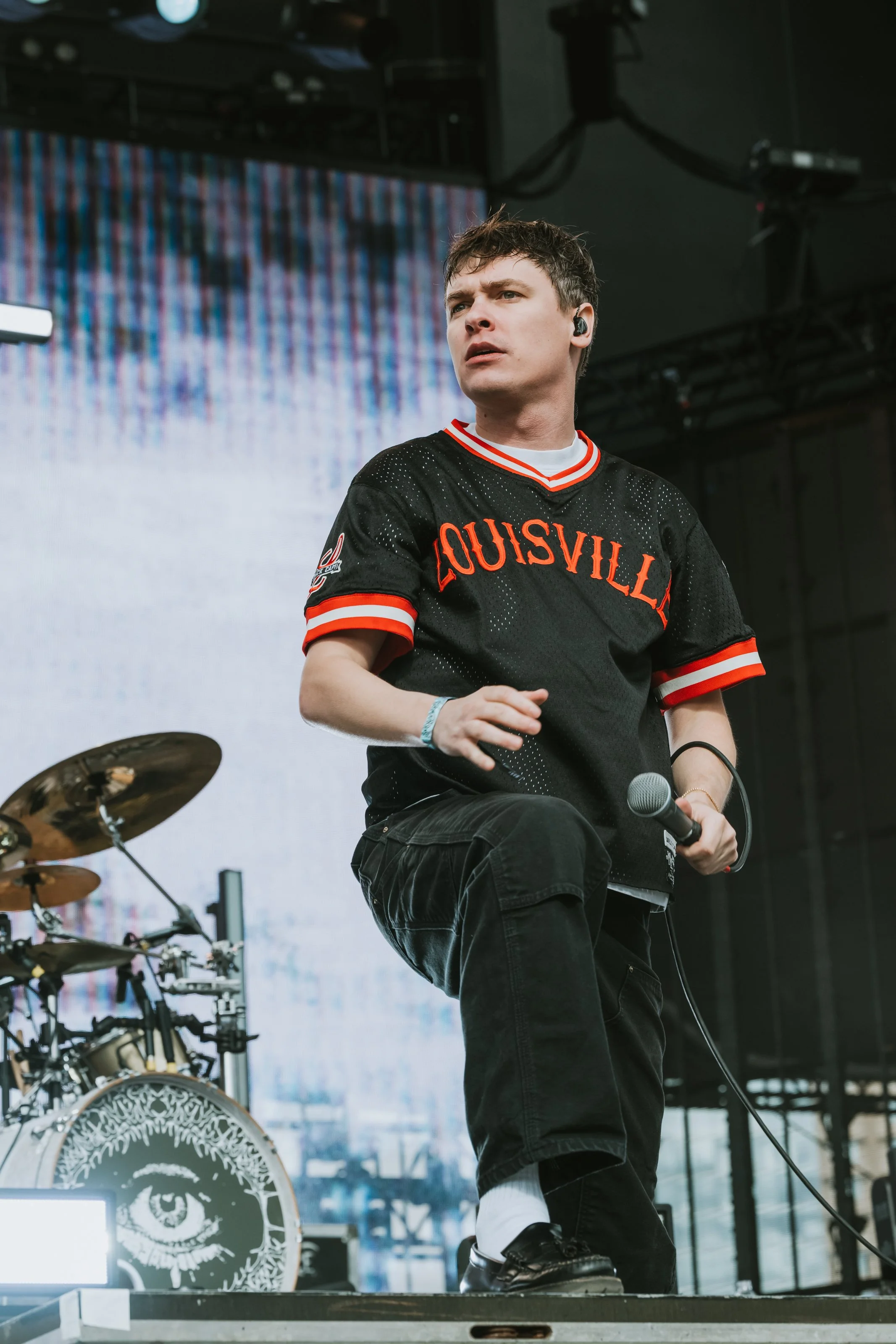
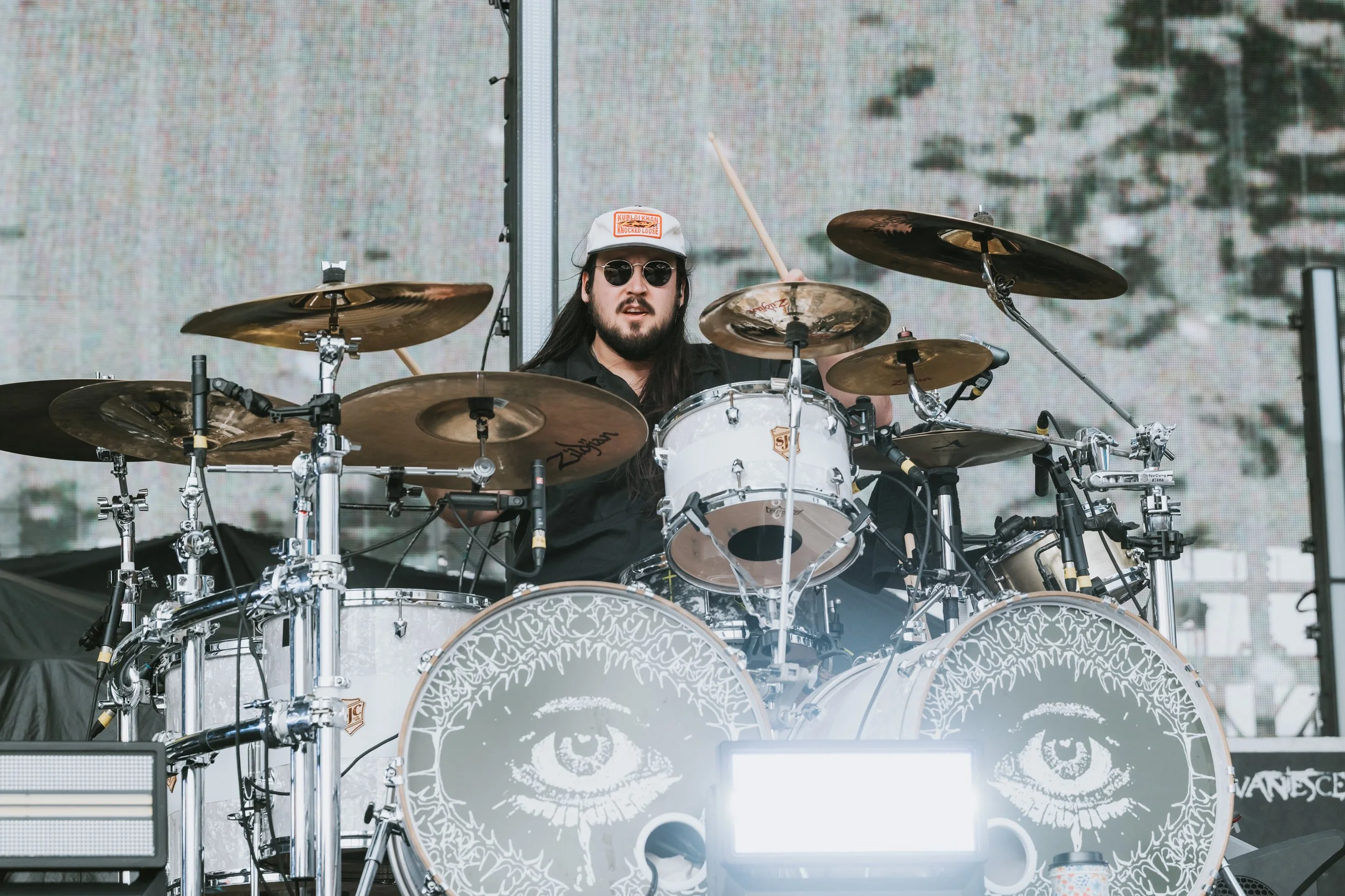
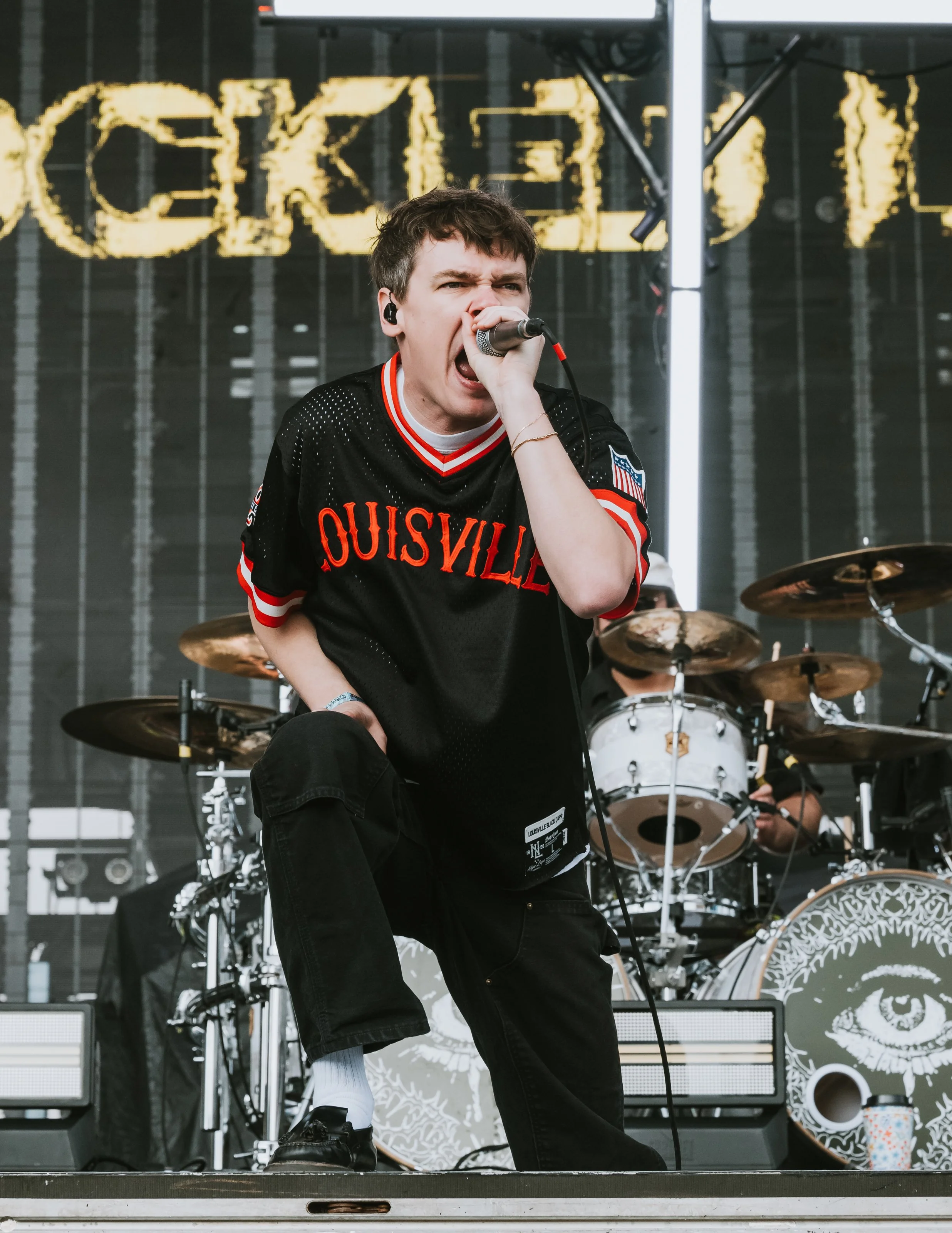
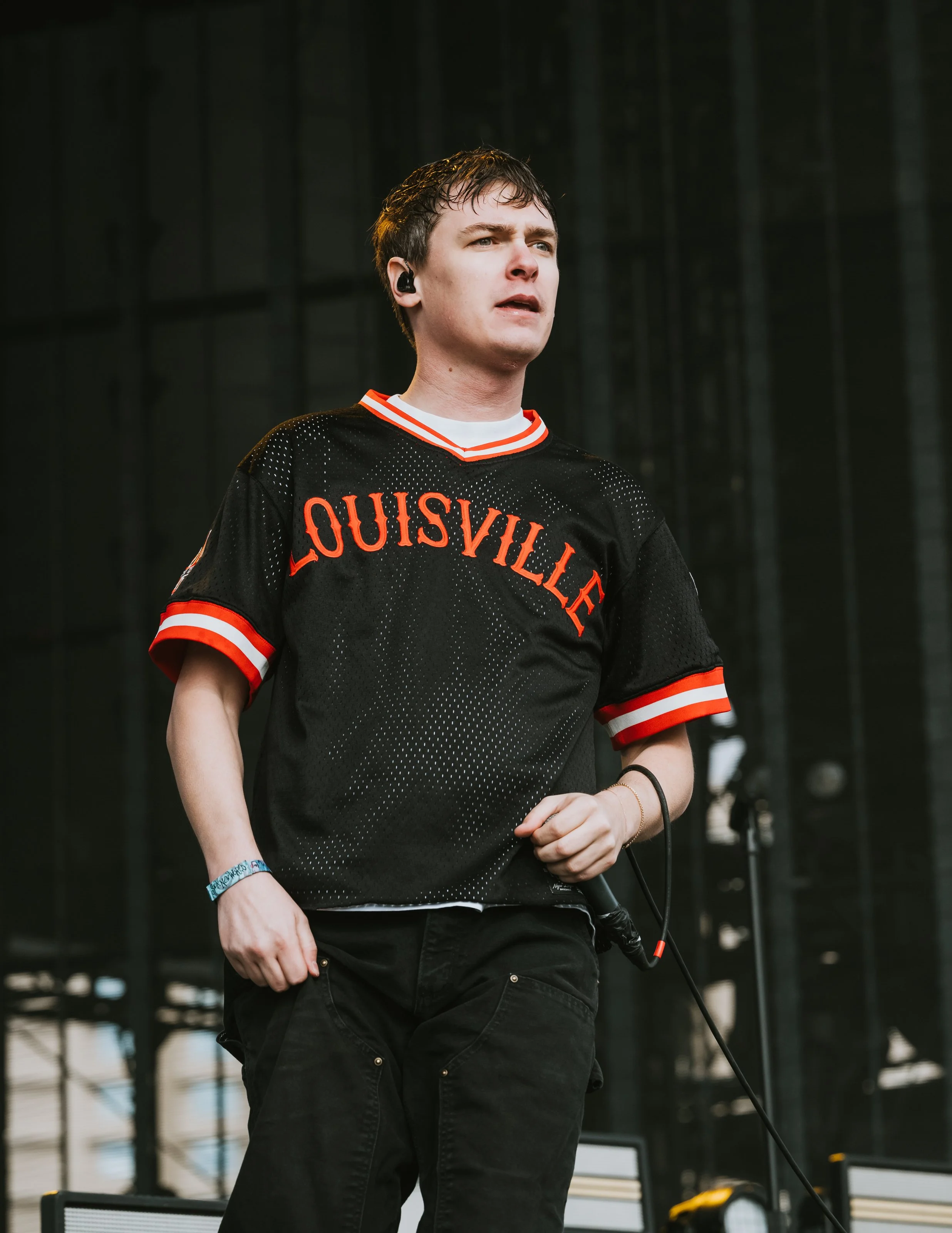
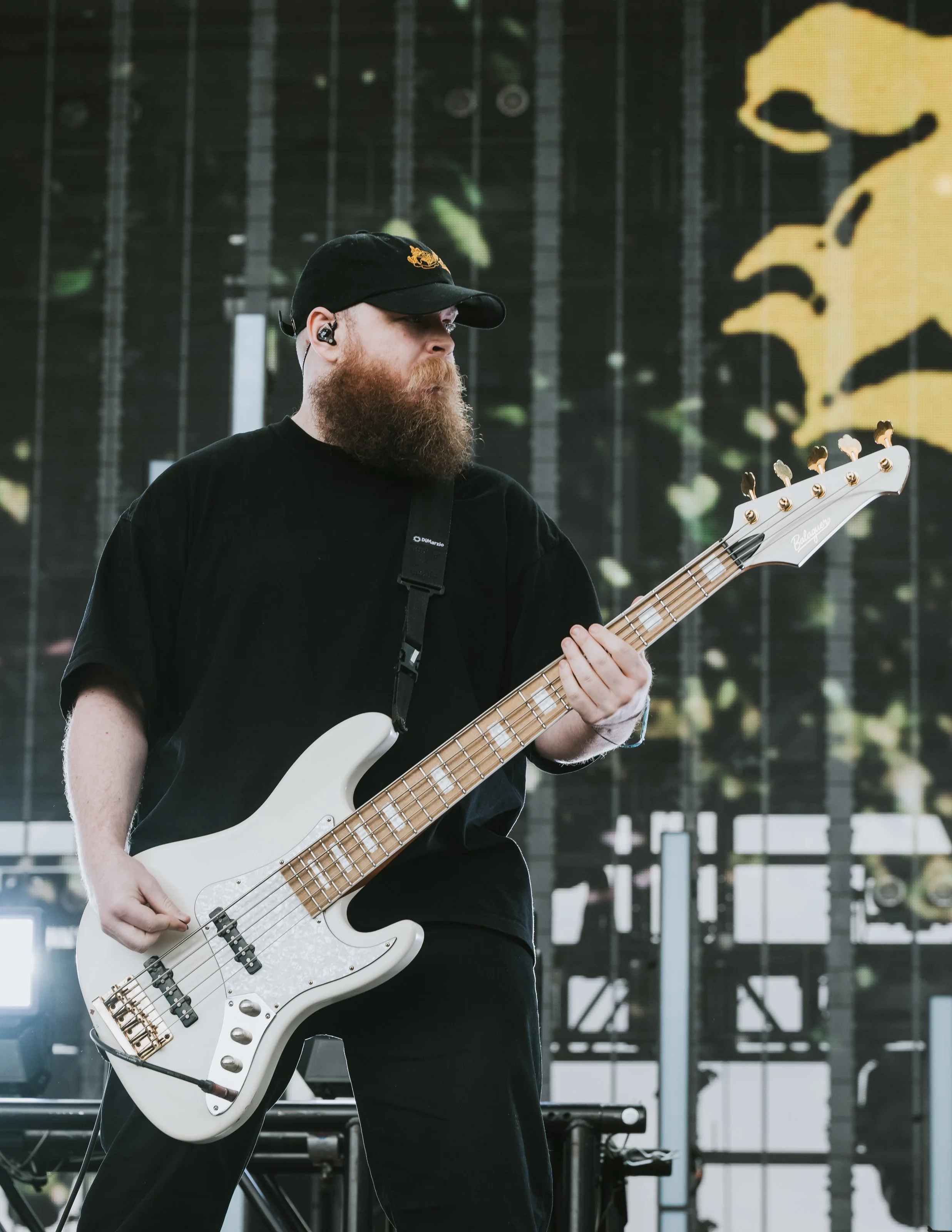
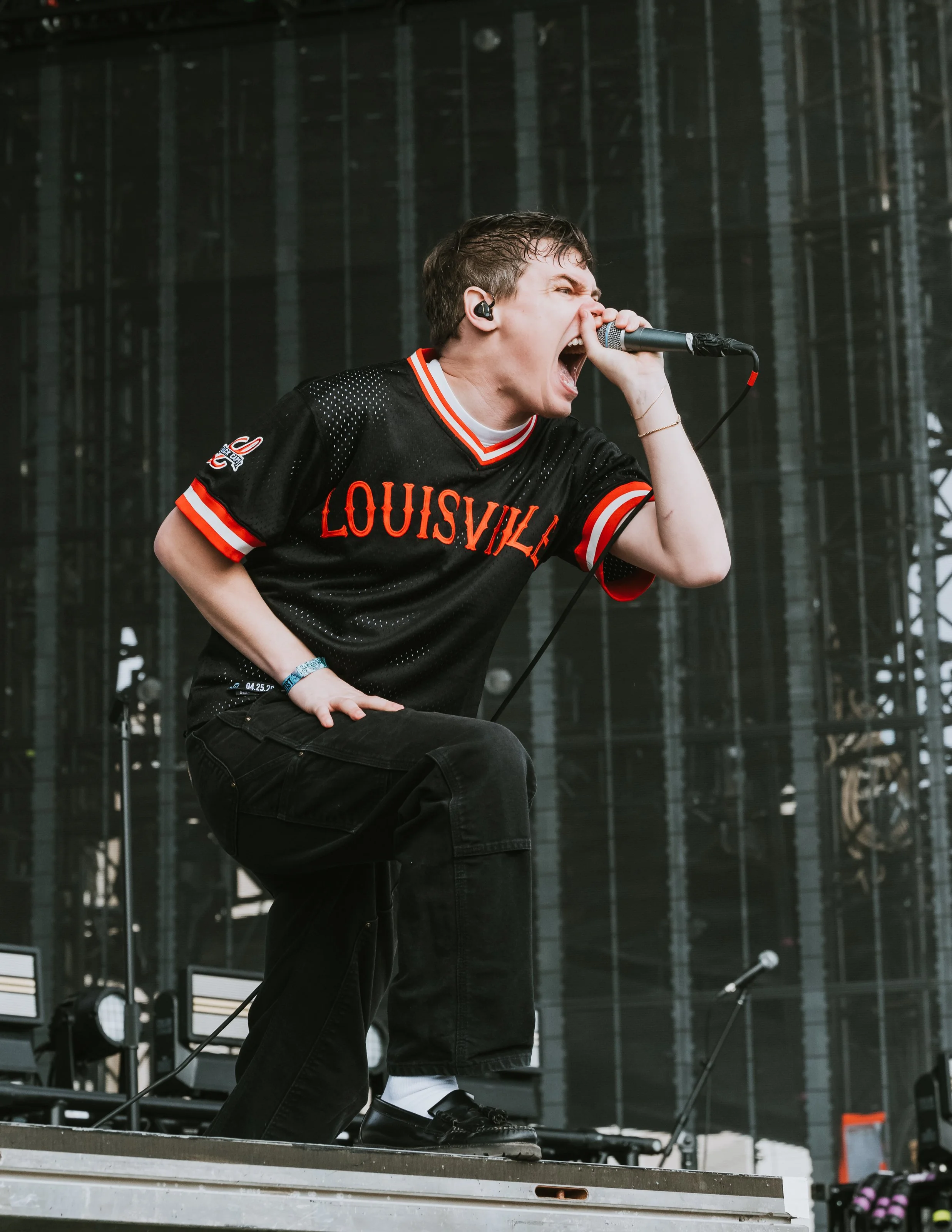
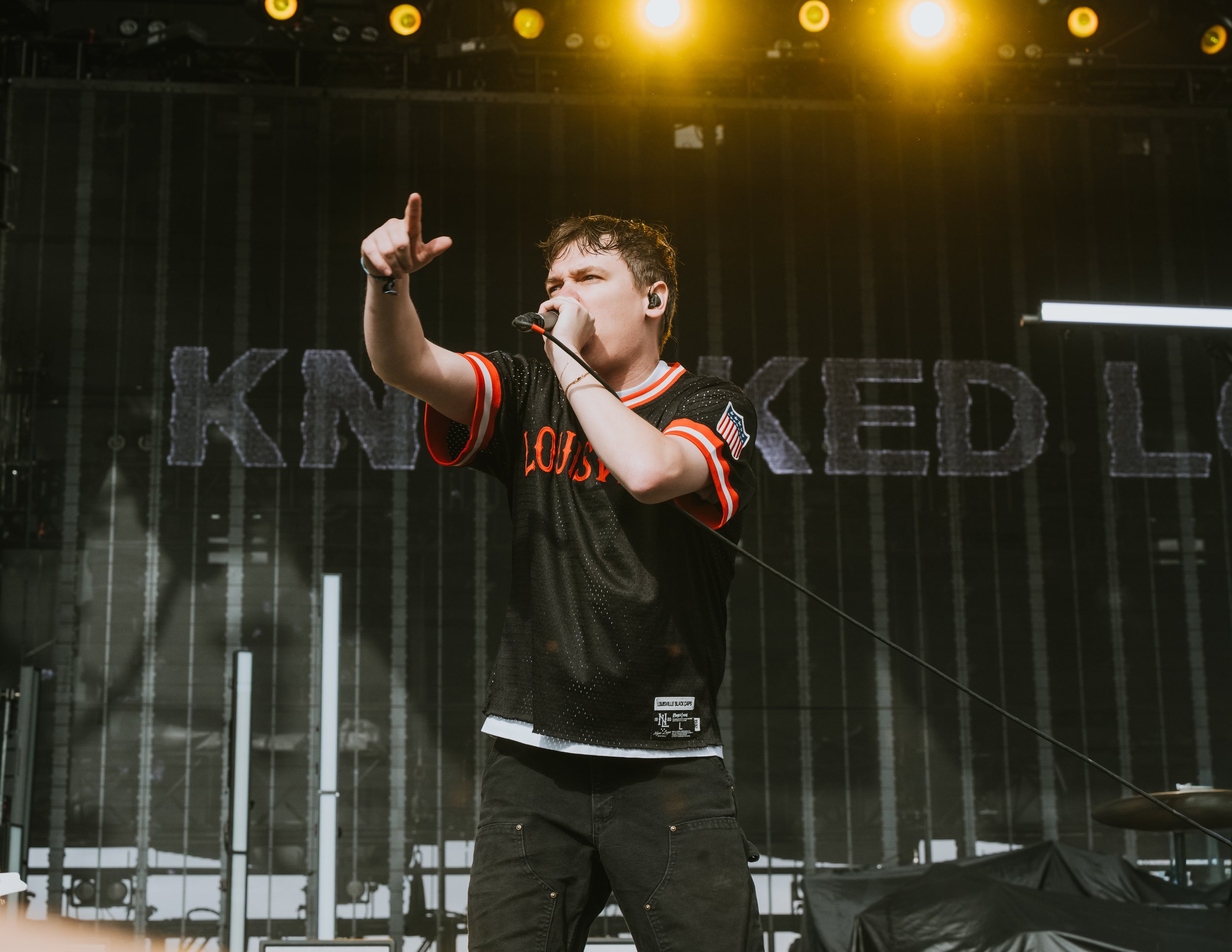
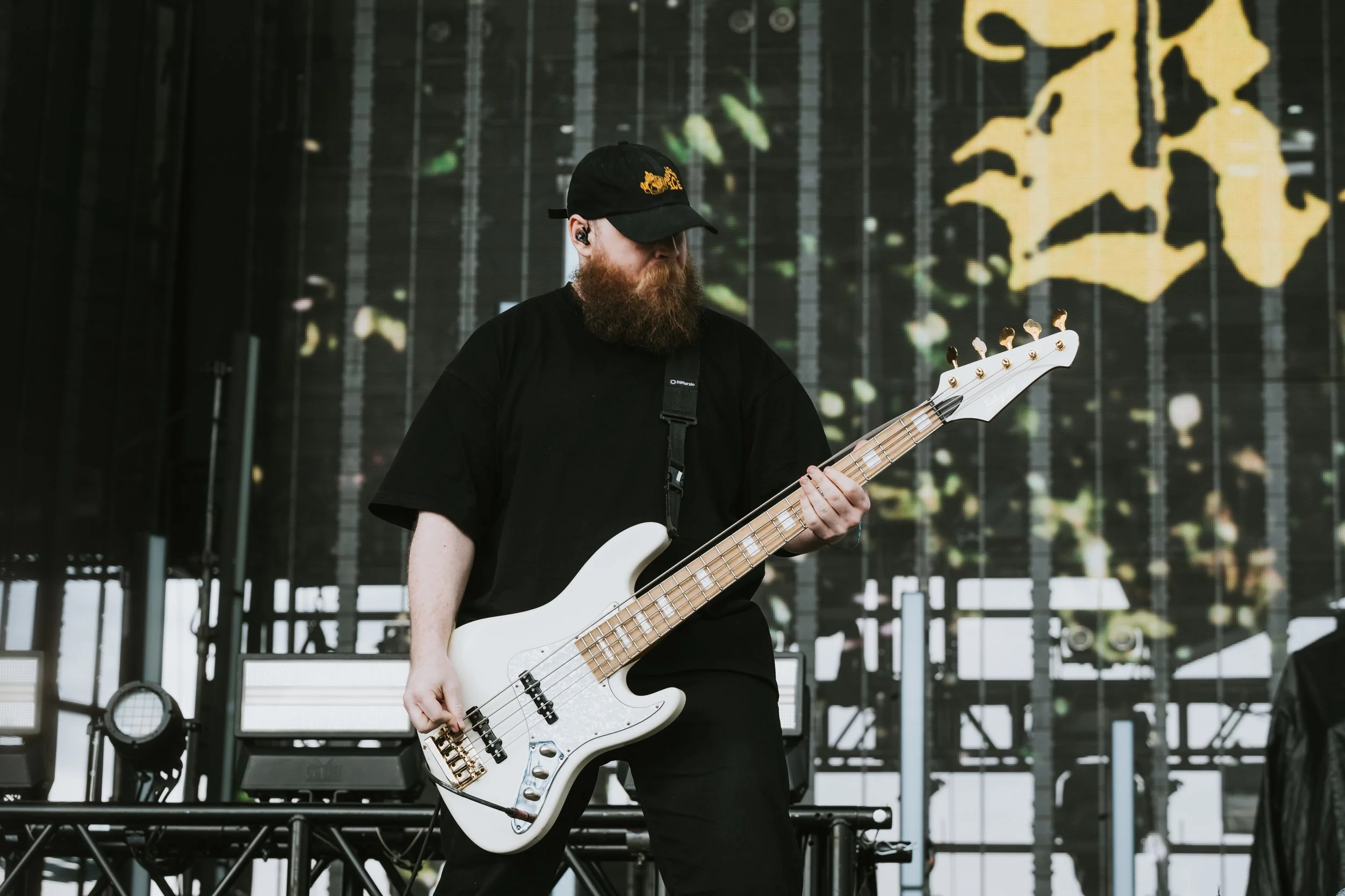
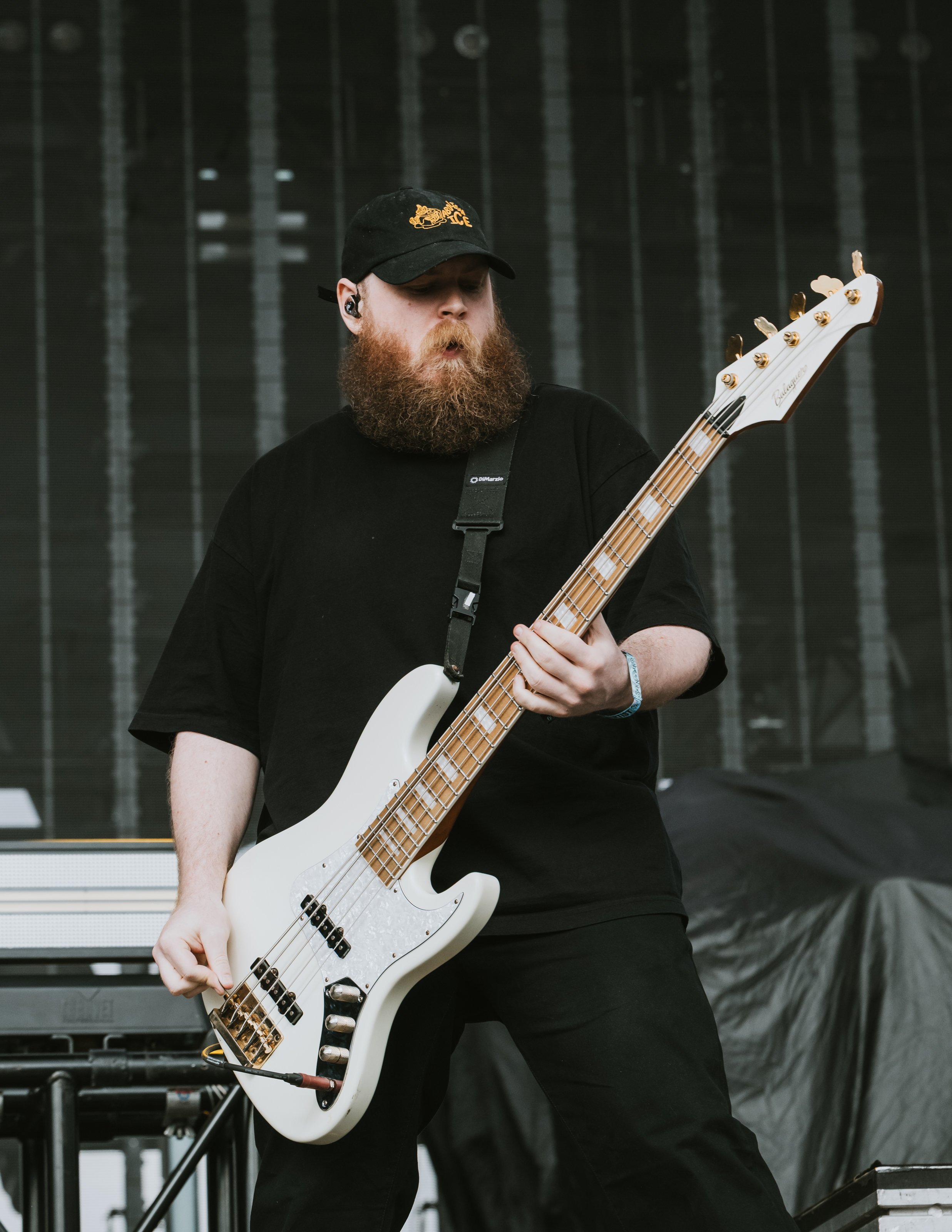
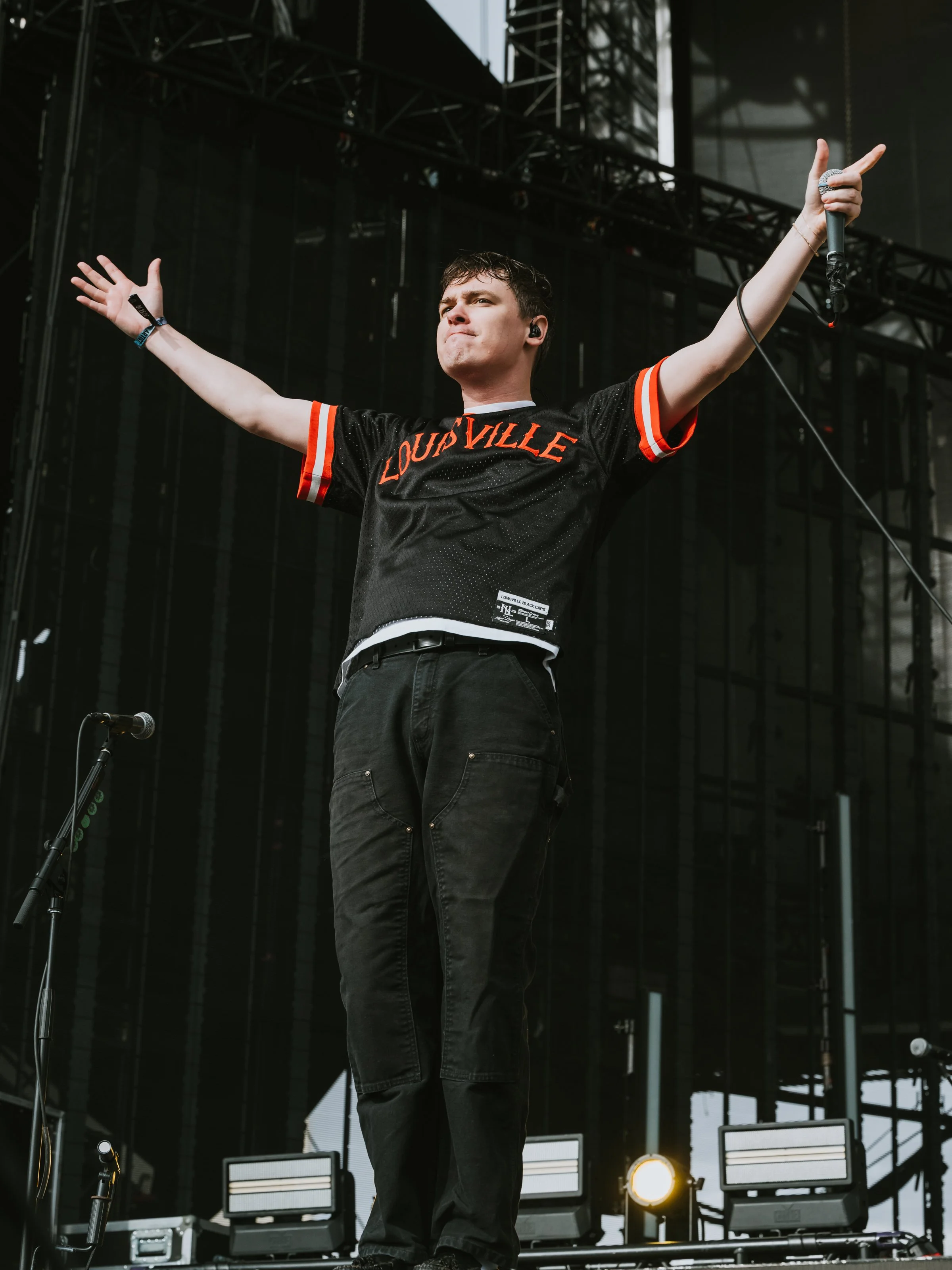
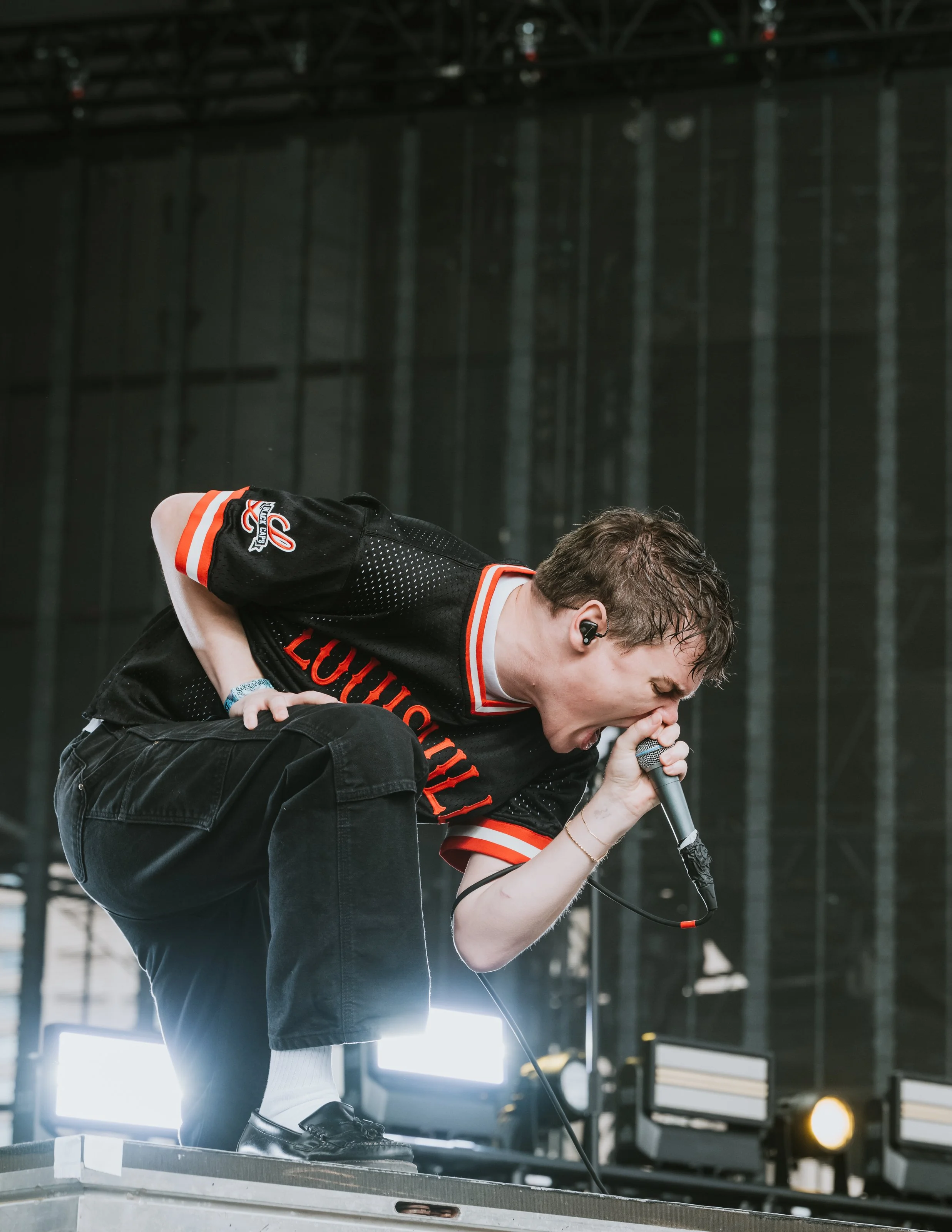
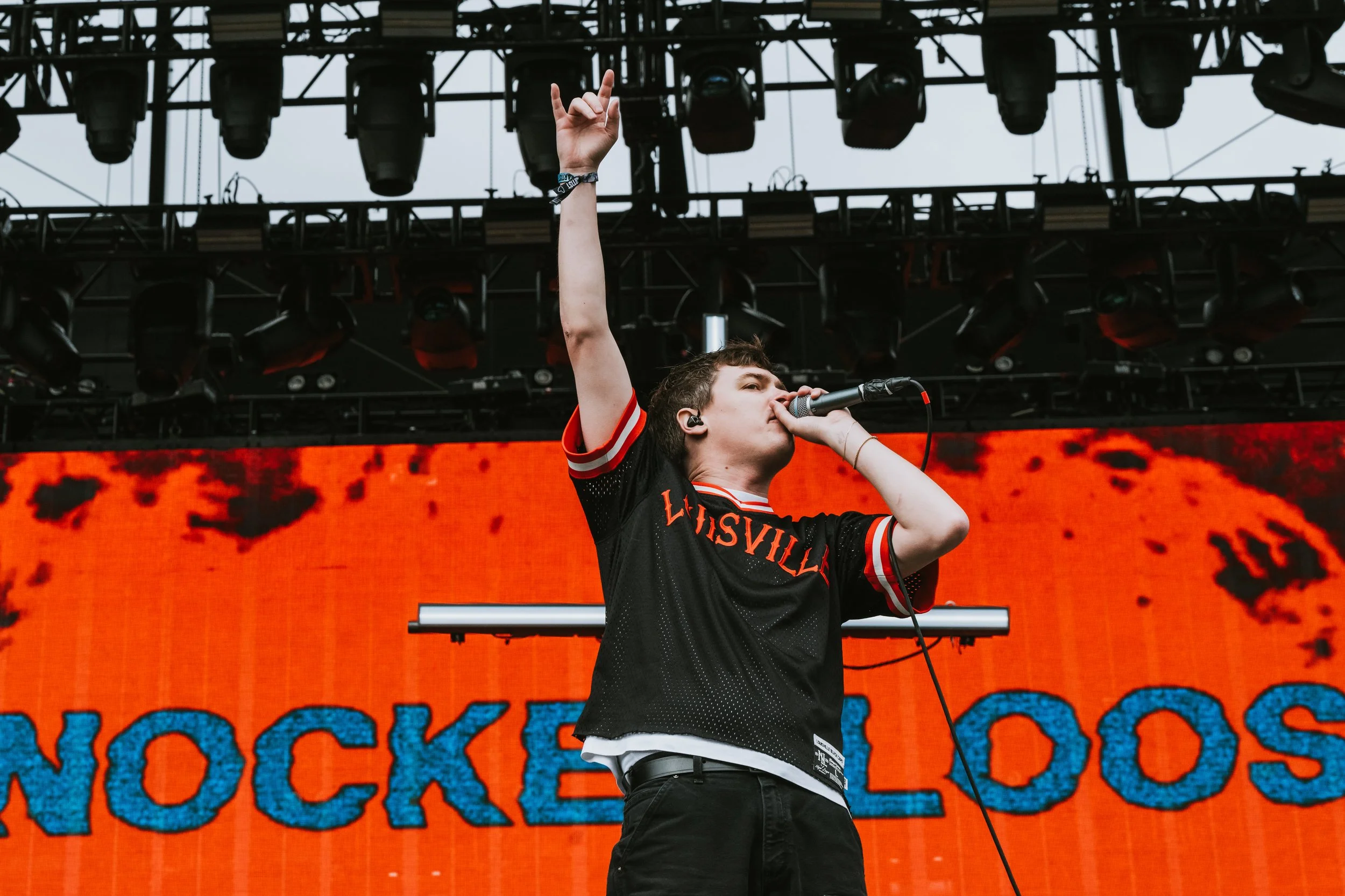
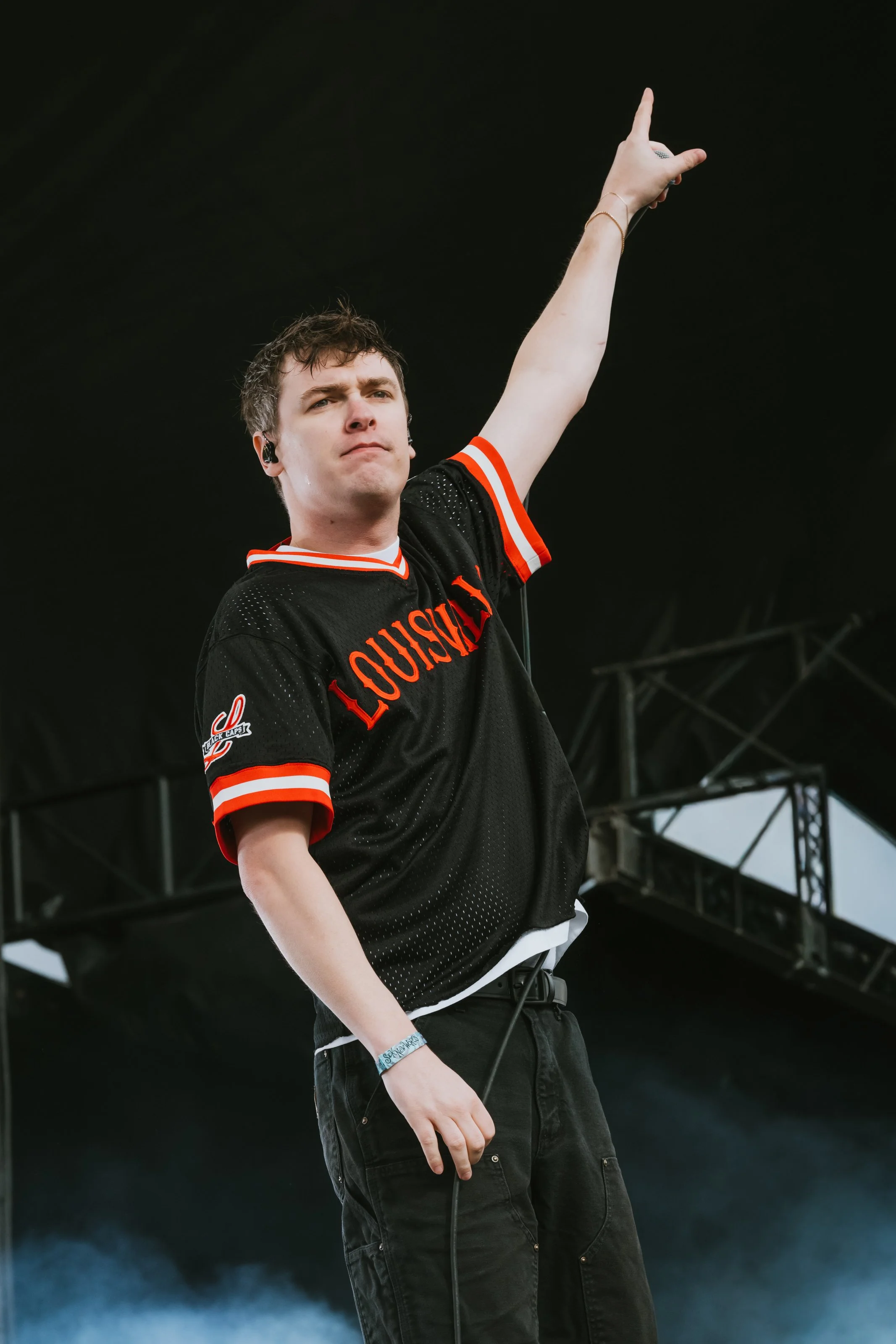
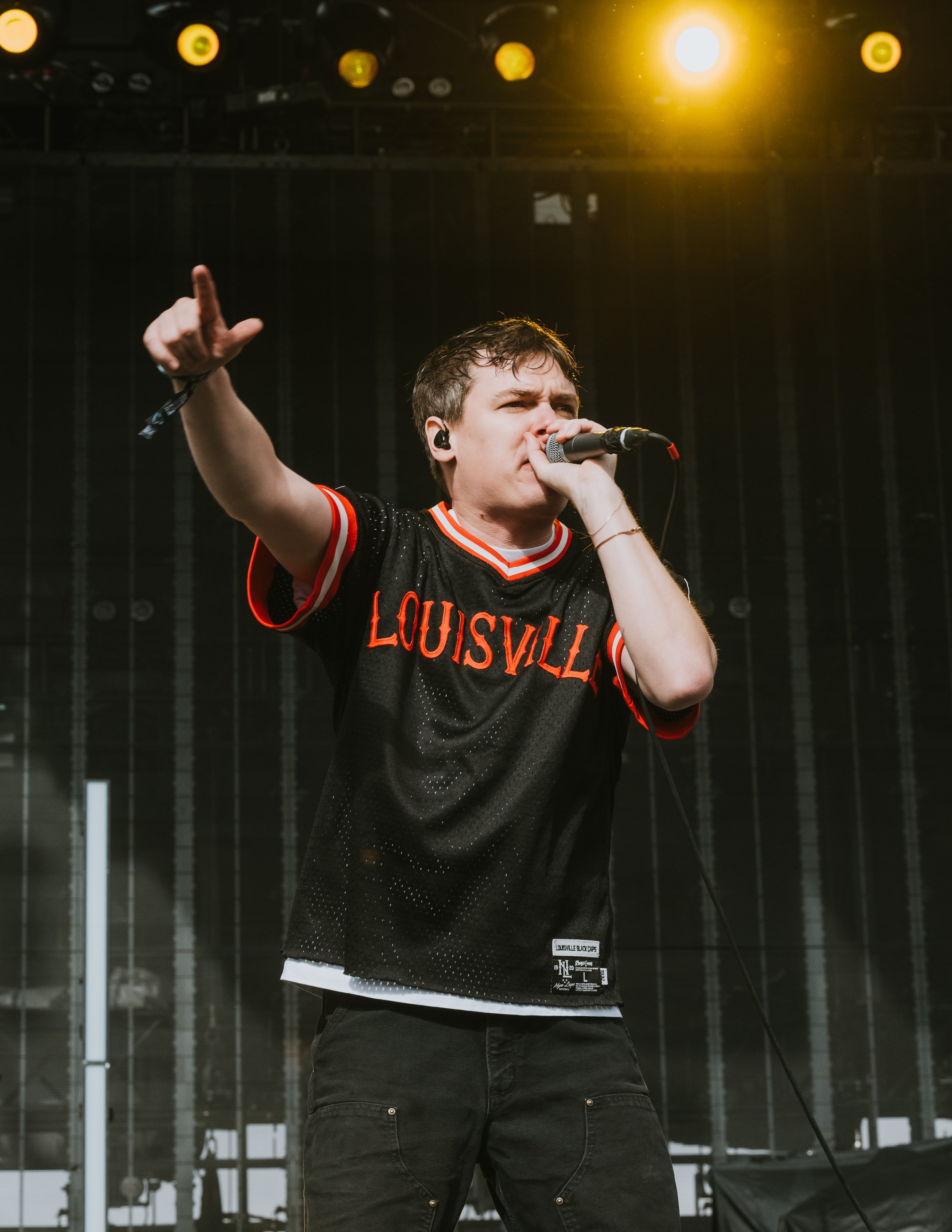
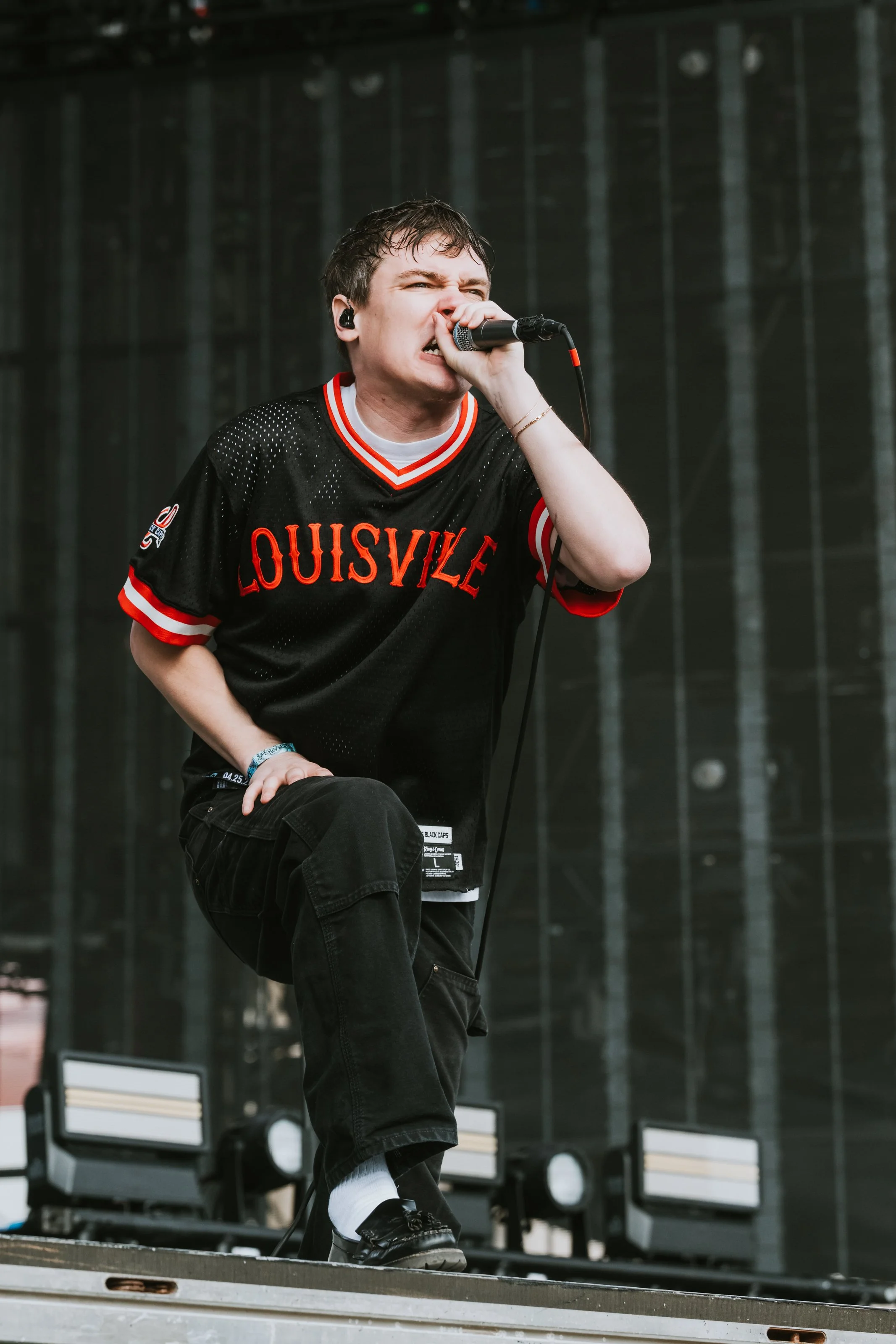
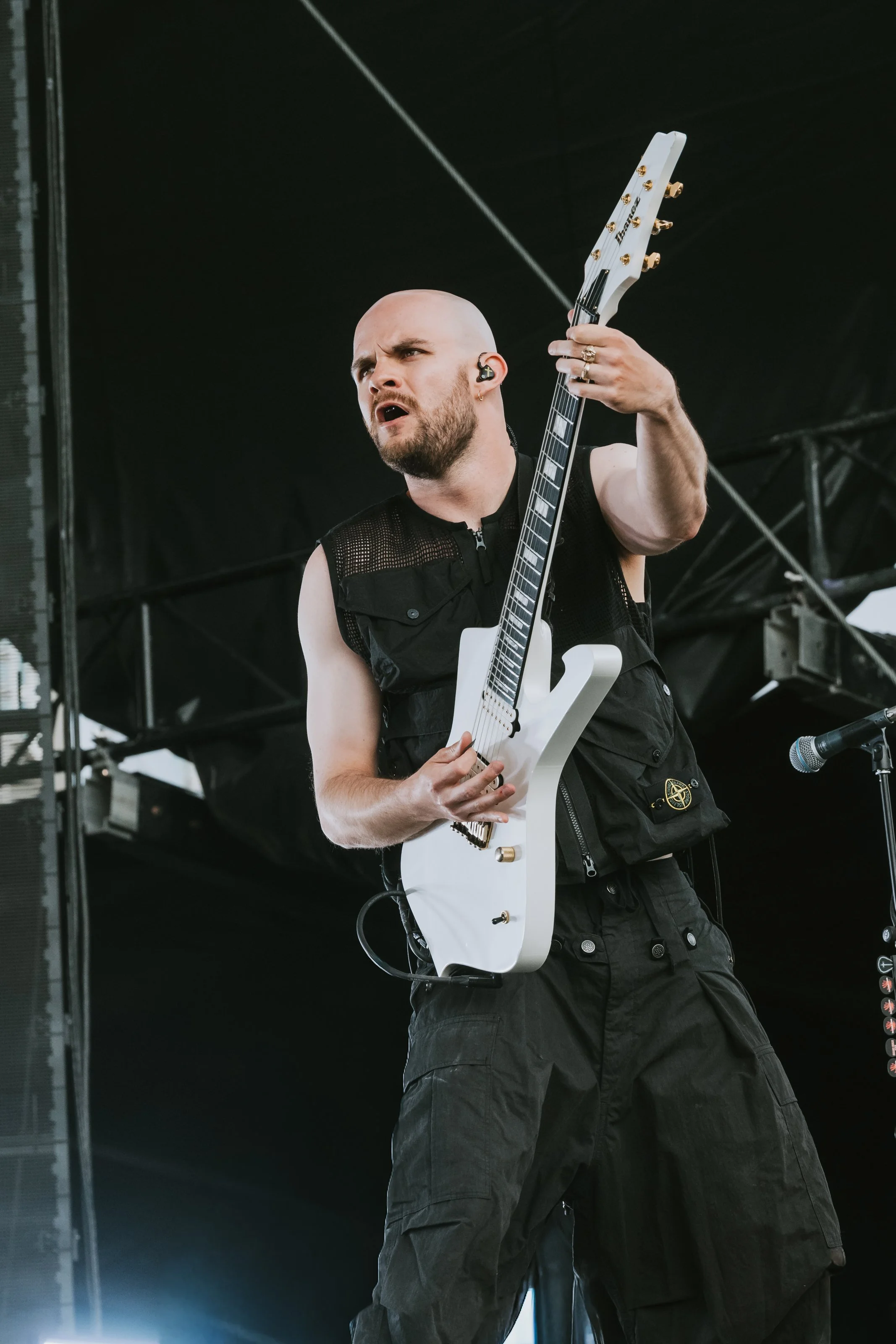
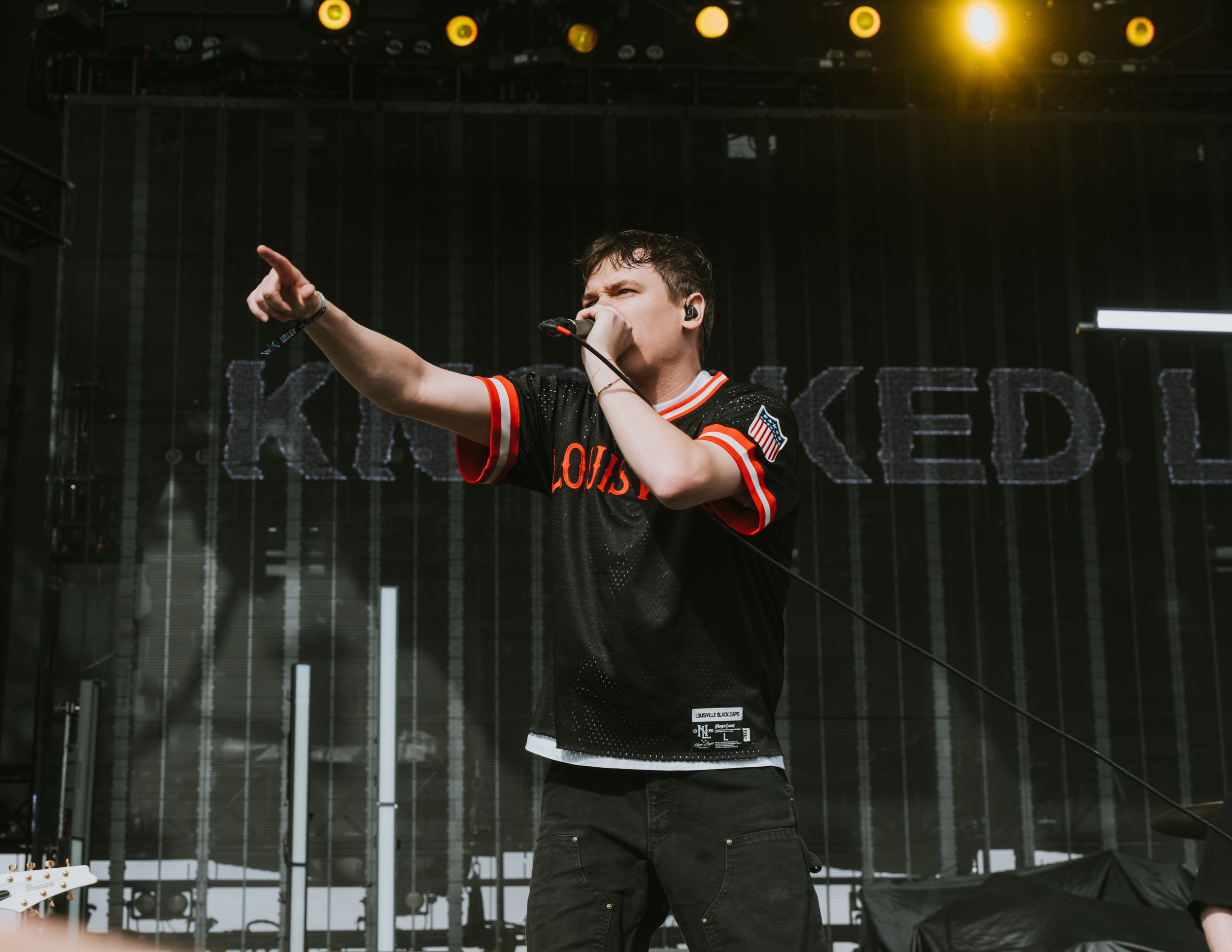
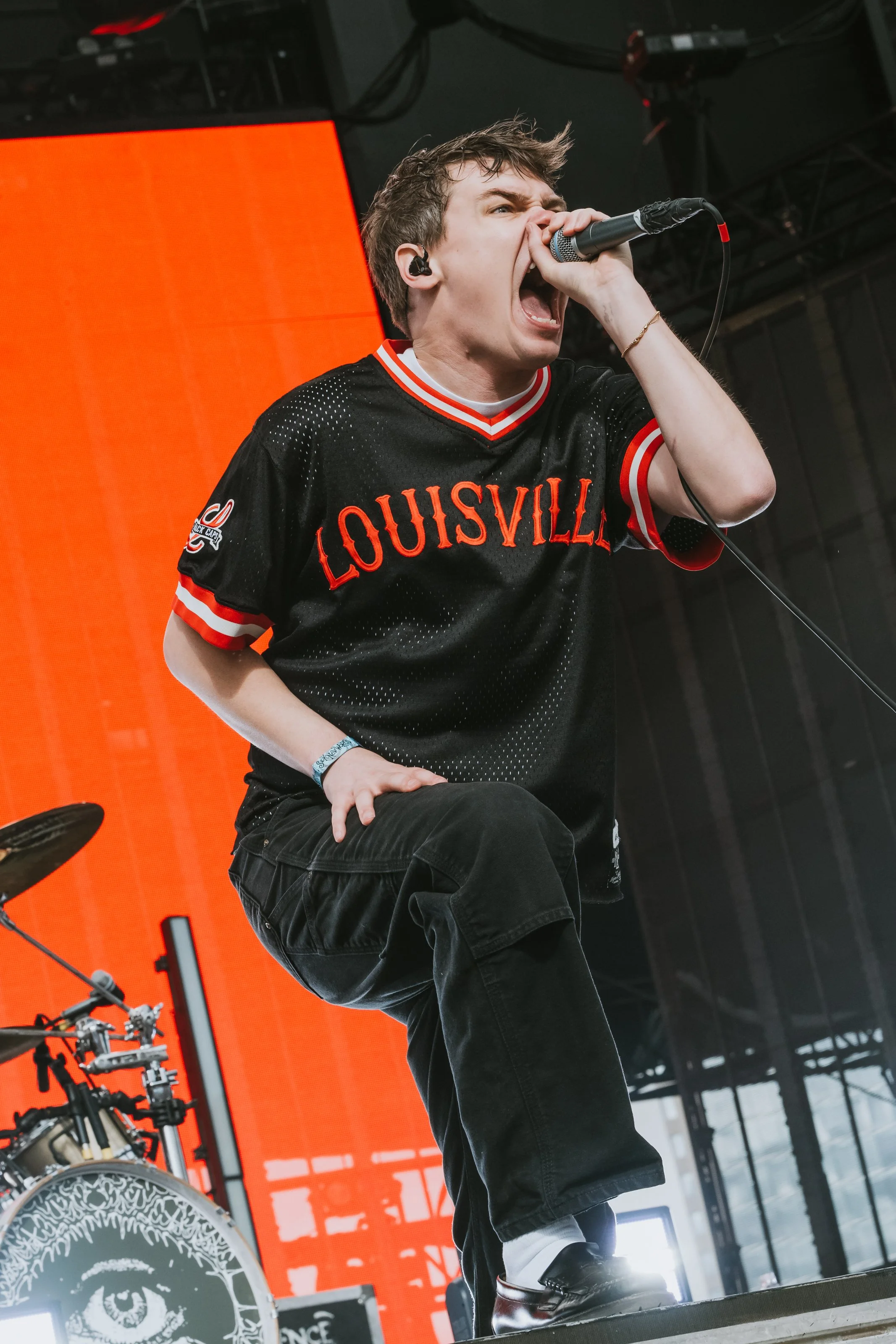
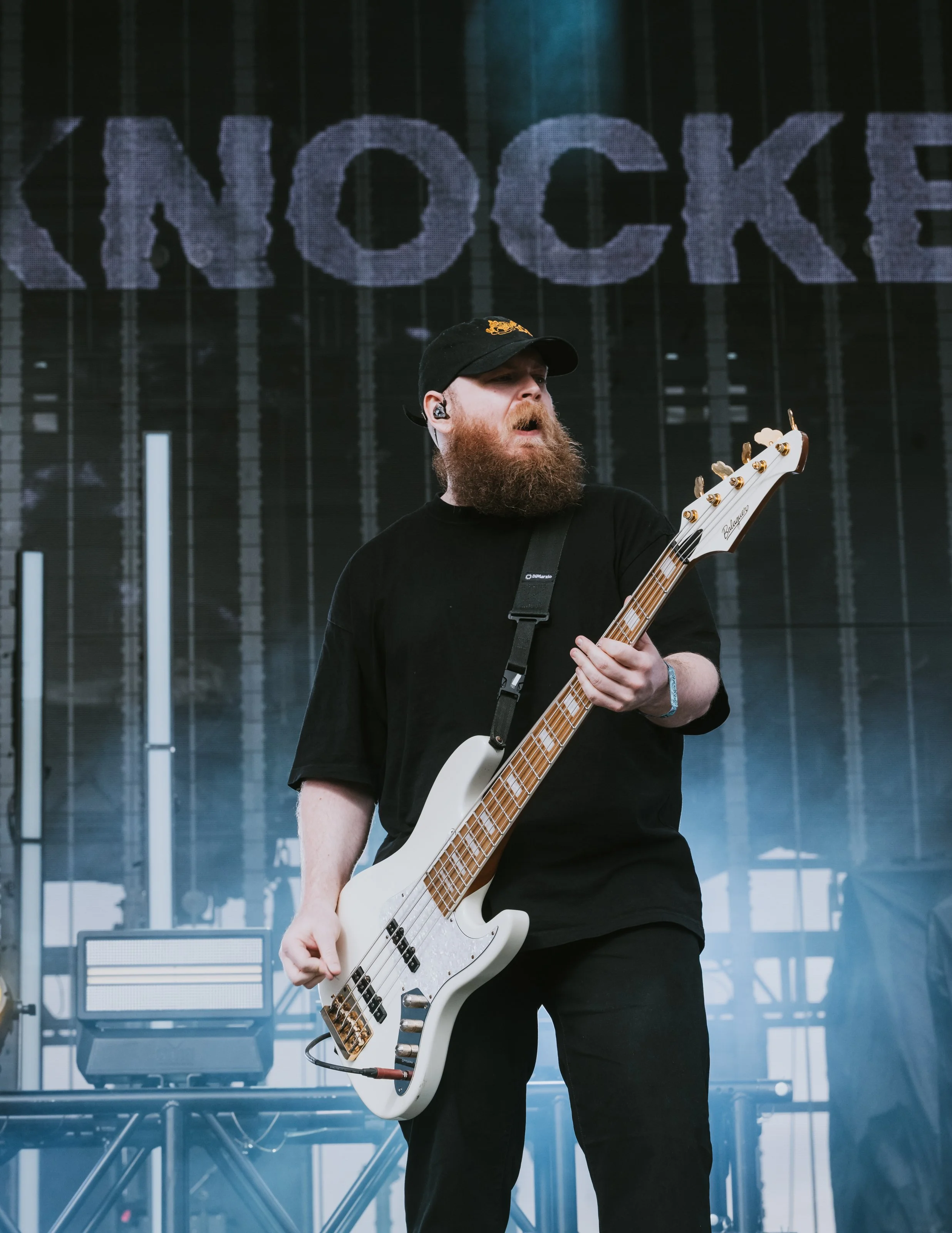
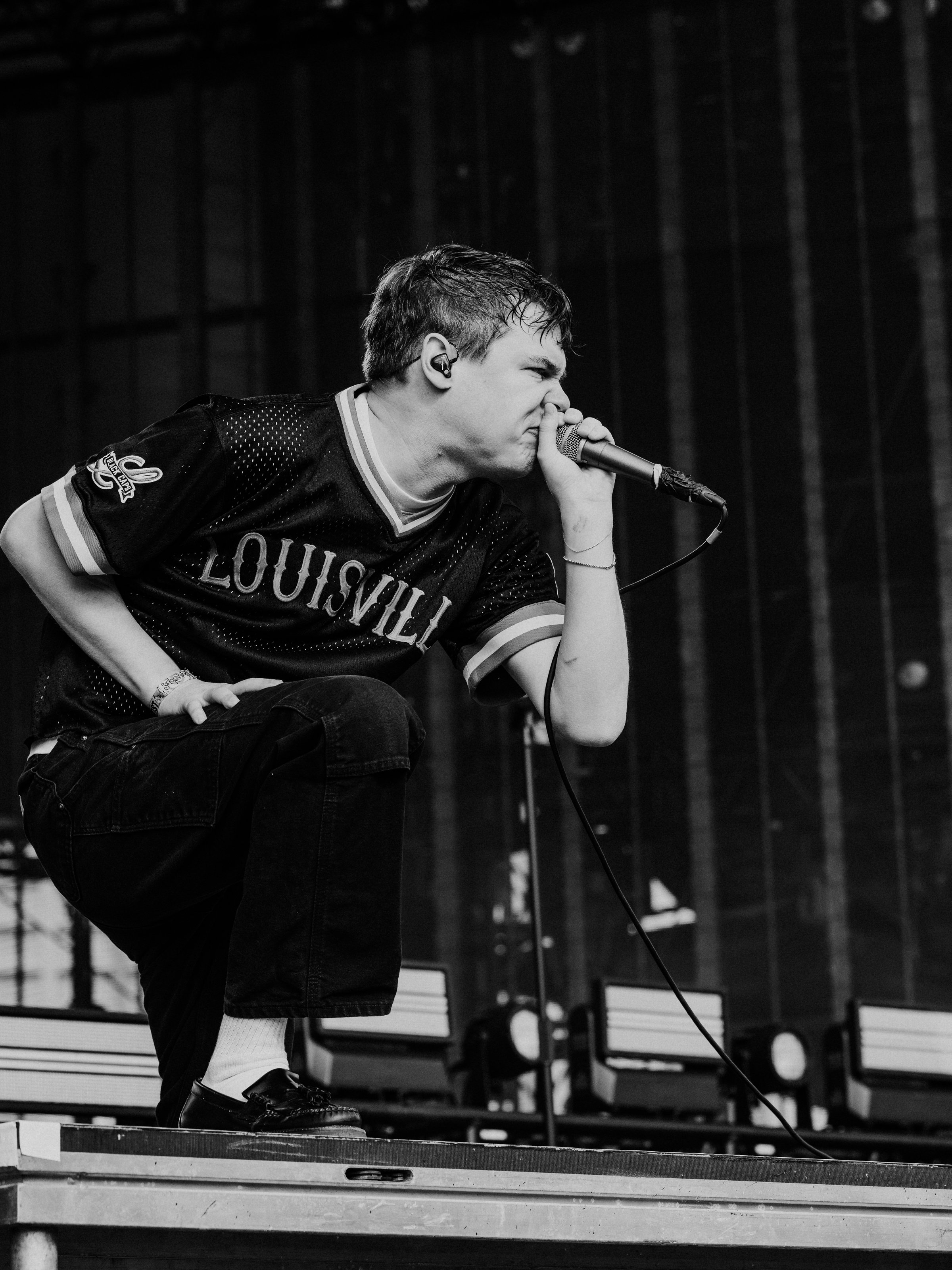
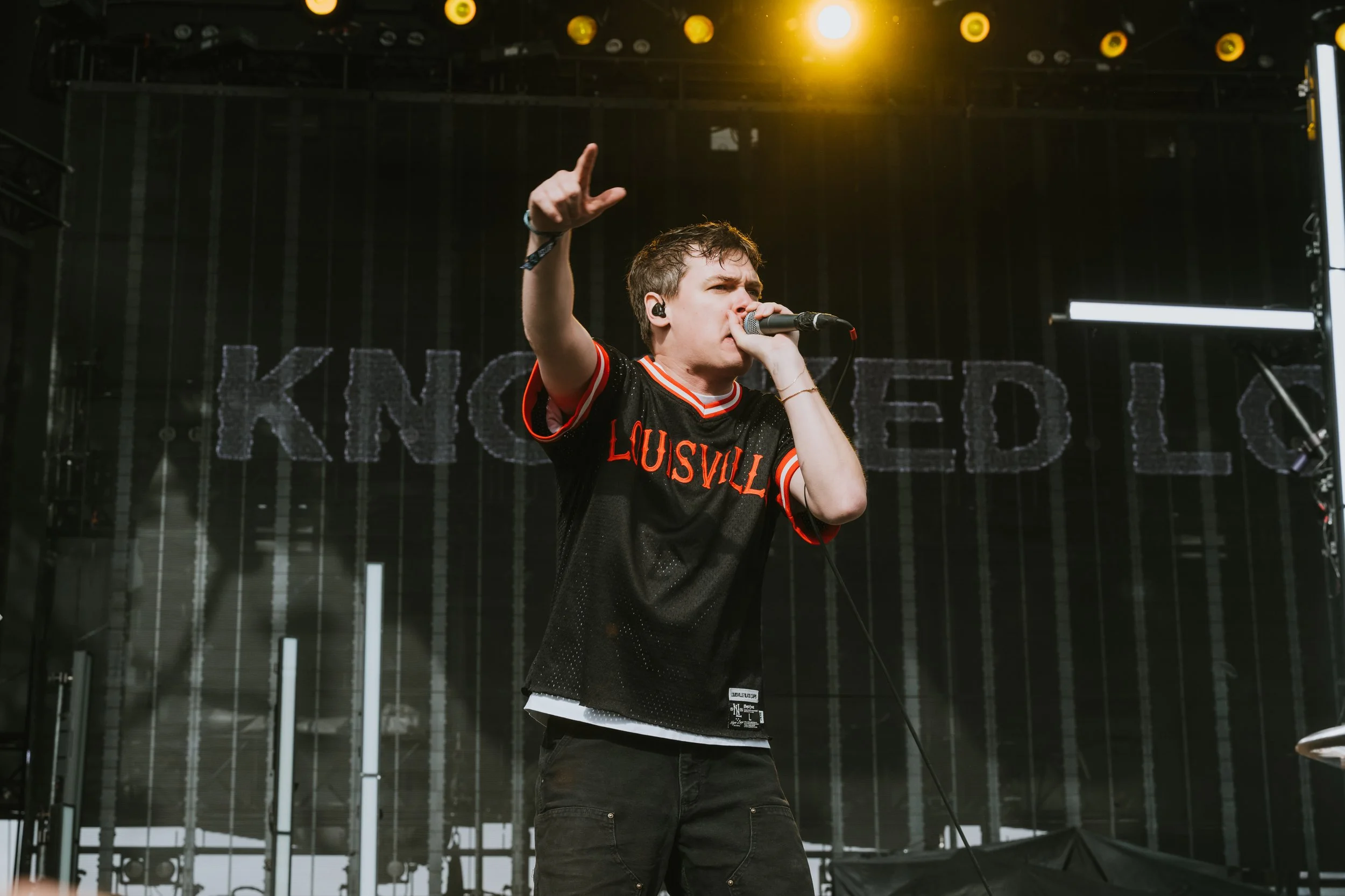
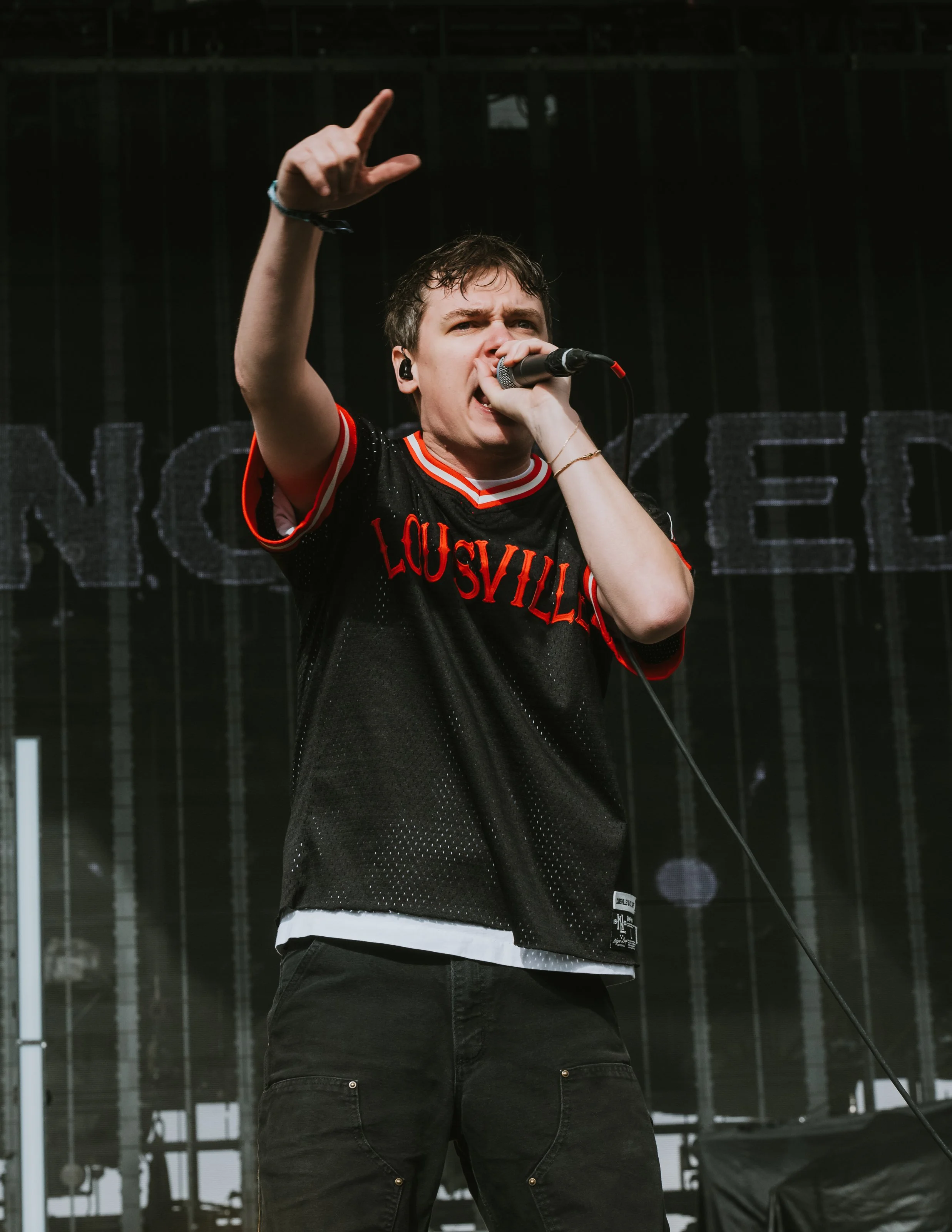
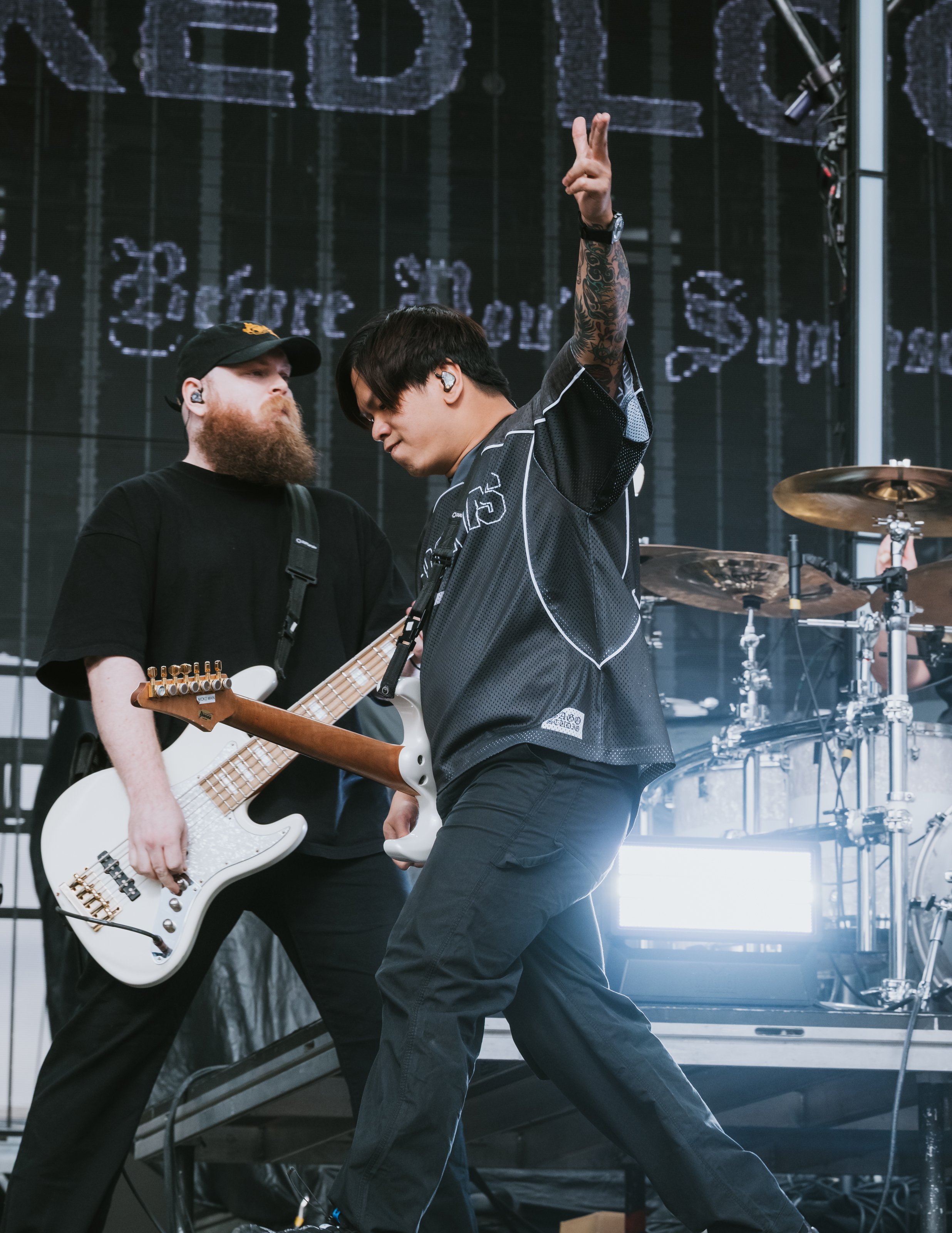
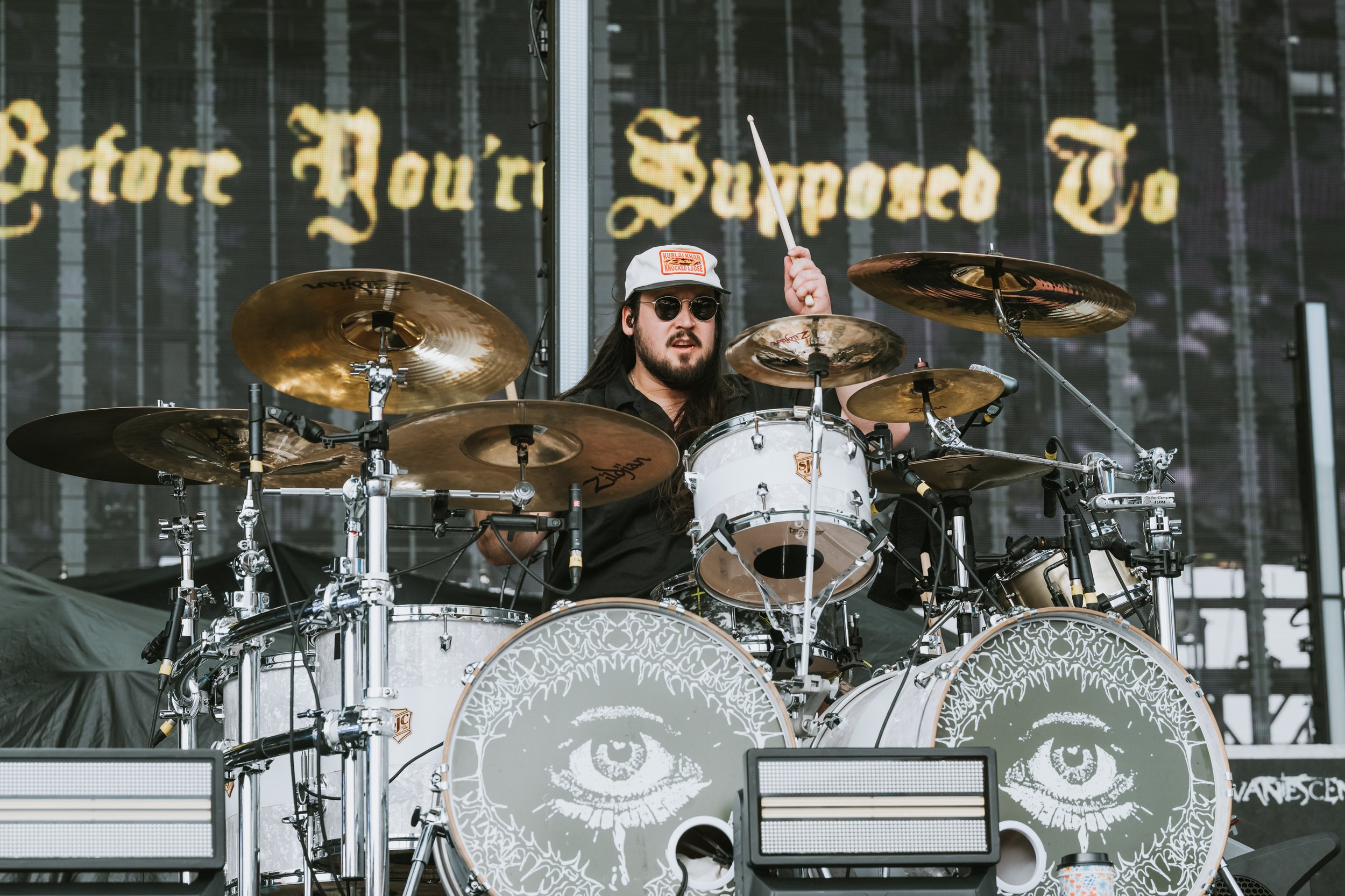
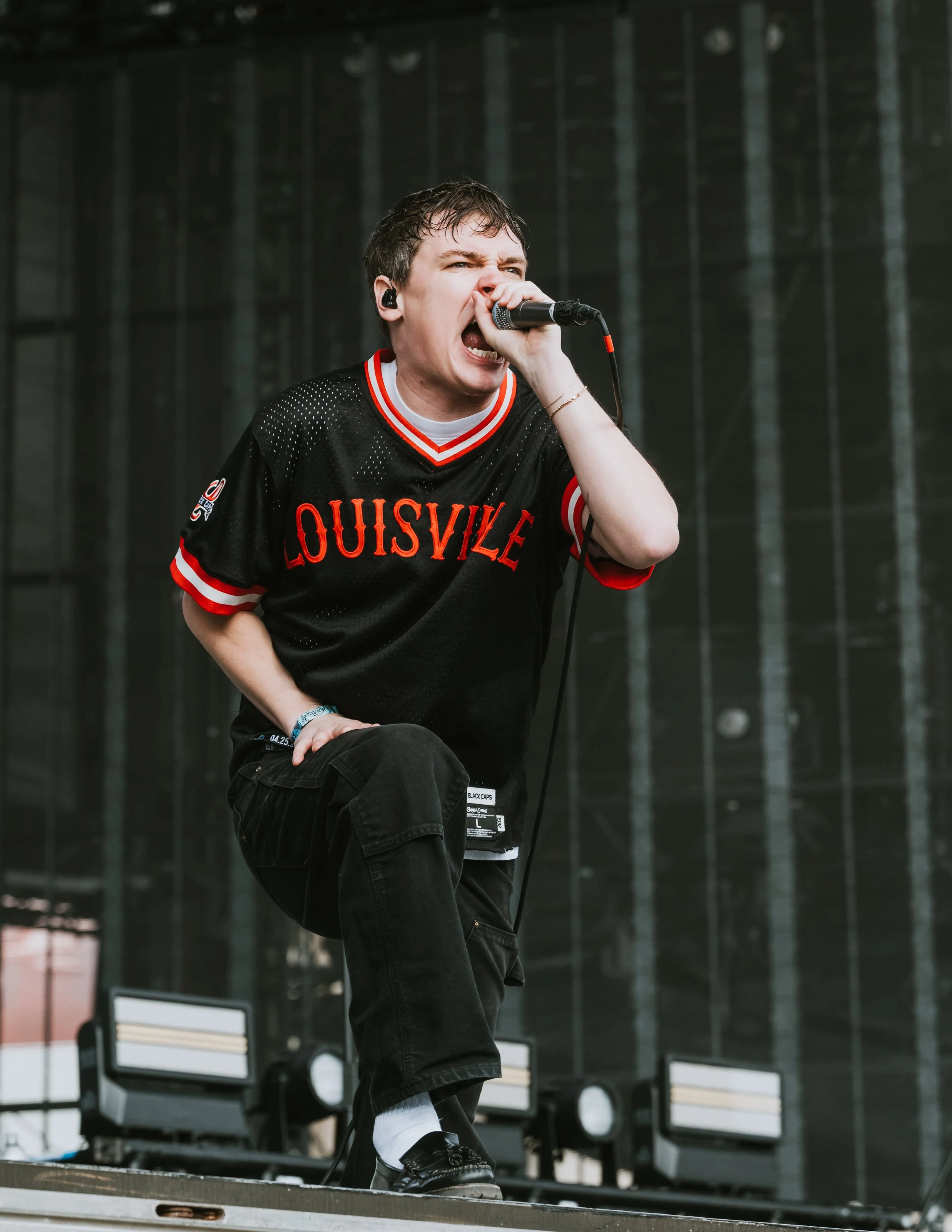
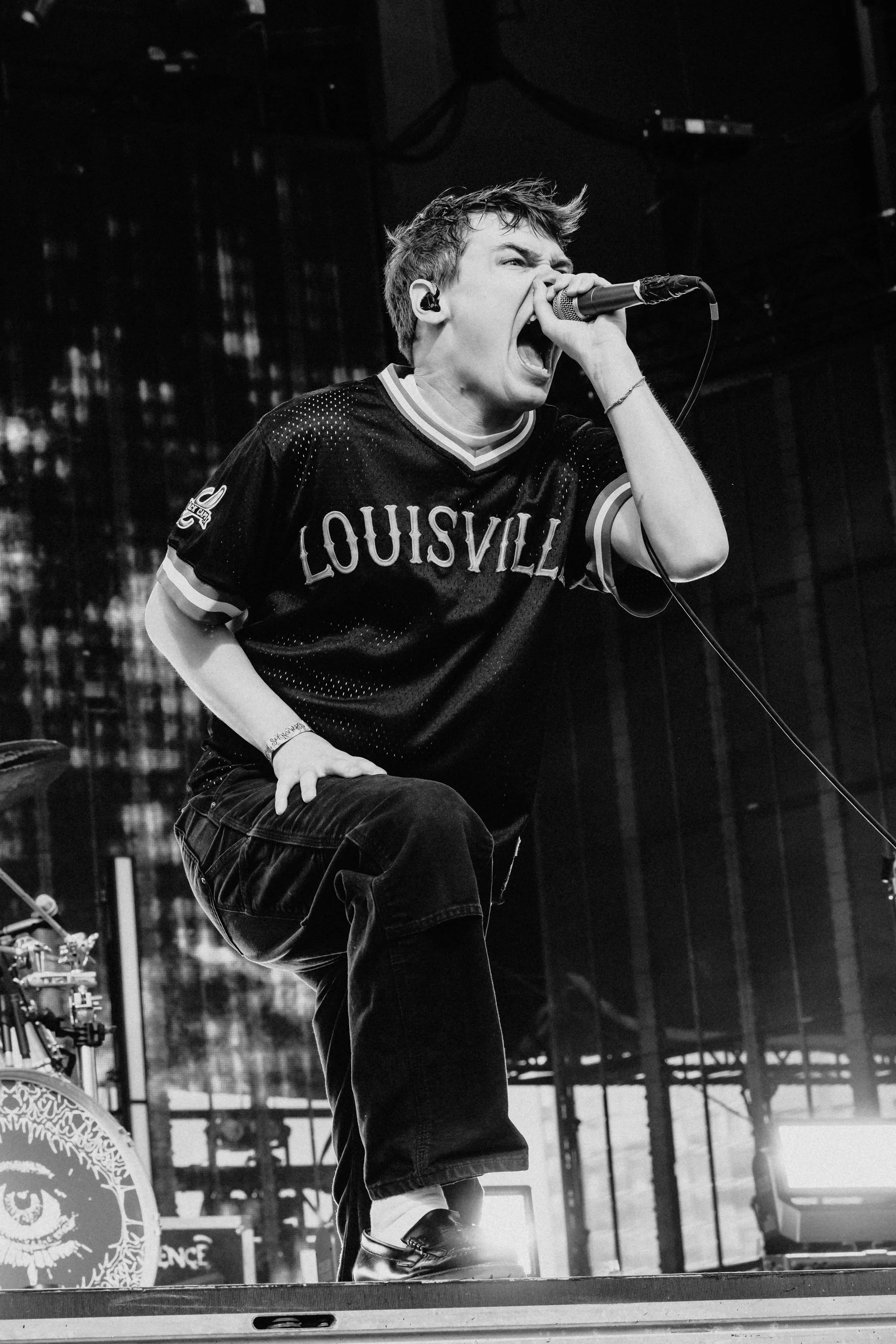
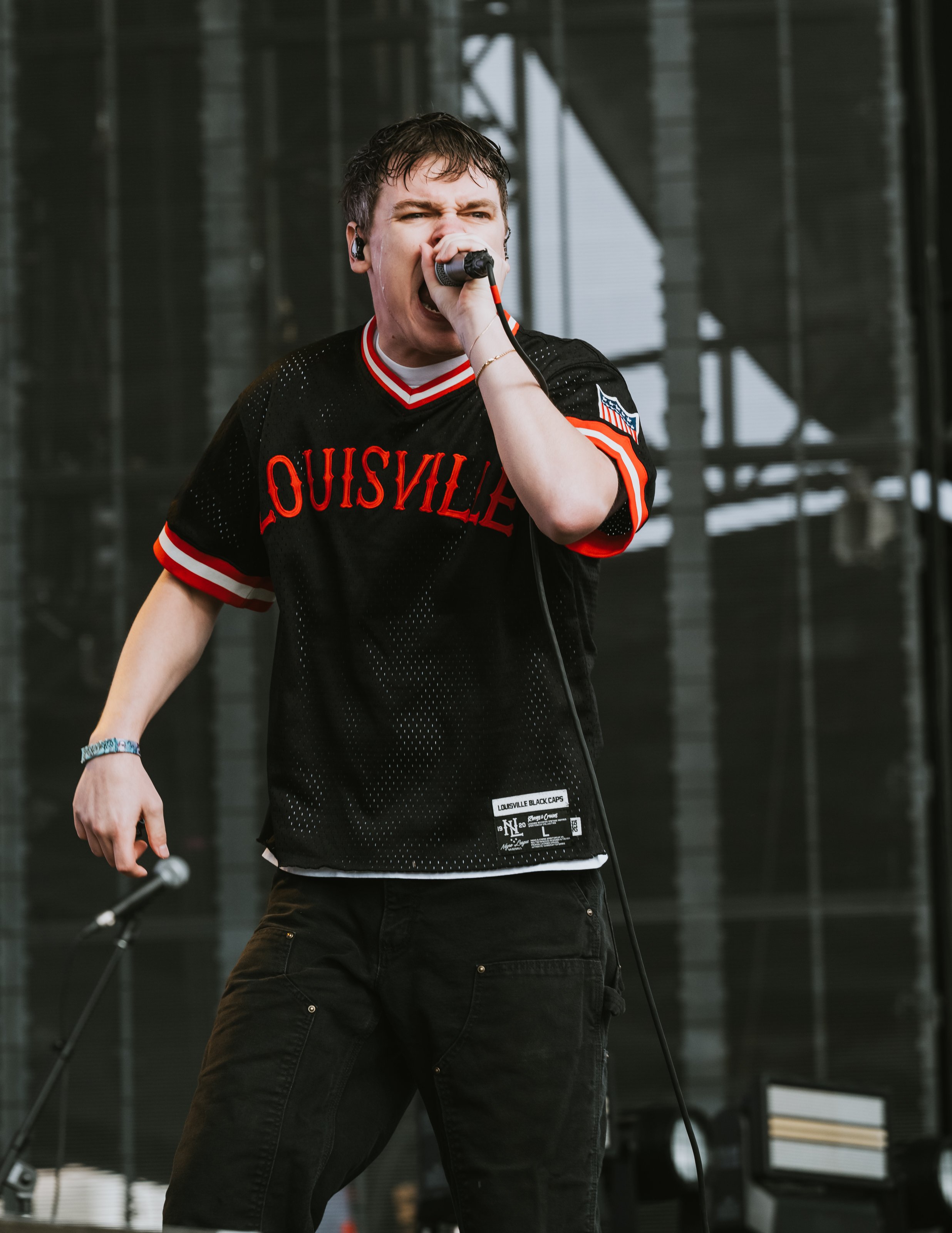
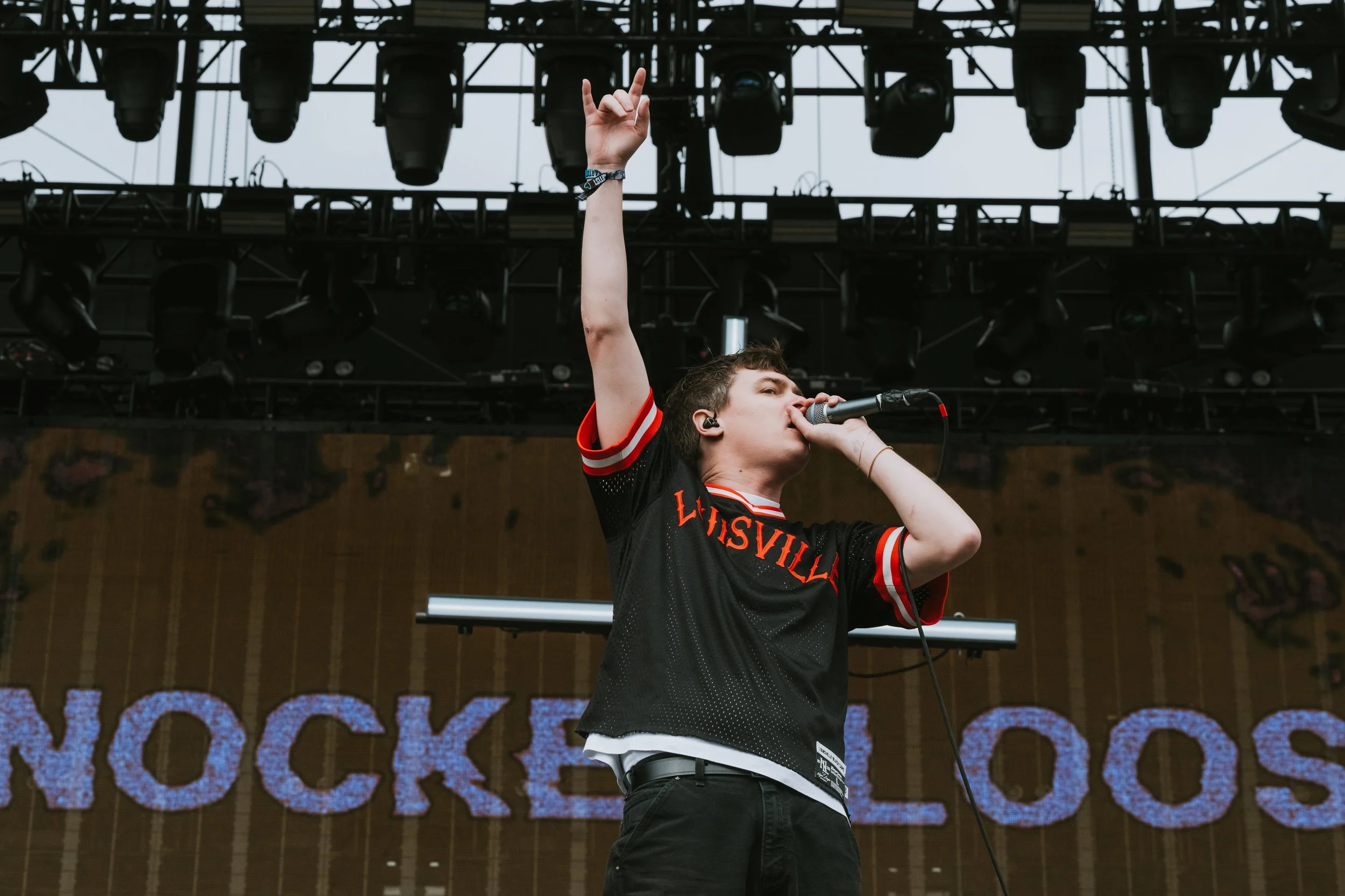
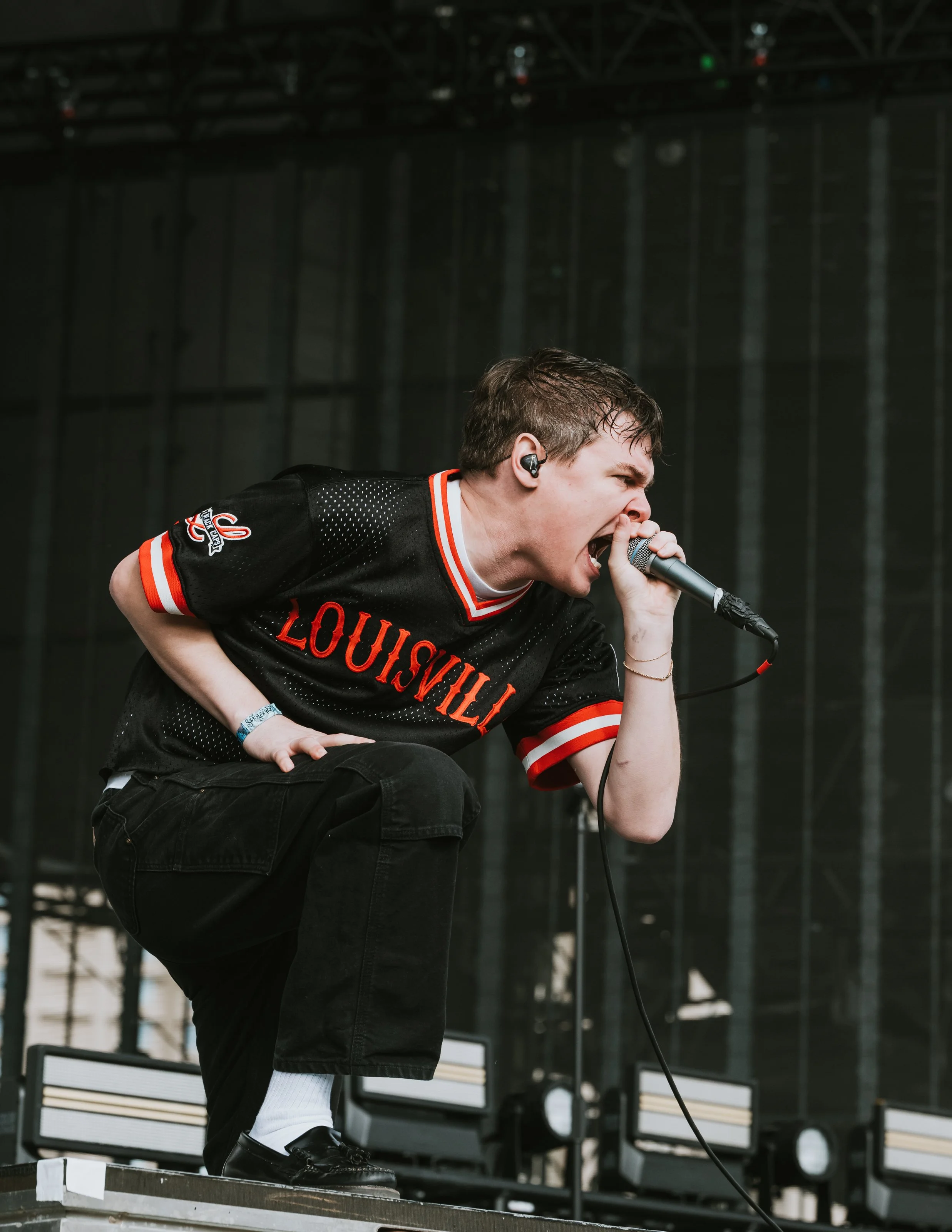
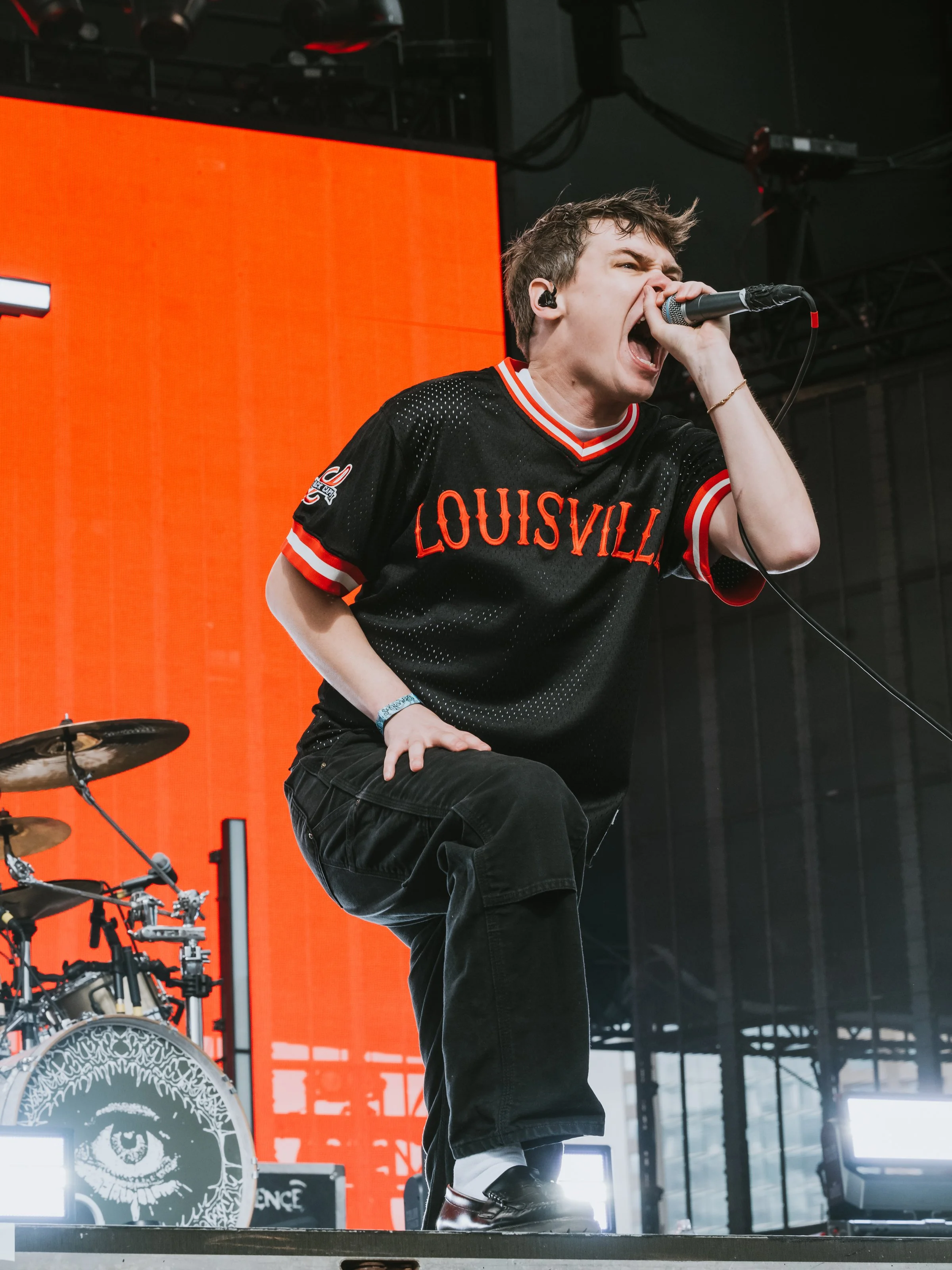
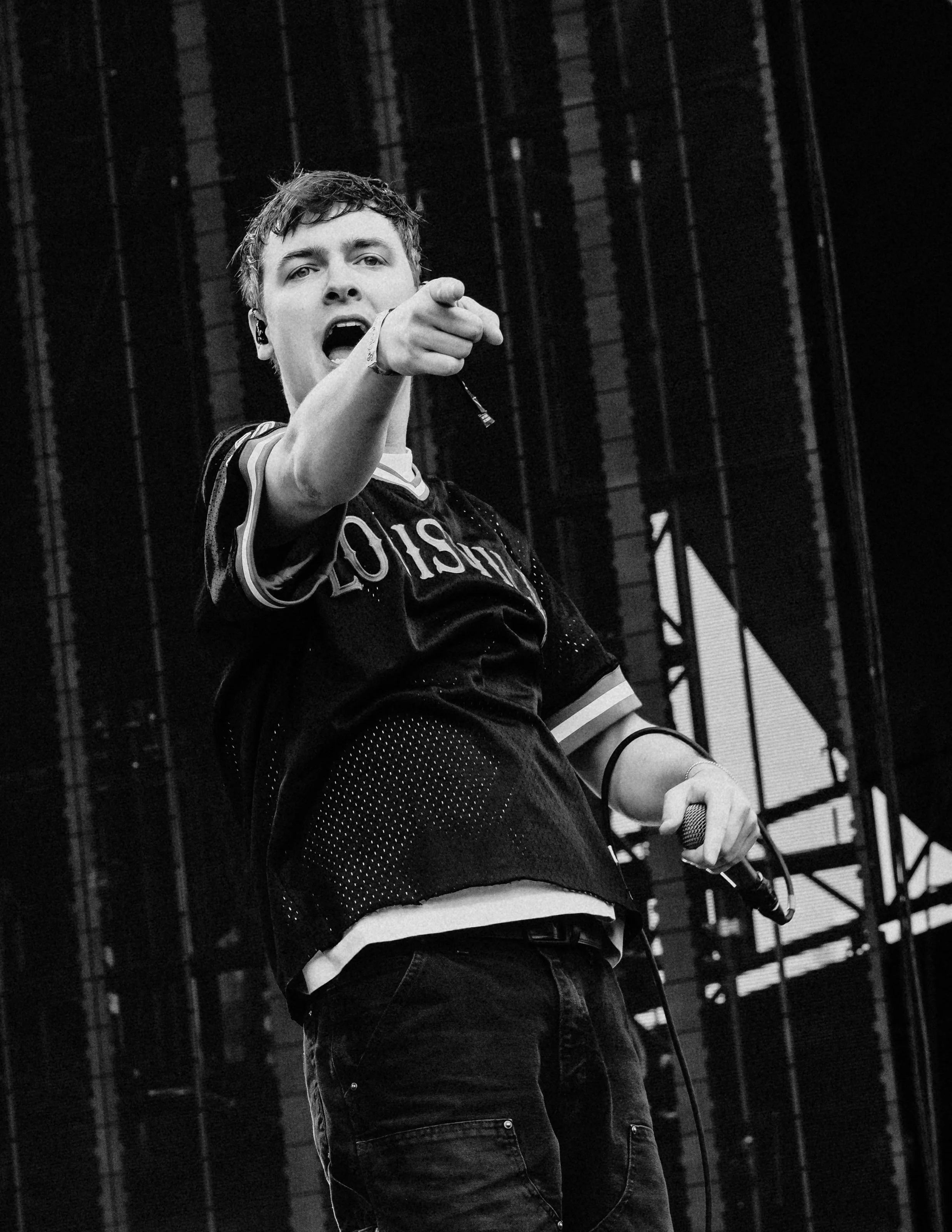
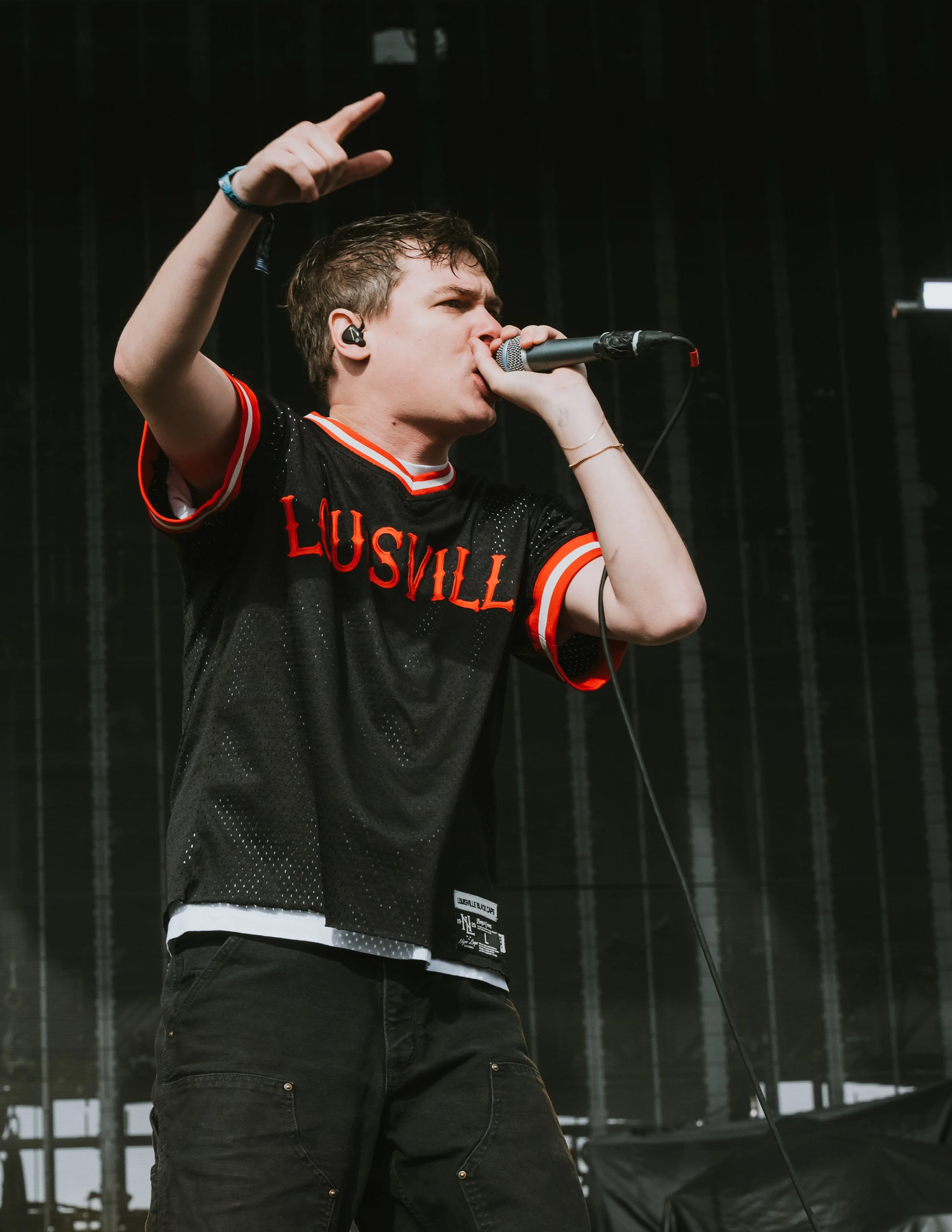
Knocked Loose stood out as one of the day’s most intense modern acts. The Kentucky band has helped push hardcore further into mainstream festival spaces without softening the aggression that made them break through in the first place. Their set brought a sharper, more volatile charge to the lineup, giving Sick New World one of its clearest bursts of current hardcore momentum.
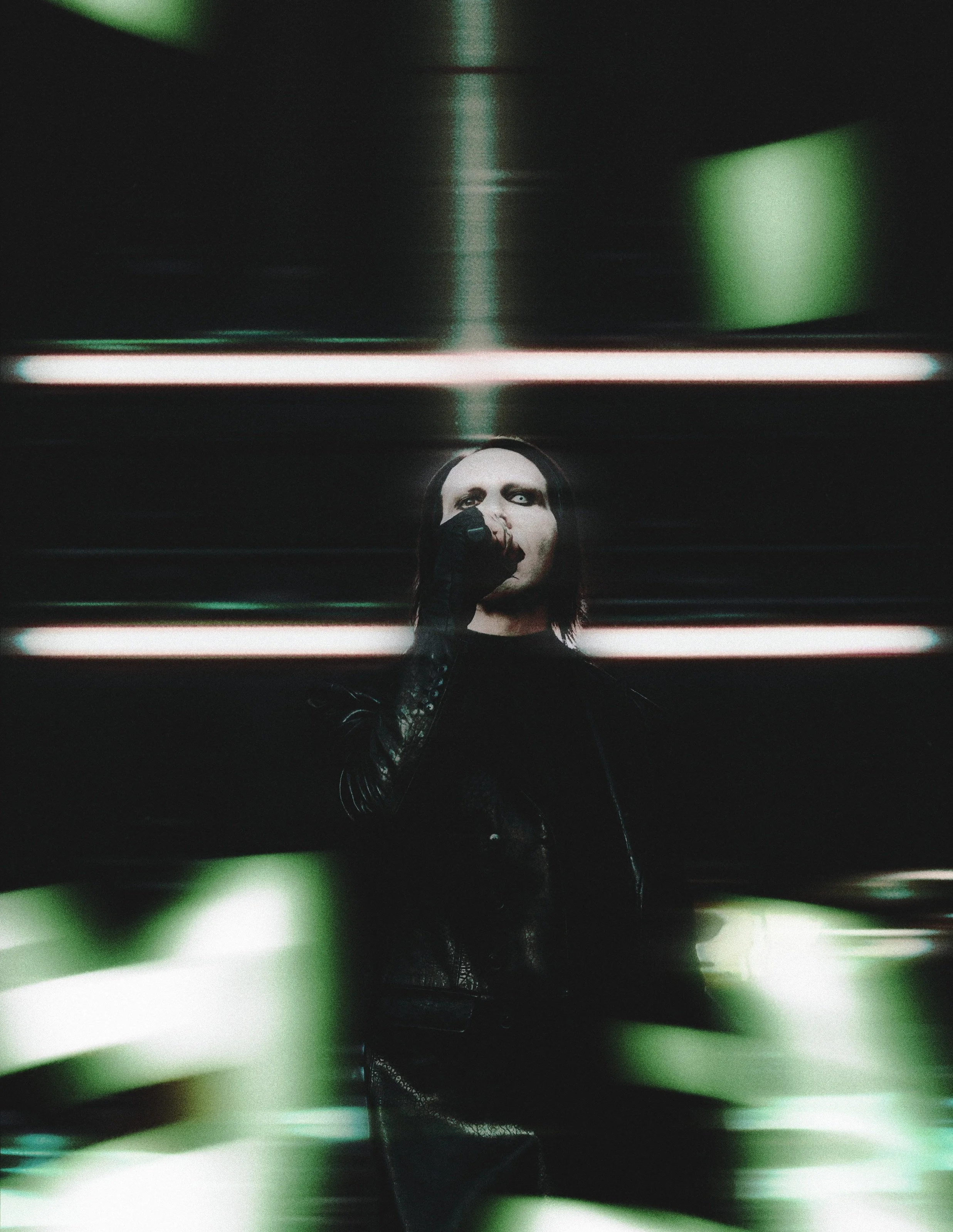
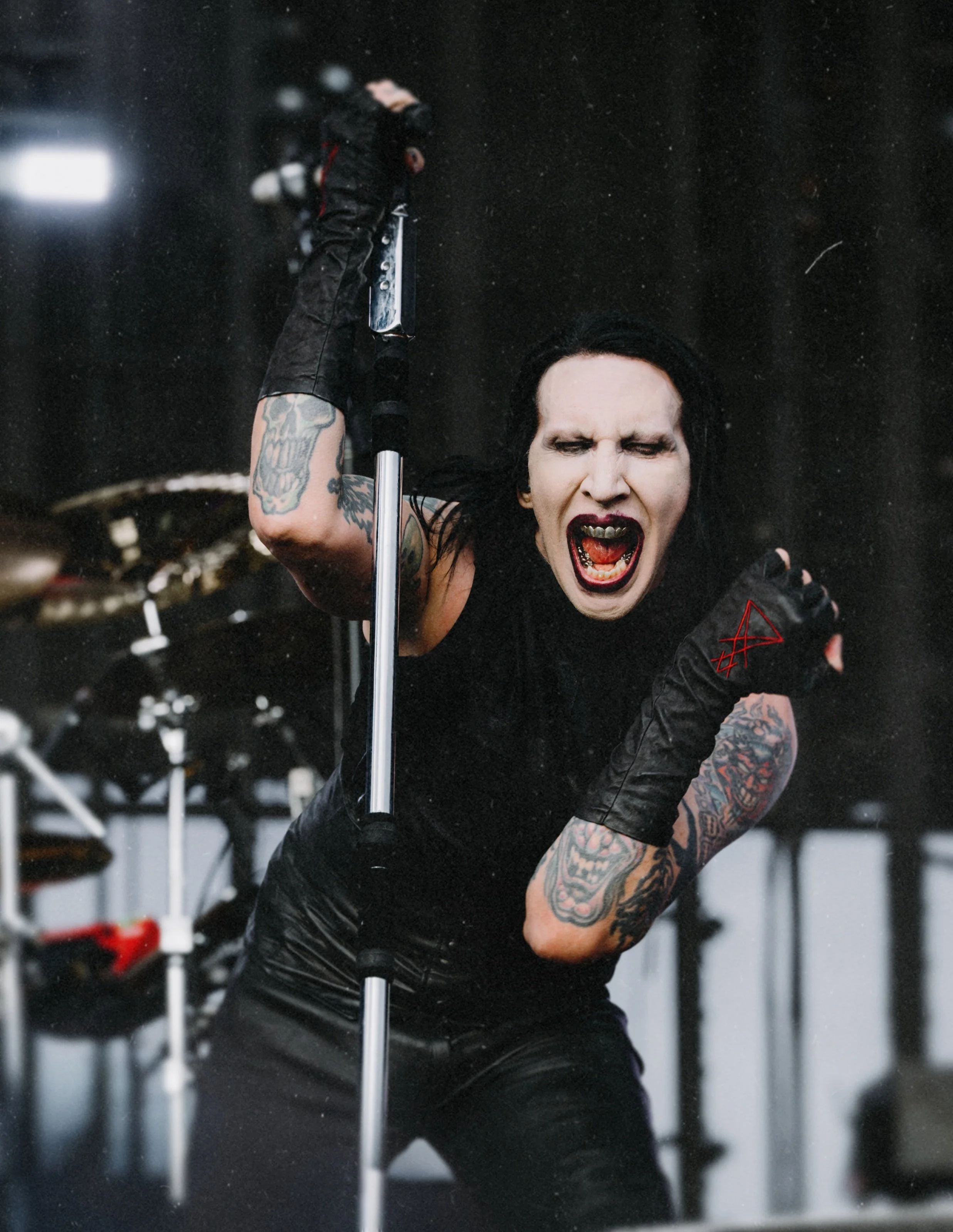
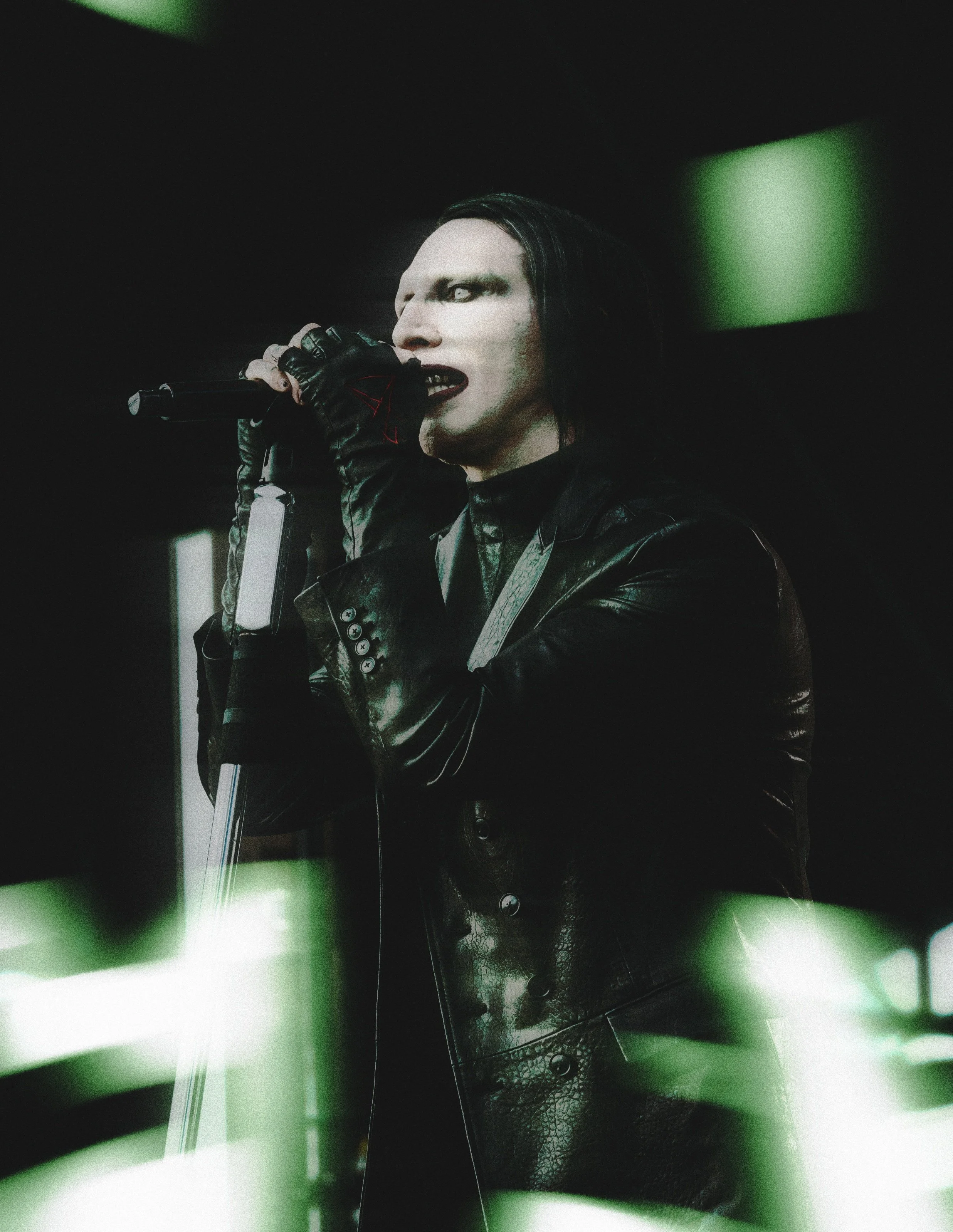
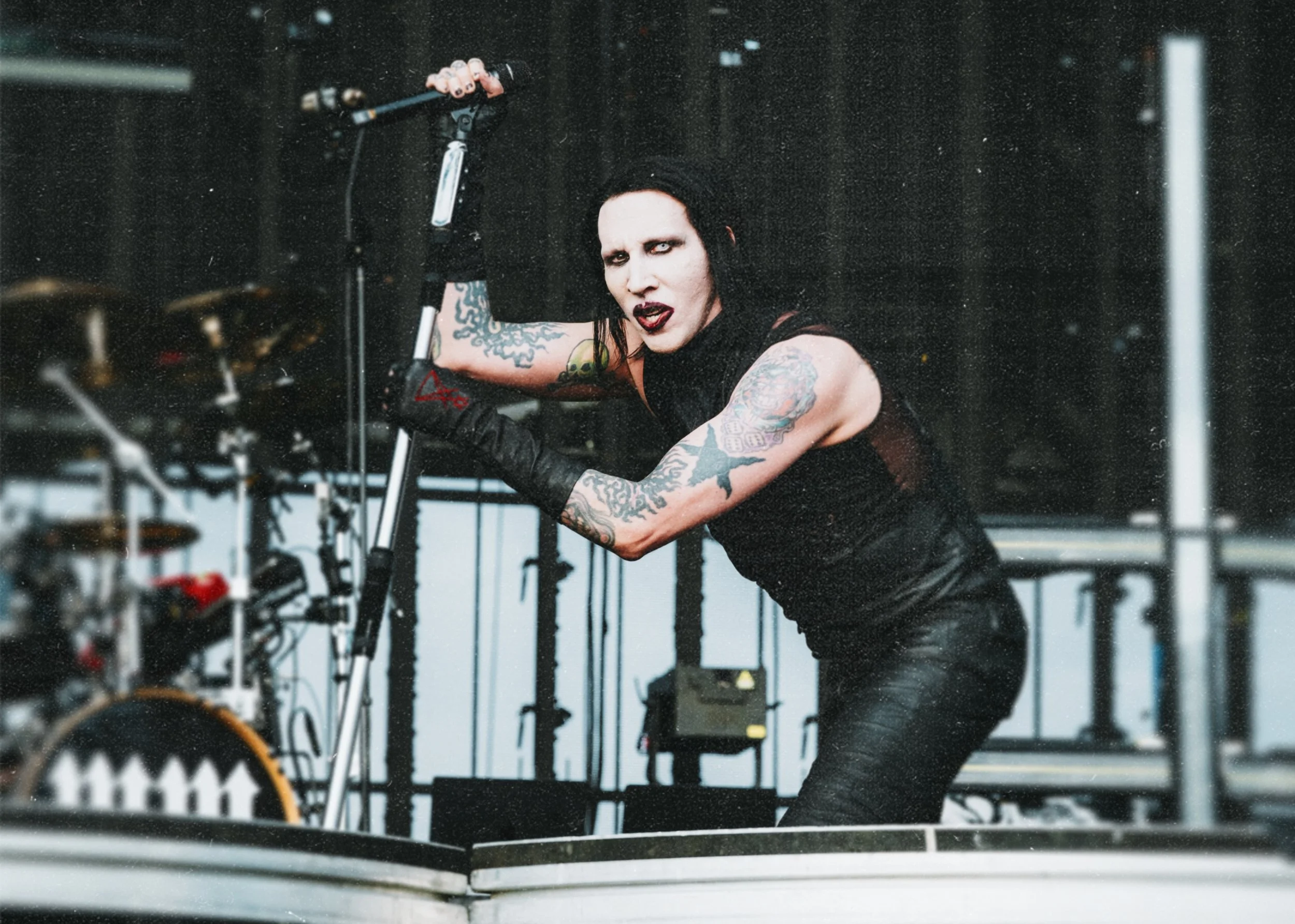
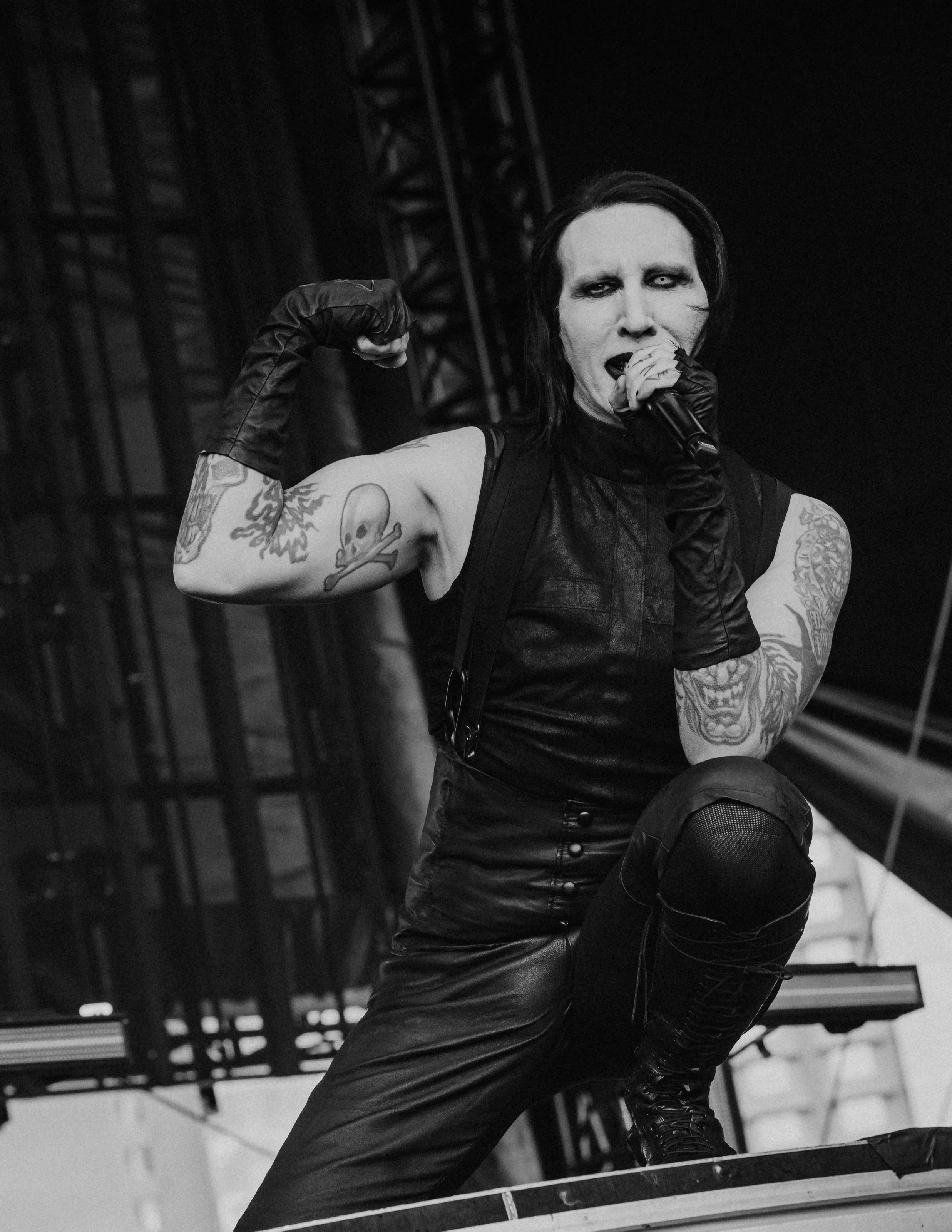
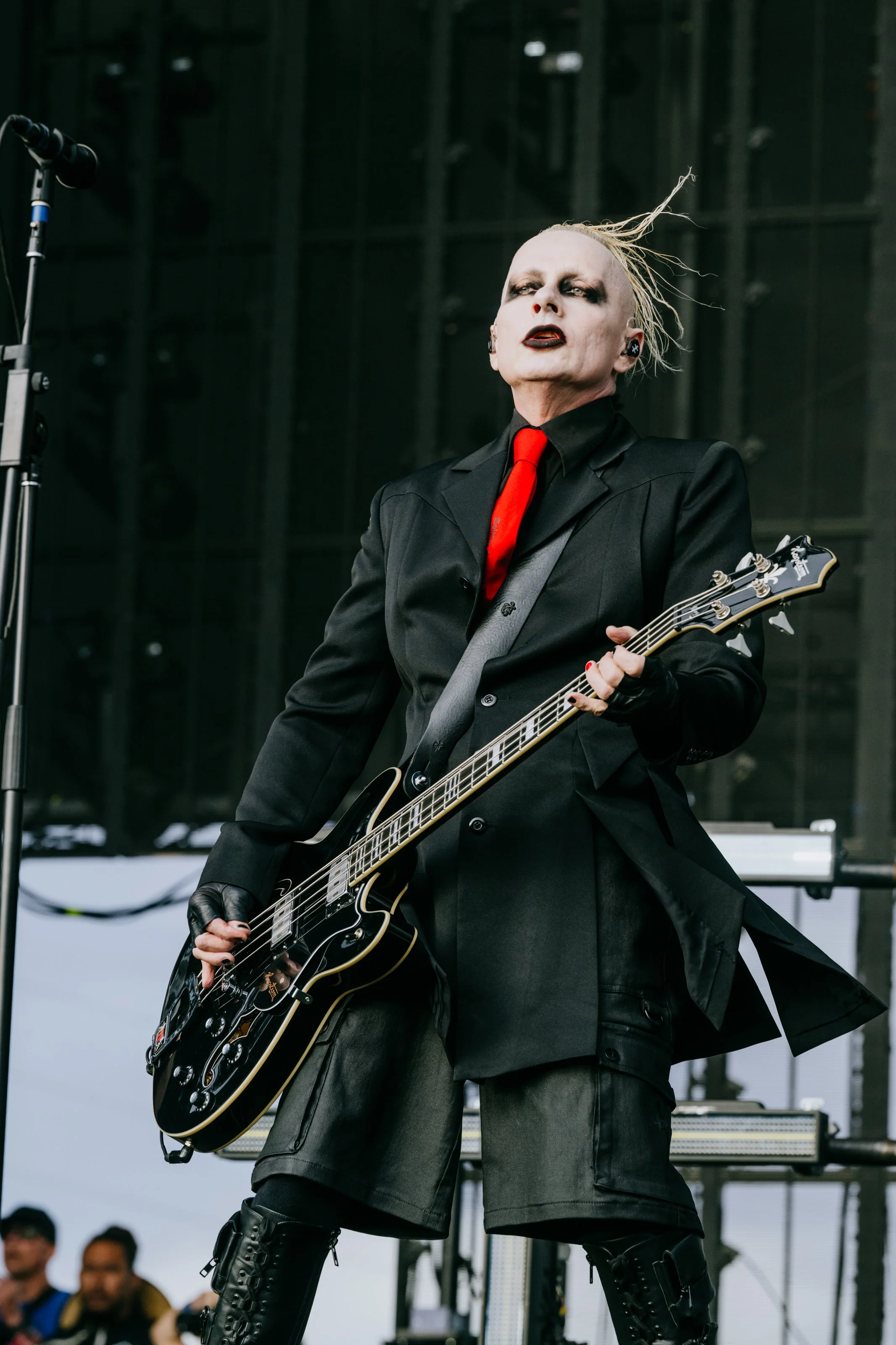
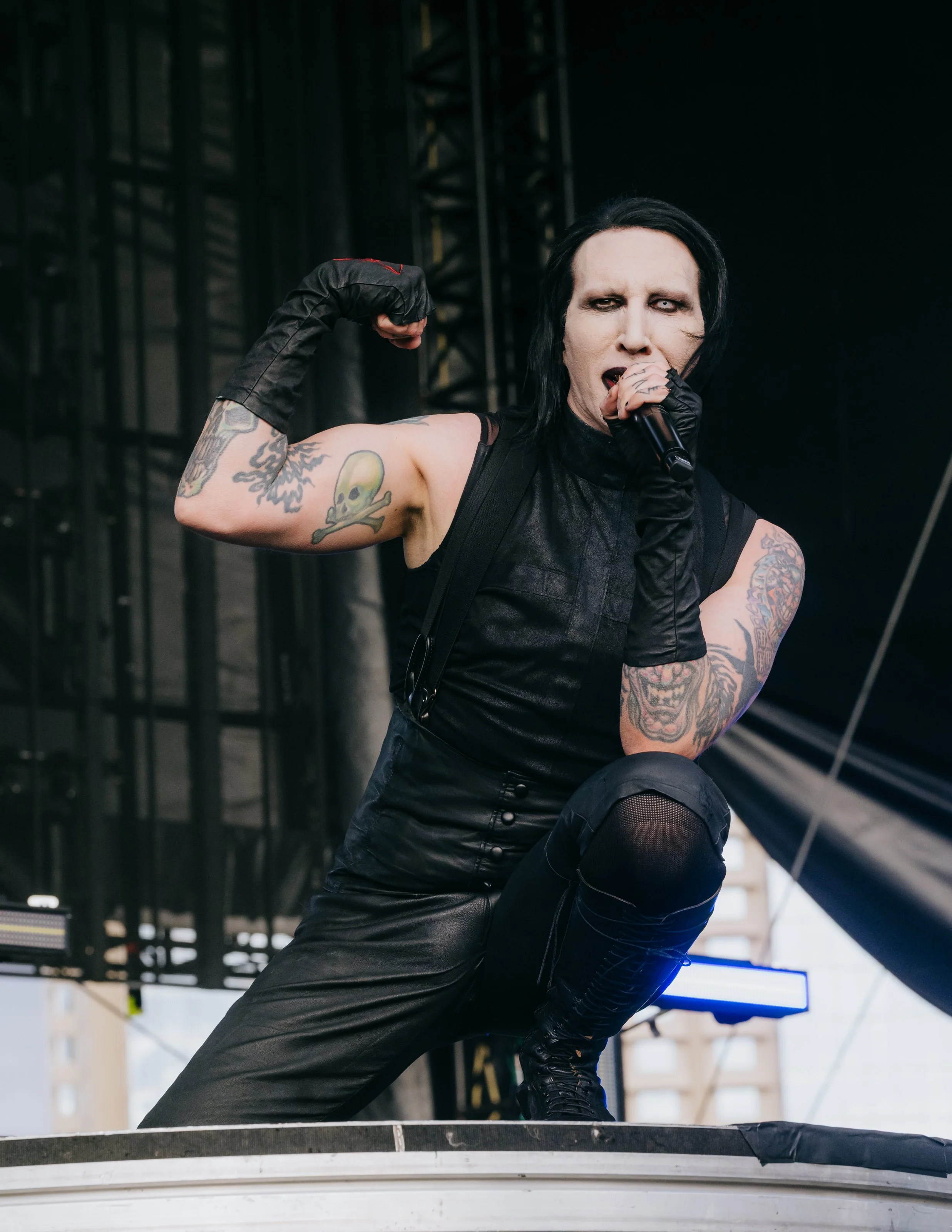
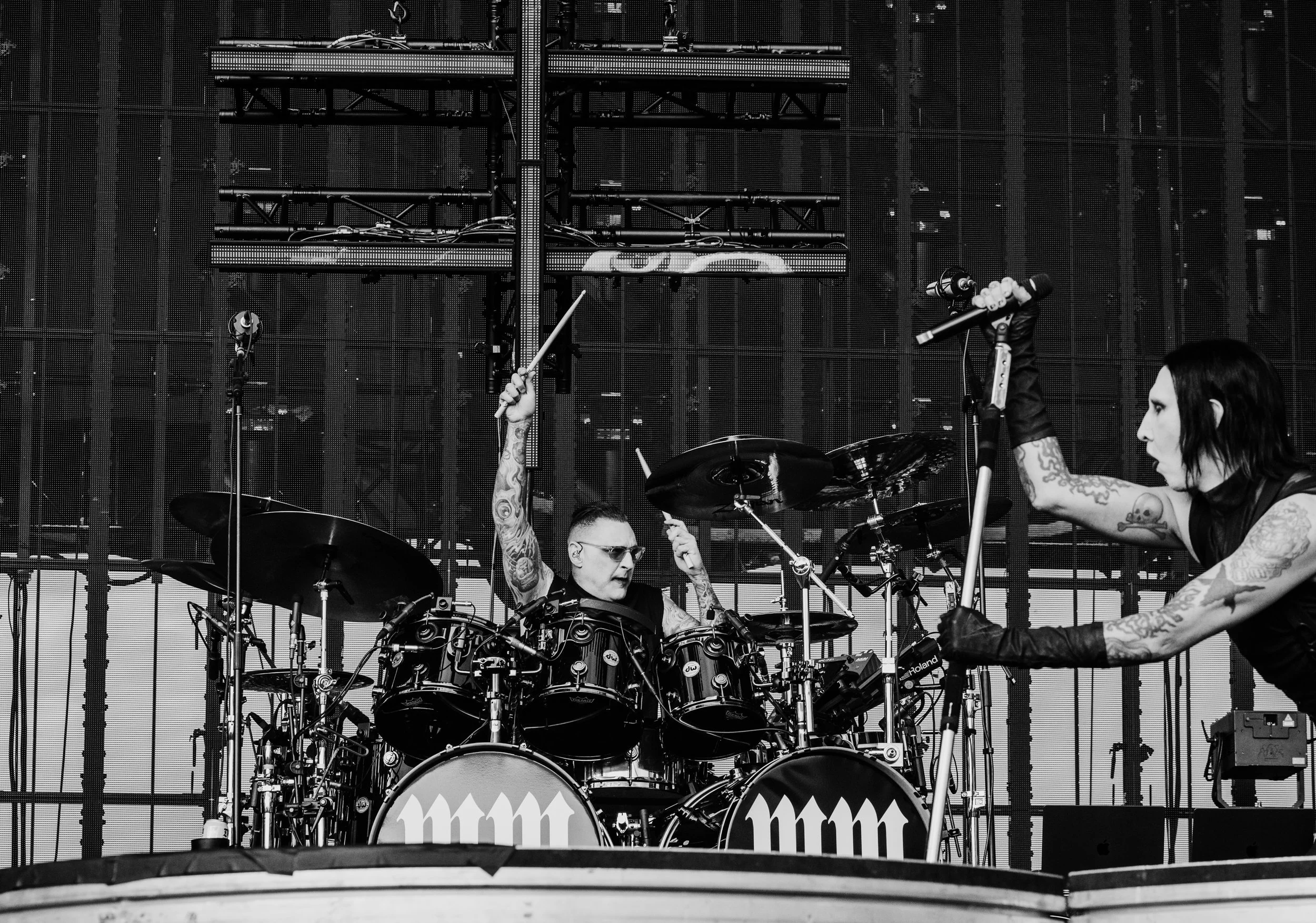
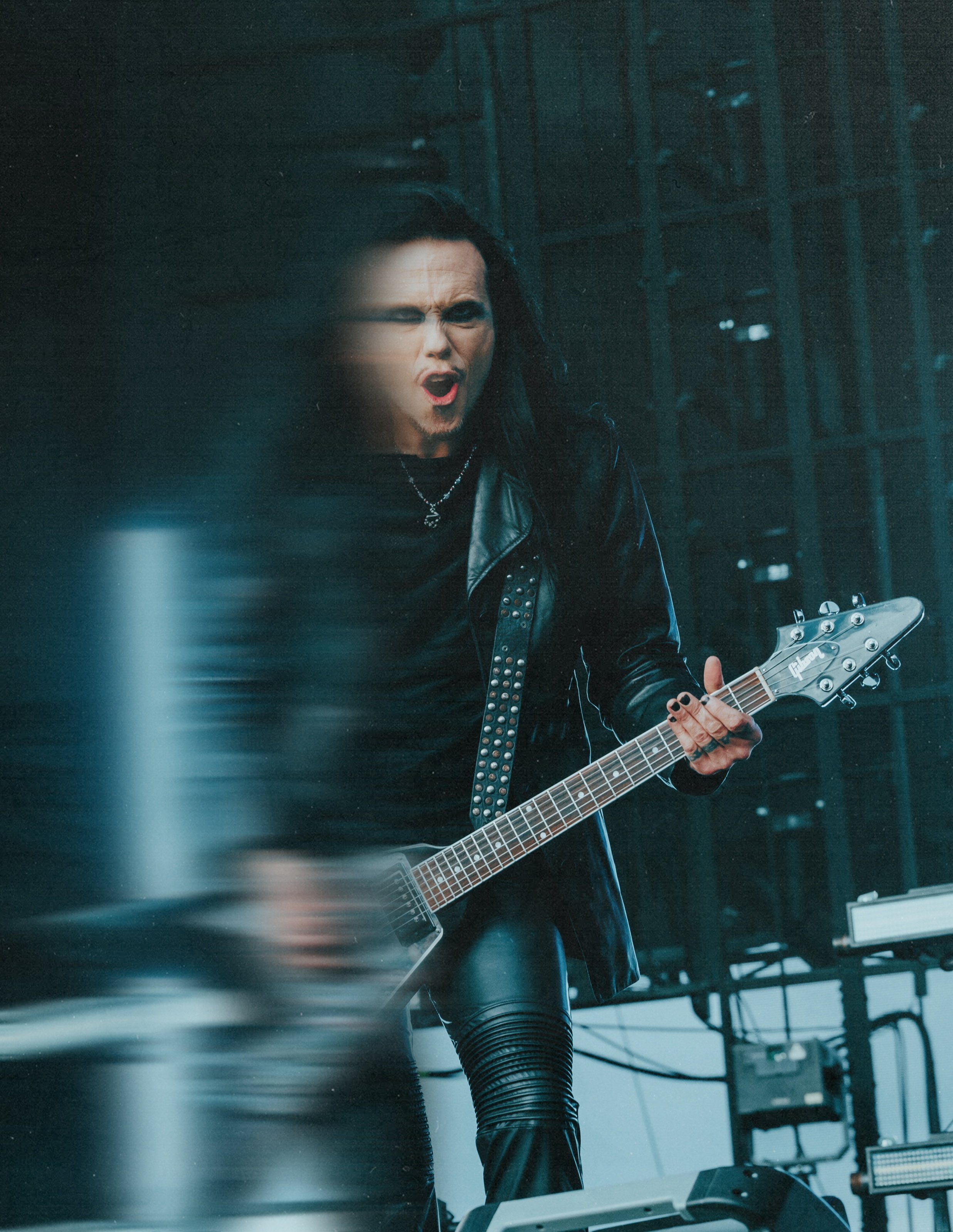
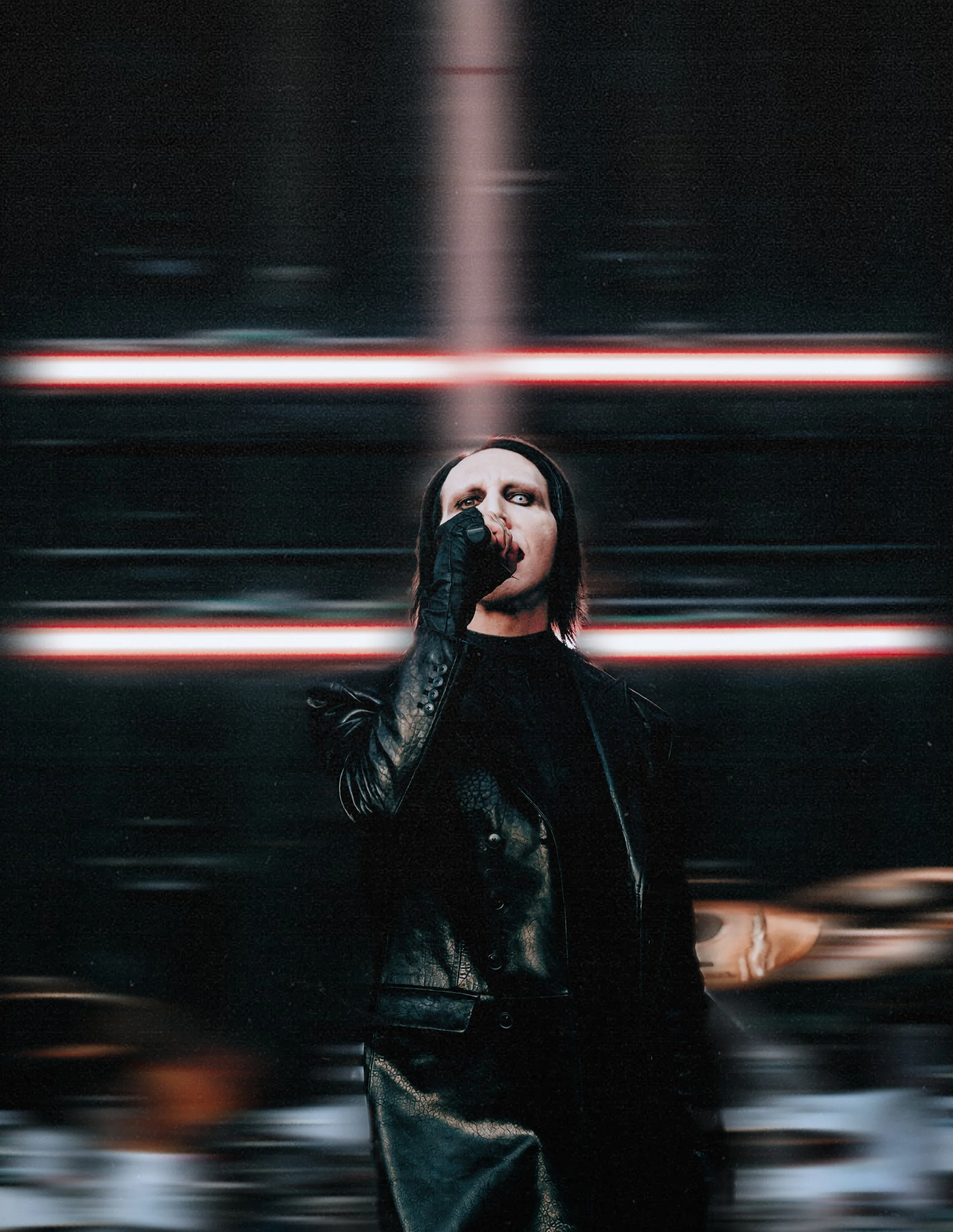
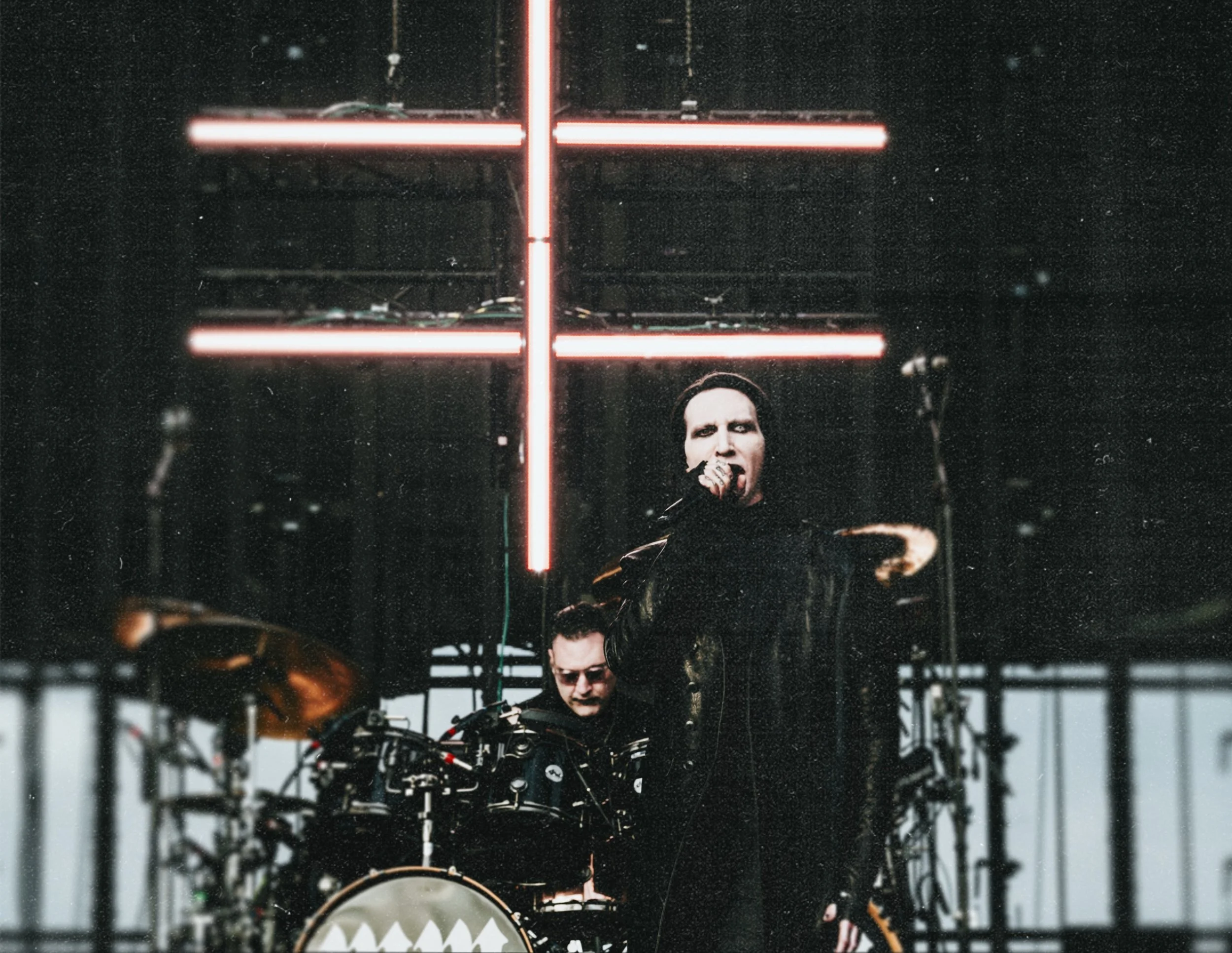
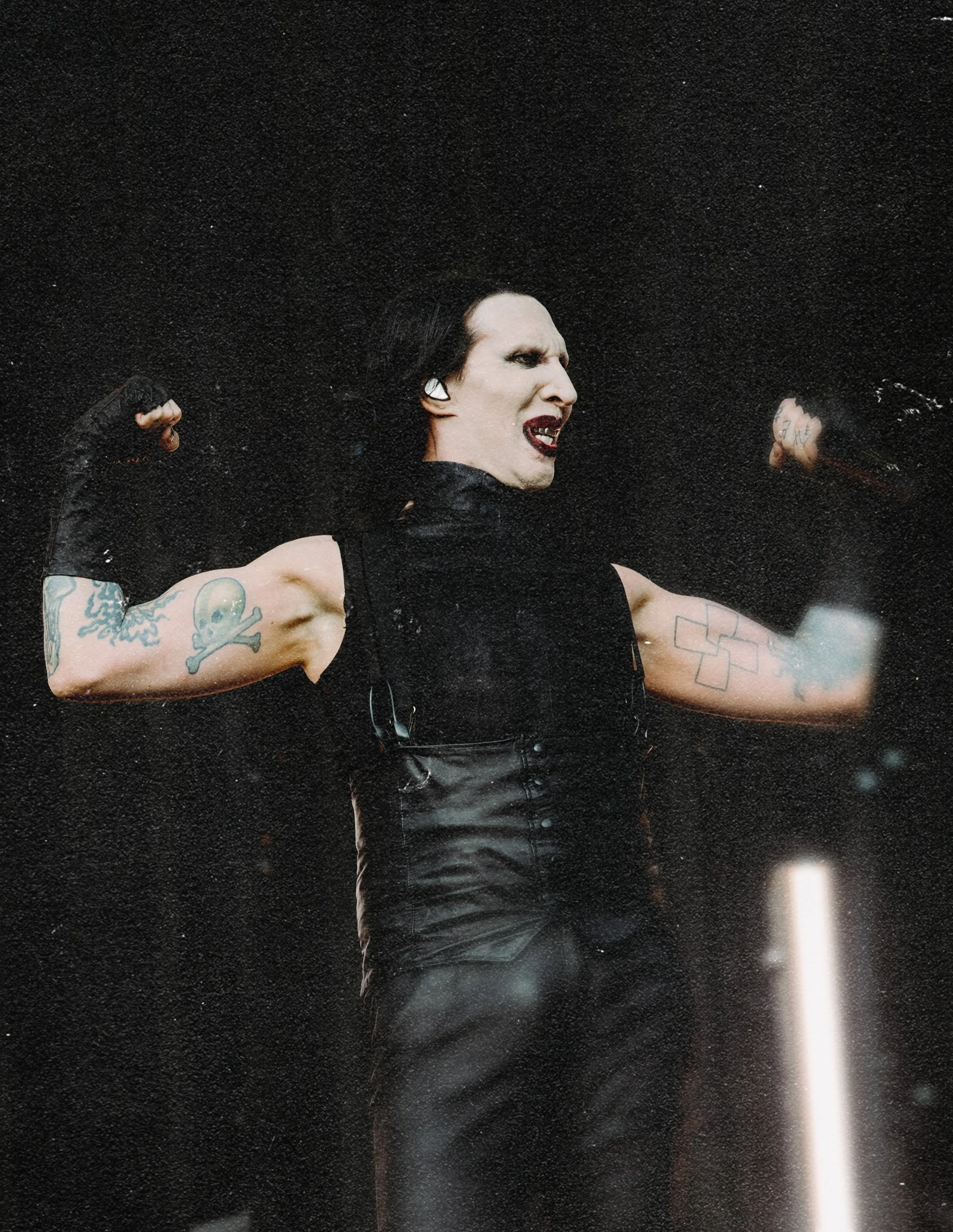
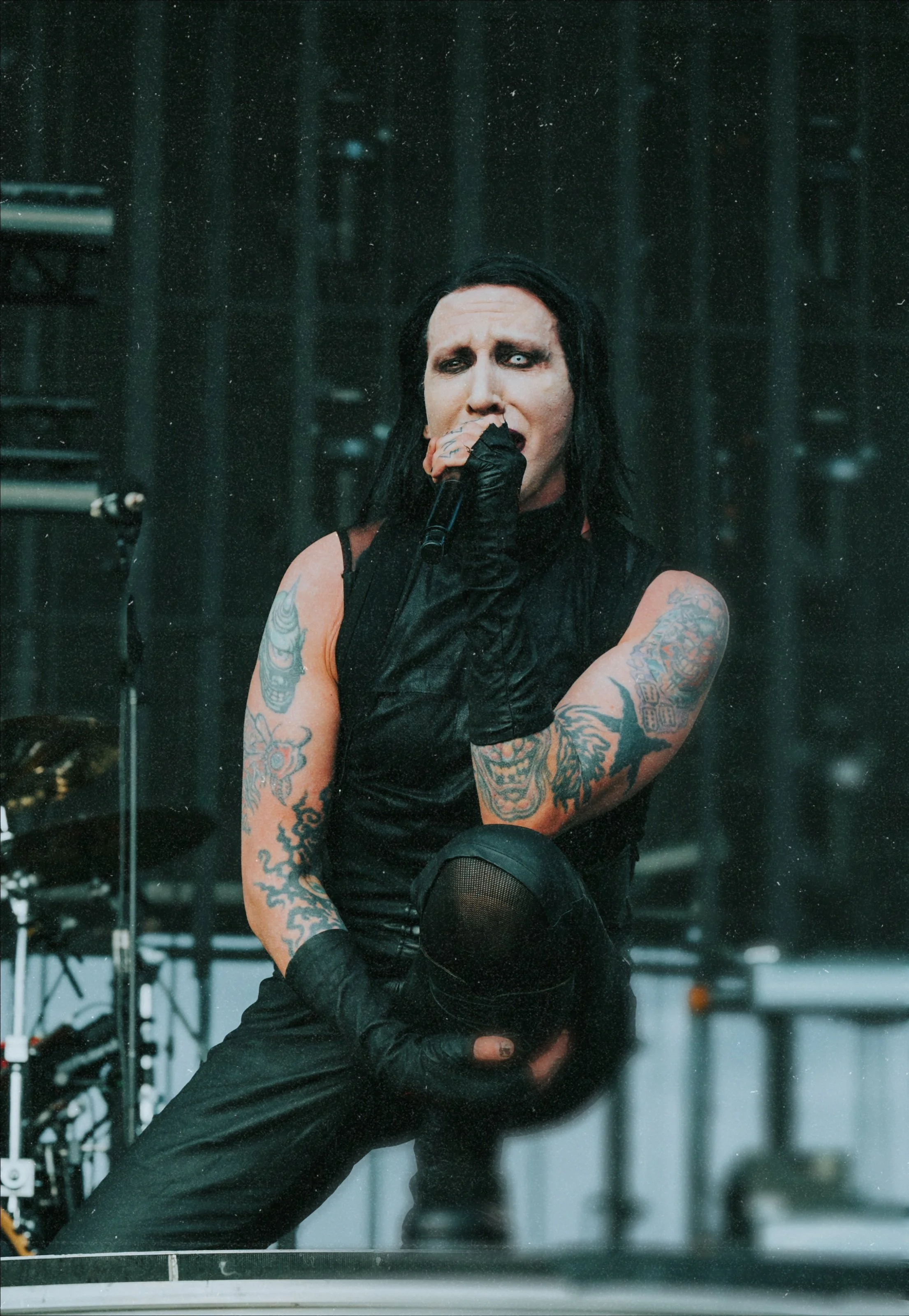
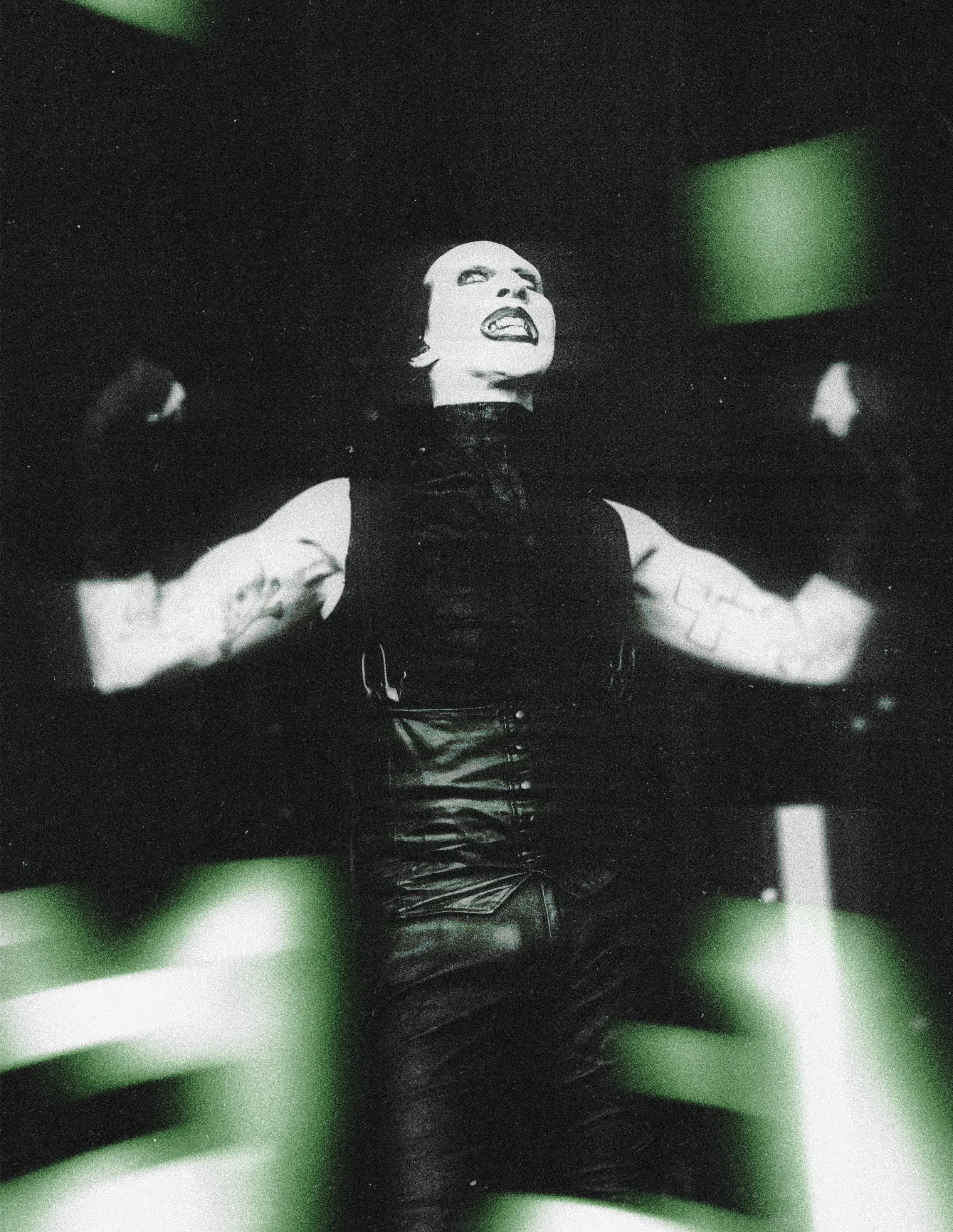
Marilyn Manson brought the festival into darker industrial territory, adding one of the day’s more theatrical performances to the lineup. His presence fit naturally within Sick New World’s broader connection to goth, shock rock, and heavy alternative music, giving the bill a more sinister edge between its nu-metal foundations and modern aggressive acts. The set also carried added weight through the musicians behind him, including Piggy D. and Tim Sköld, whose histories across rock, industrial, and heavy music helped sharpen the performance’s atmosphere. Within a festival built around scale and spectacle, Manson’s set leaned into the darker side of that world, bringing a mix of tension, distortion, and visual drama to the Las Vegas grounds.
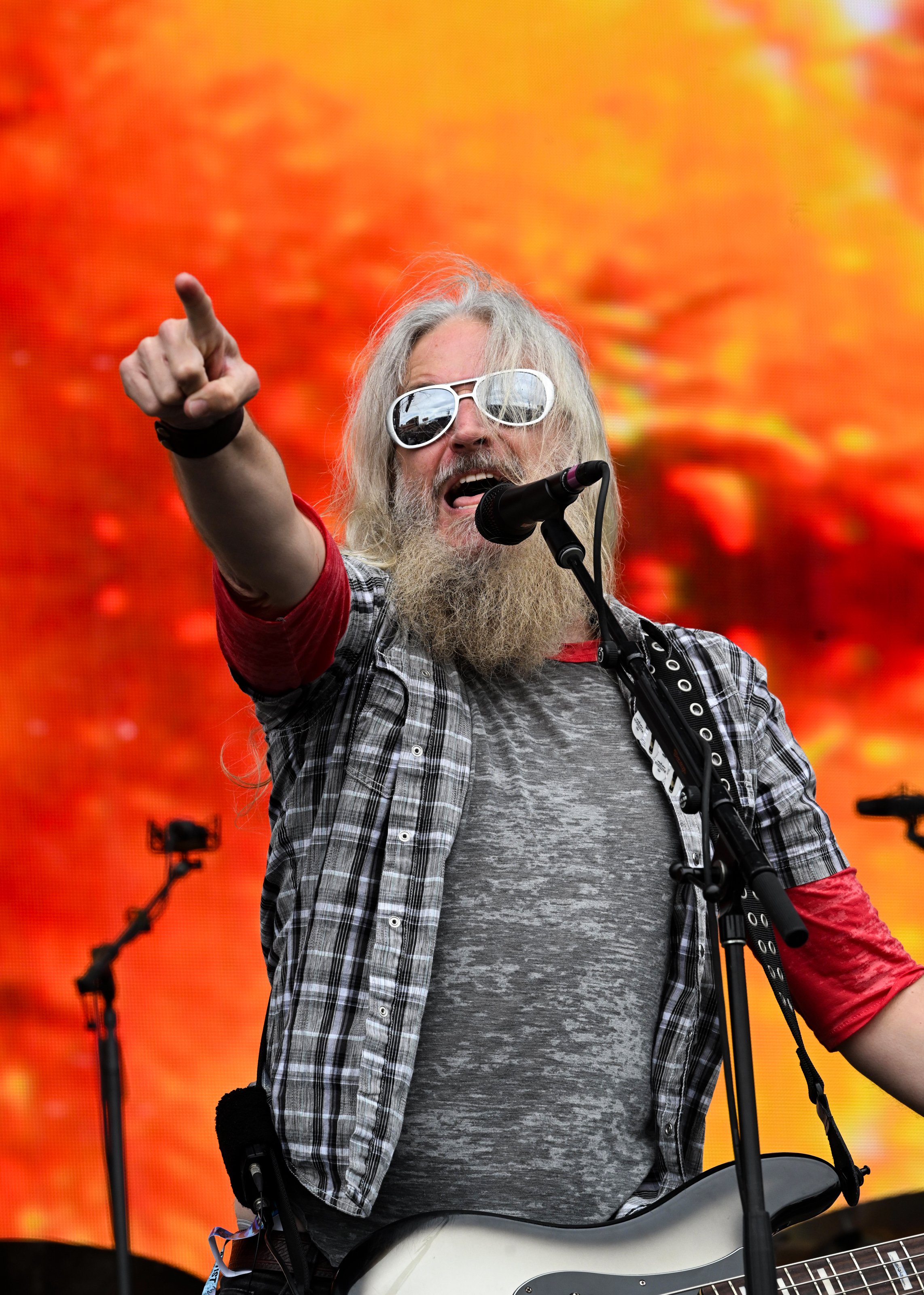
Mastodon added a different weight to the day. Known for their progressive metal approach, the band brought a more technical and expansive side of heaviness to the lineup. Their music occupies a space that is less about immediate nostalgia and more about musicianship, scale, and atmosphere. Within the context of Sick New World, Mastodon helped broaden the festival’s range, showing that heaviness can be intricate, layered, and massive without fitting neatly into the nu-metal or alternative rock lane. Their inclusion gave the day more depth and helped balance the more emotionally direct, high-energy acts on the bill.
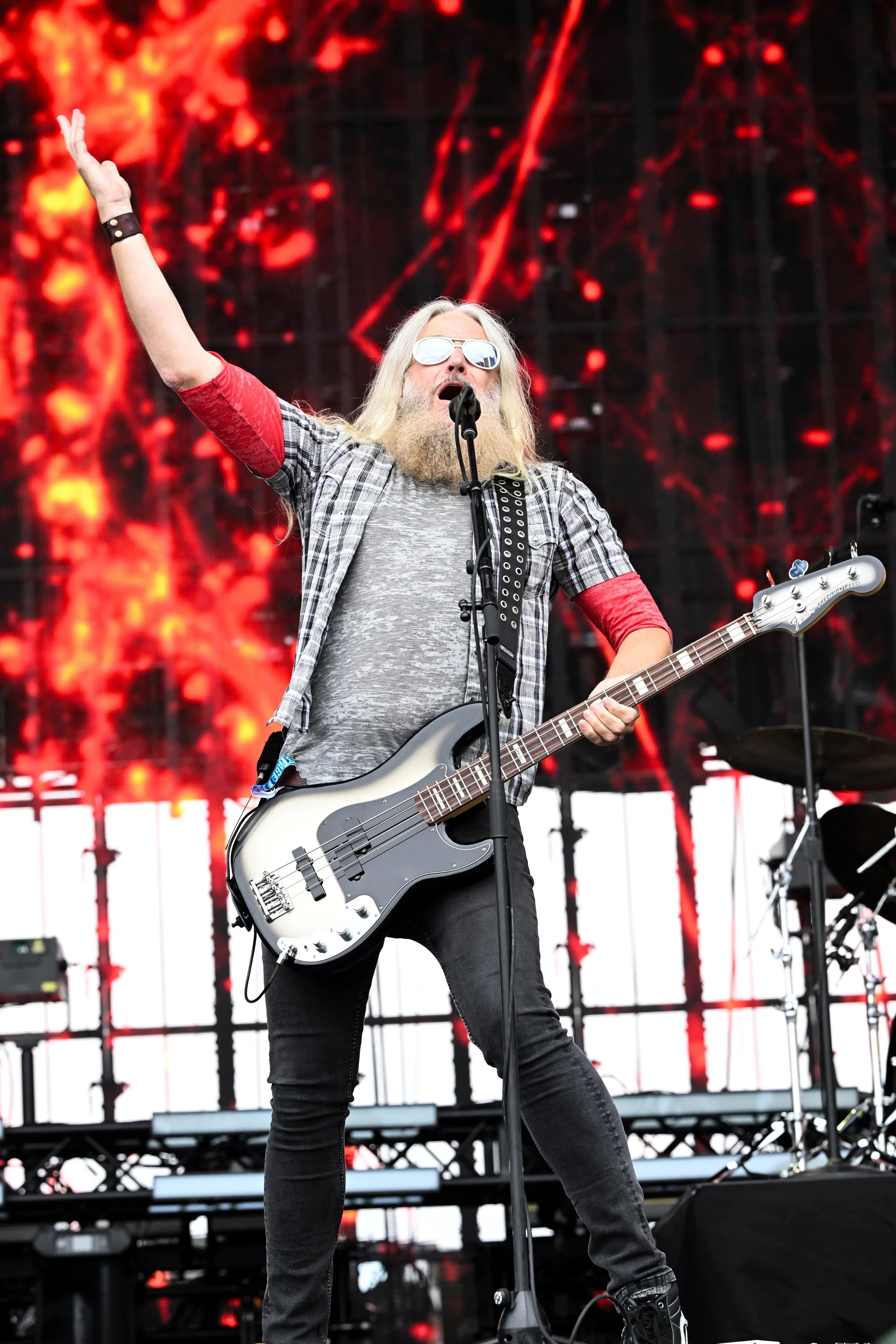
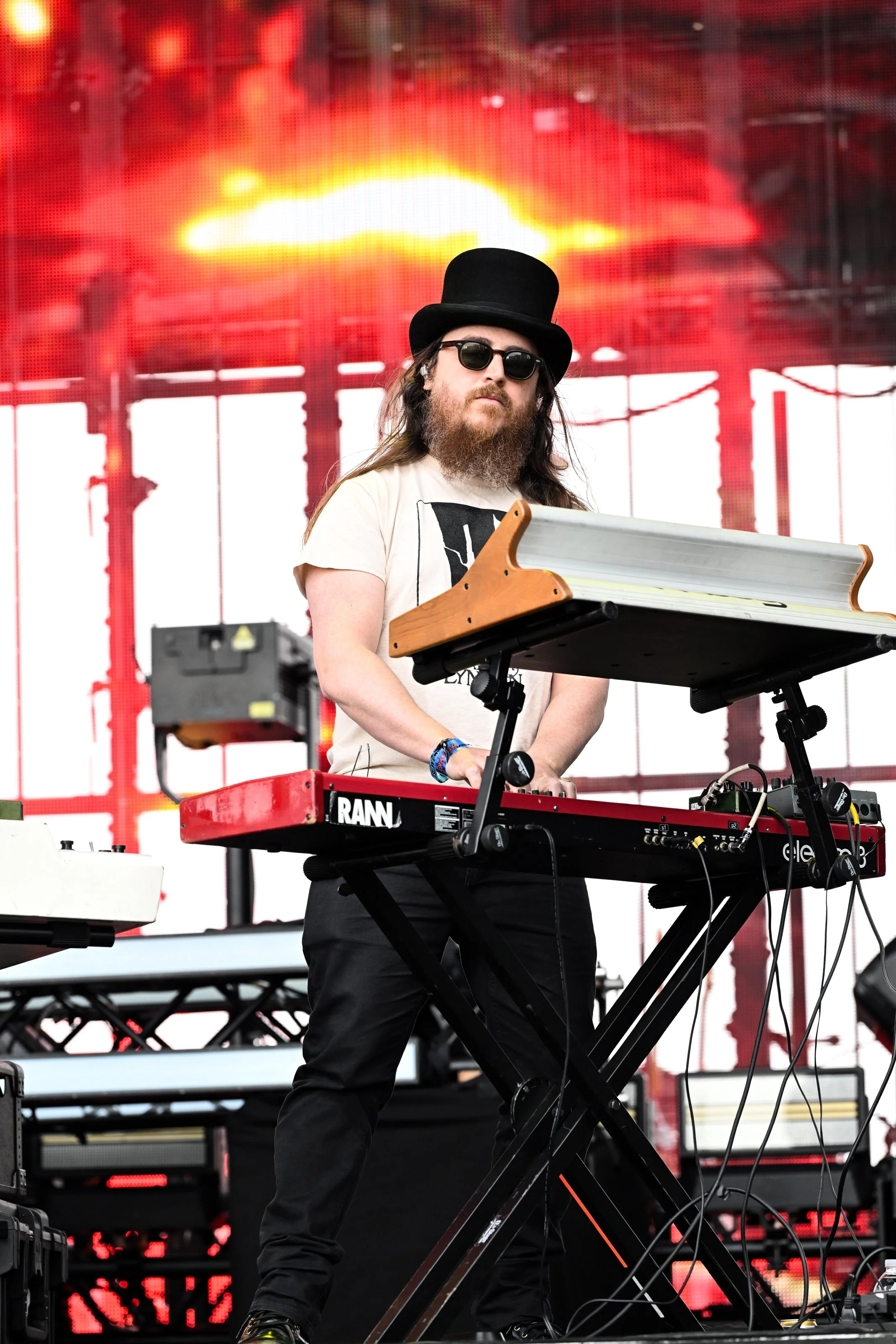
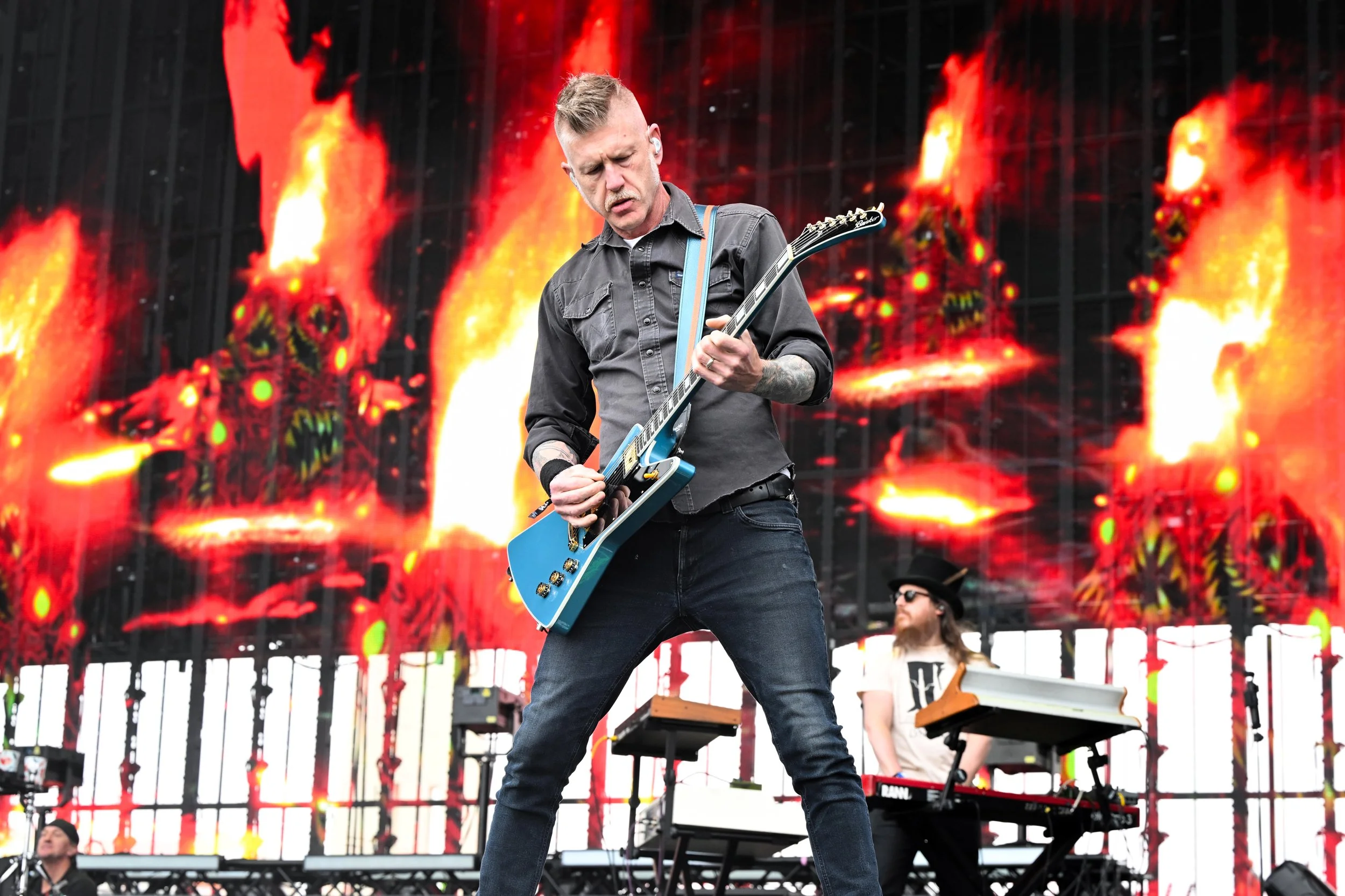
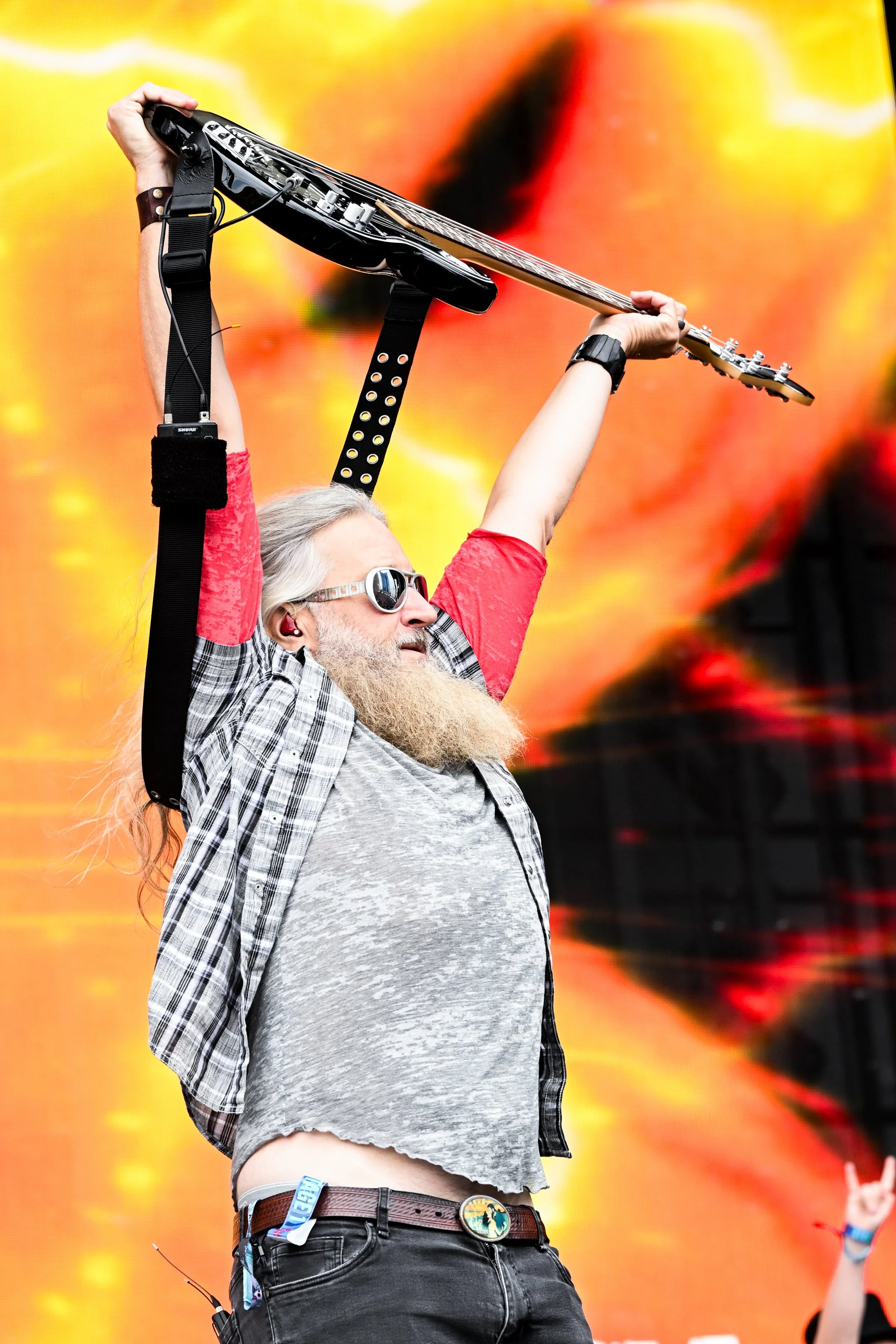
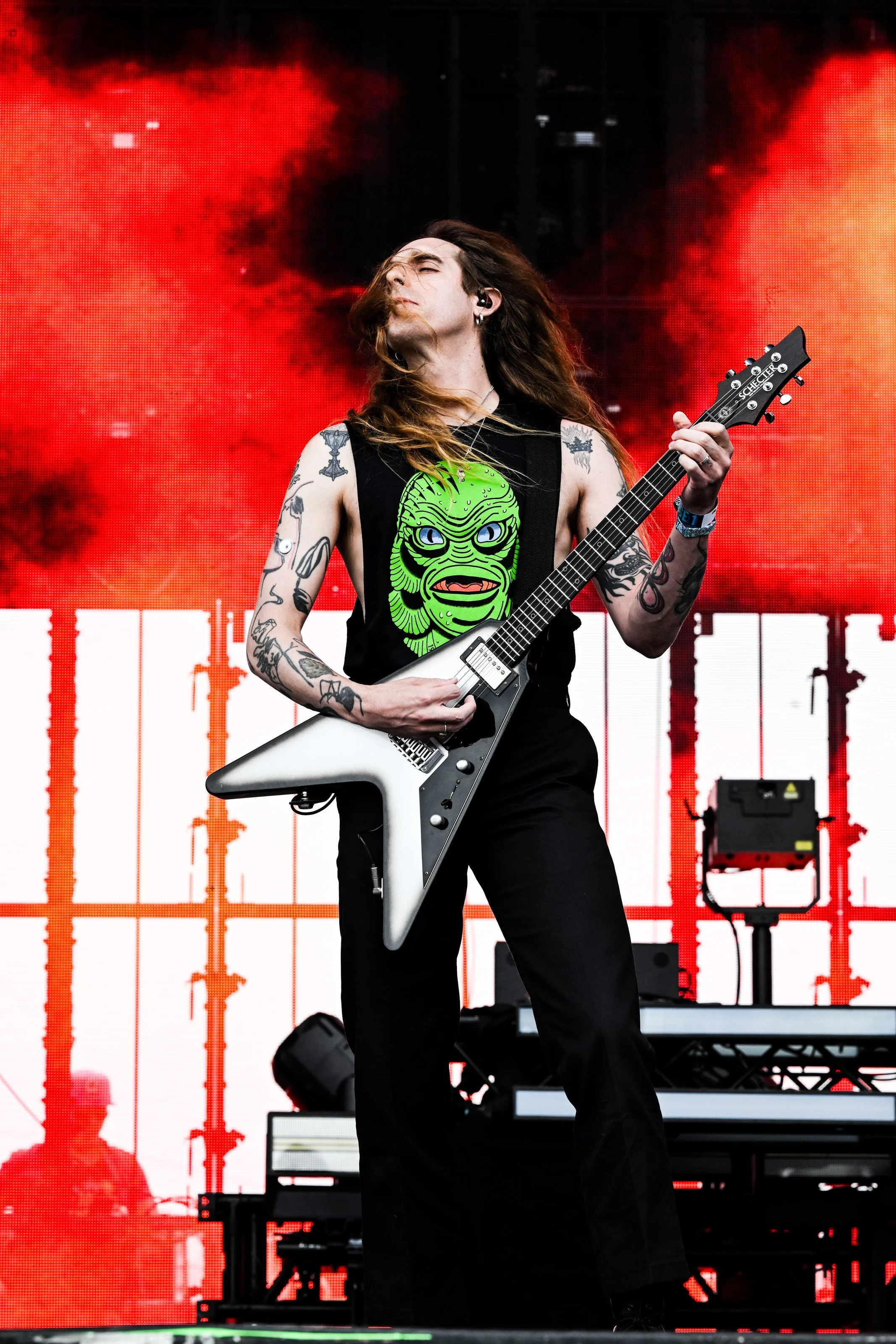
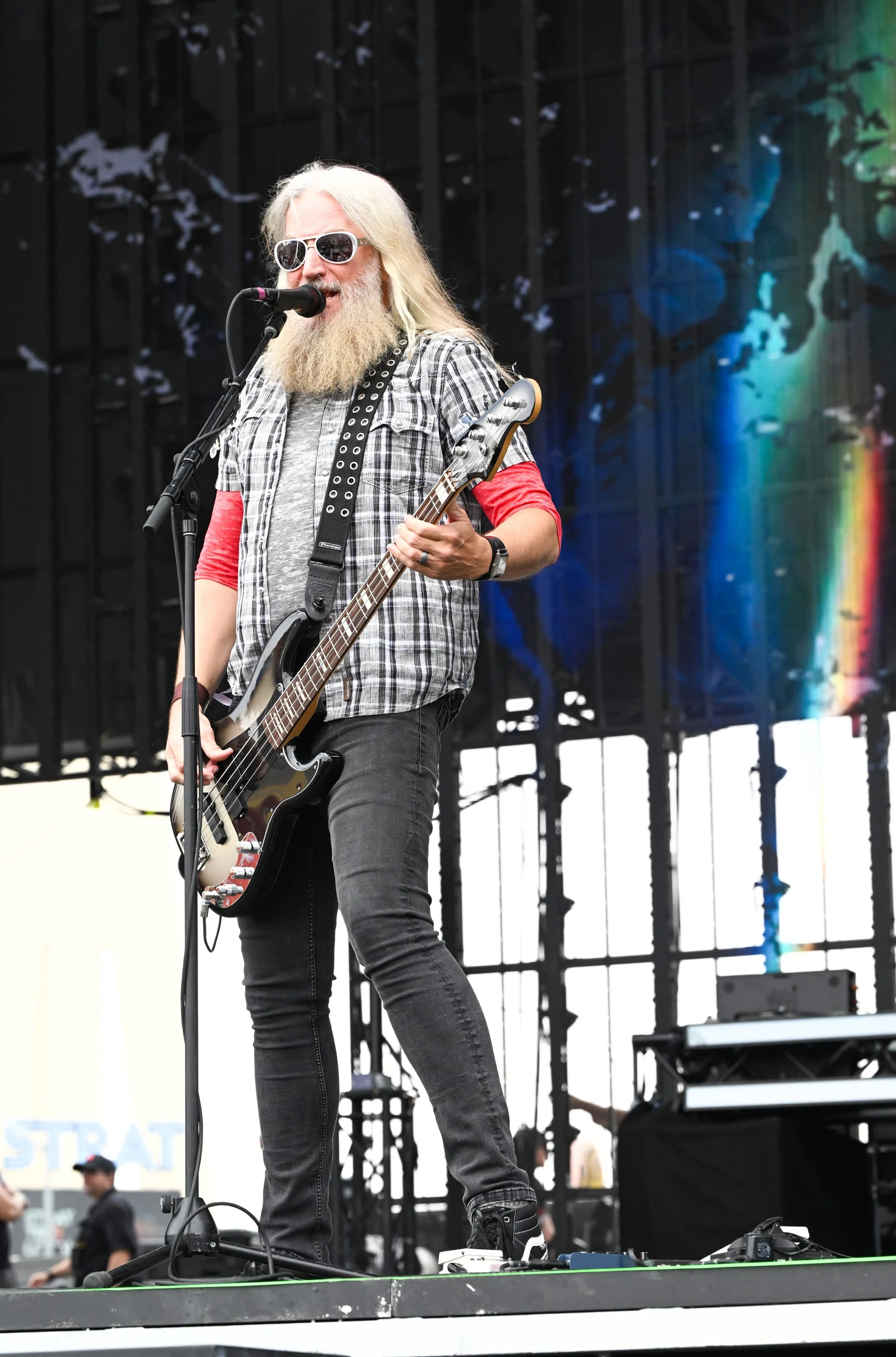
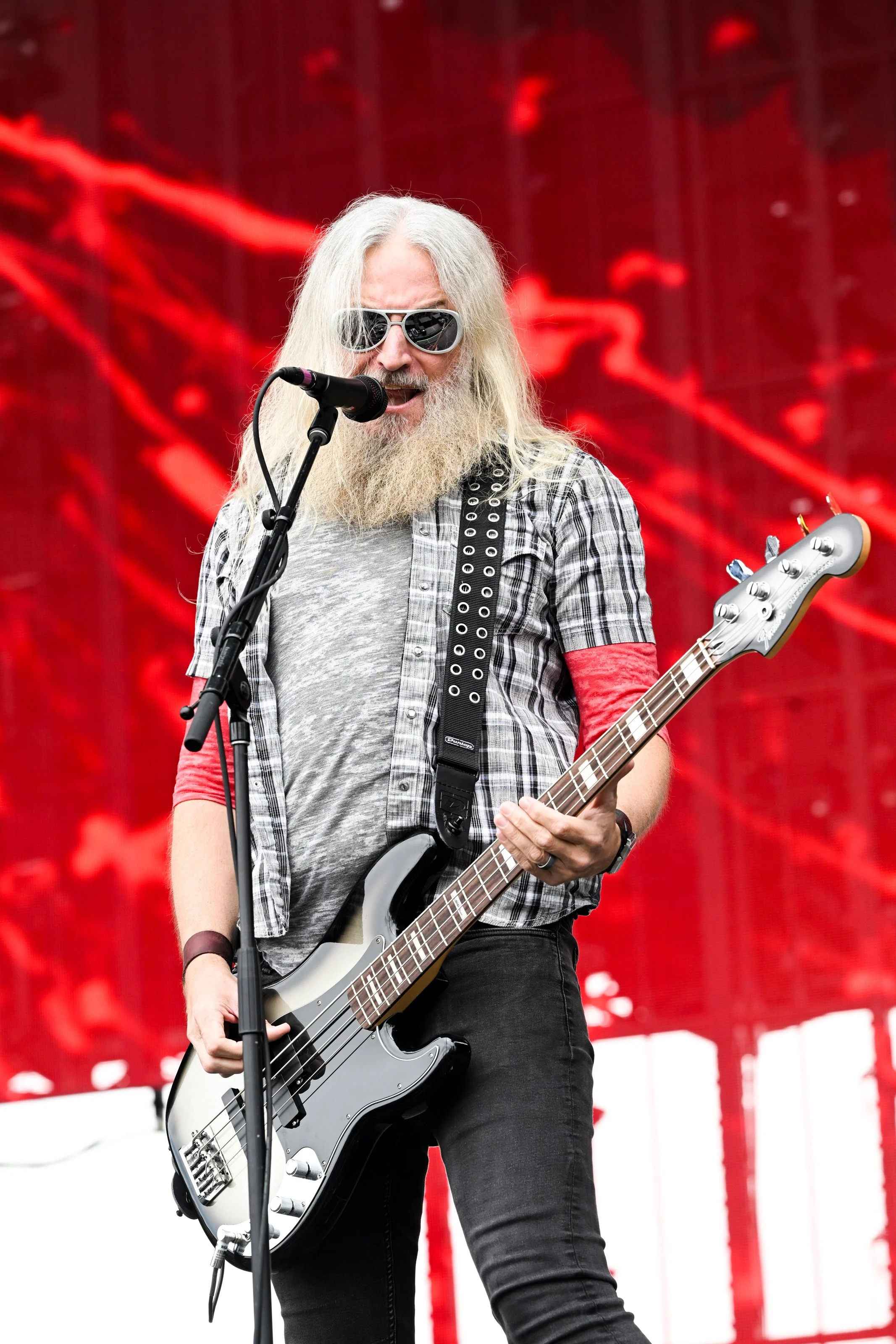
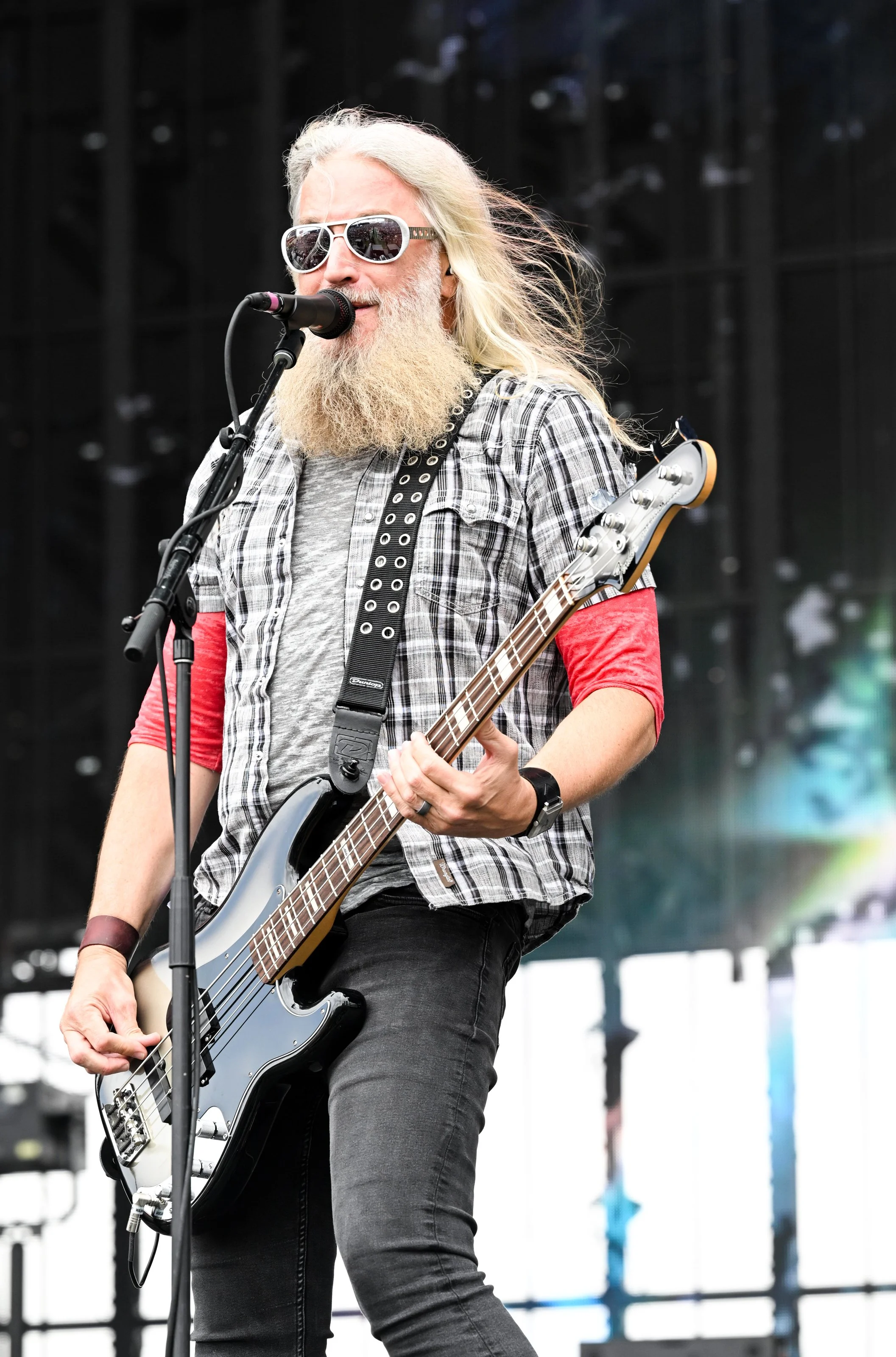
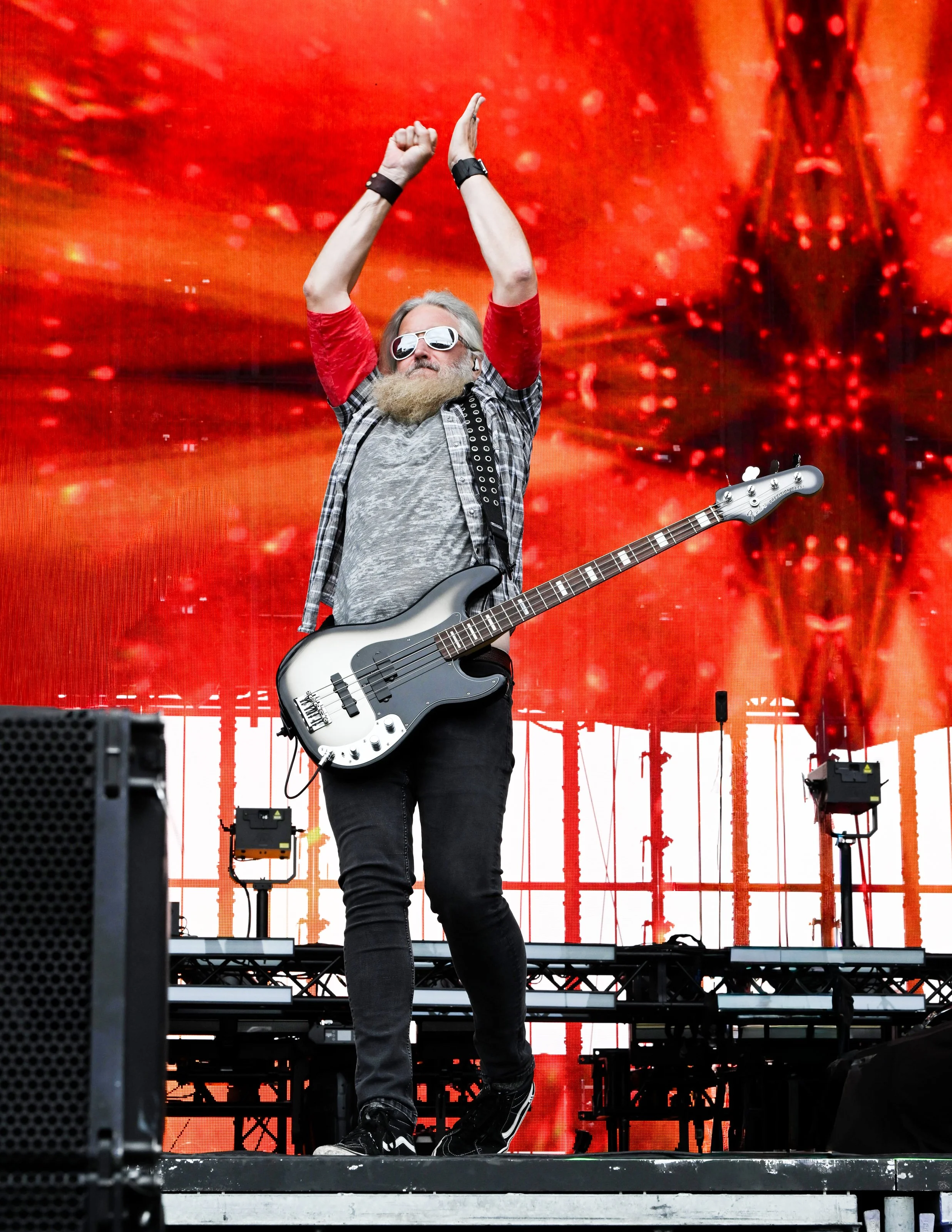
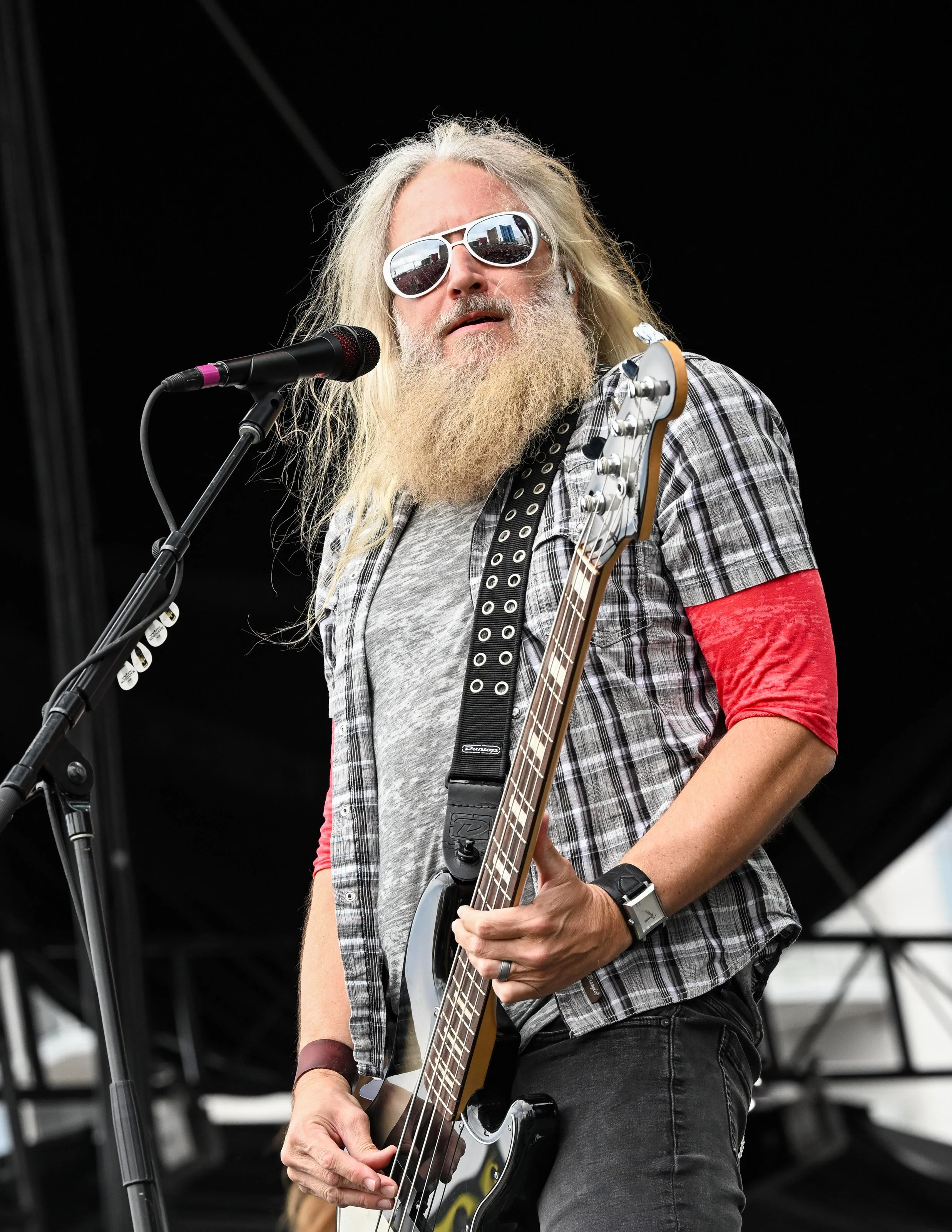
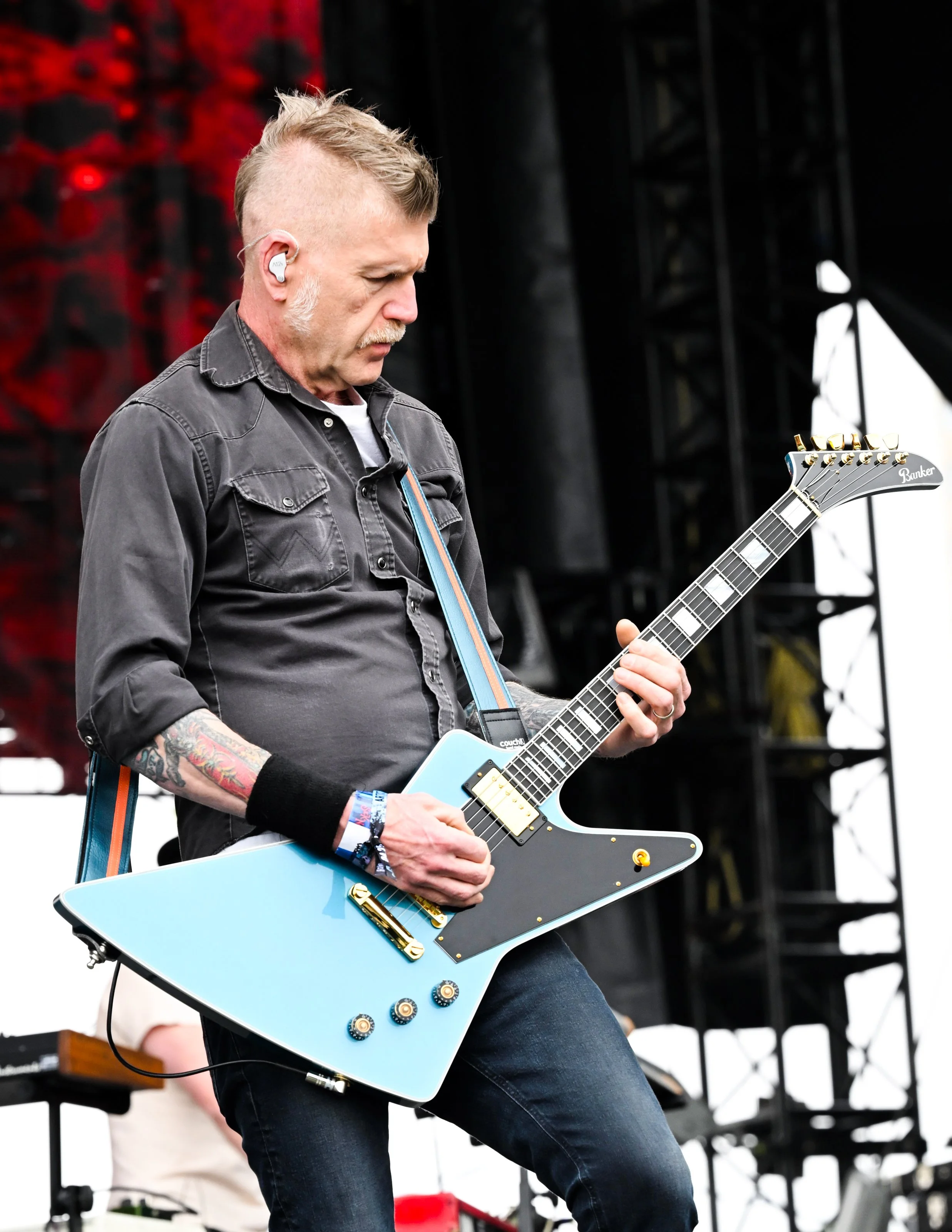
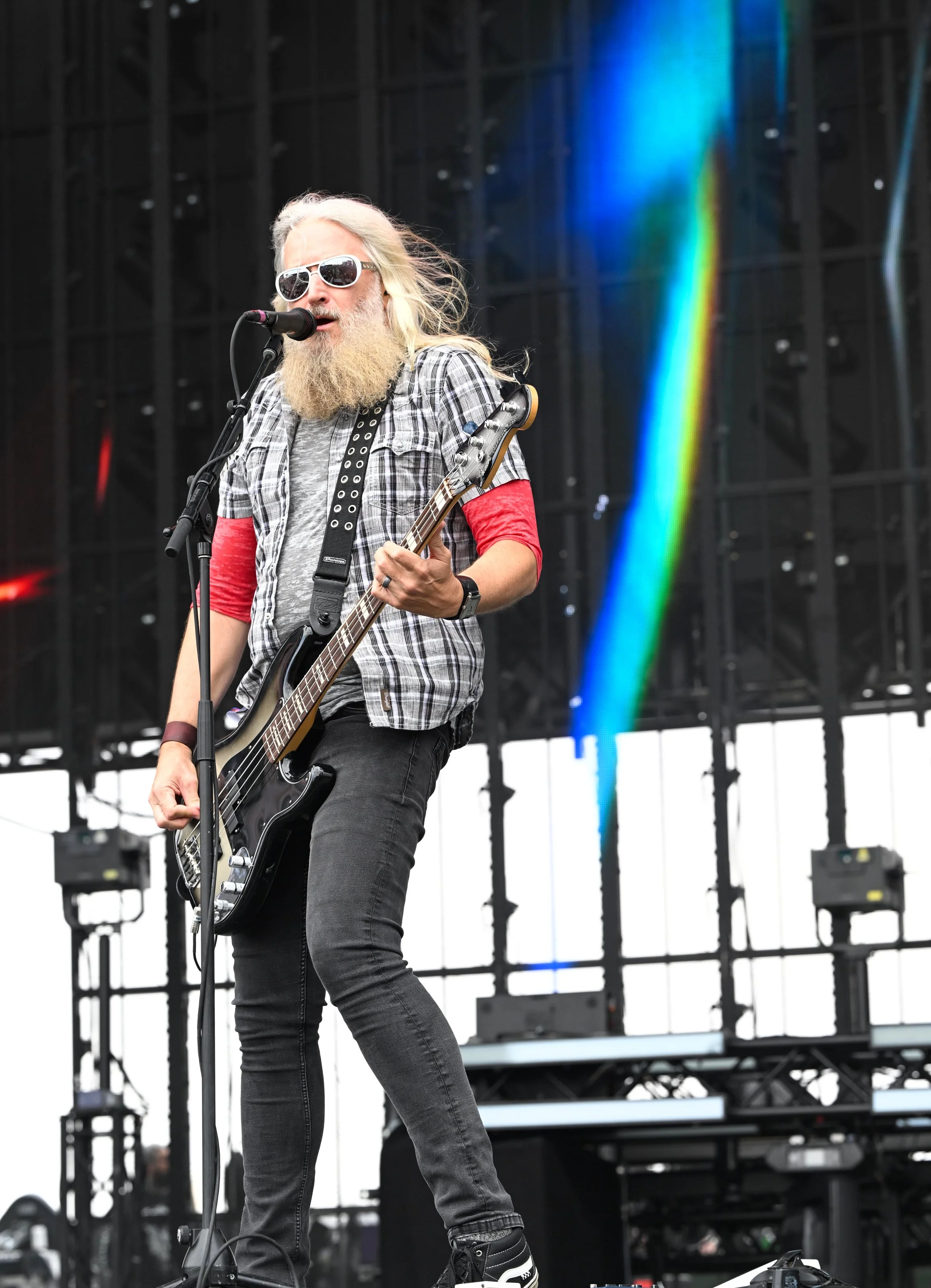
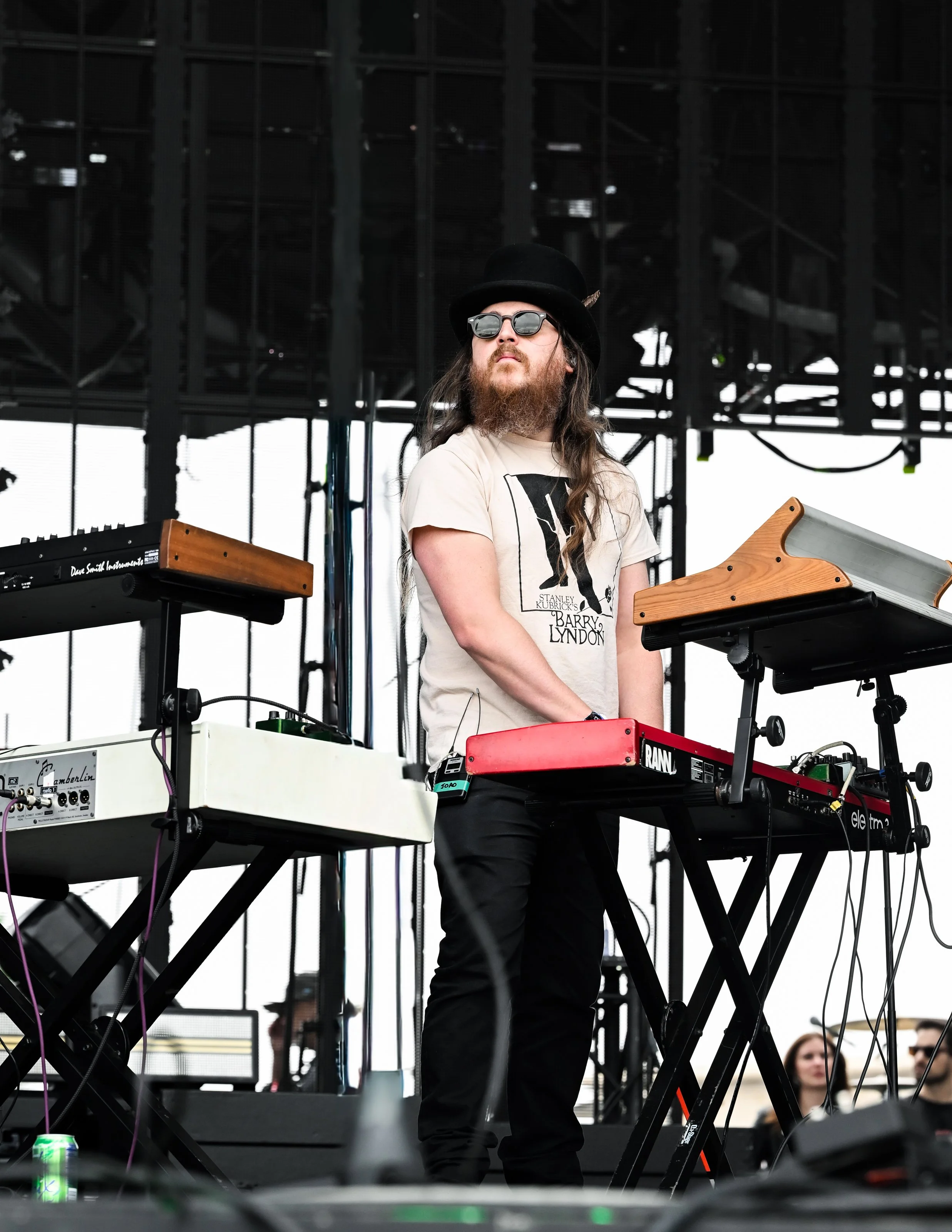
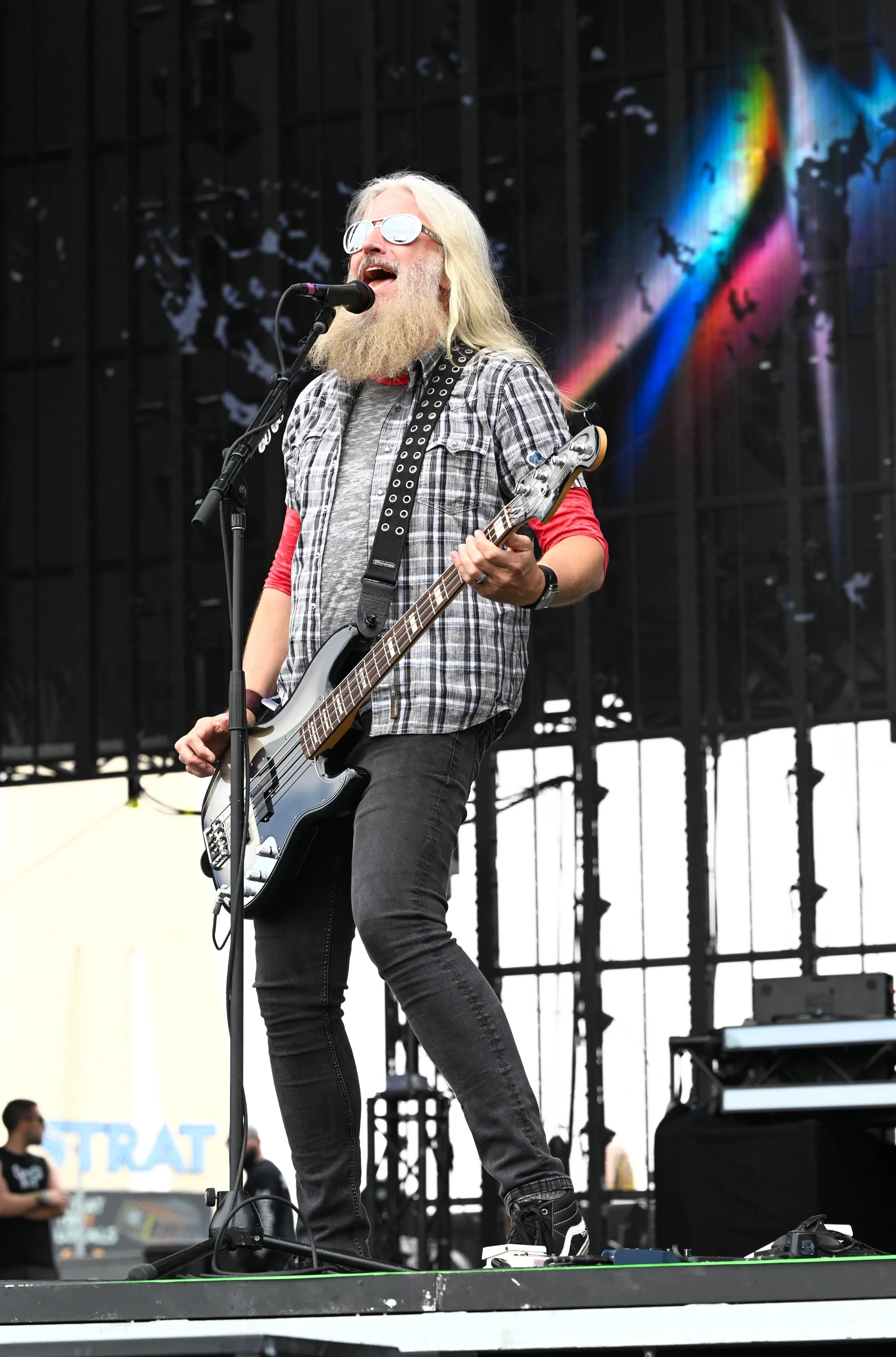
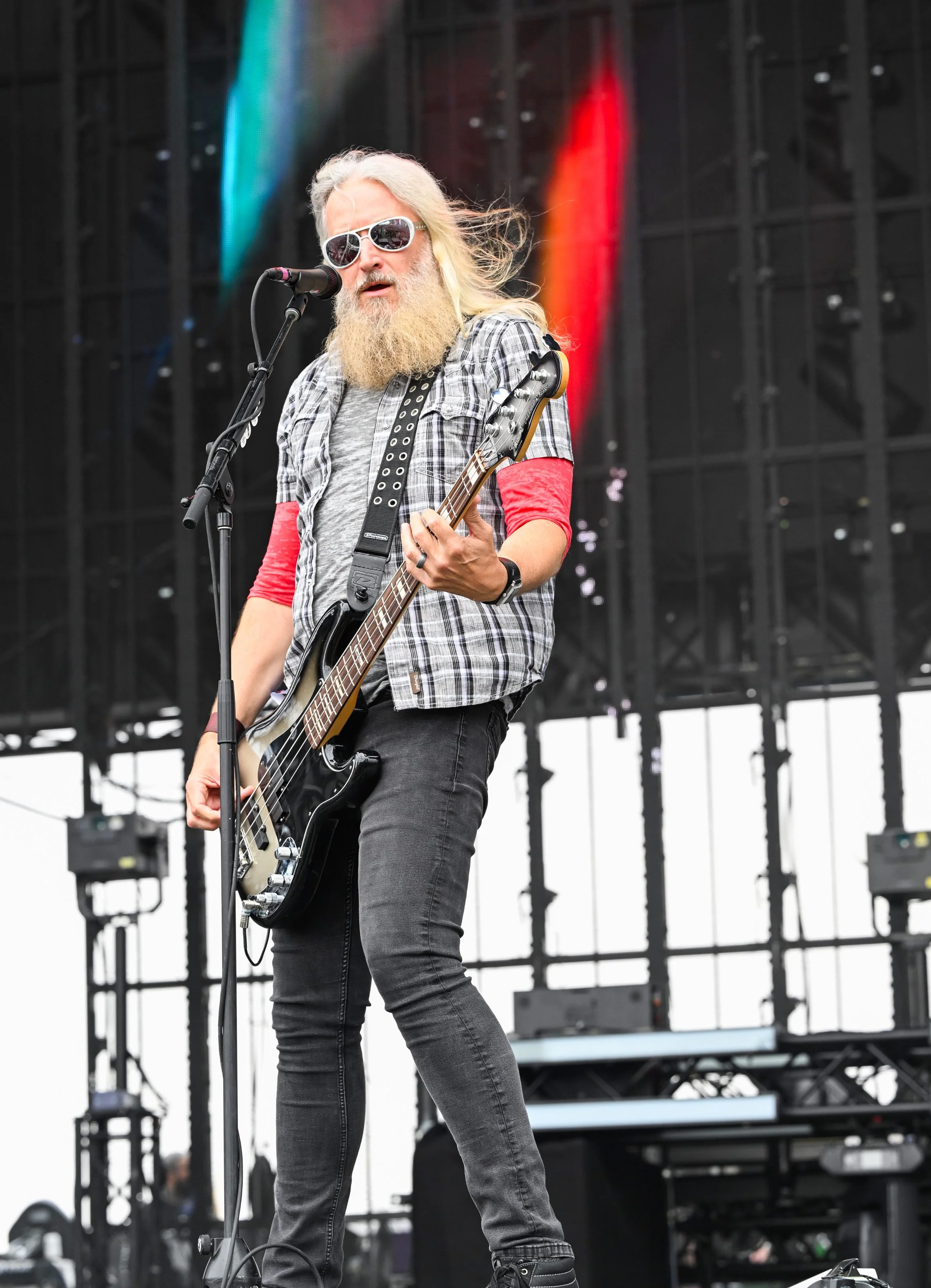
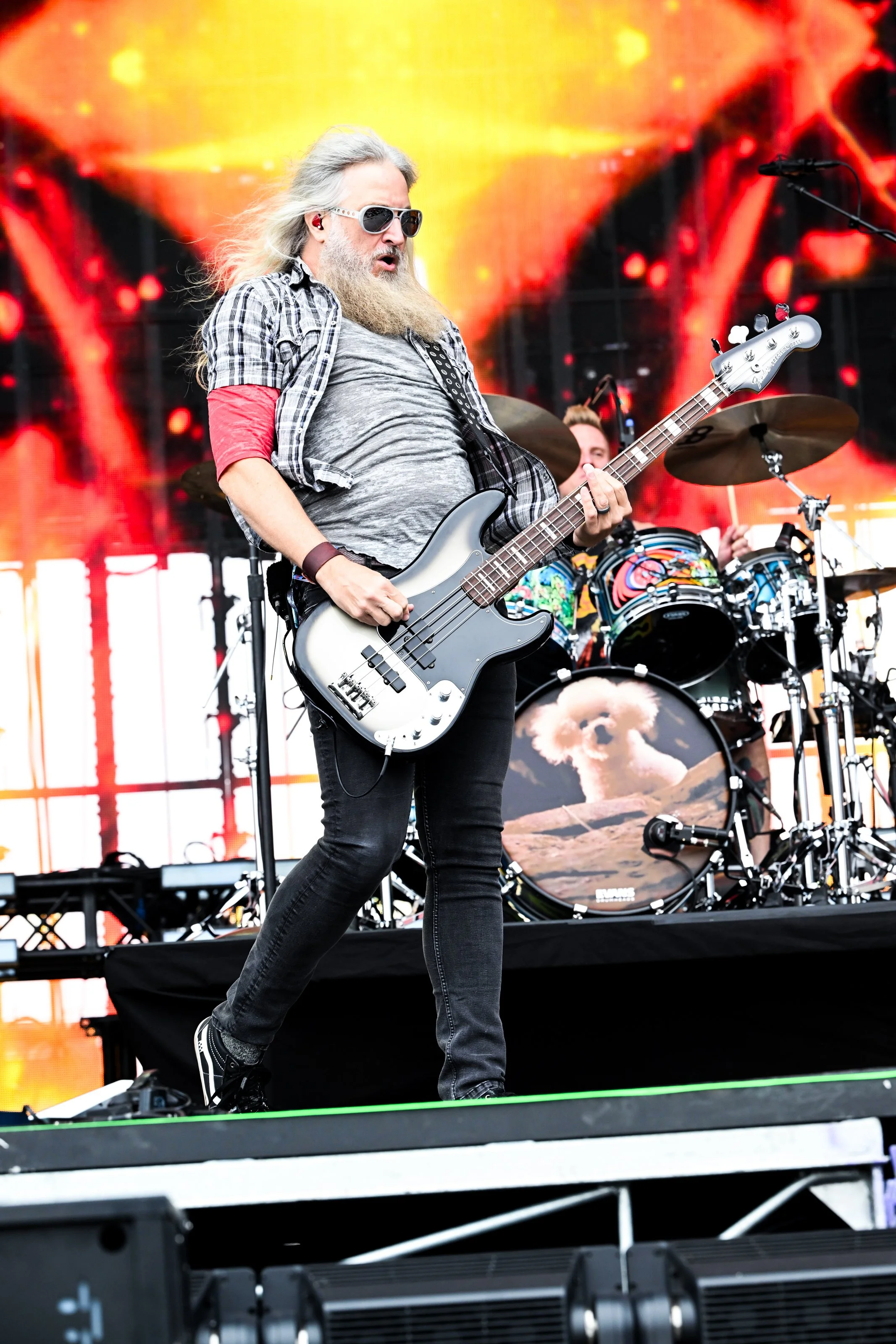
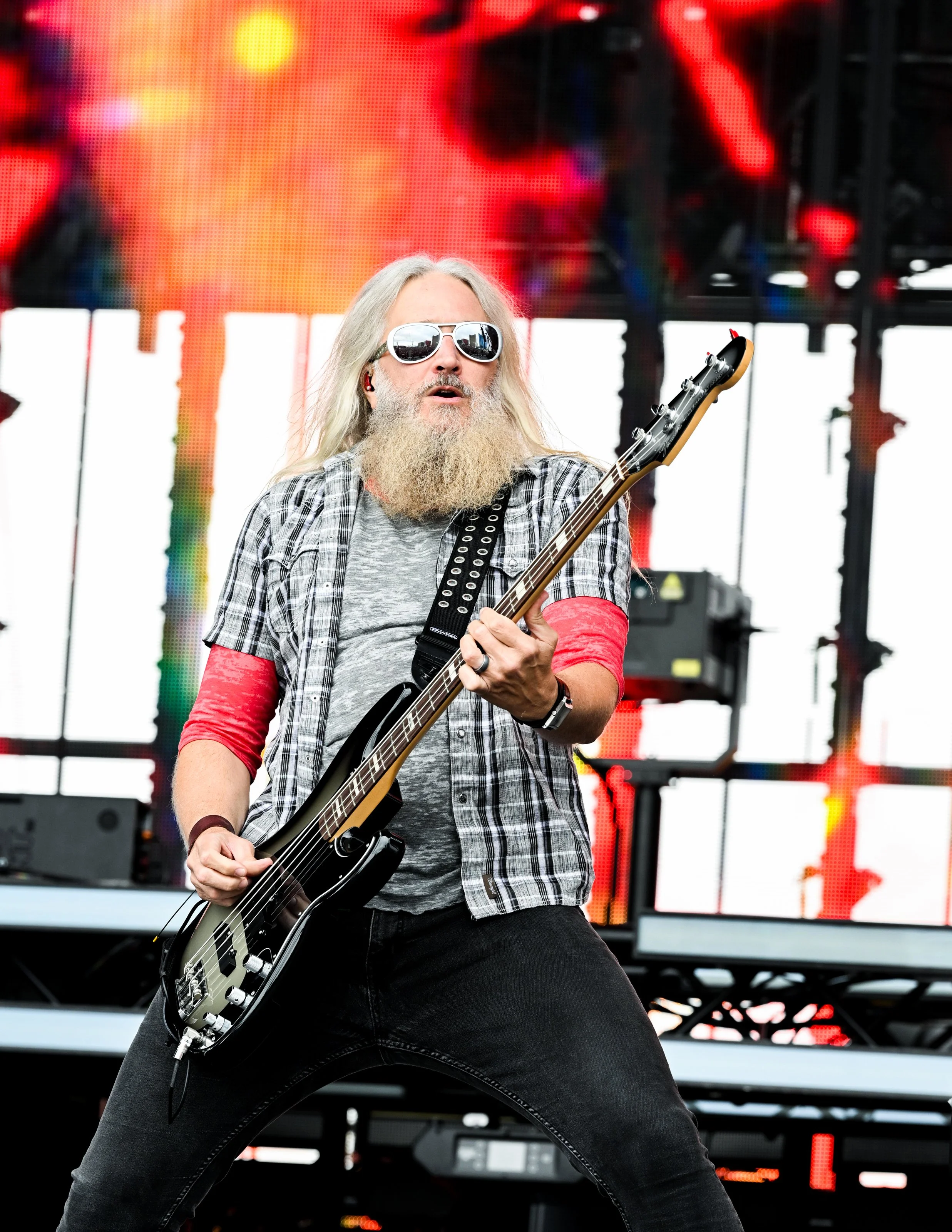
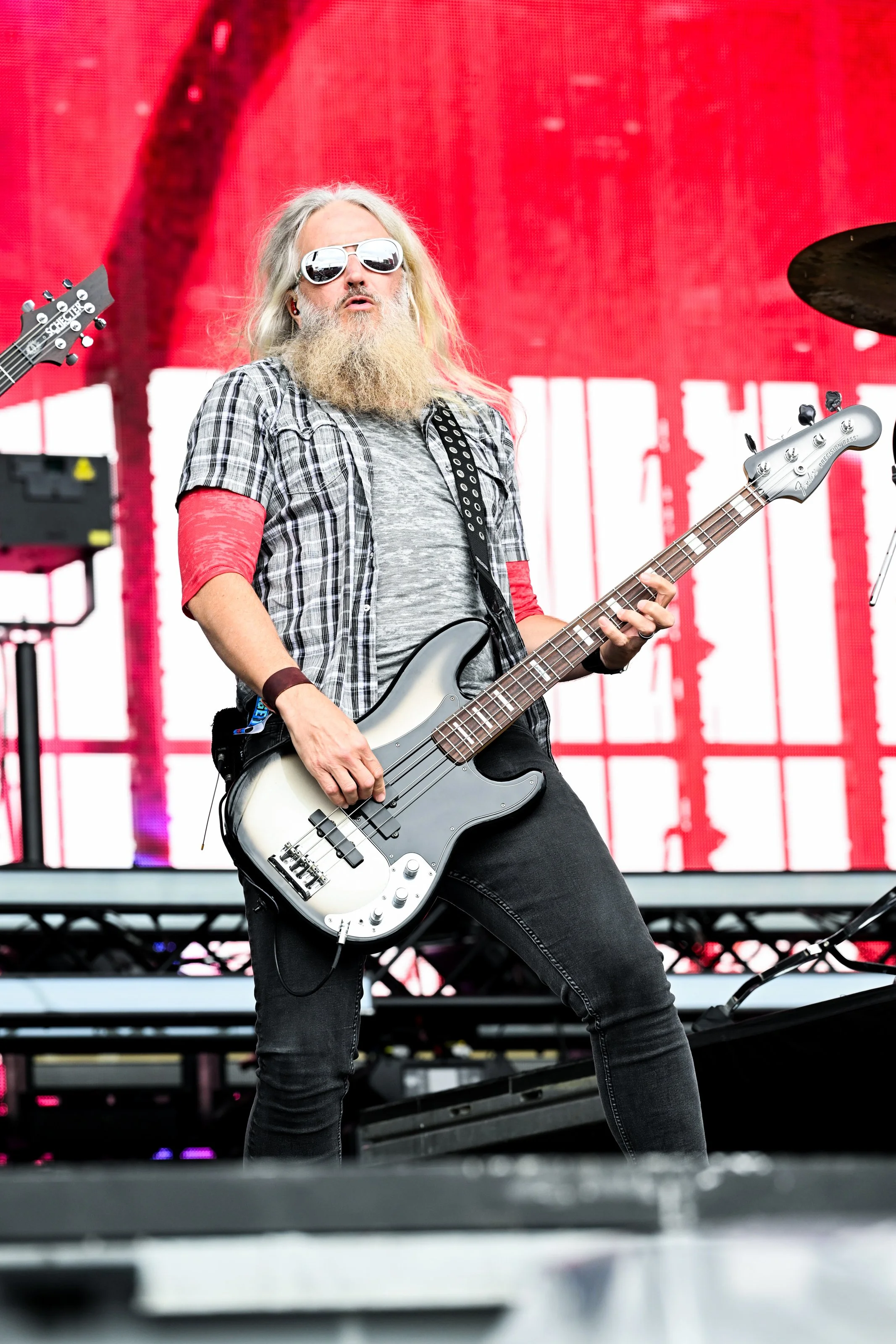
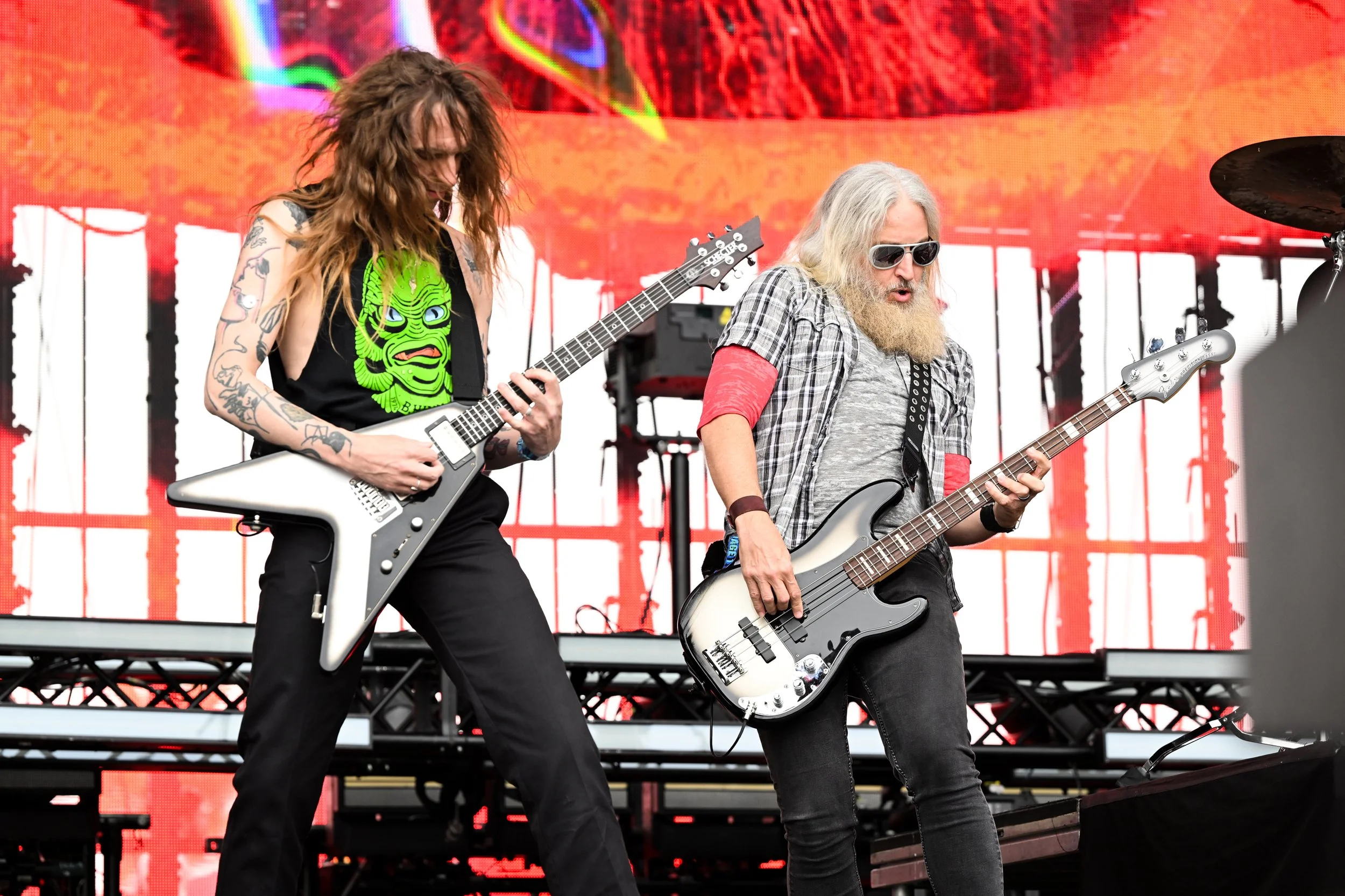
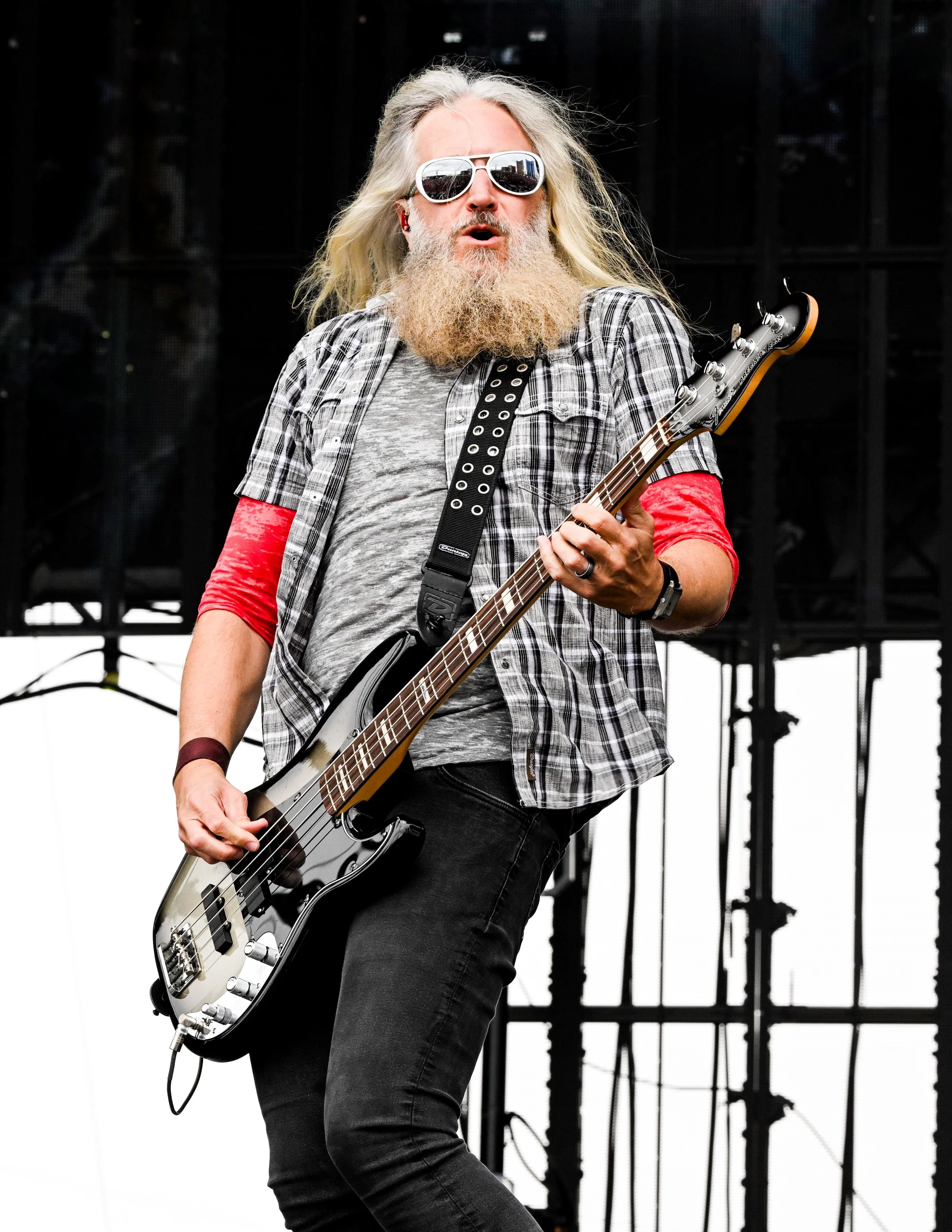
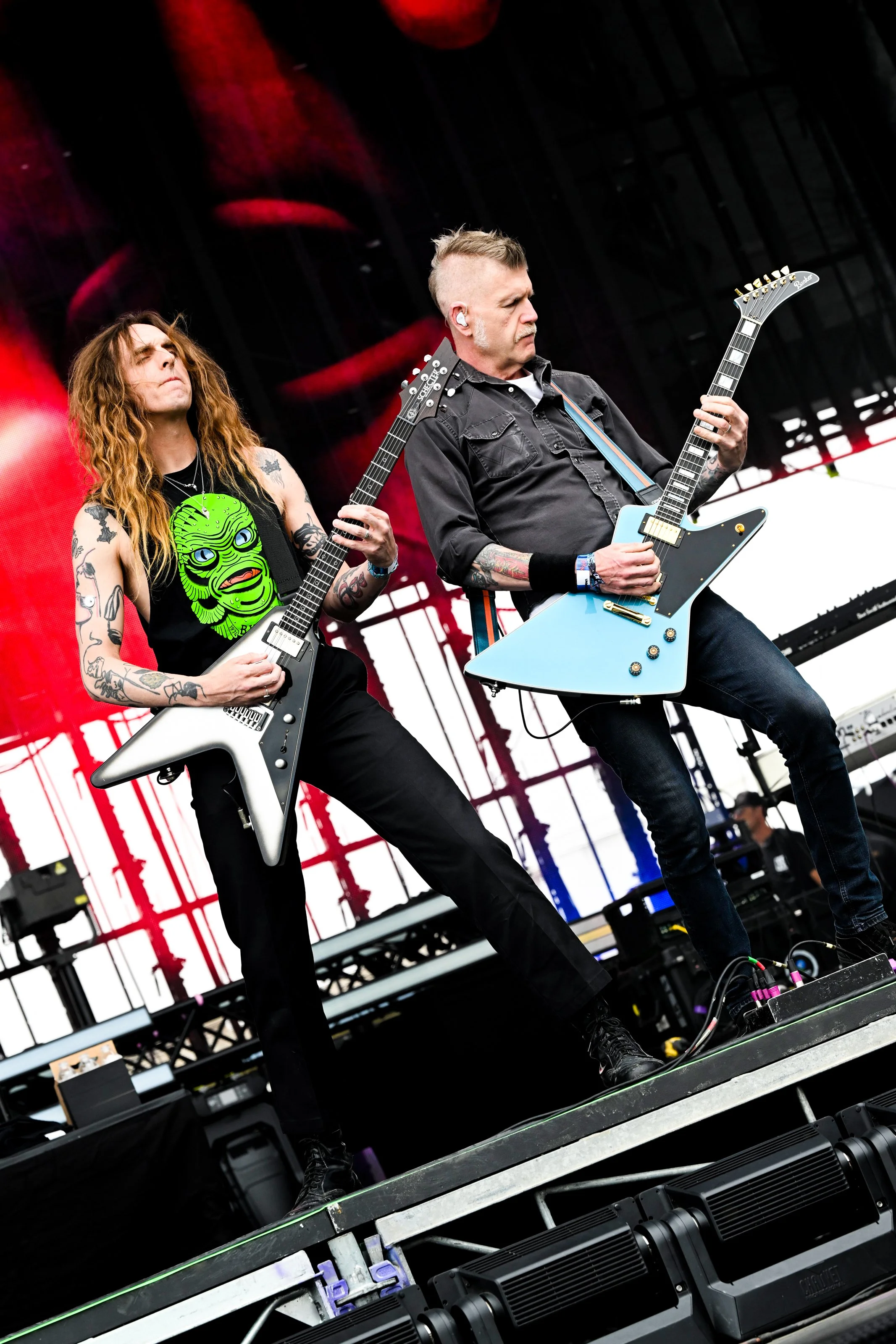
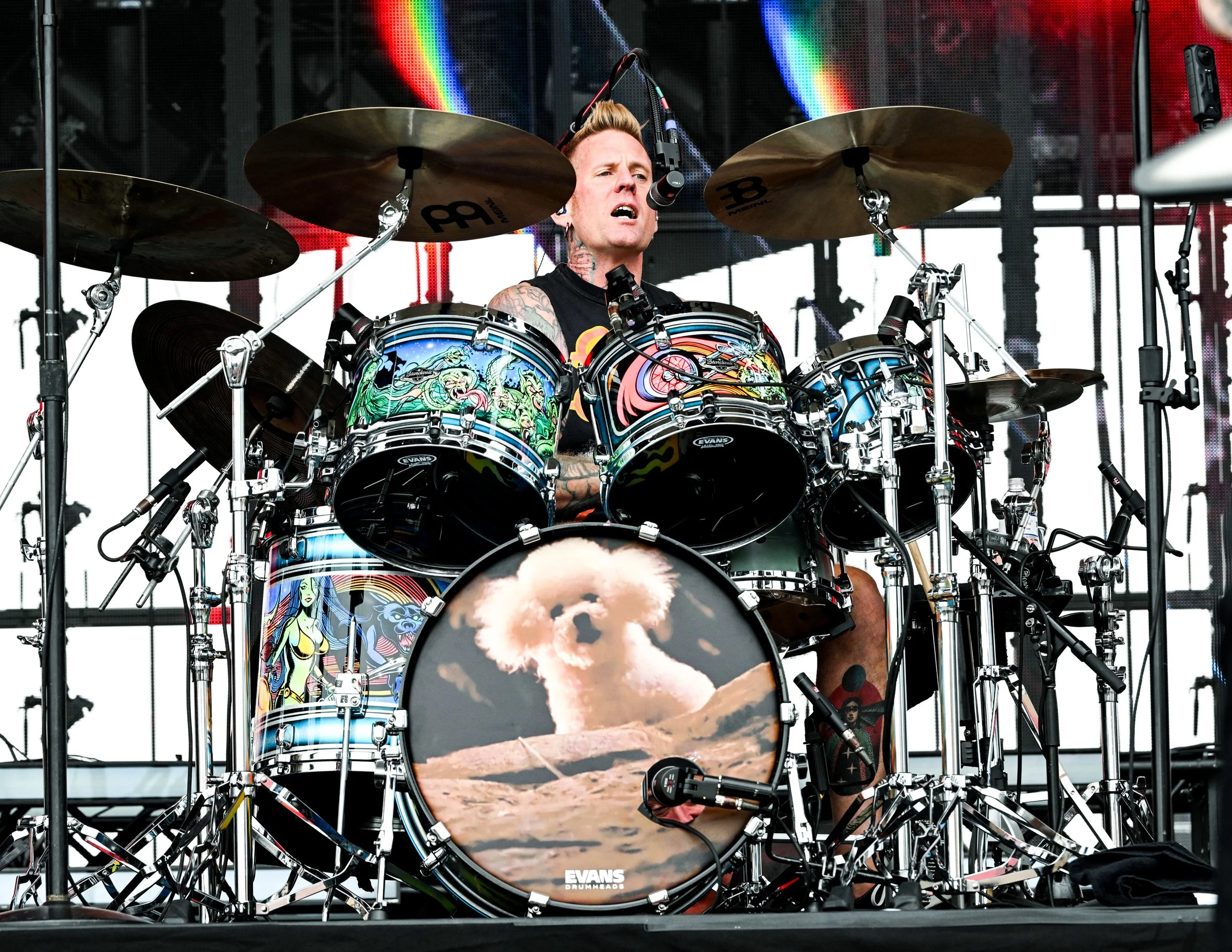
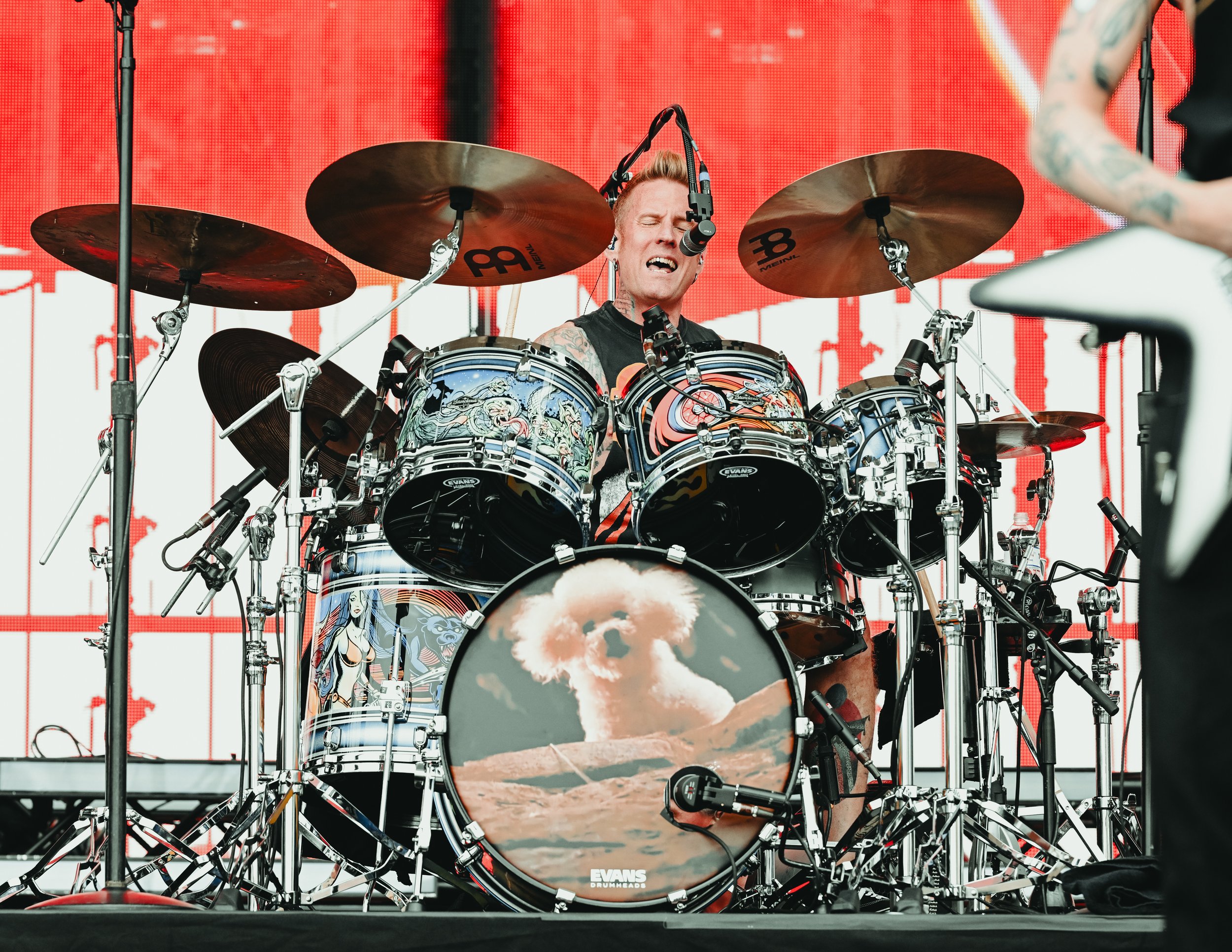
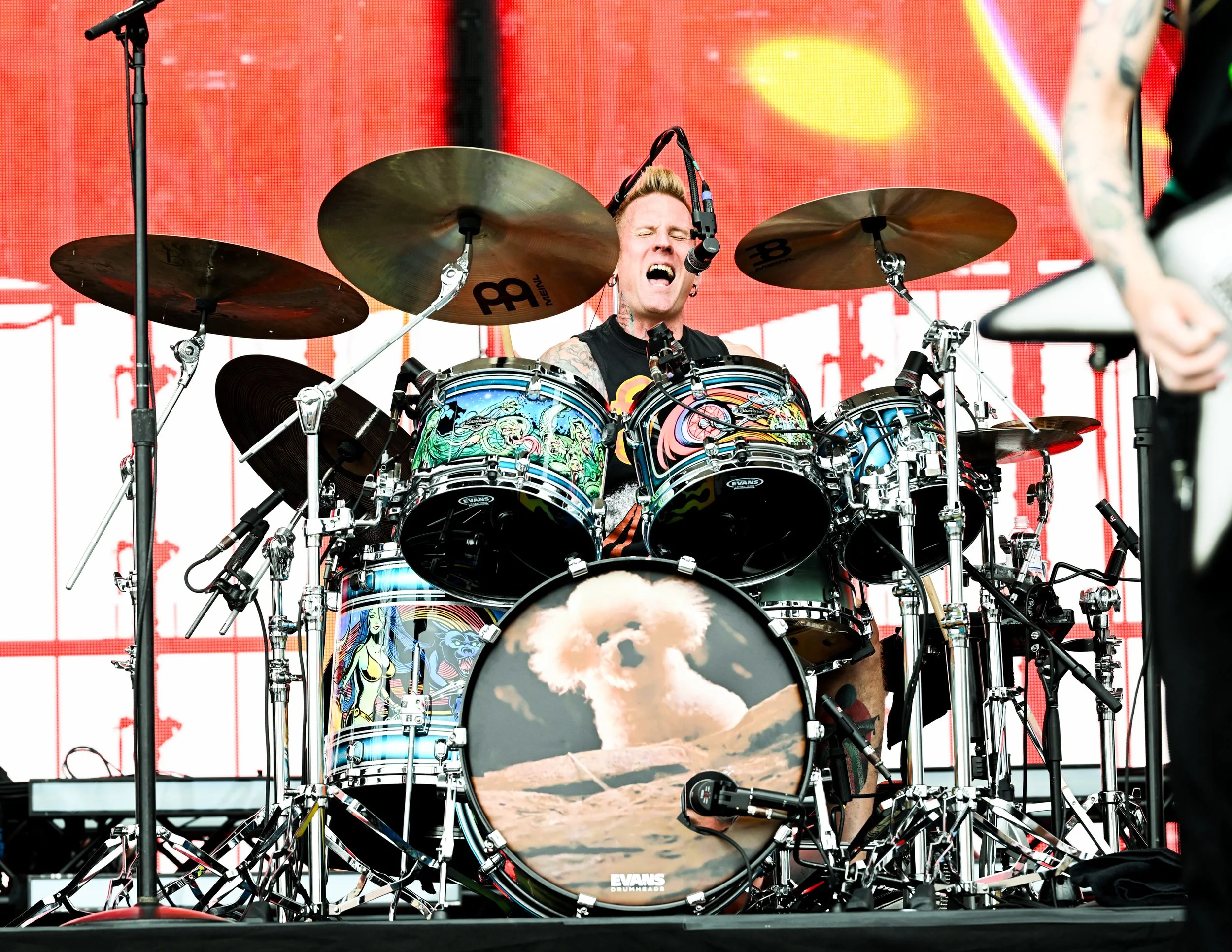
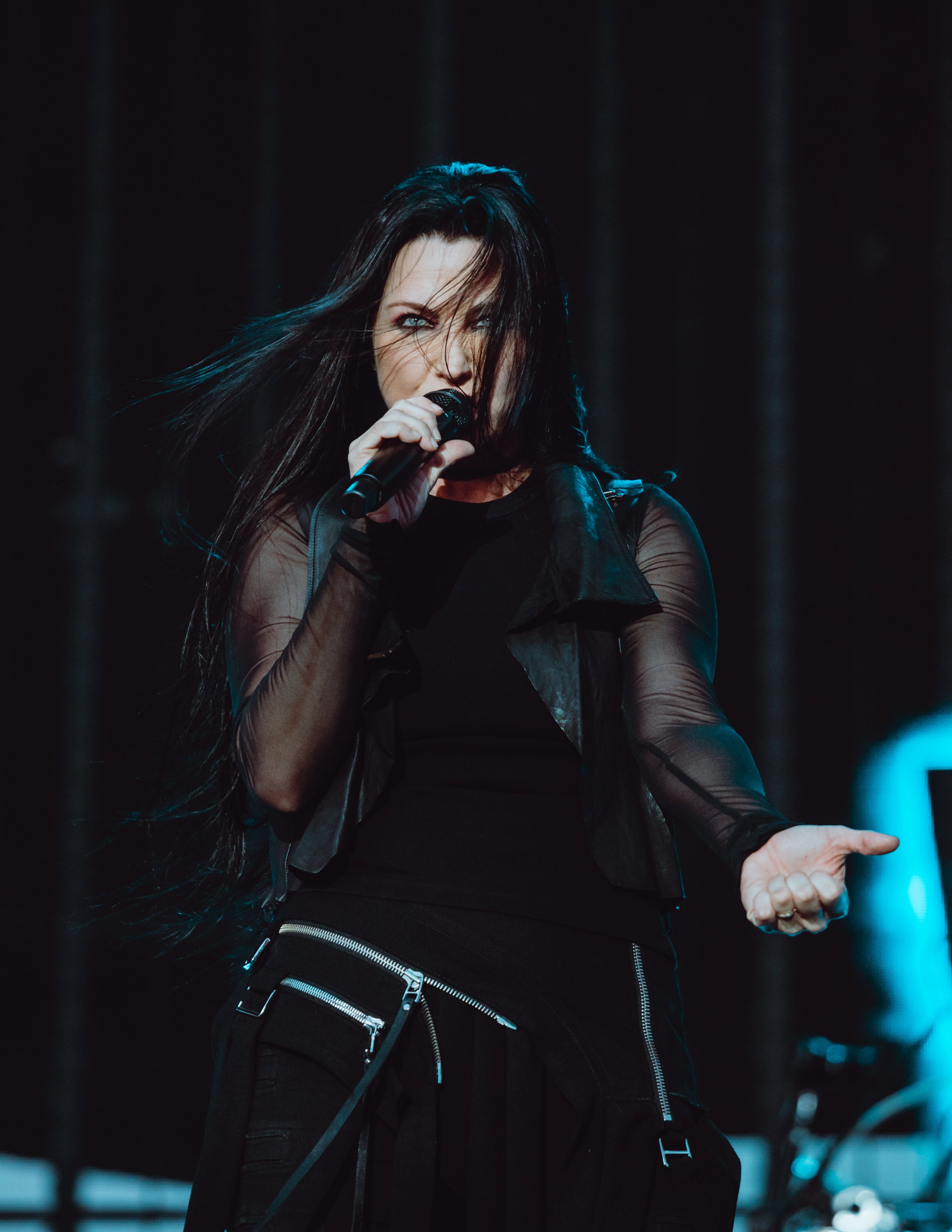
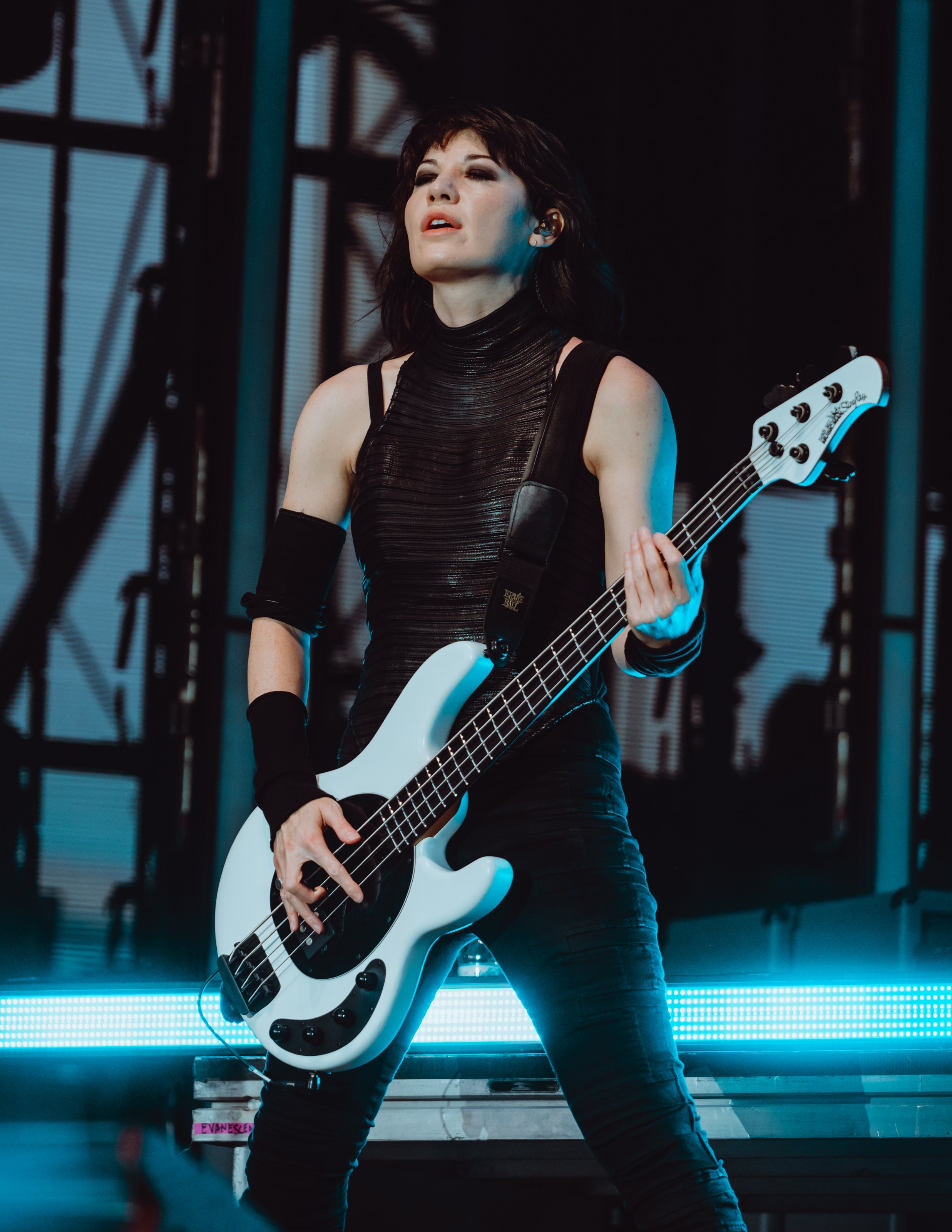
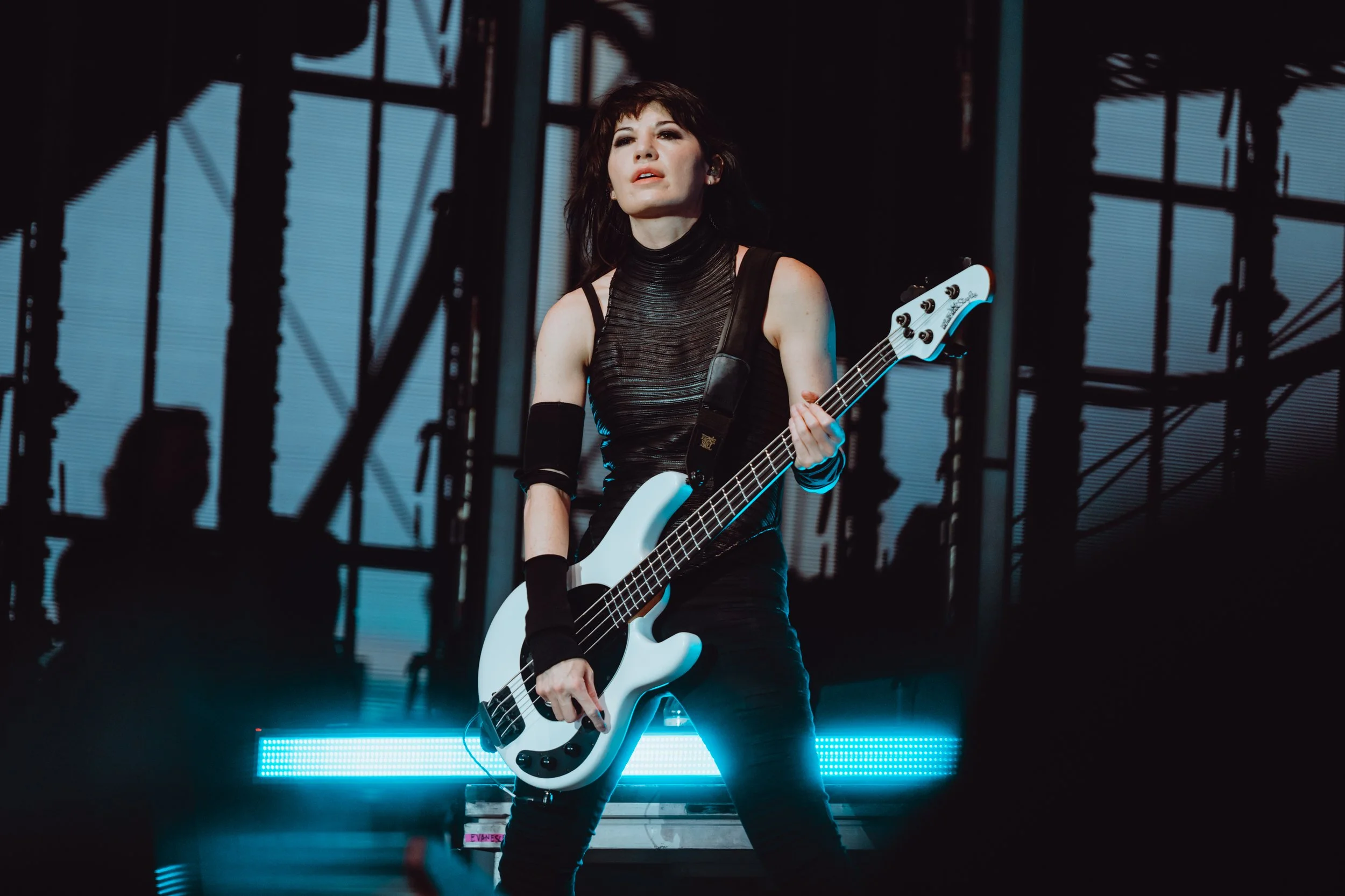
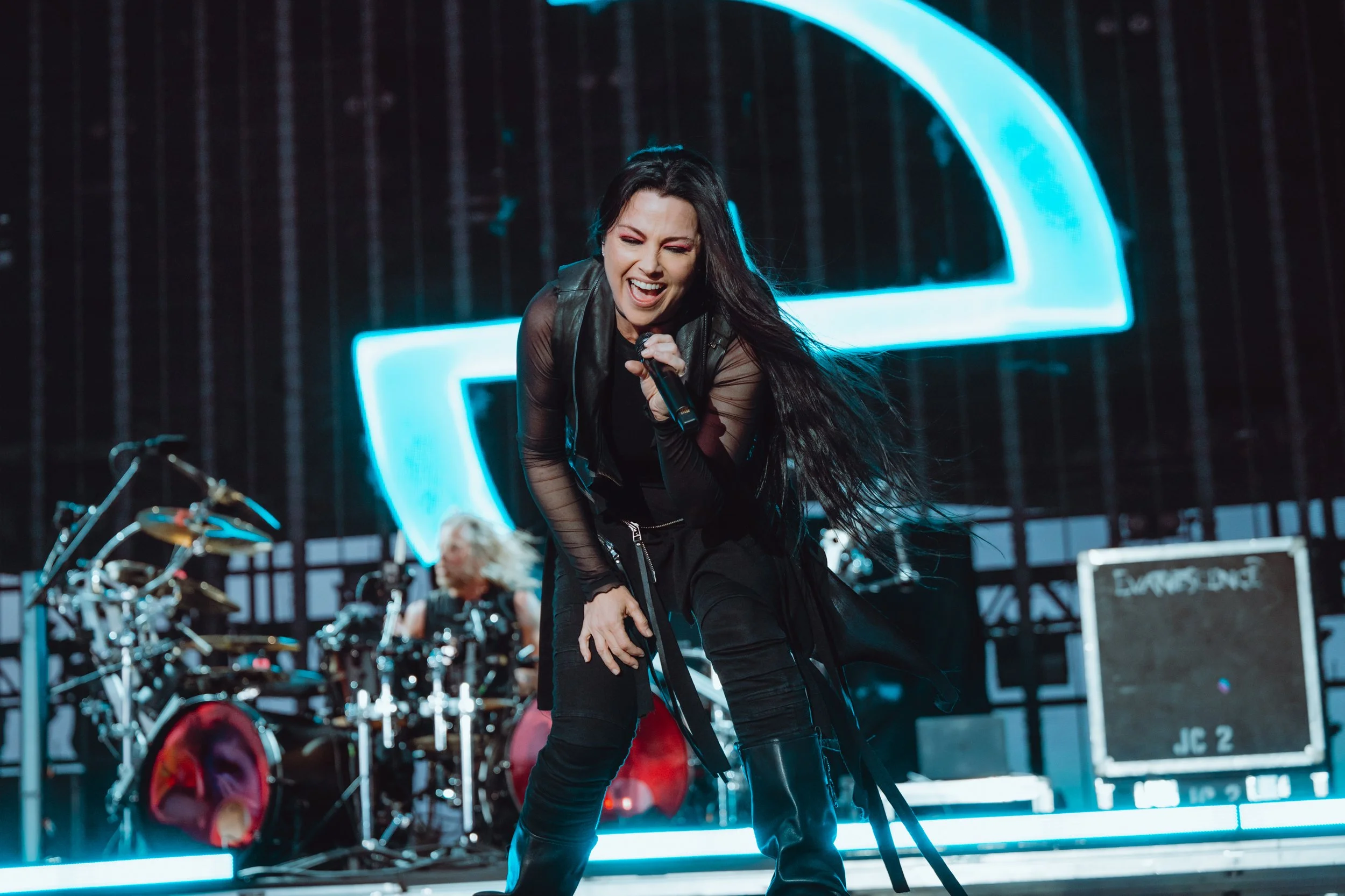
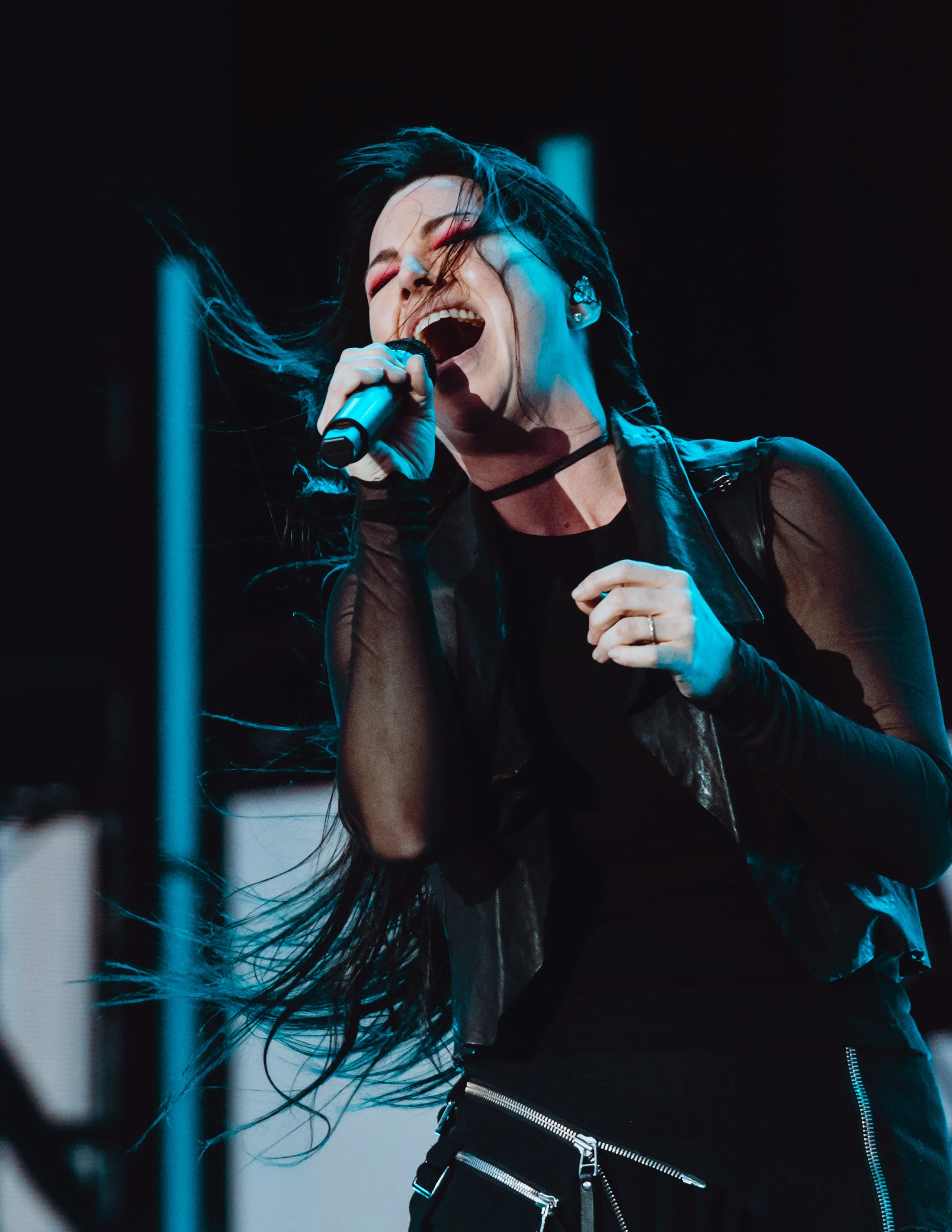
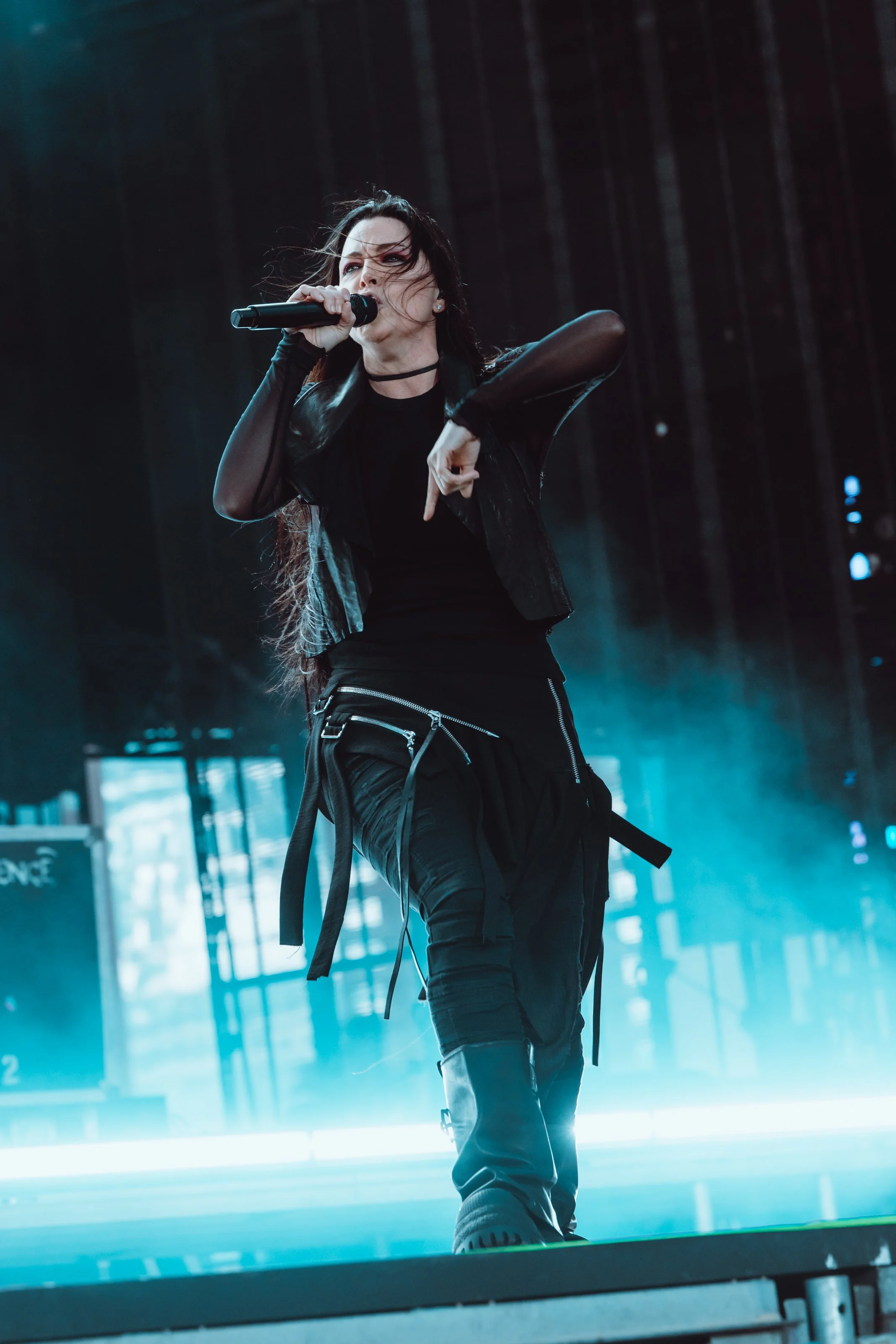
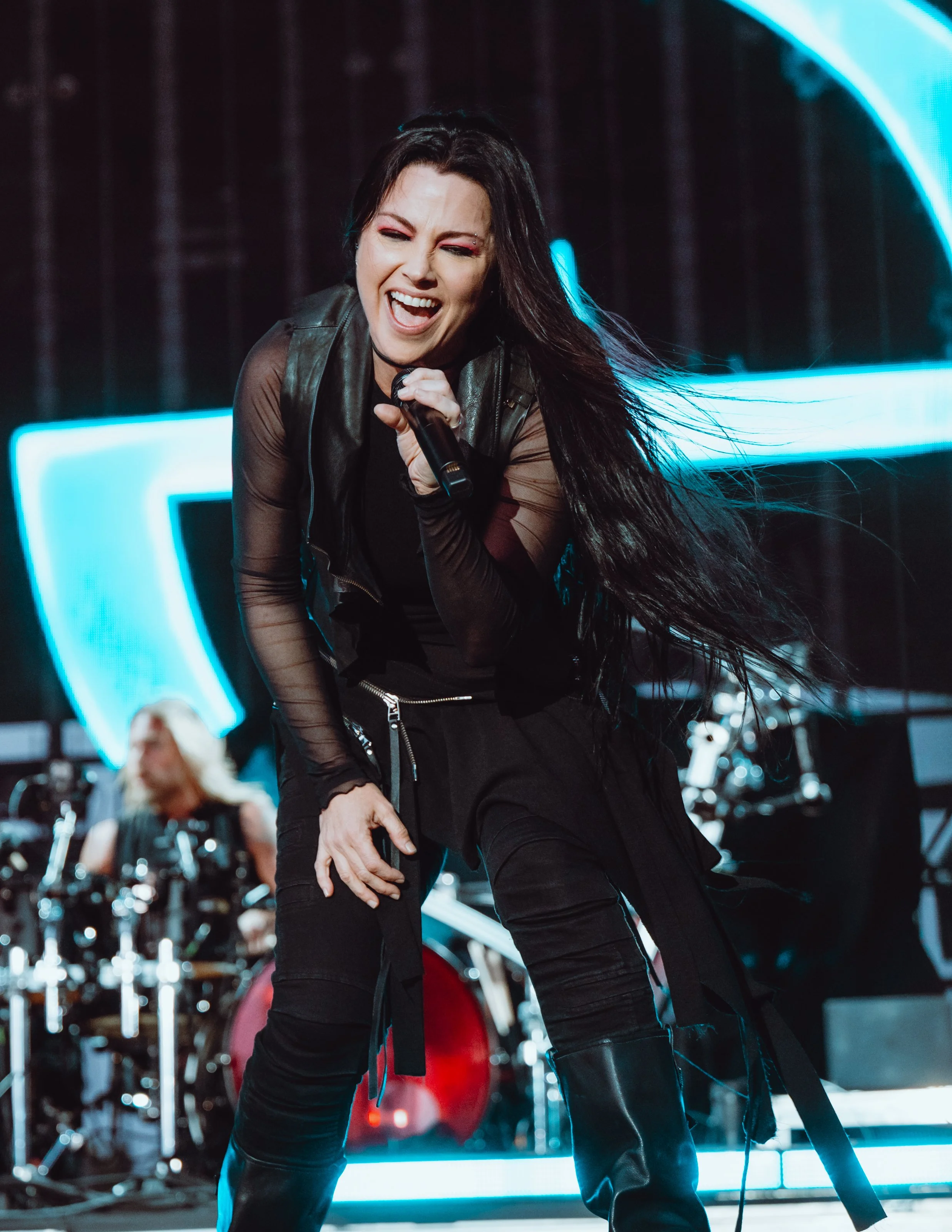
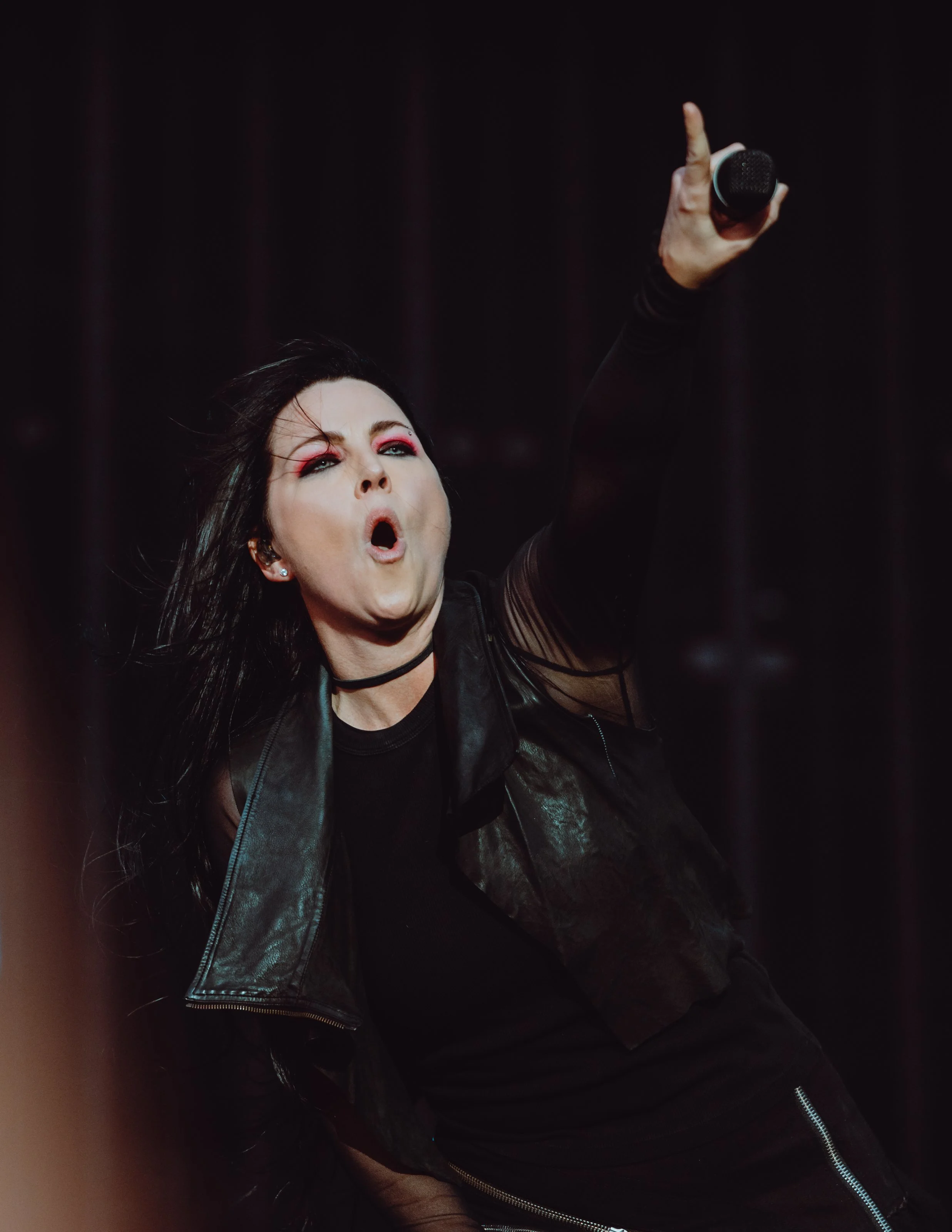
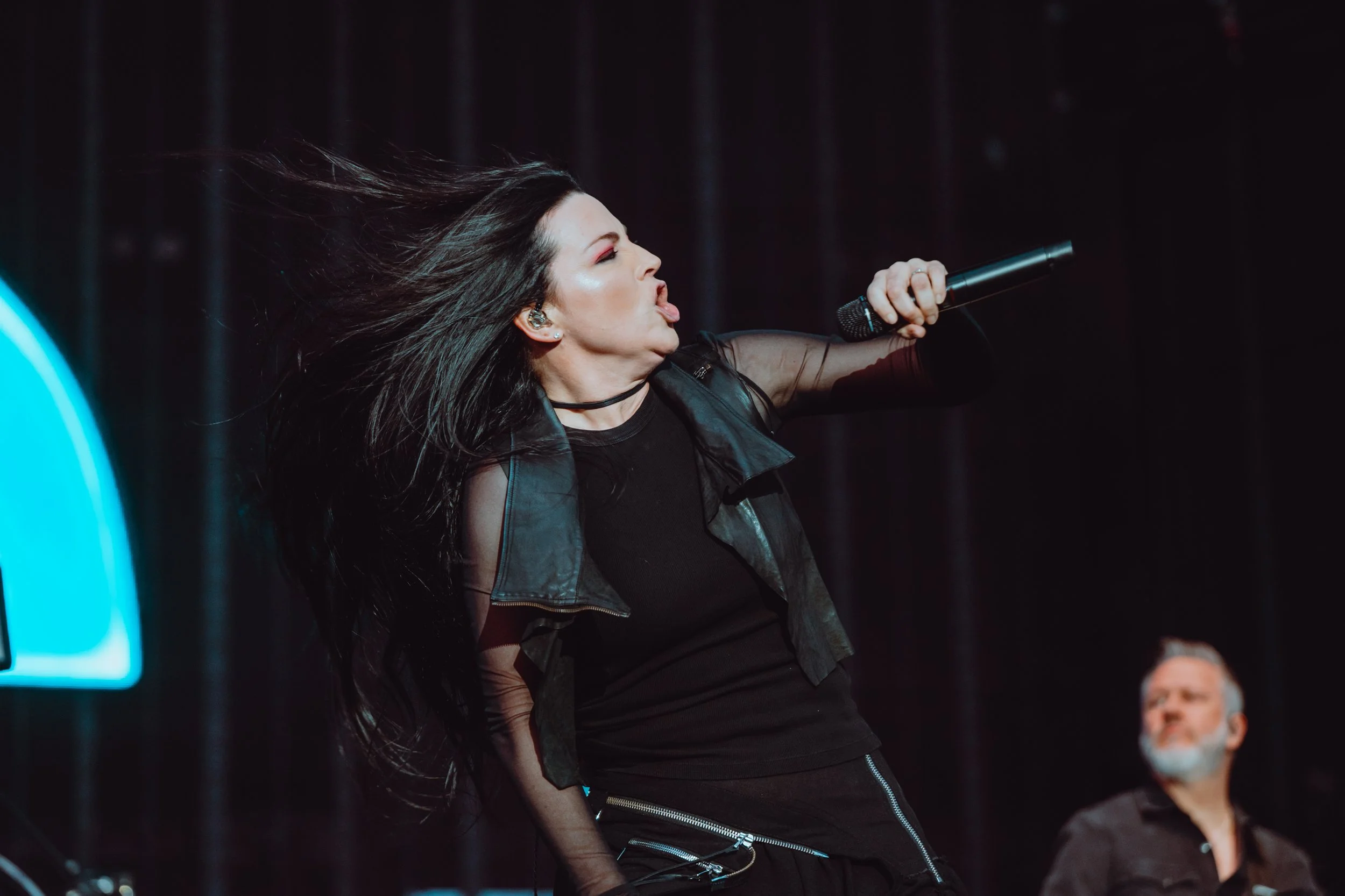
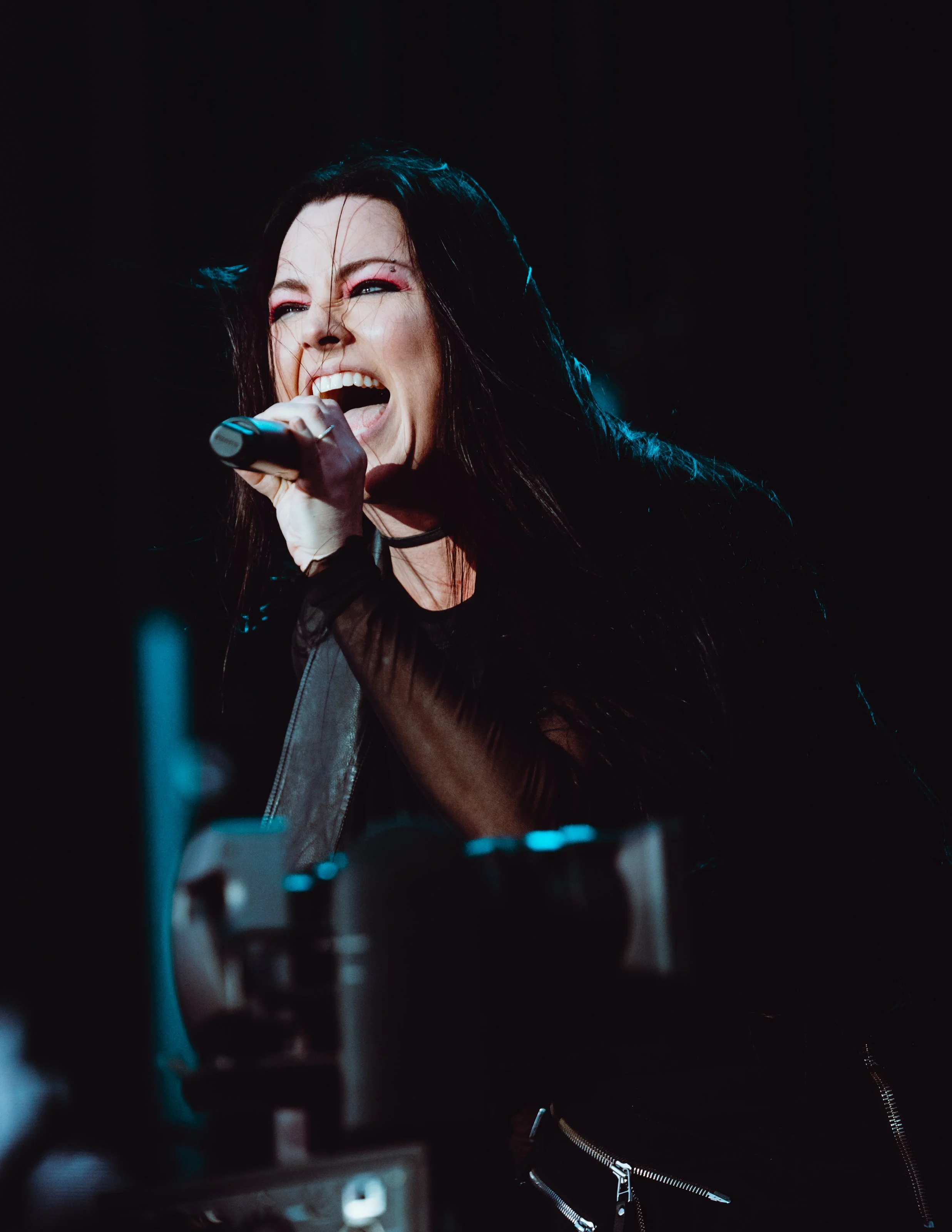
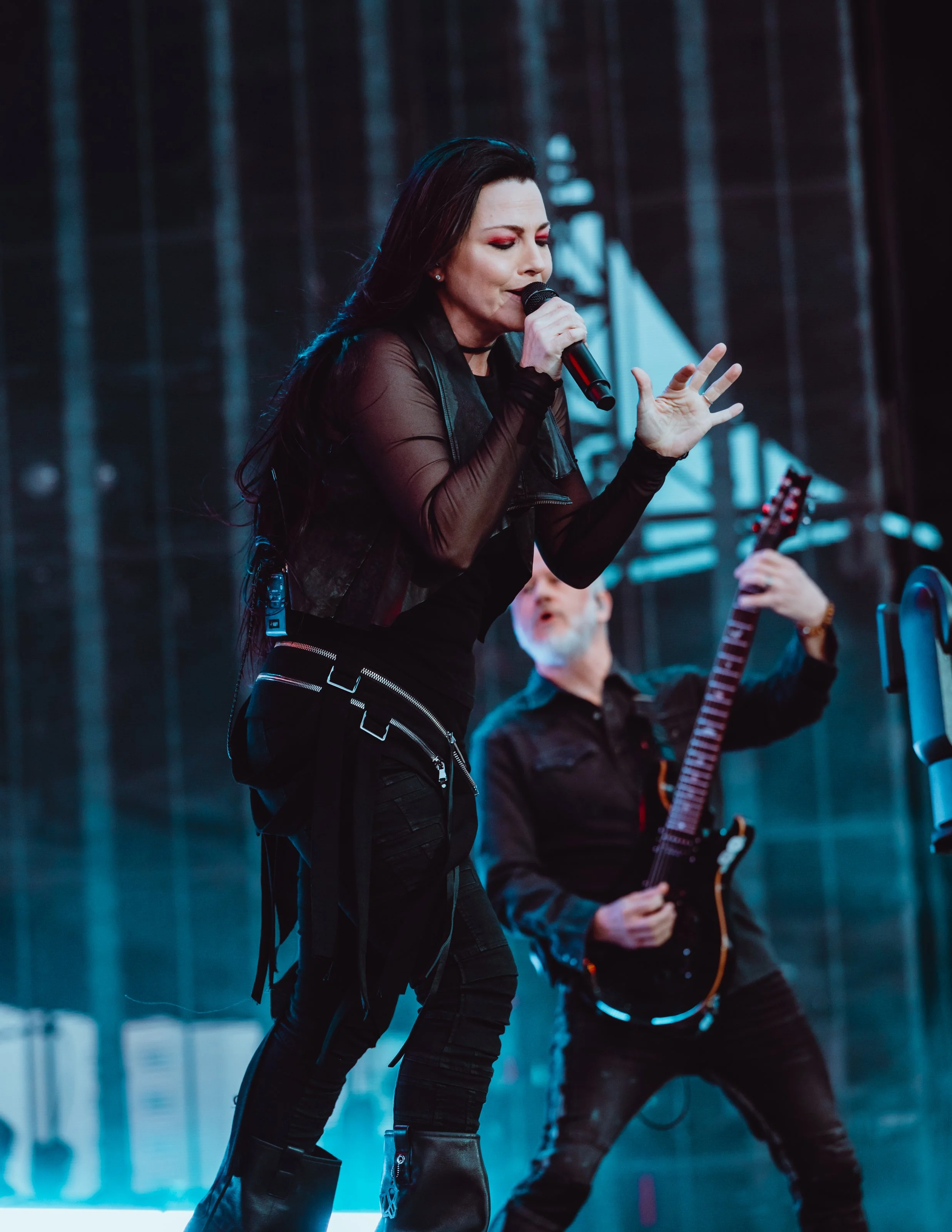
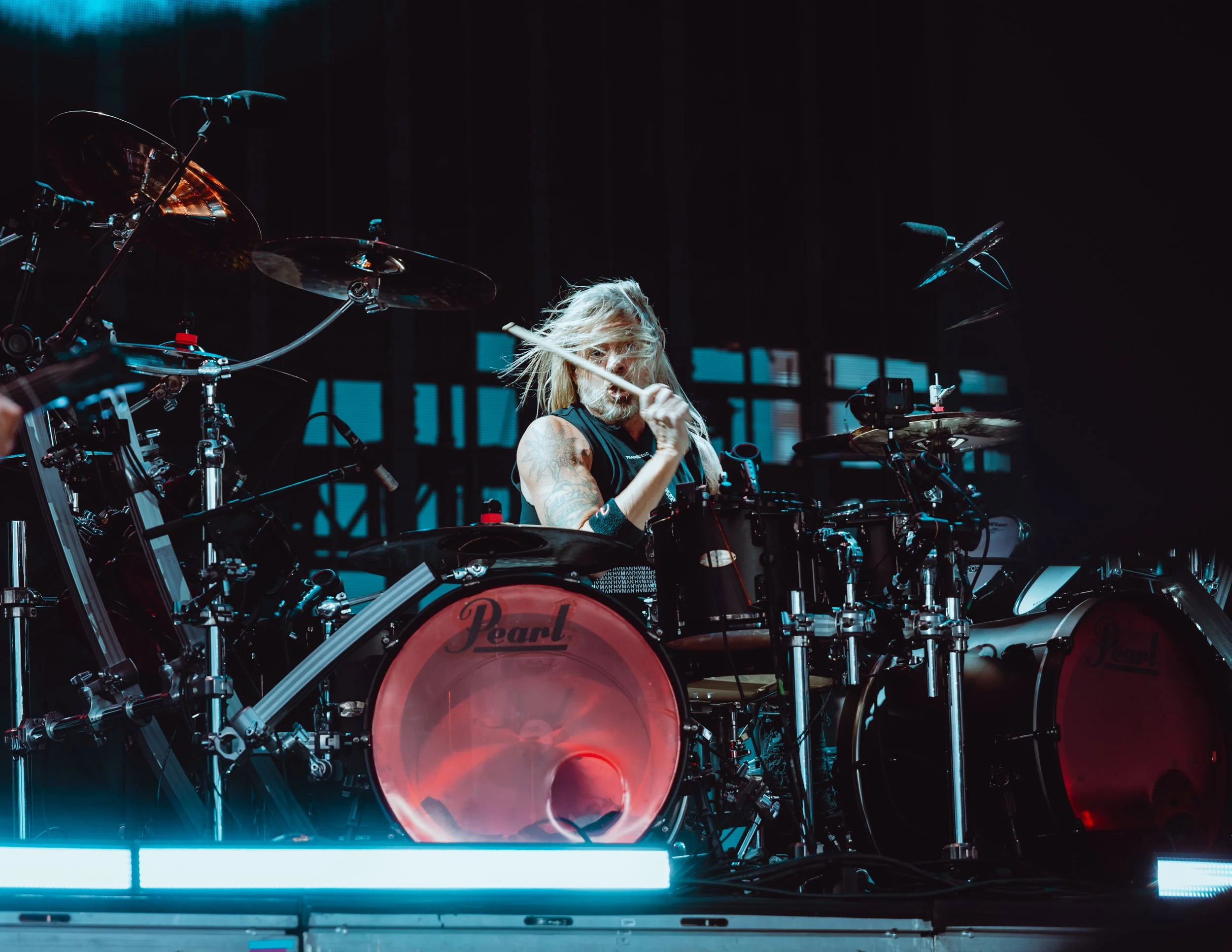
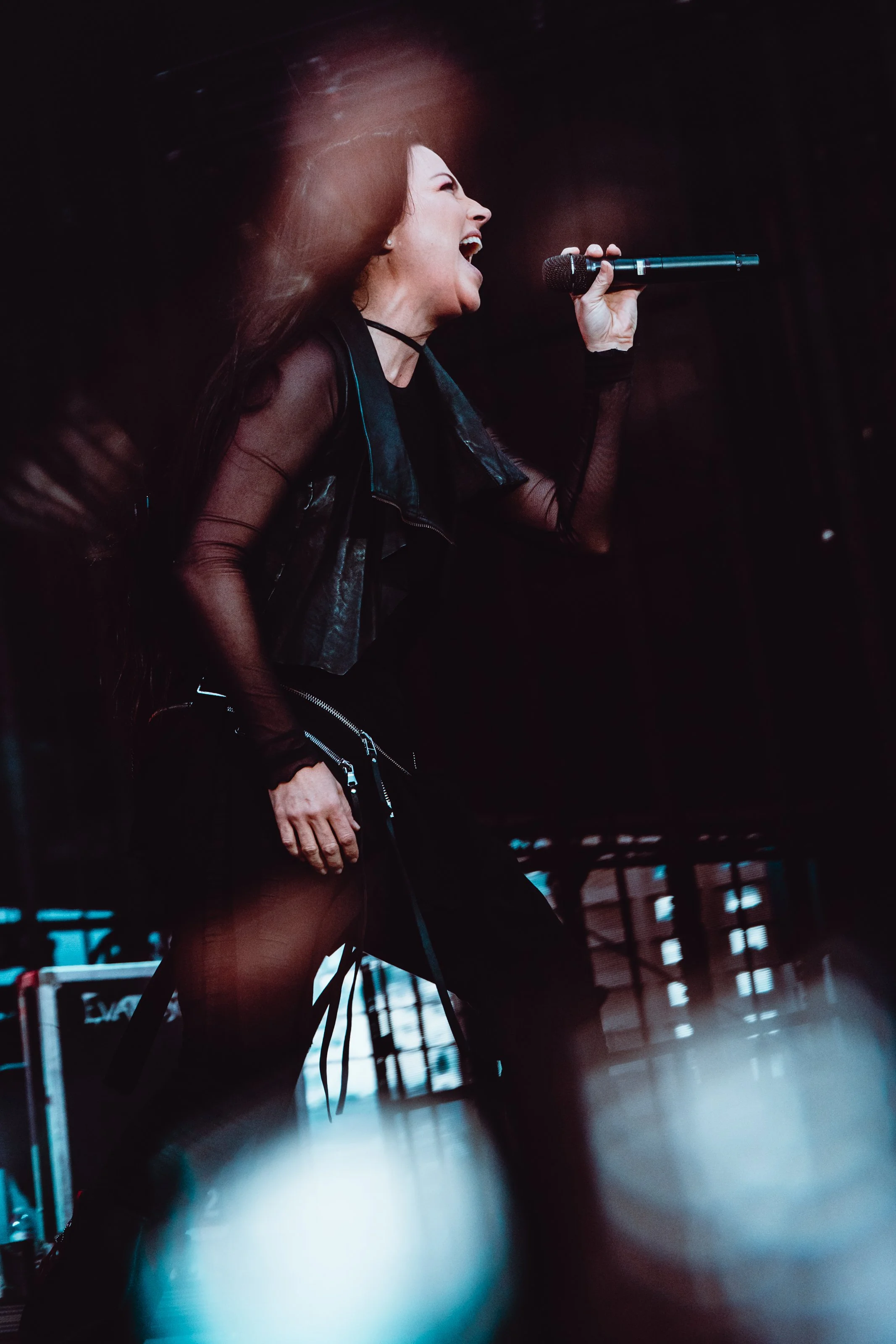
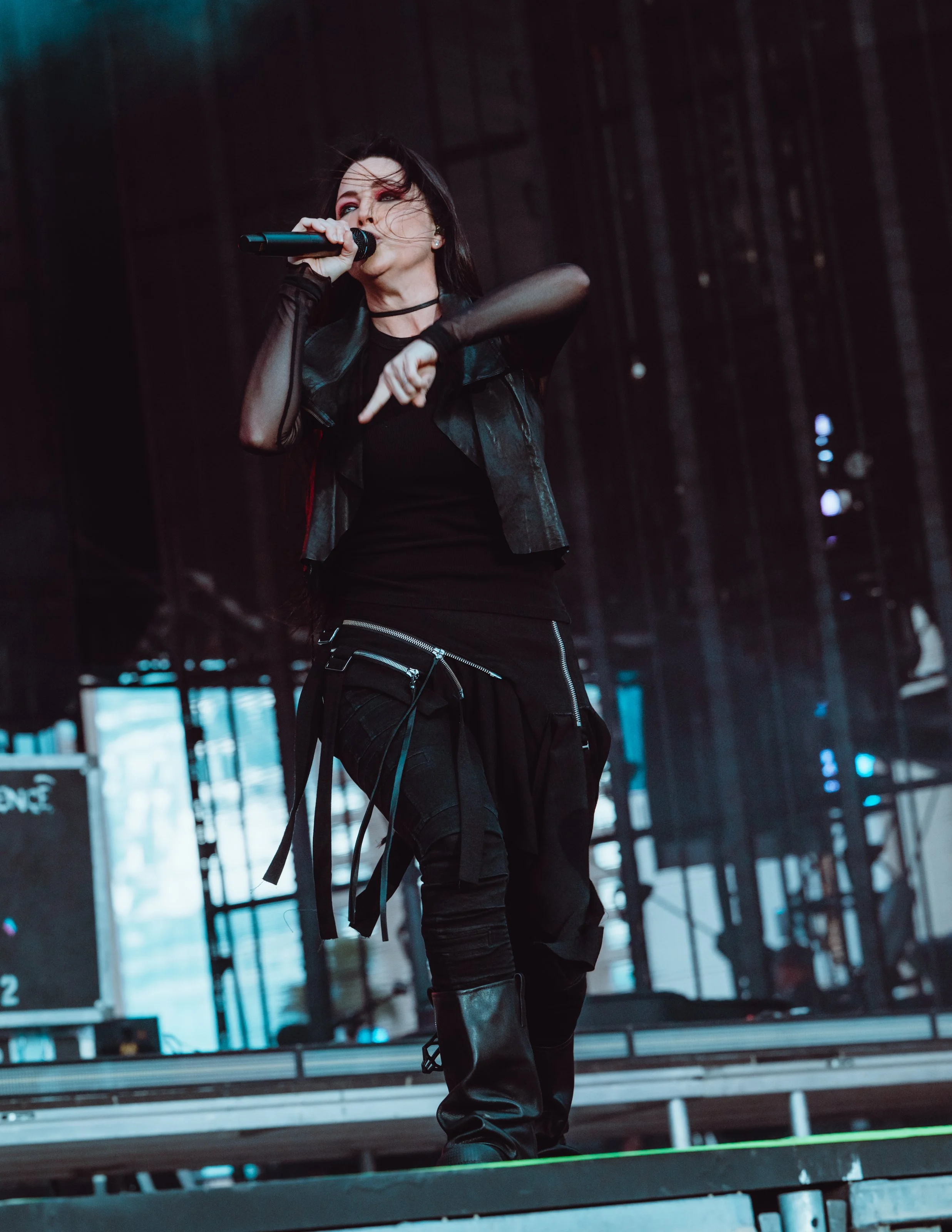
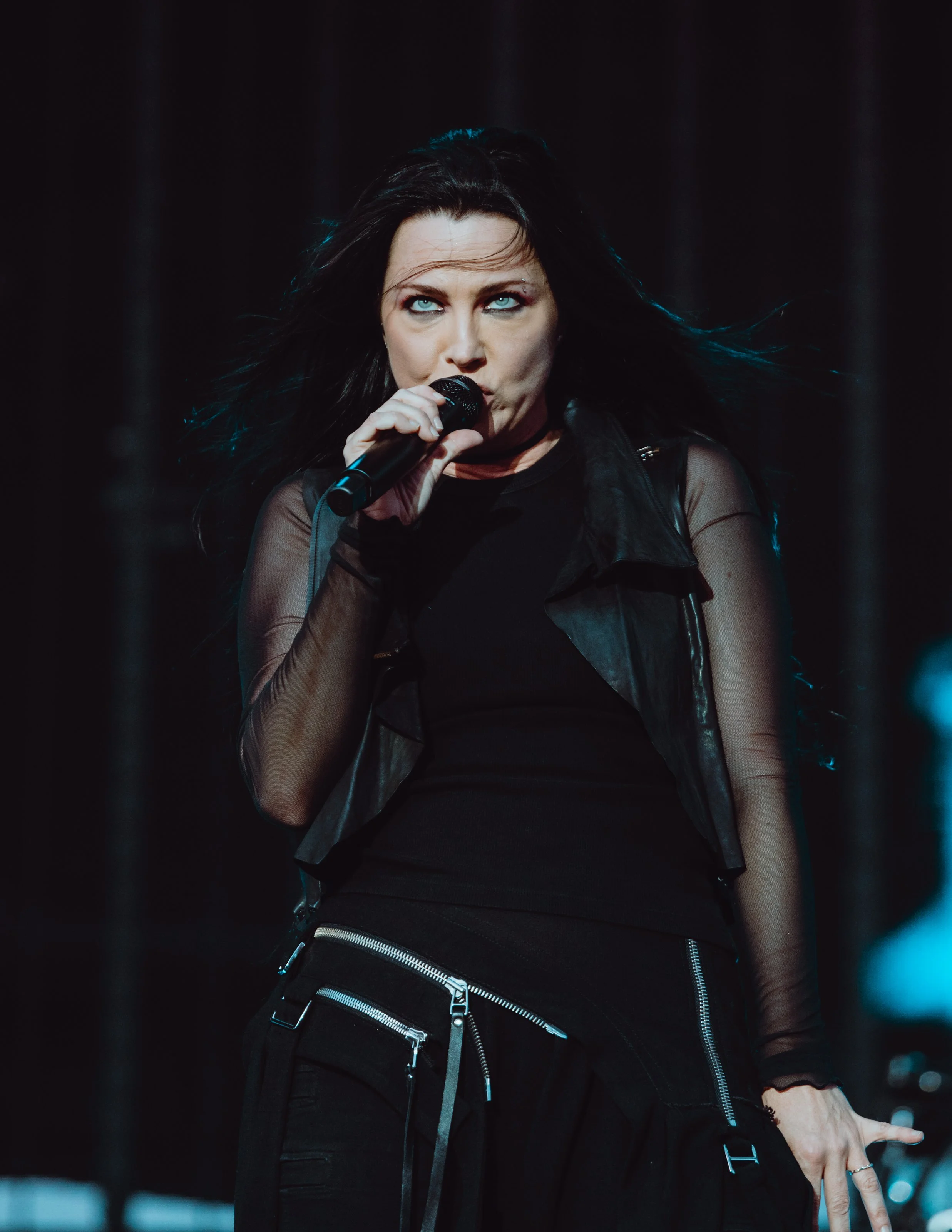
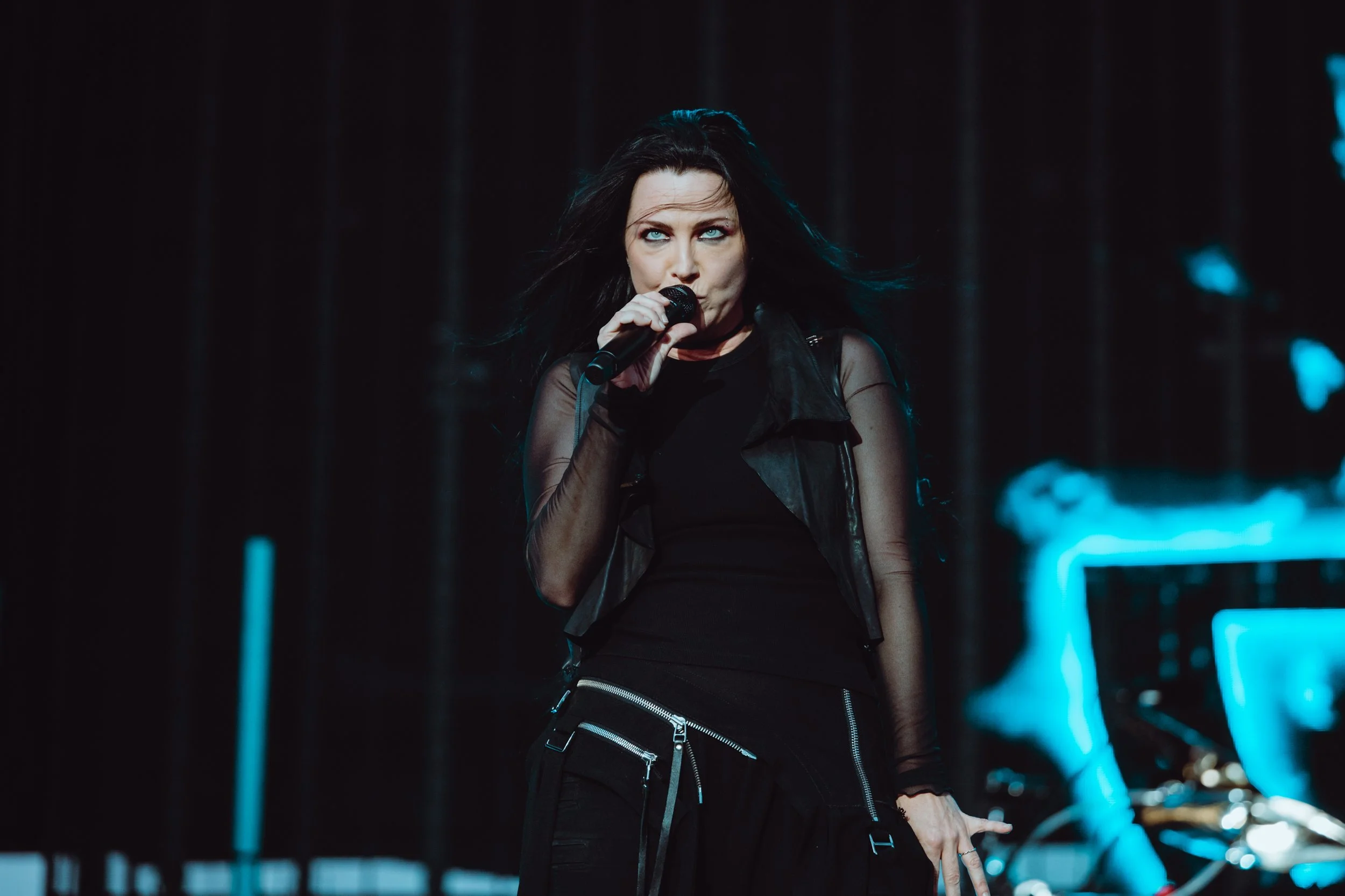
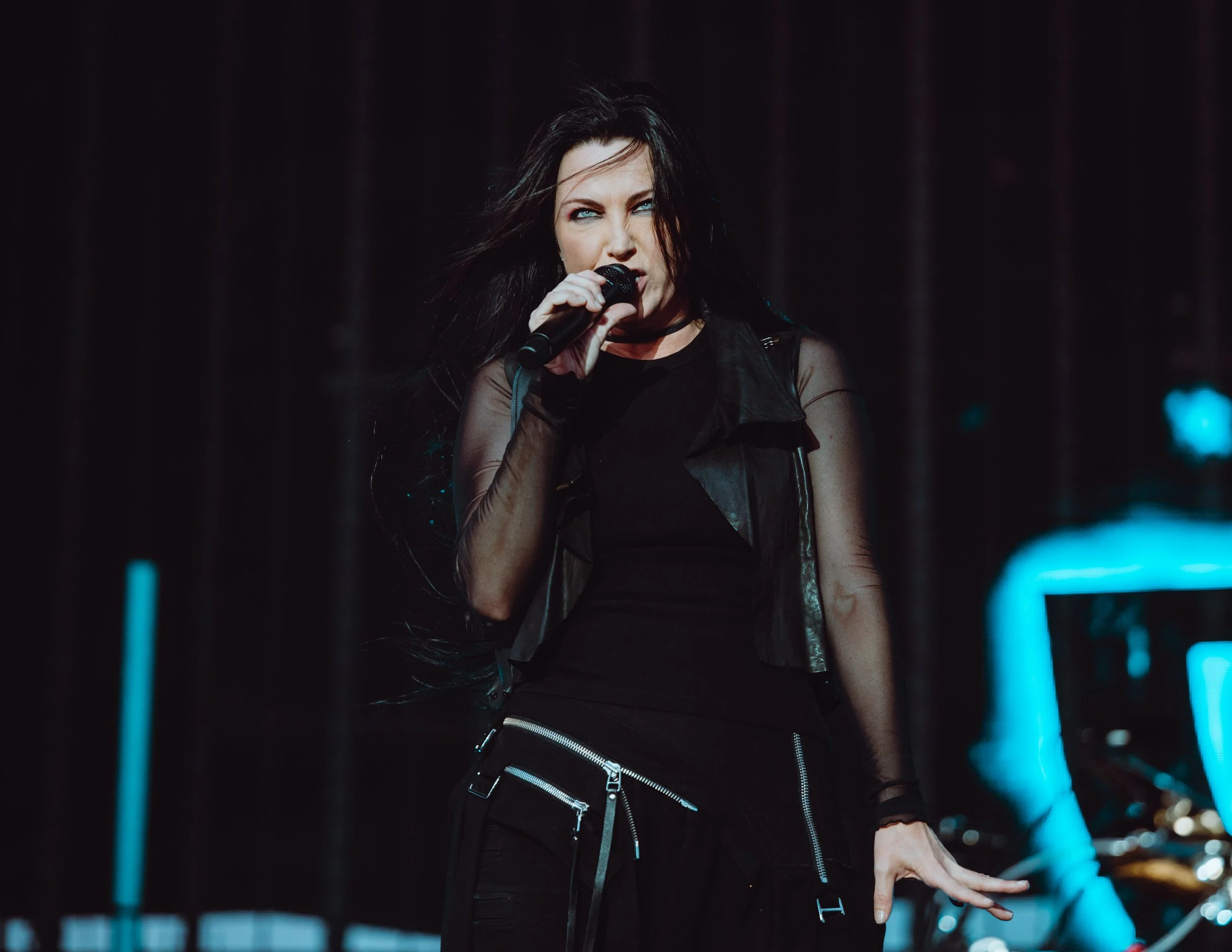
Evanescence brought one of the festival’s most recognizable blends of gothic drama, rock, and emotional intensity. Their presence carried a different kind of weight because of how deeply their music is tied to the early 2000s alternative landscape. For many fans, Evanescence represents one of the most cinematic and emotionally direct corners of that era. At Sick New World, they fit naturally into a lineup built around heaviness in all its forms. Their songs bring melody and grandeur without softening the impact, and their set added a dramatic contrast to the more aggressive performances happening across the grounds.
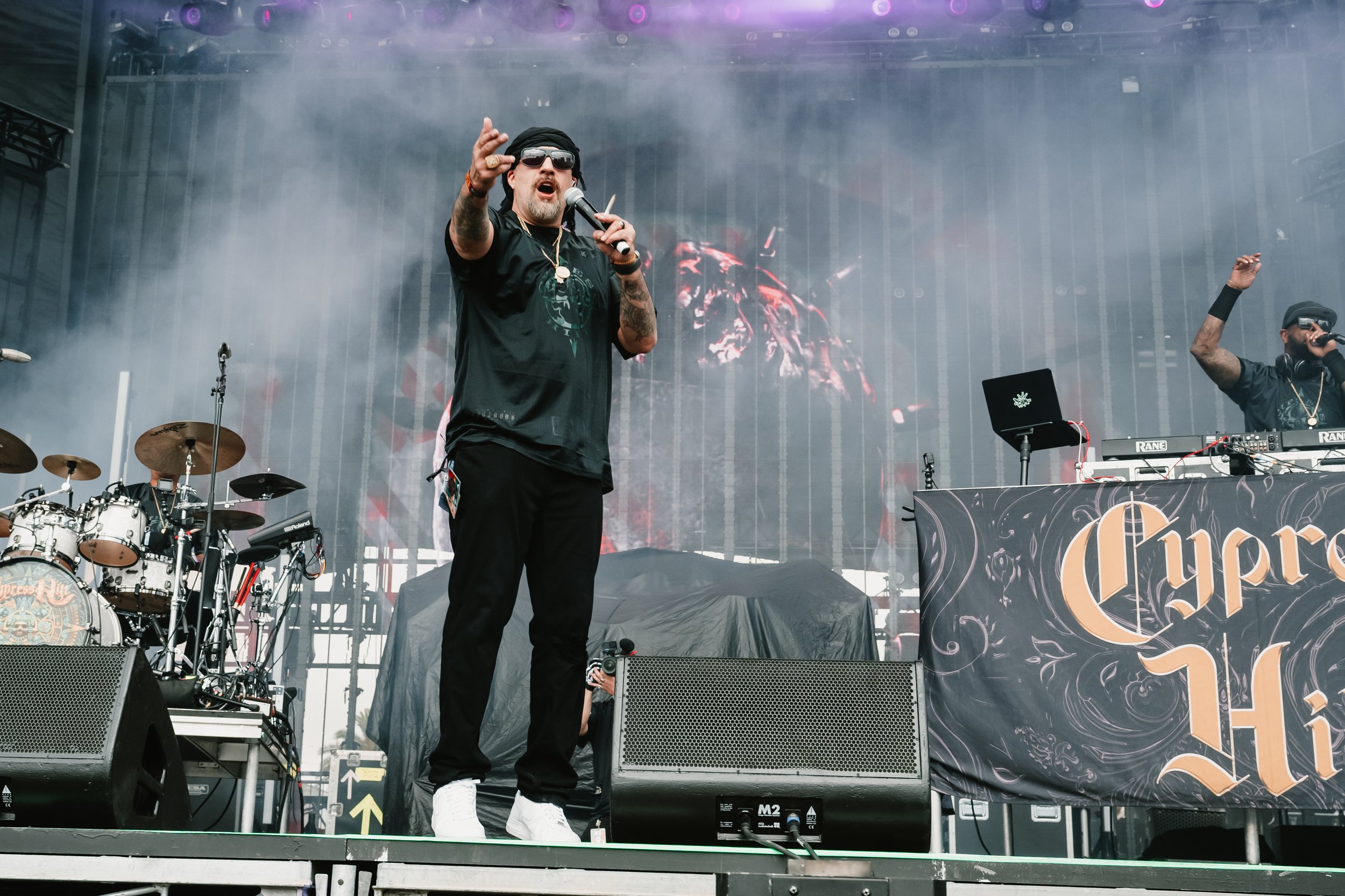
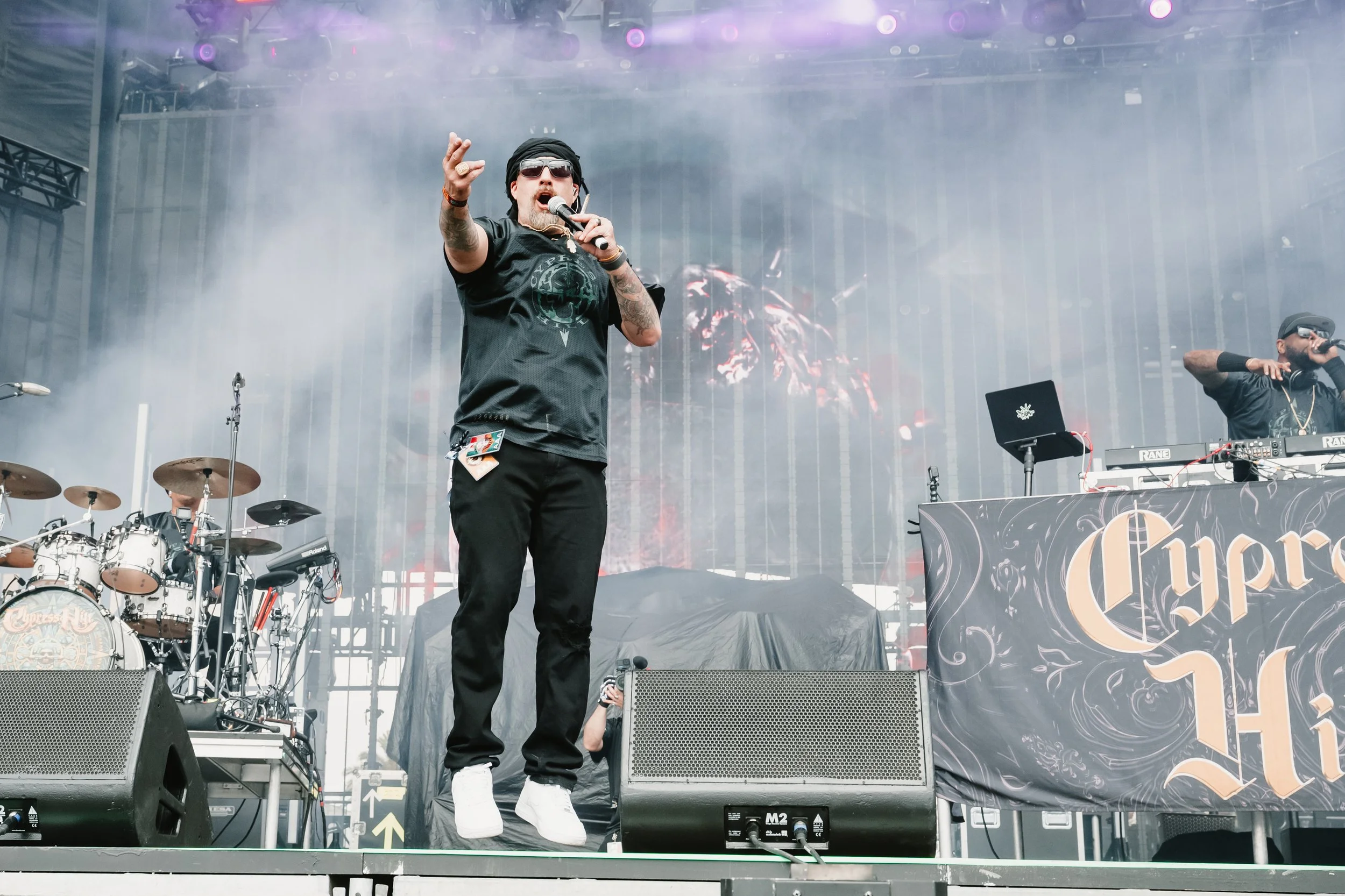
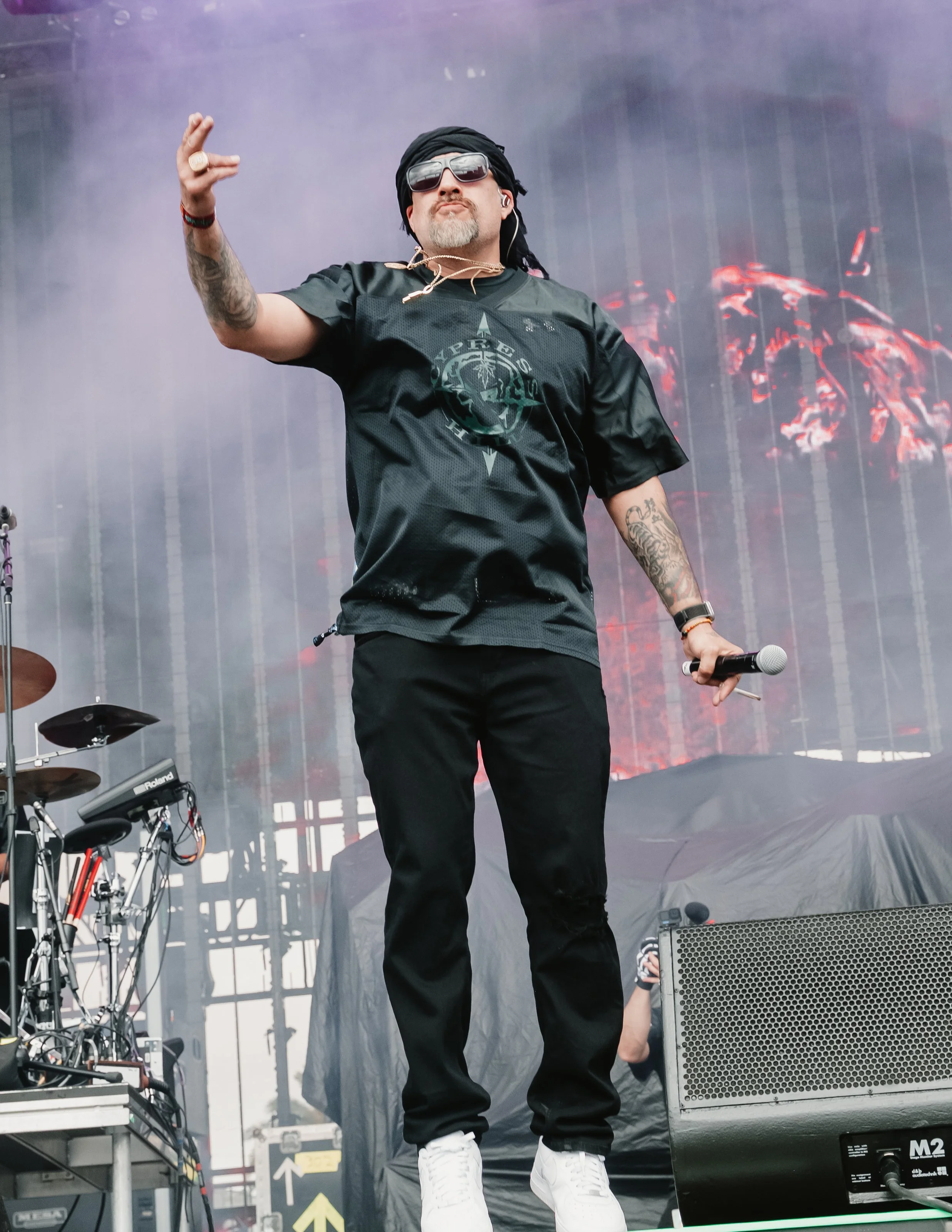
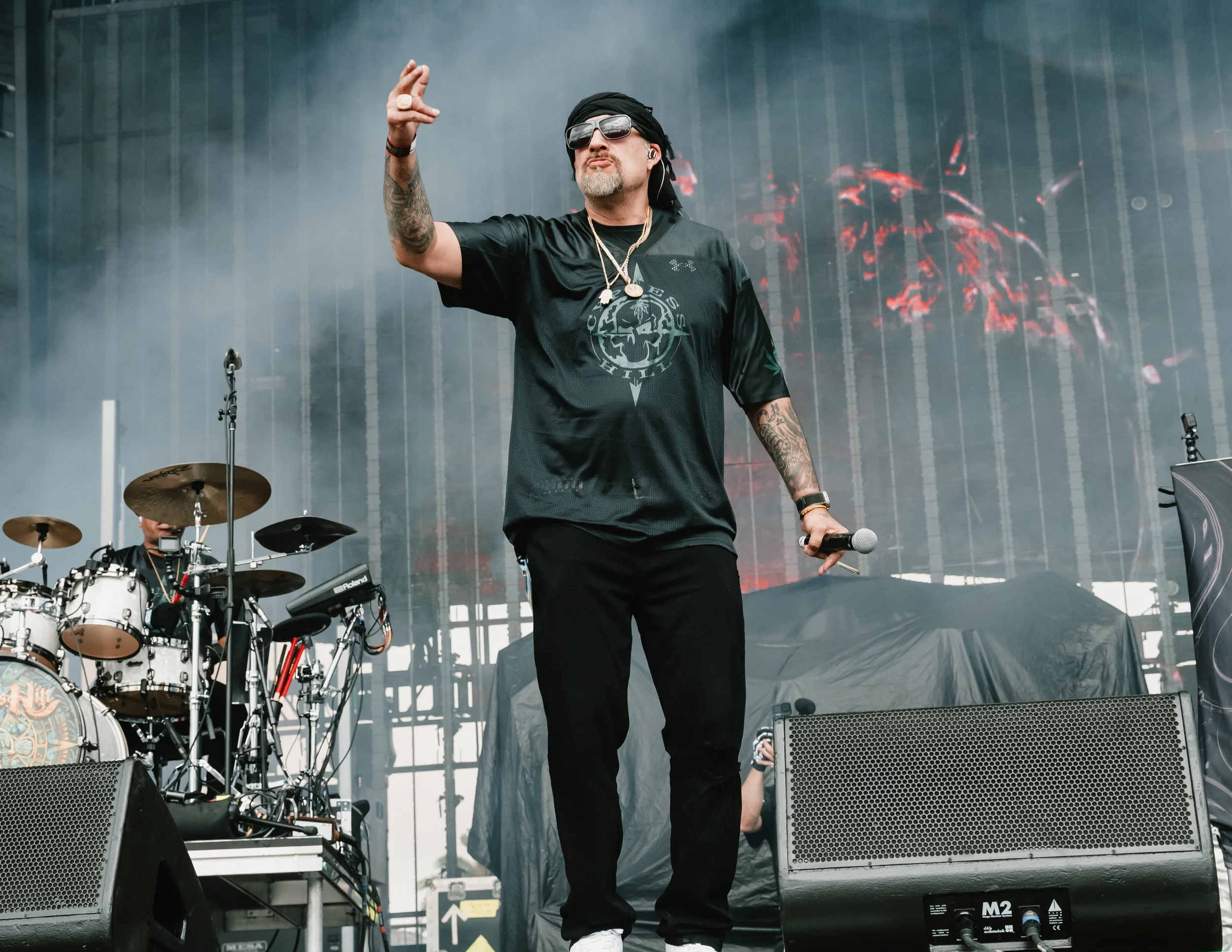
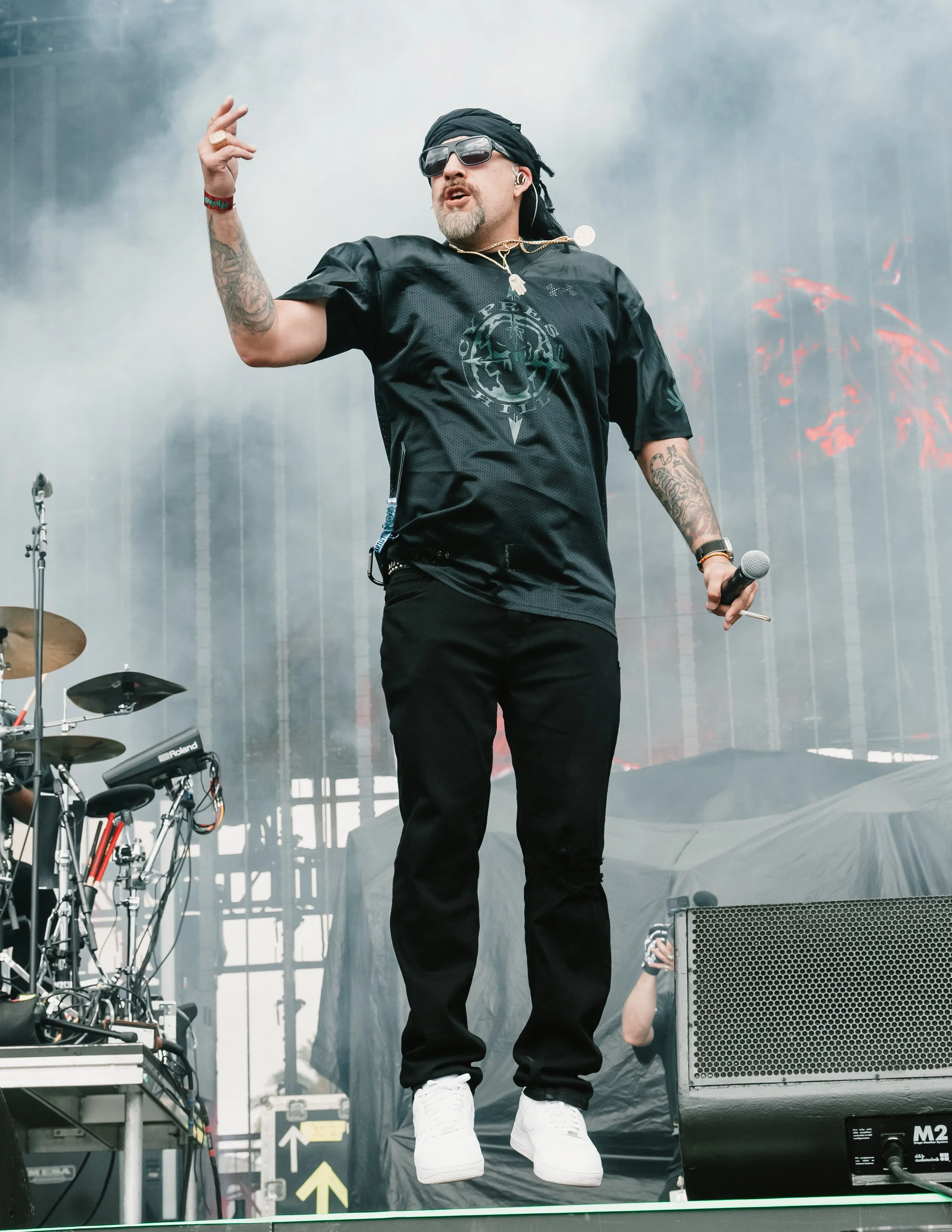
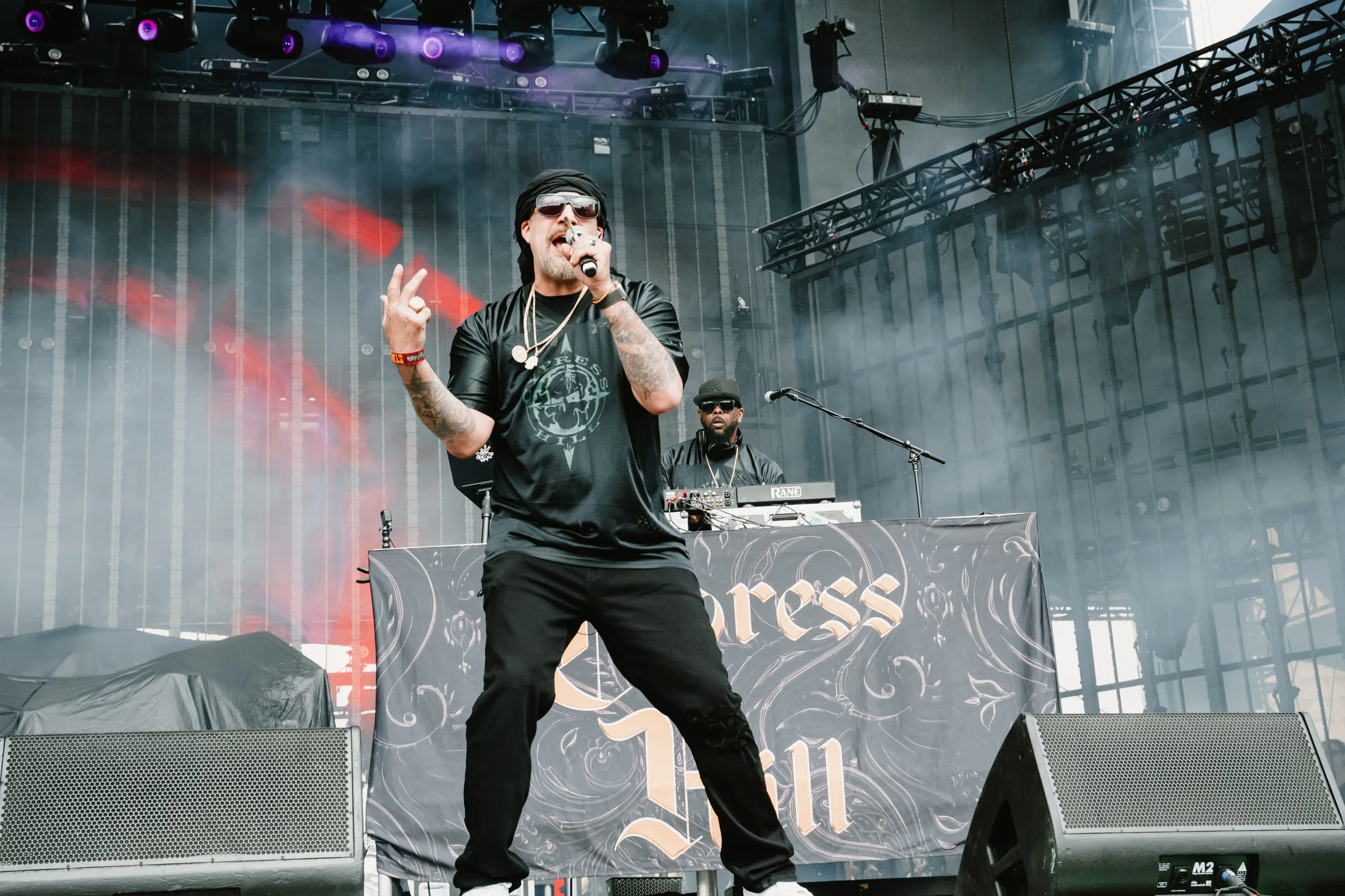
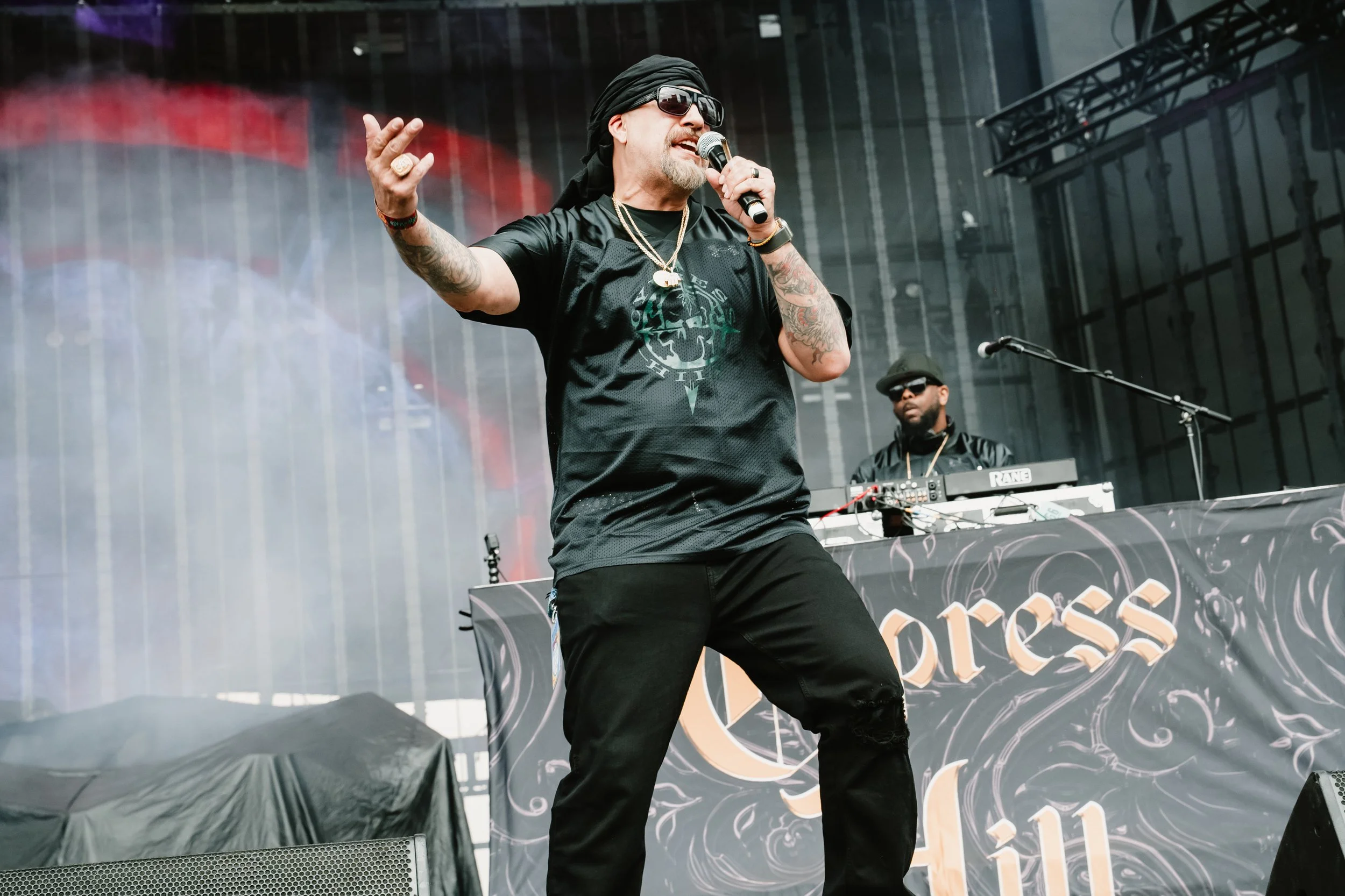
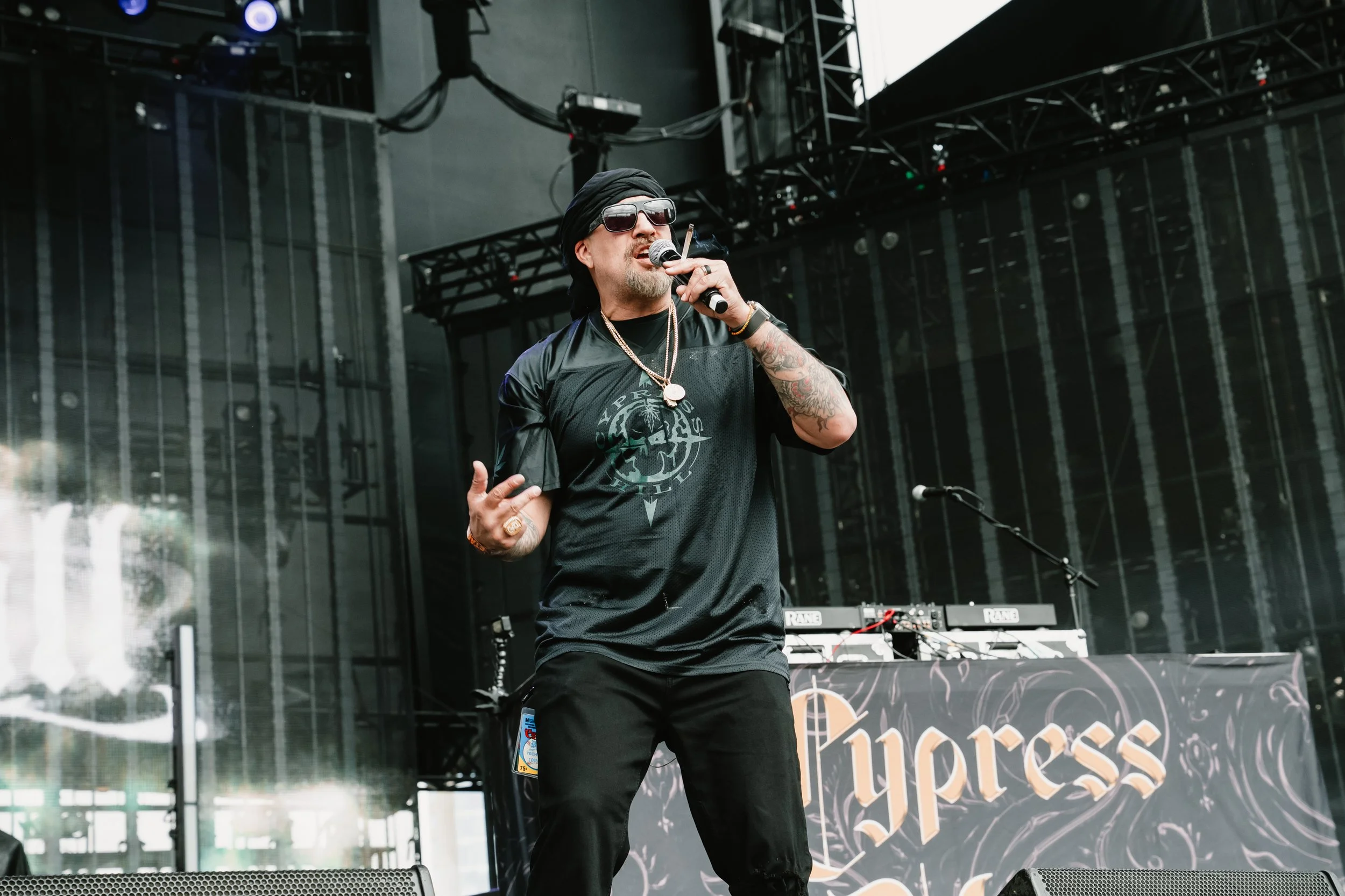
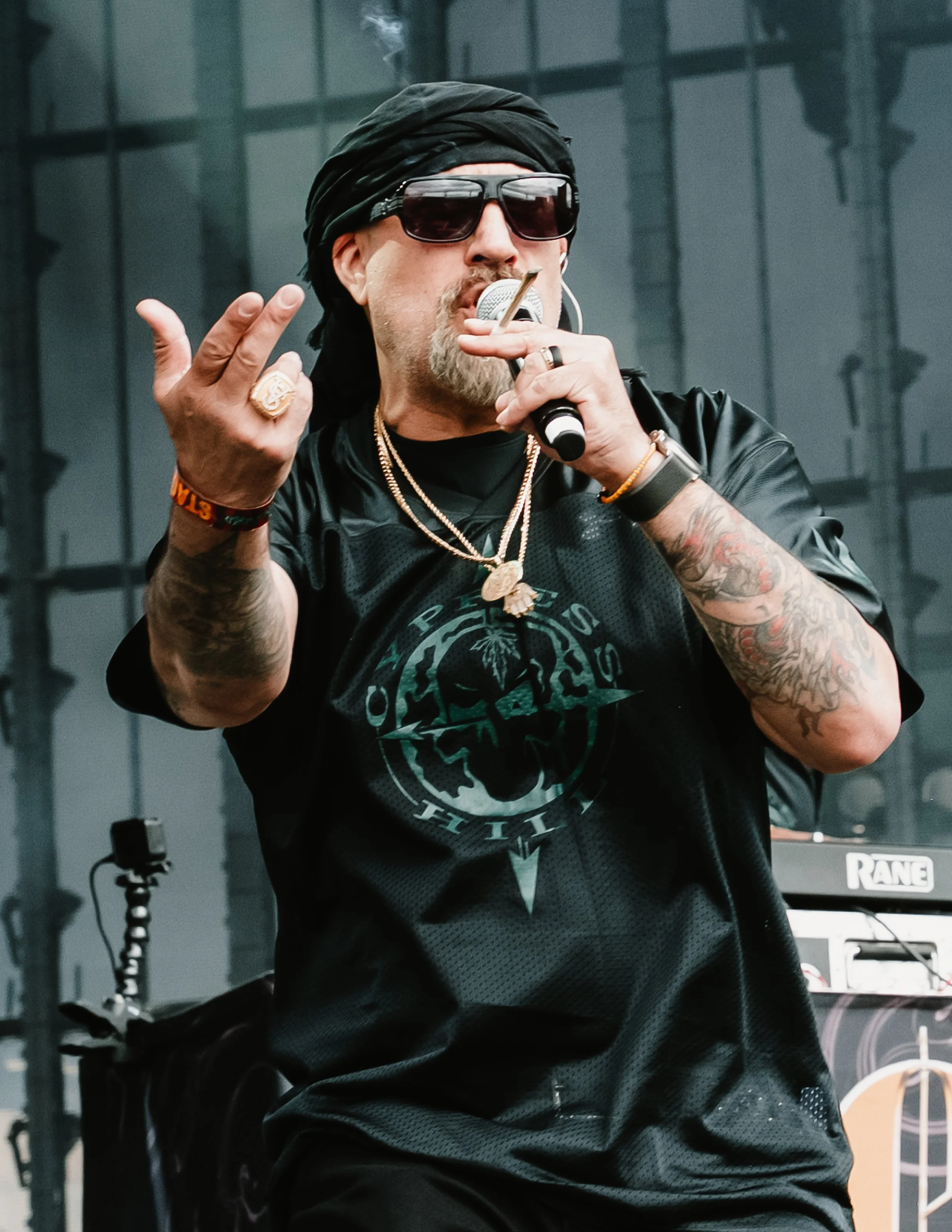
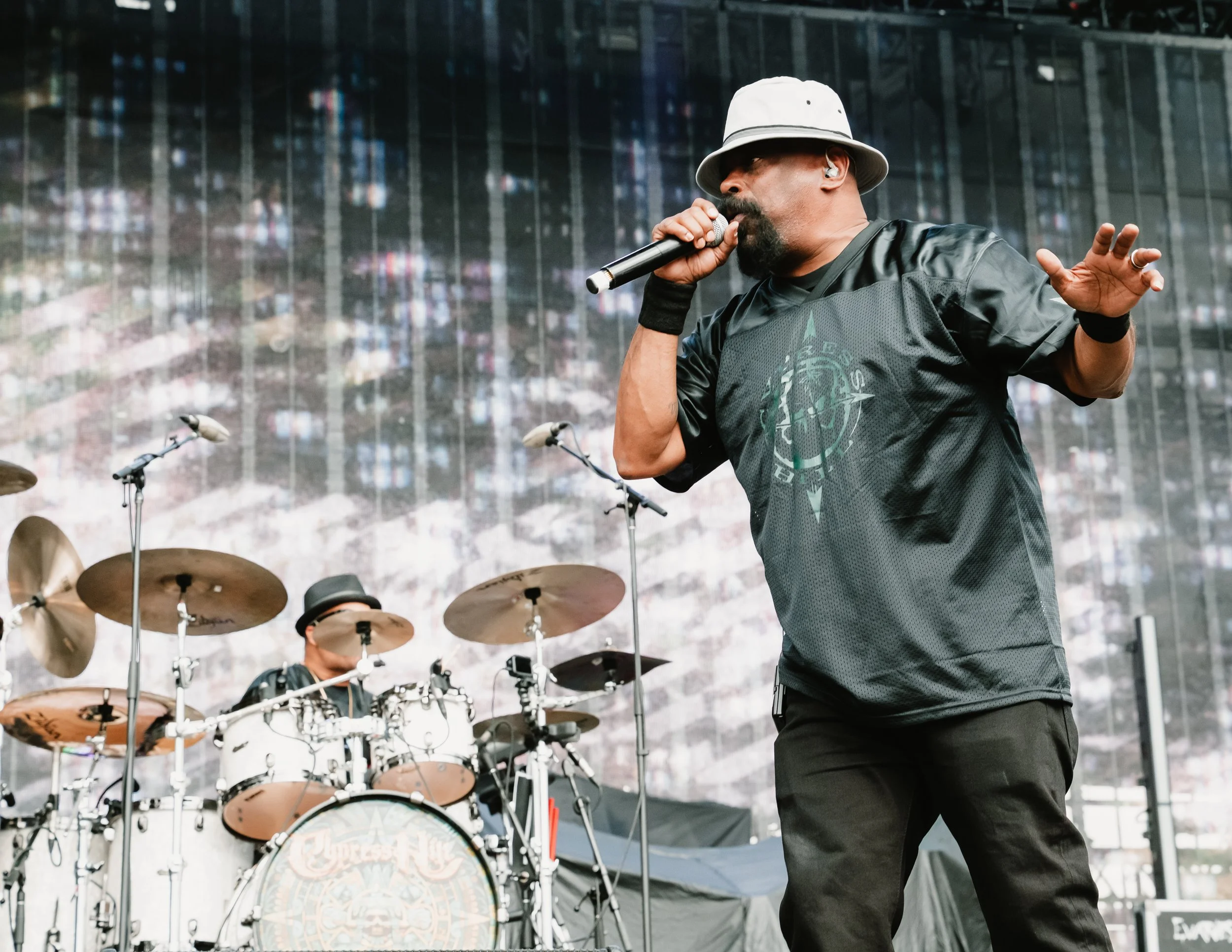
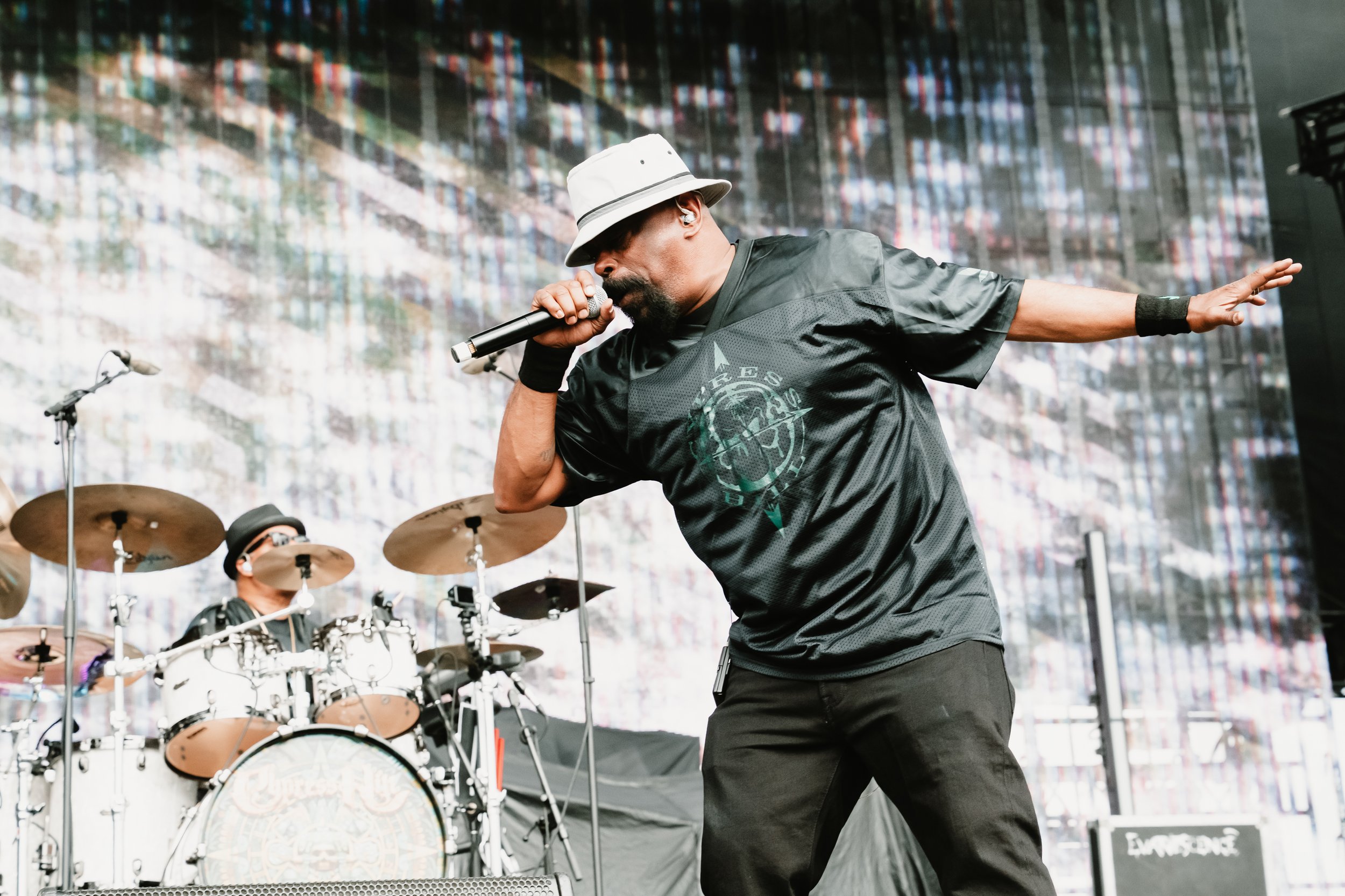
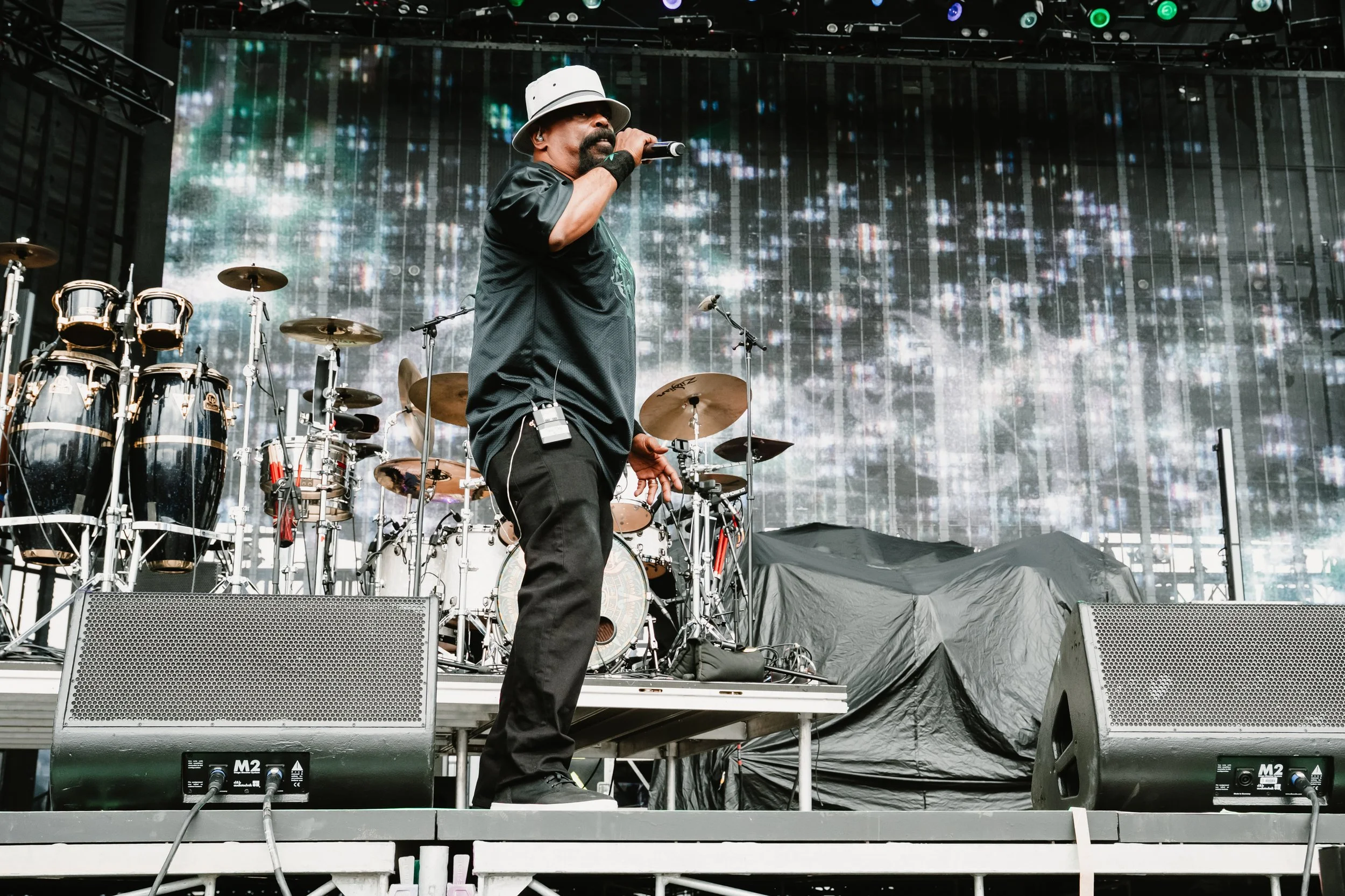
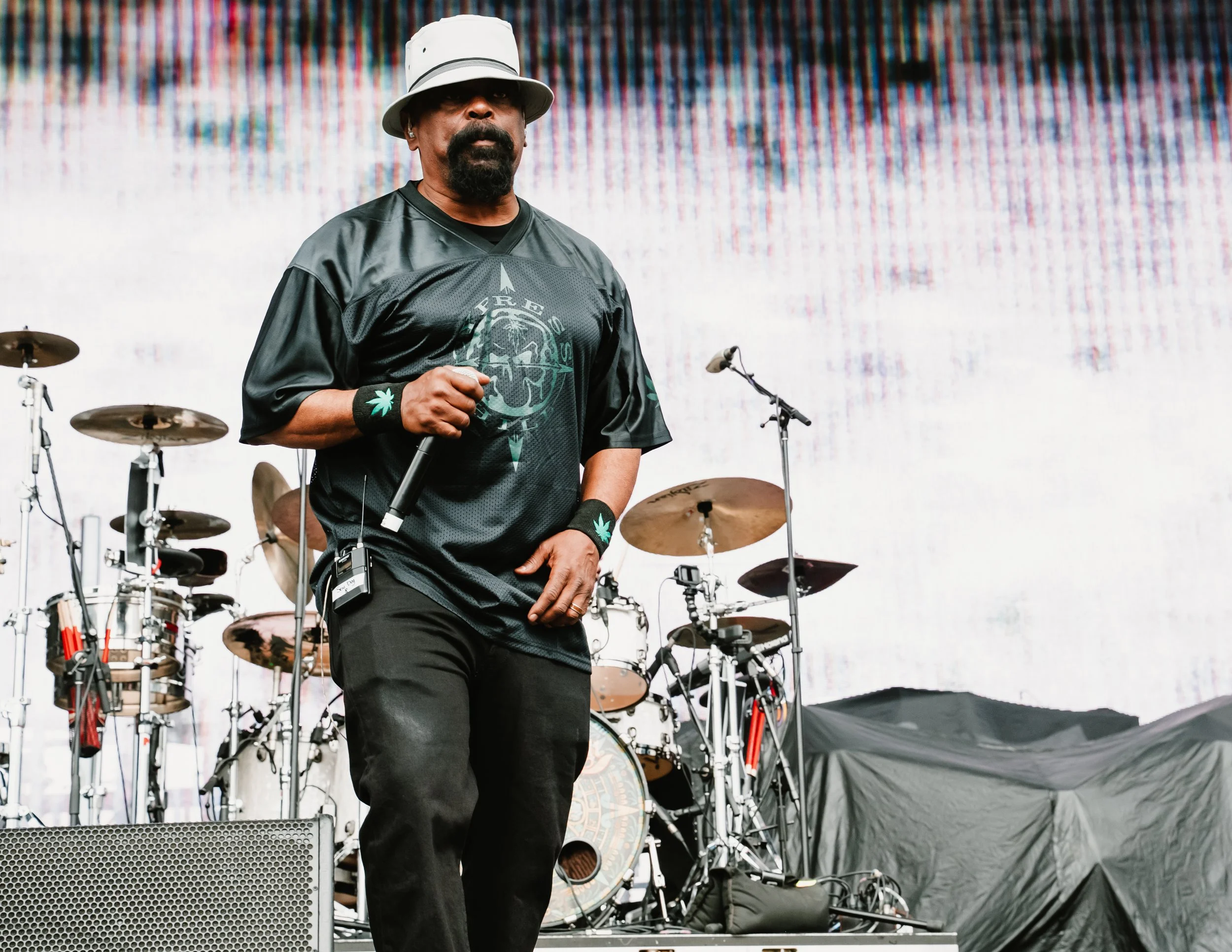
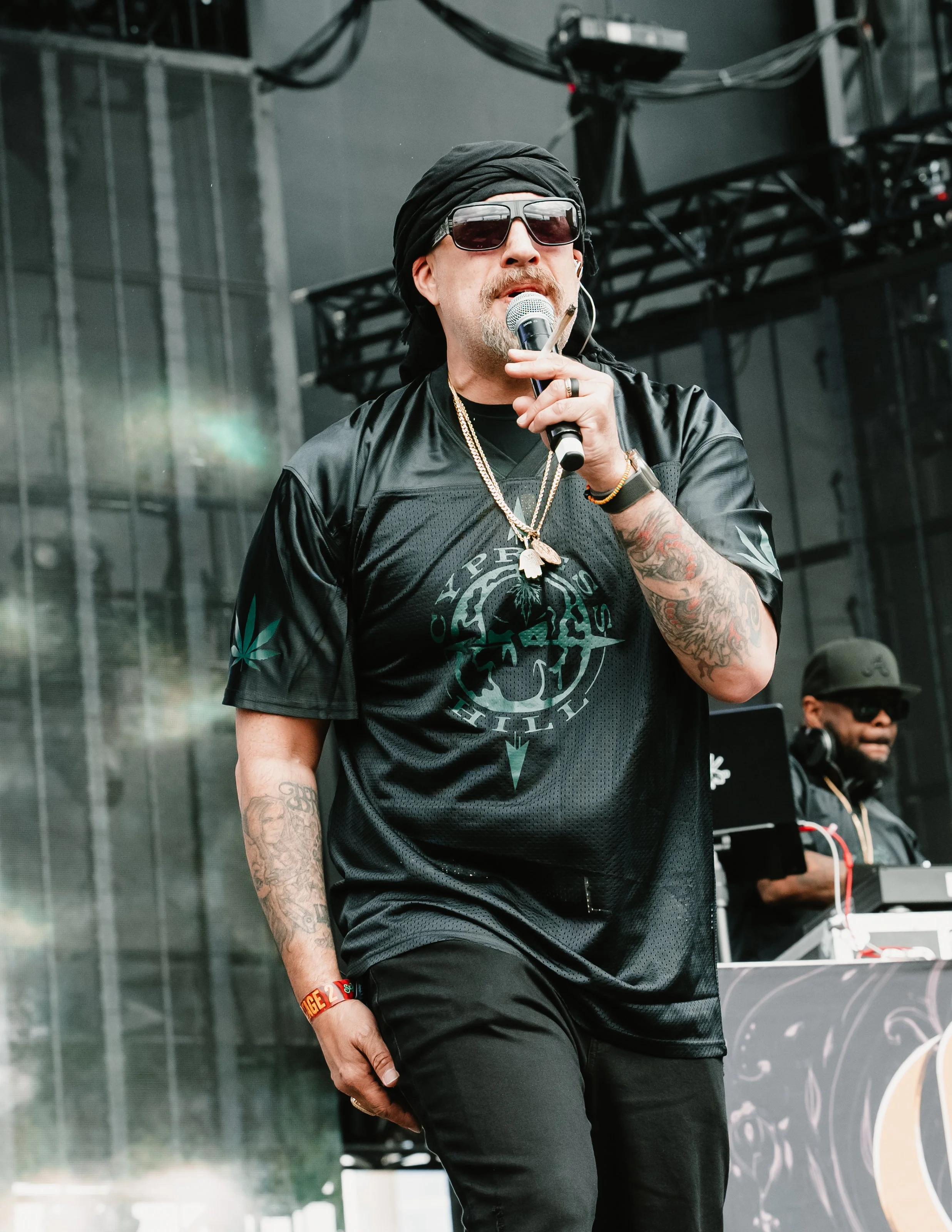
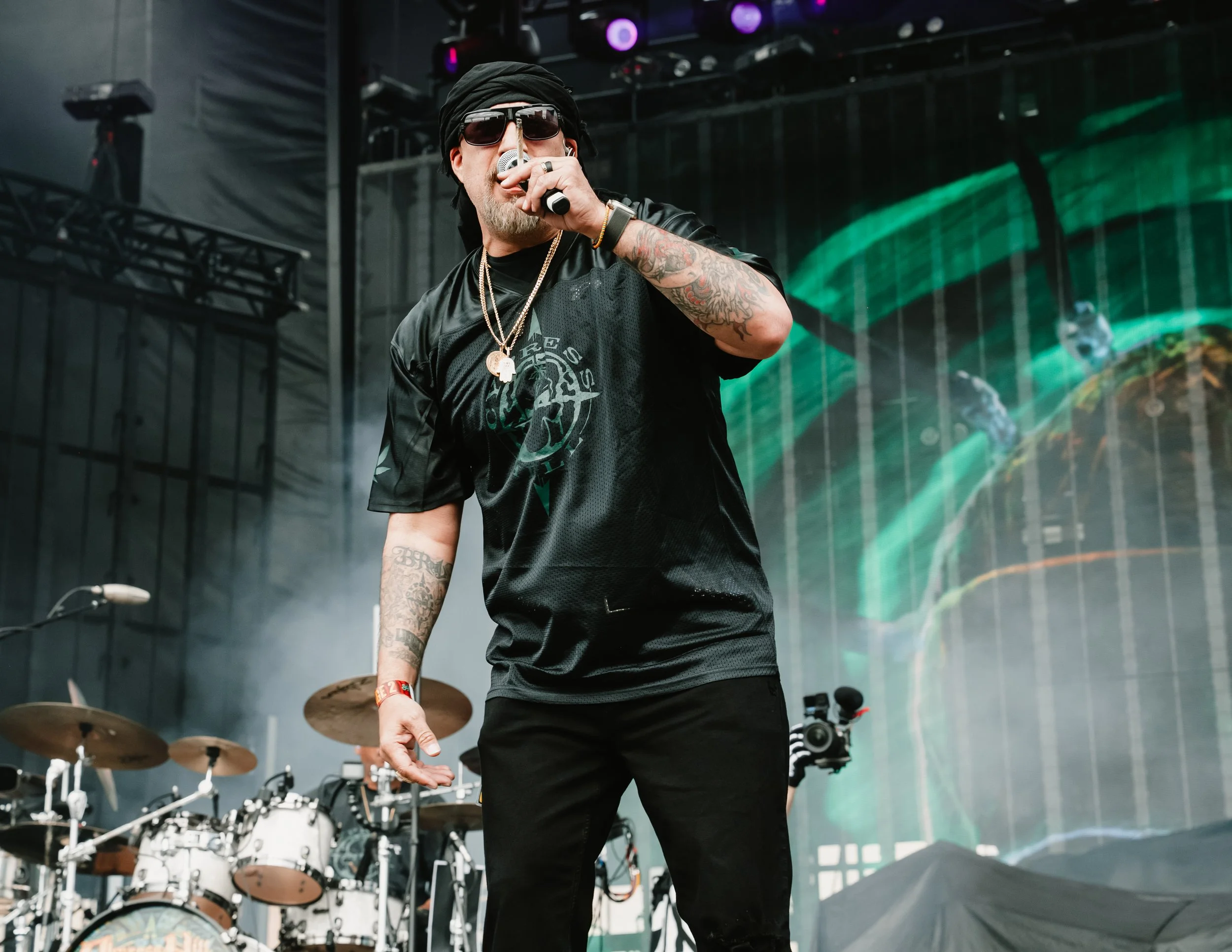
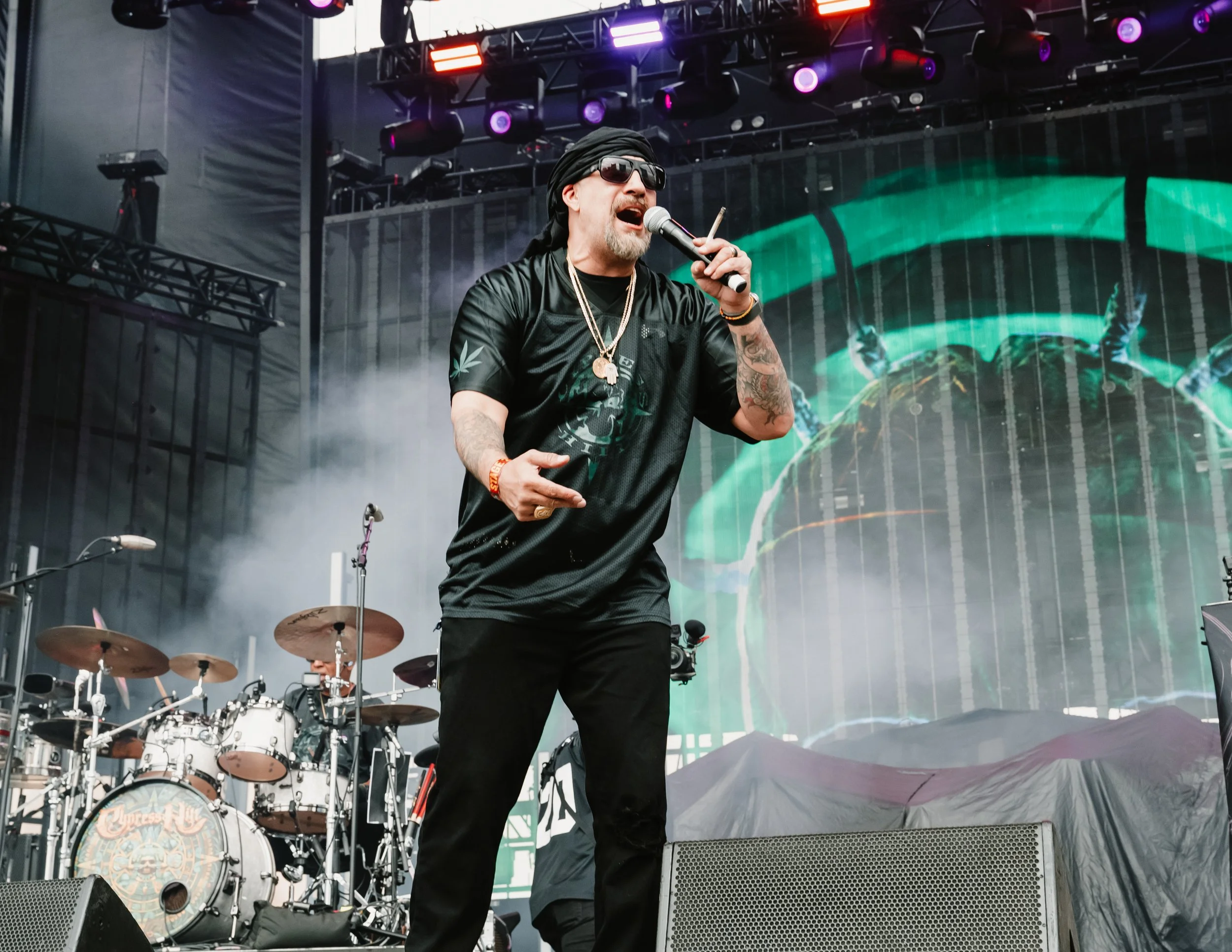
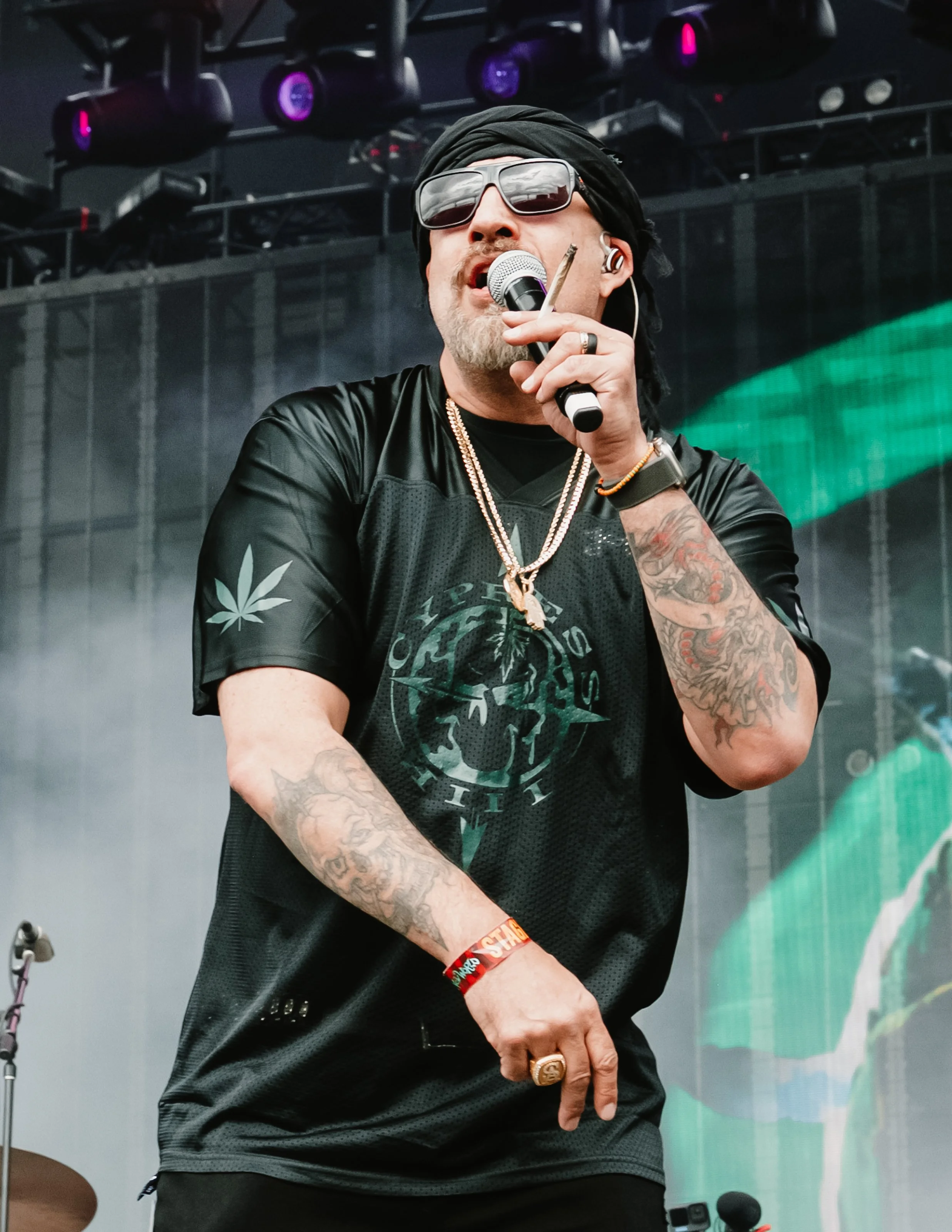
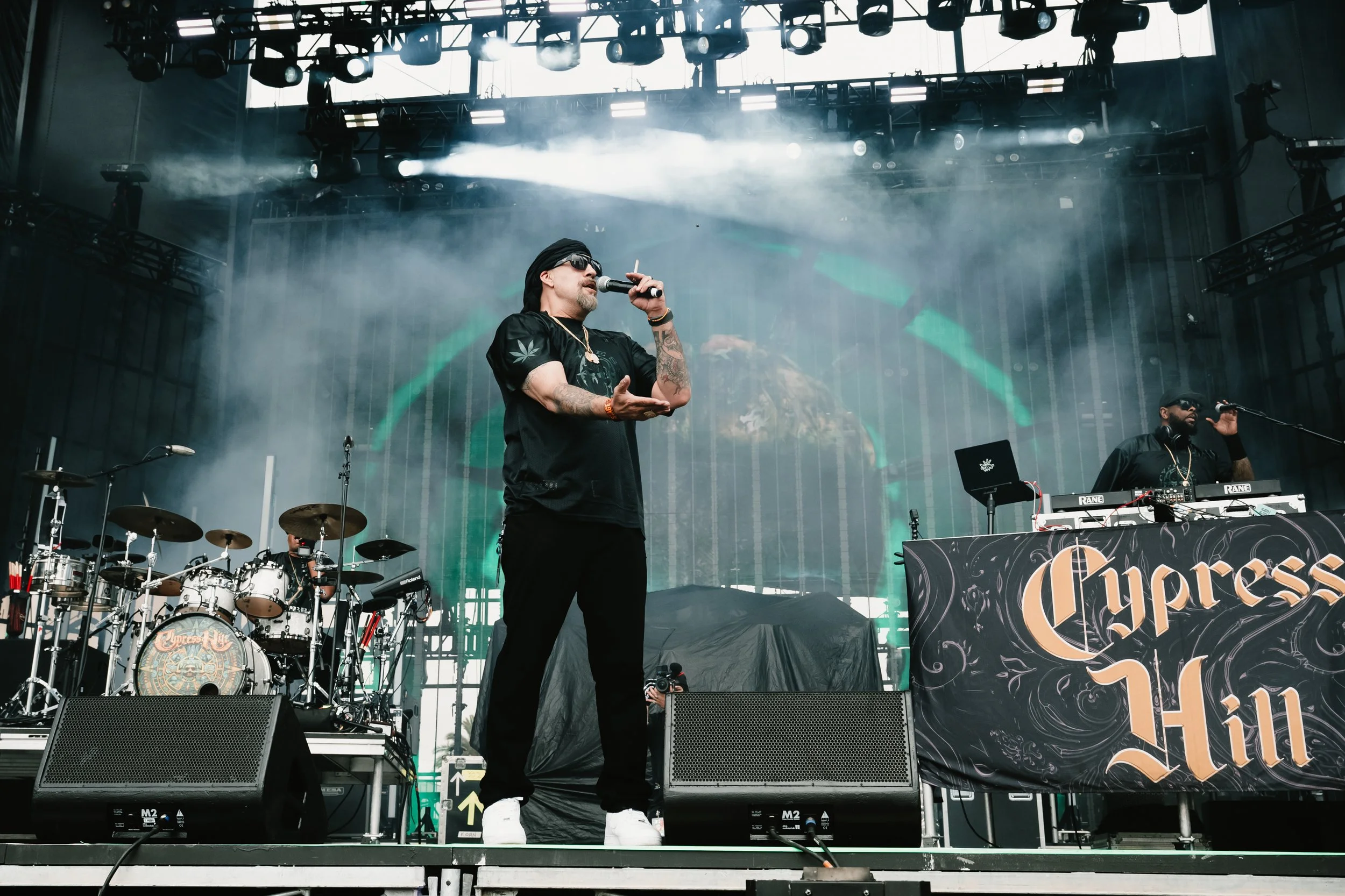
Cypress Hill’s placement on the bill reflected another important part of Sick New World’s world: the long-running relationship between heavy music and hip-hop. Their inclusion made sense in a festival shaped by nu-metal, where rap, rock, and metal have always crossed paths. Cypress Hill brought a different kind of energy to the day, one rooted in rhythm, attitude, and cultural influence, and their set reinforced how naturally hip-hop has always moved through alternative spaces.
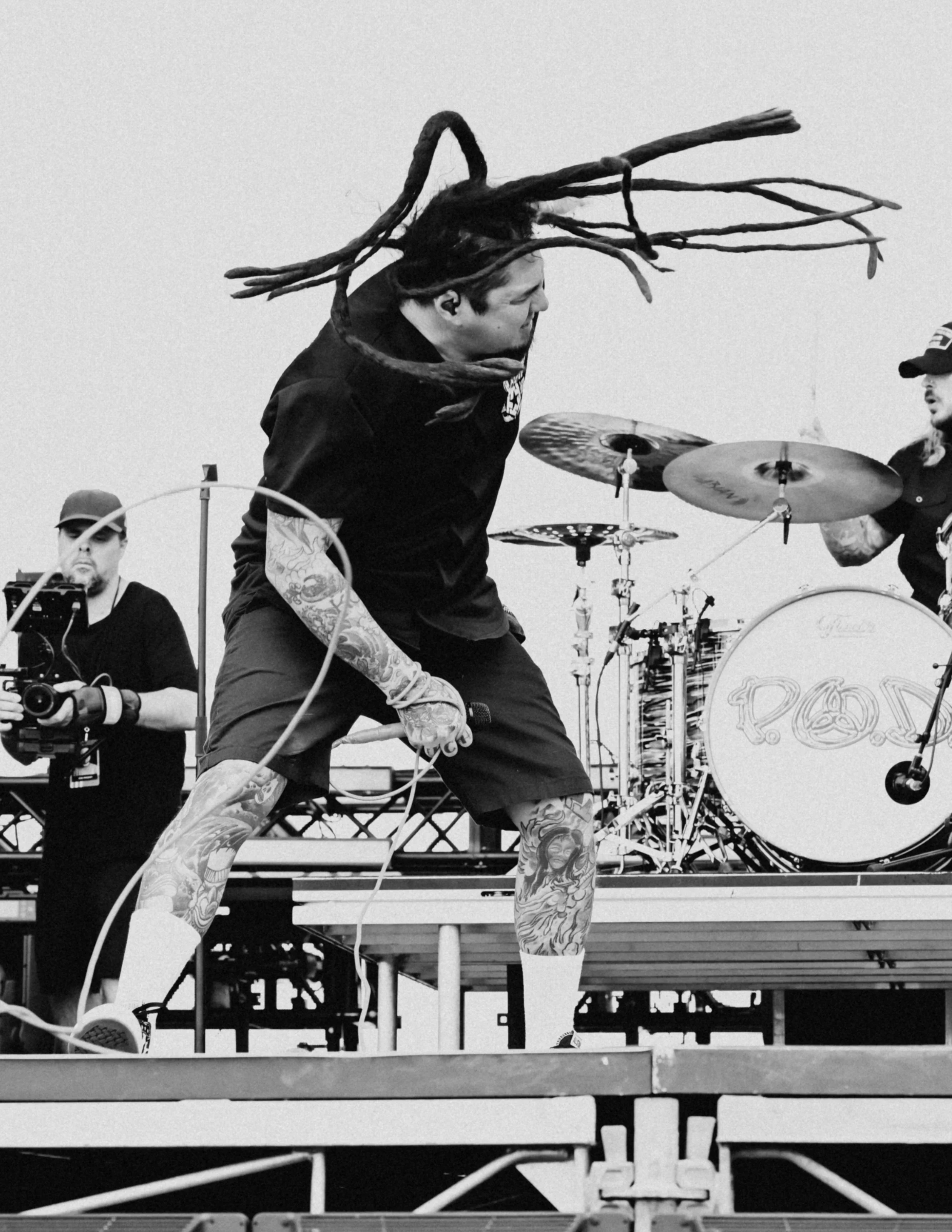
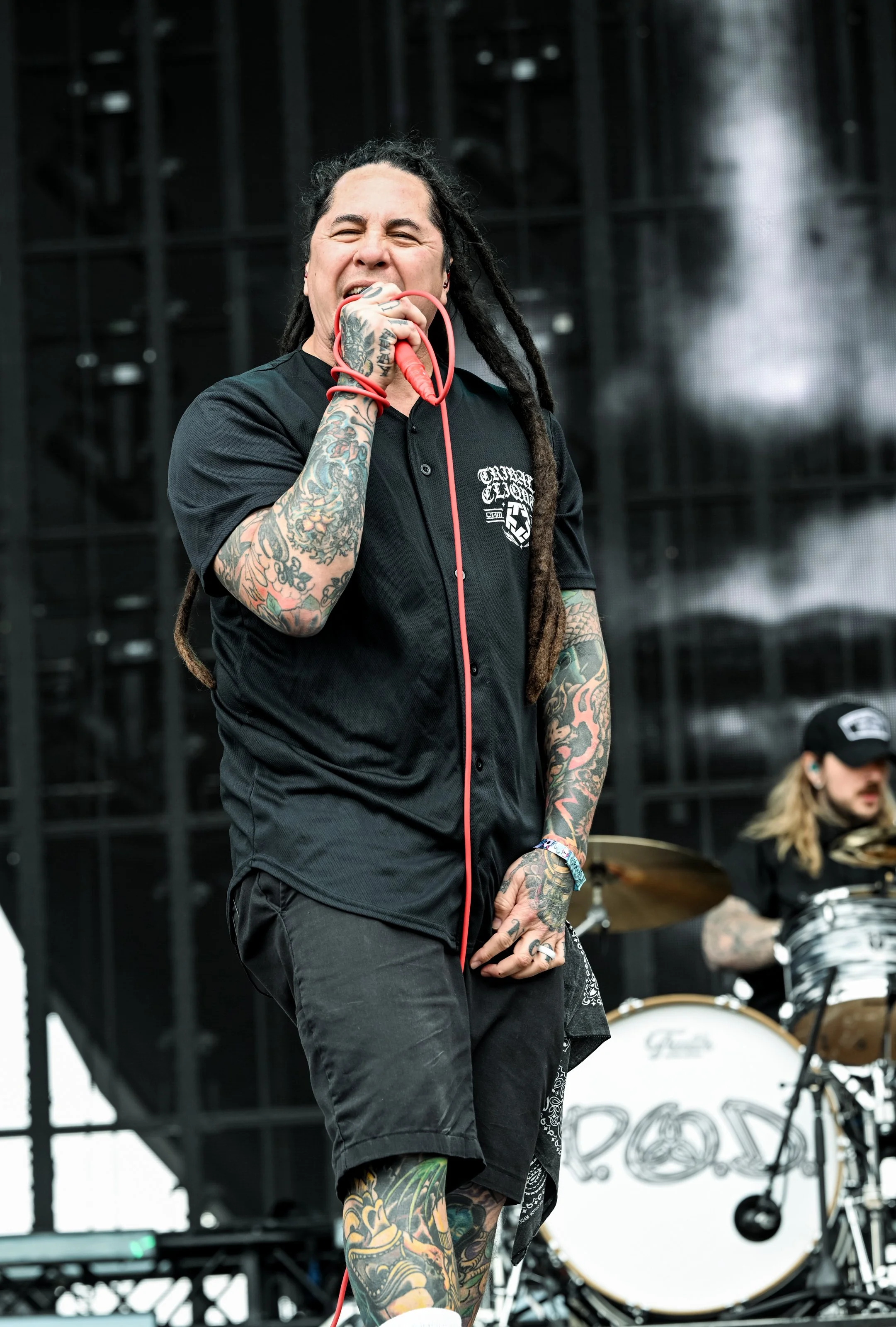
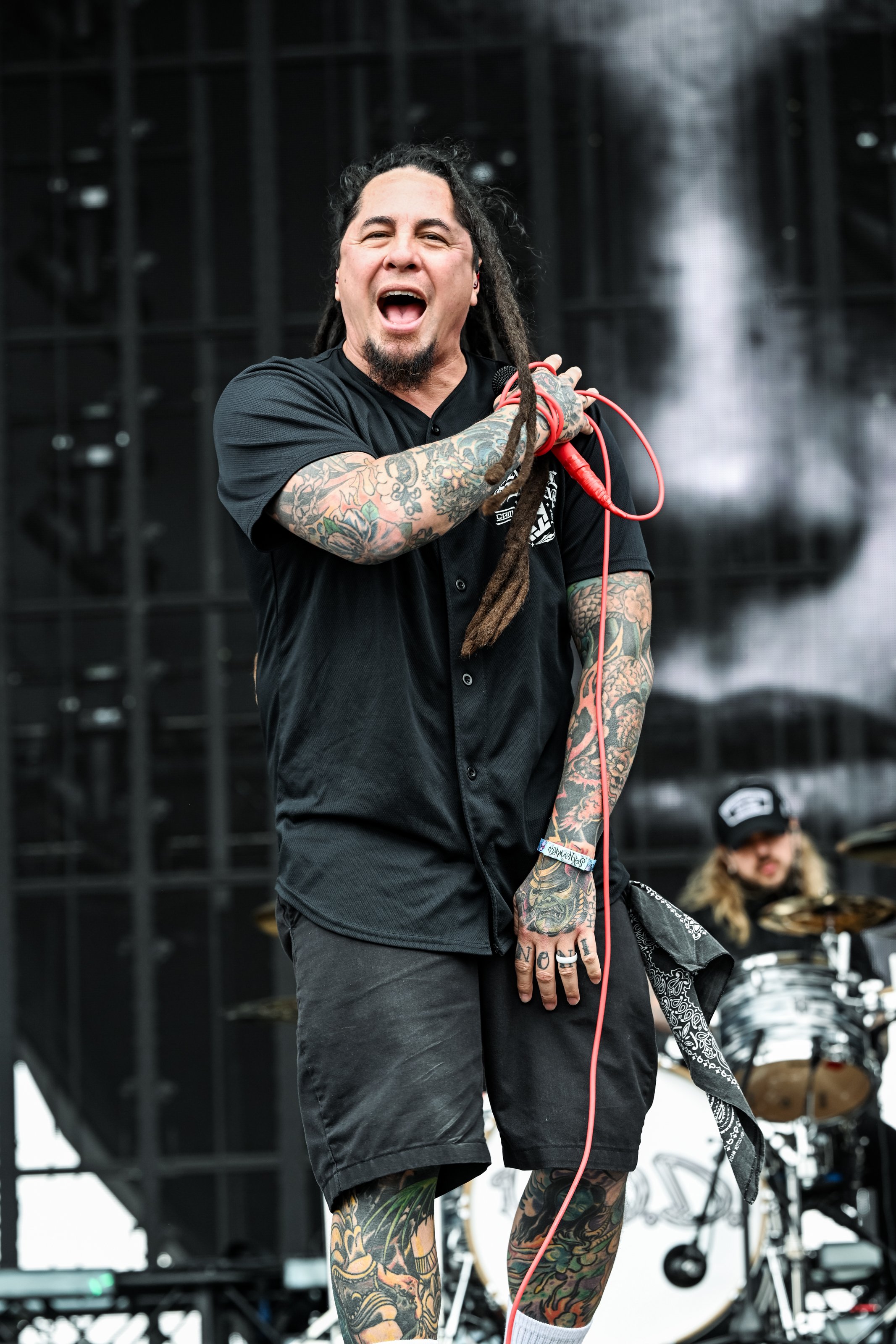
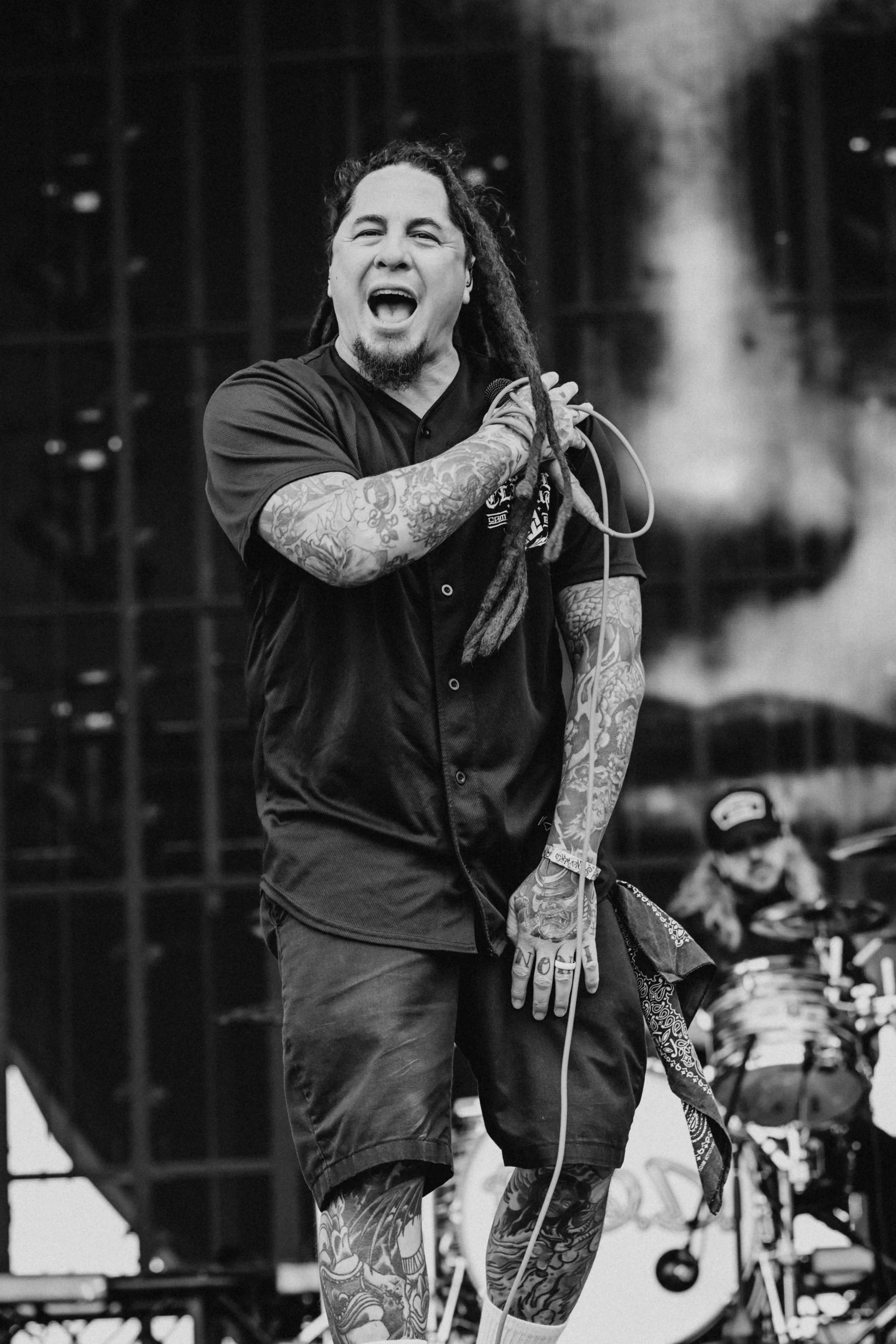
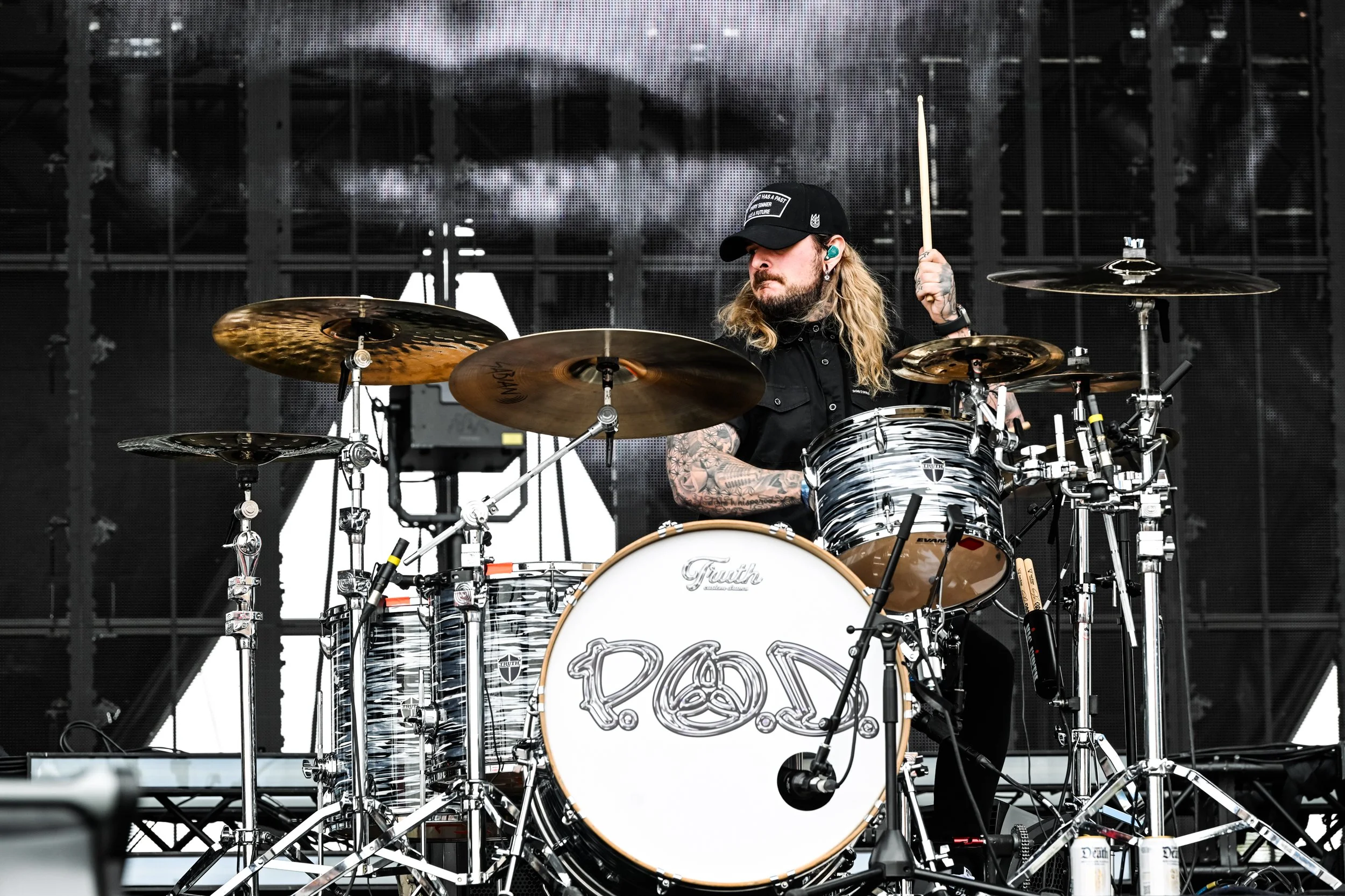
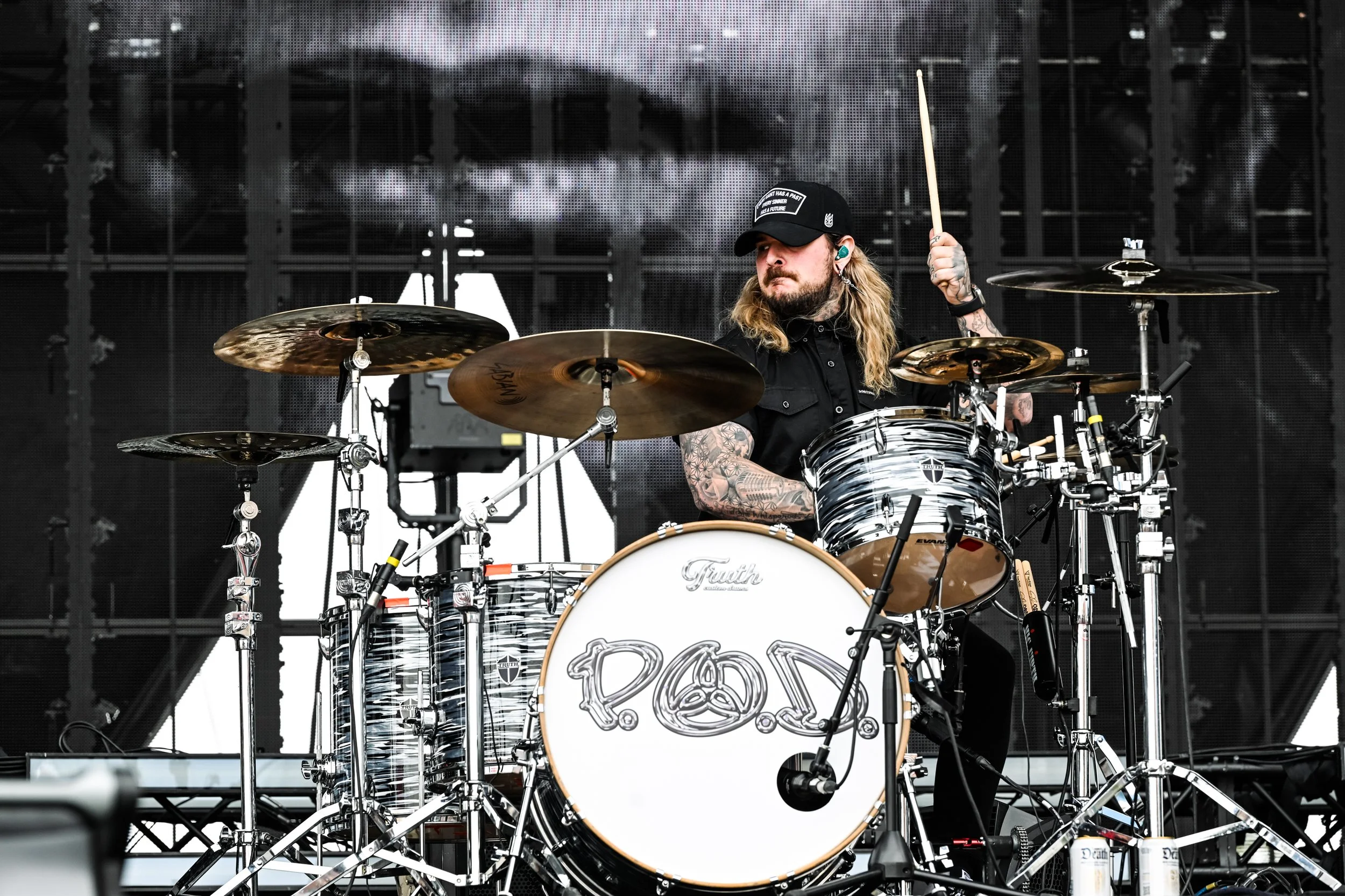
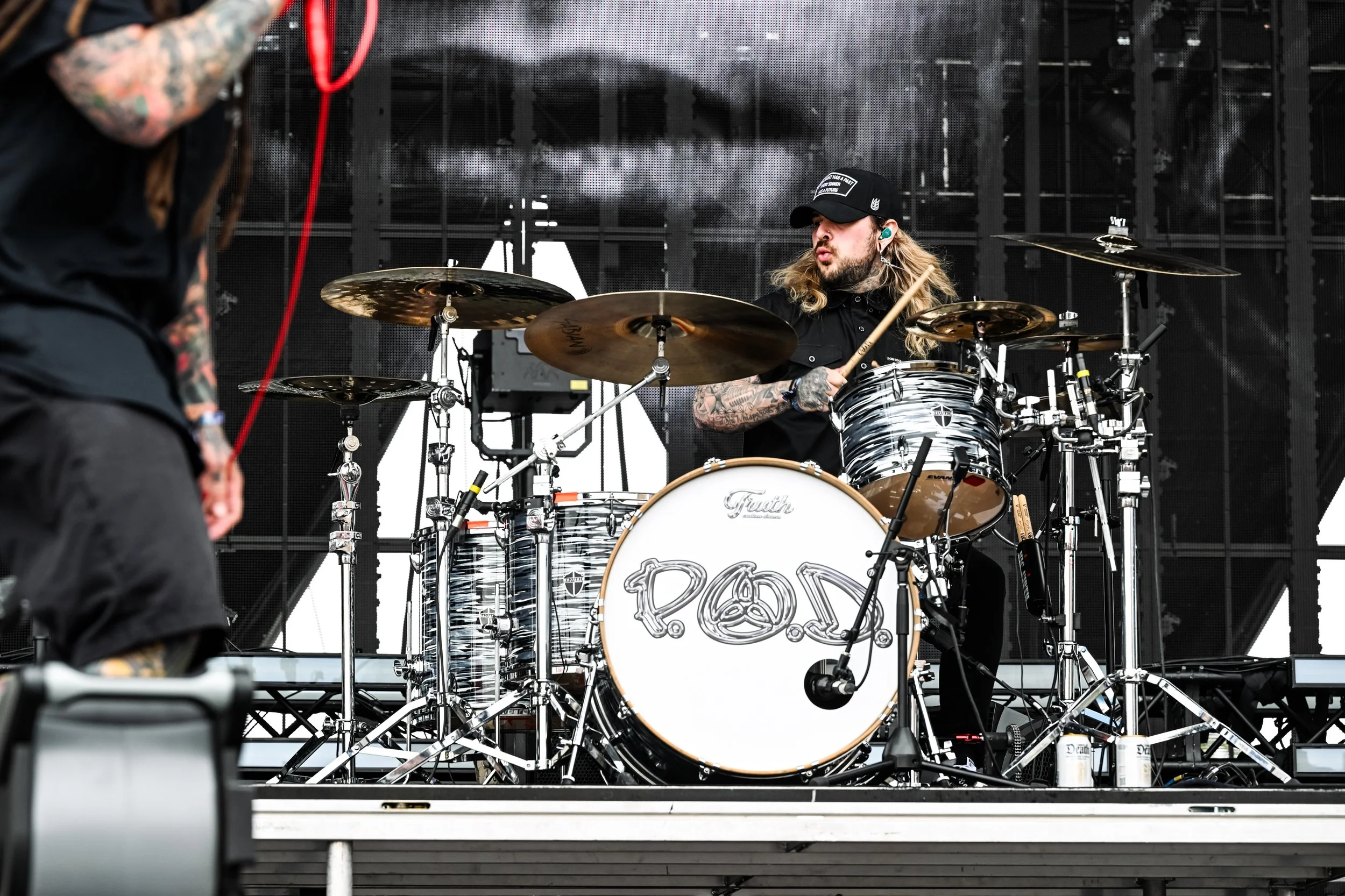
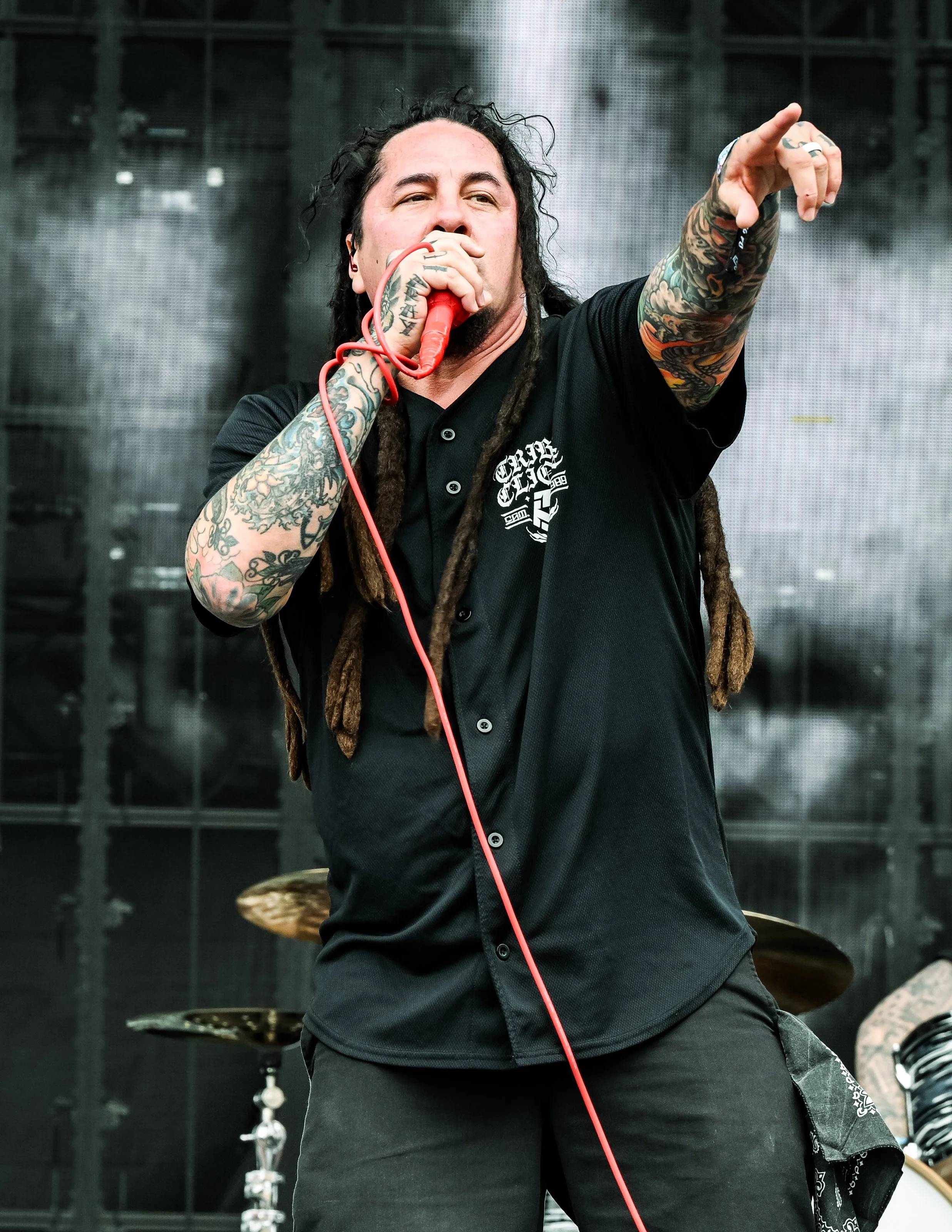
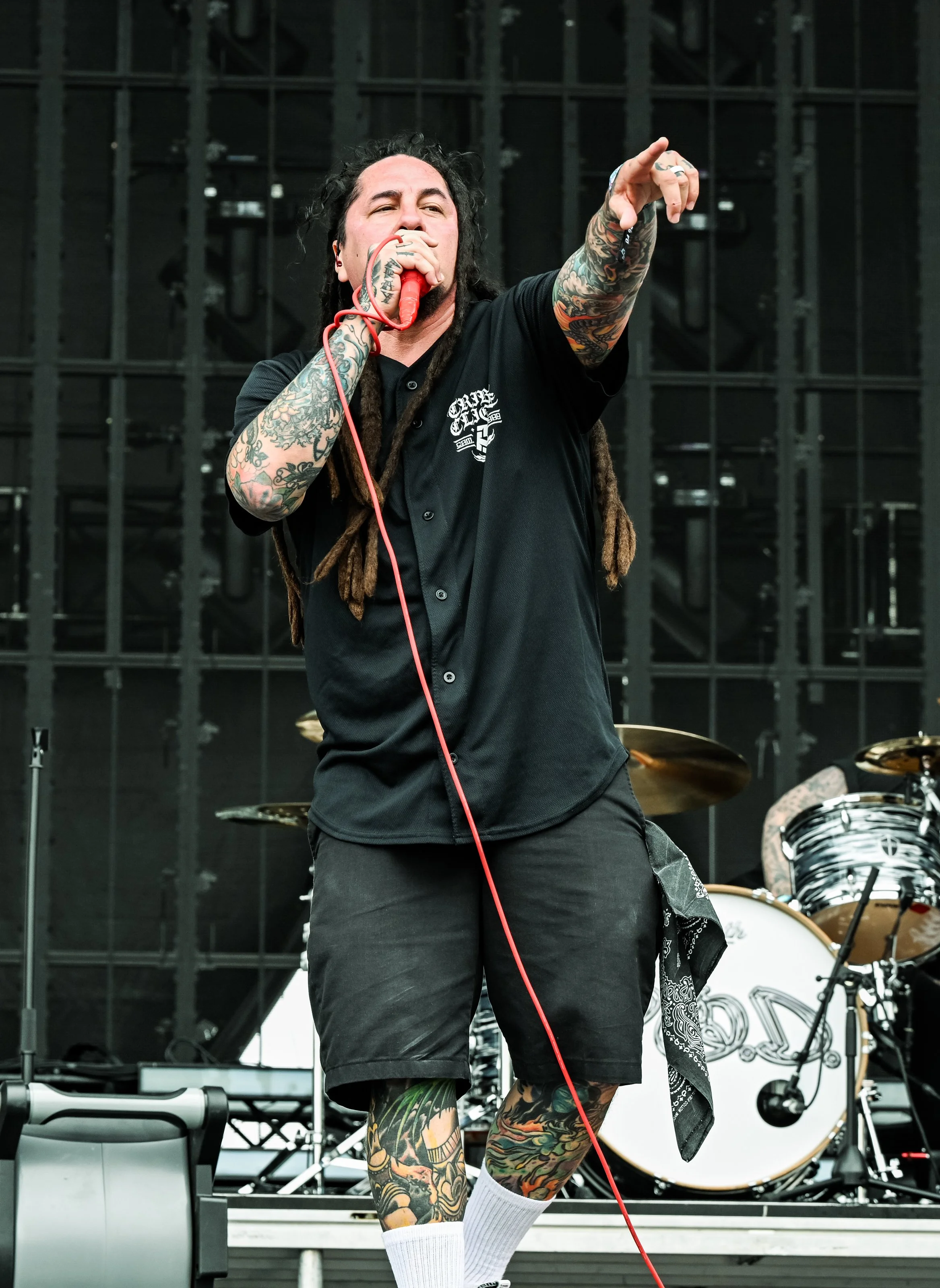
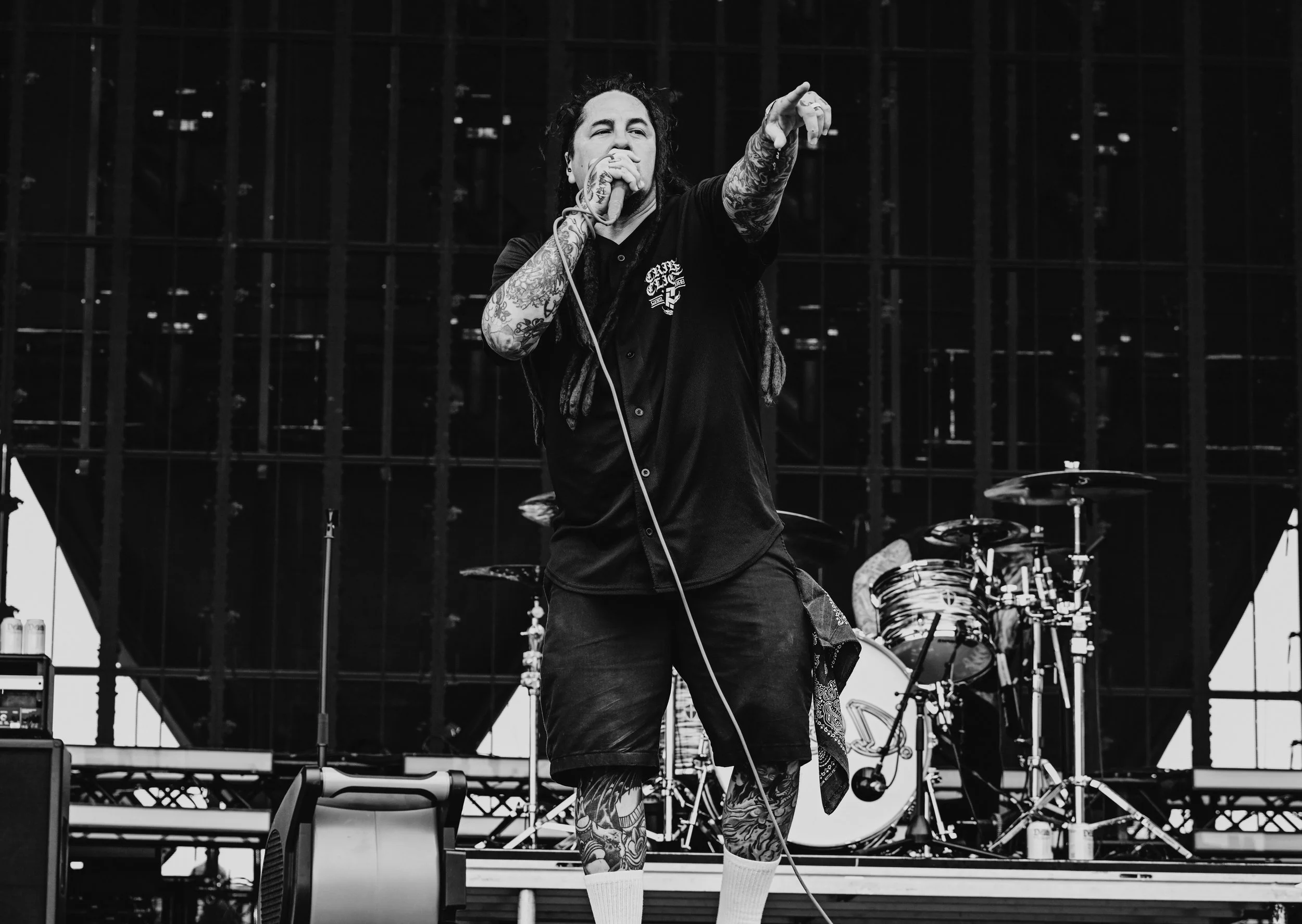
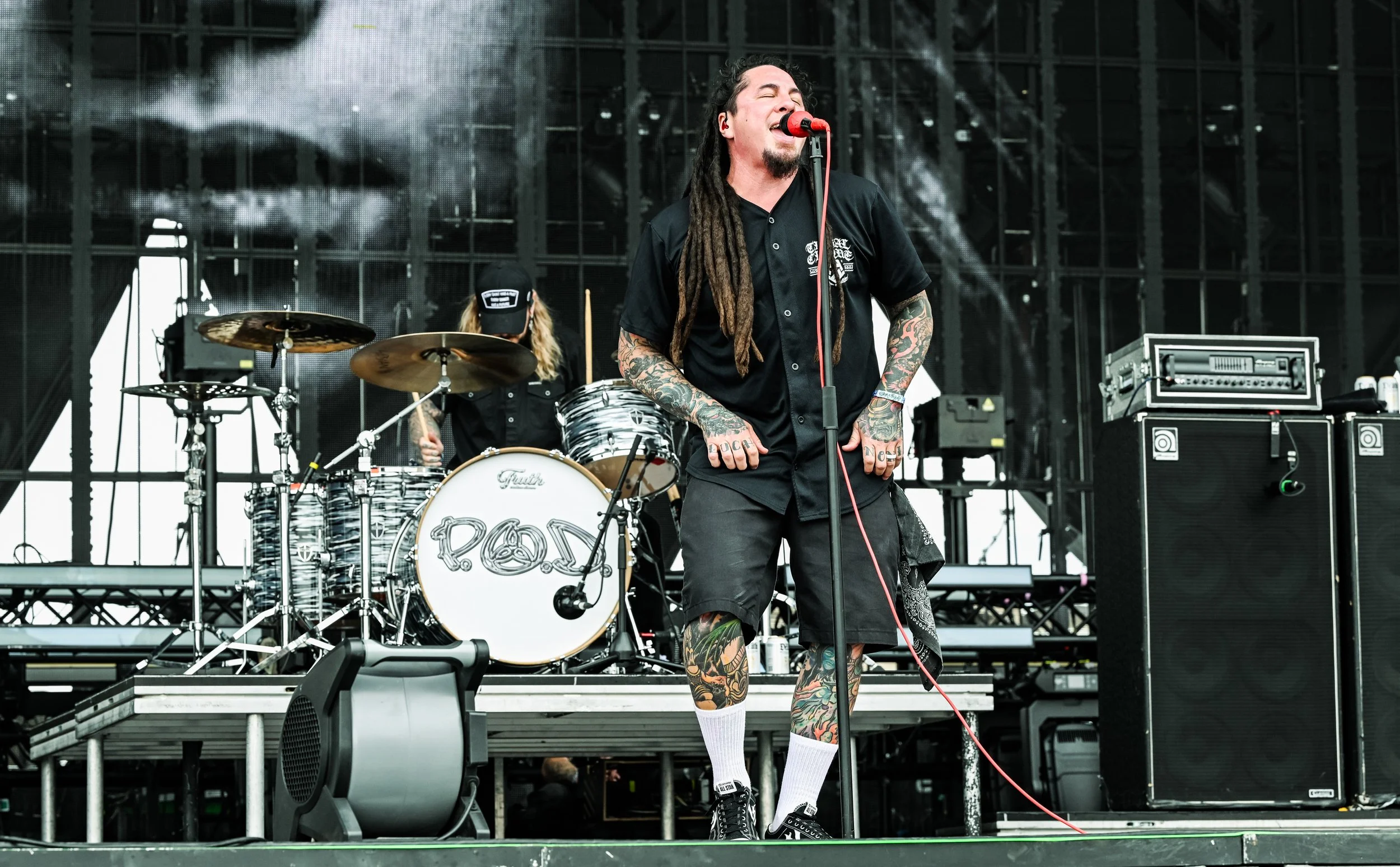
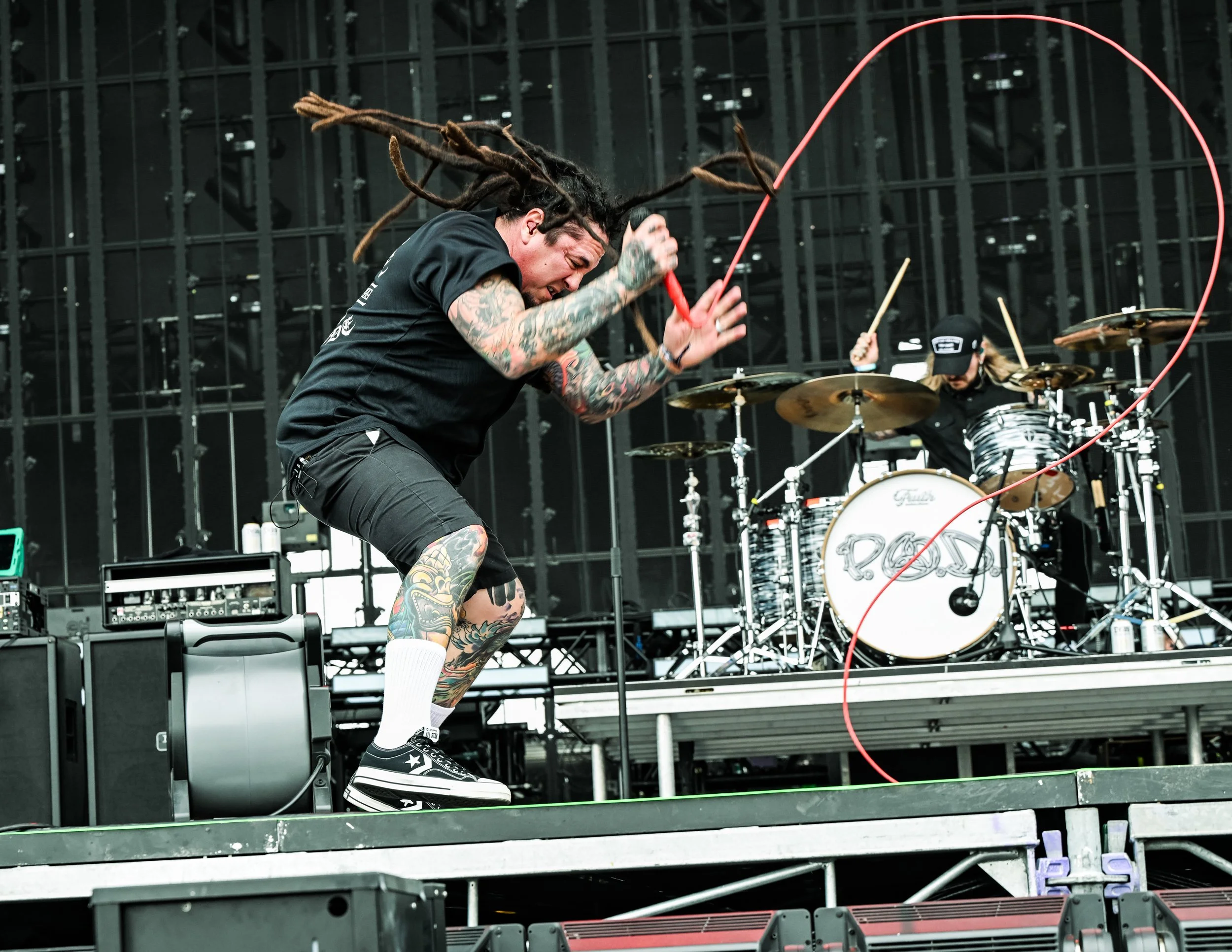
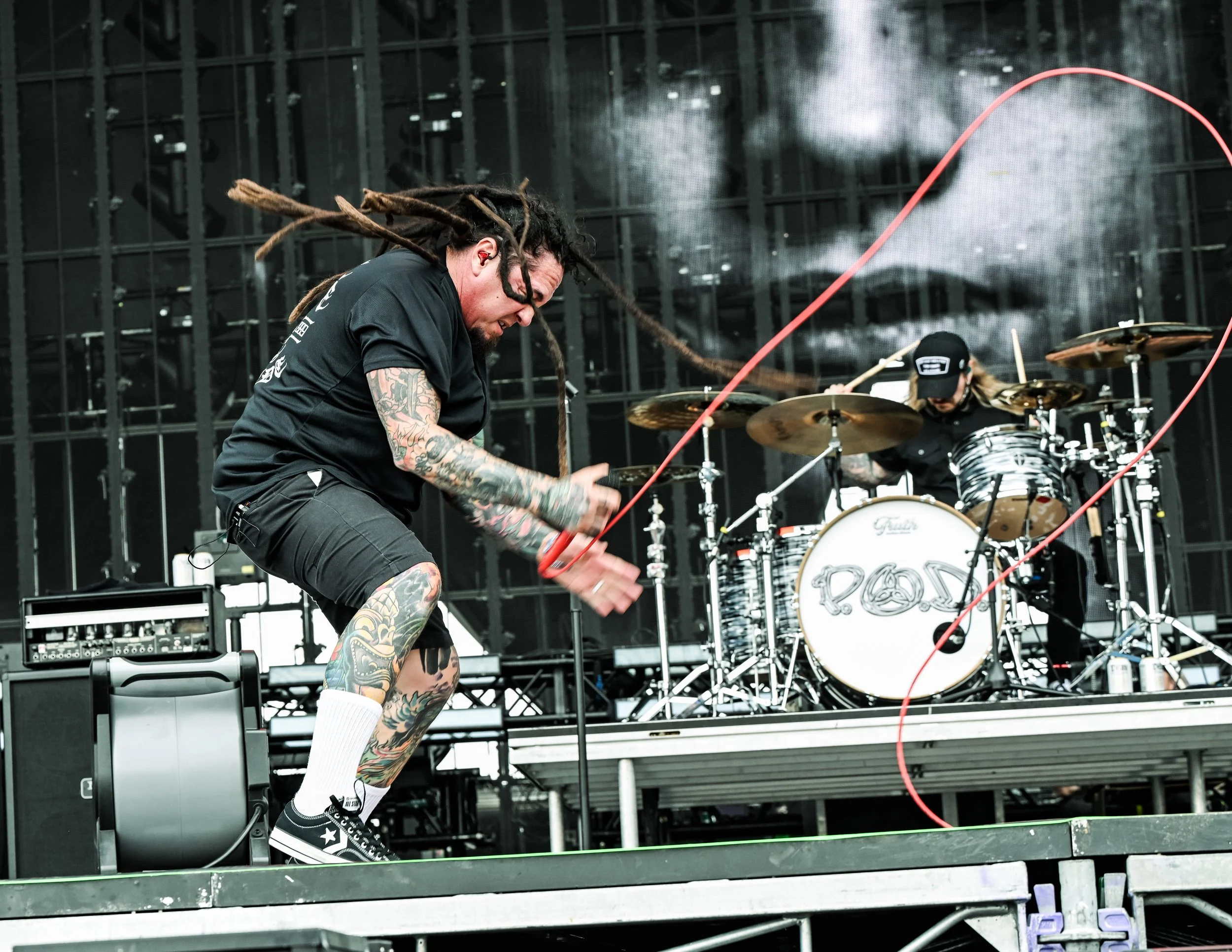
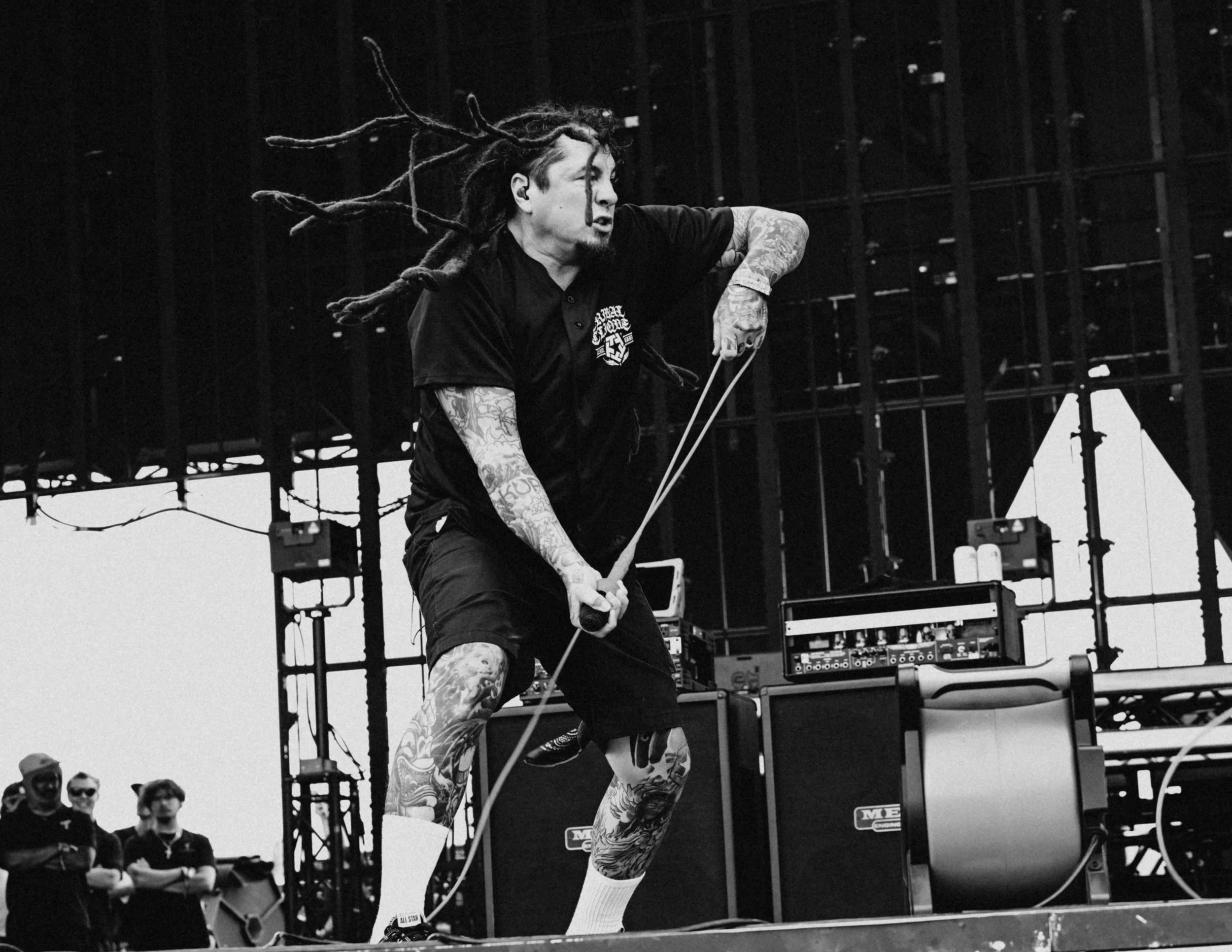
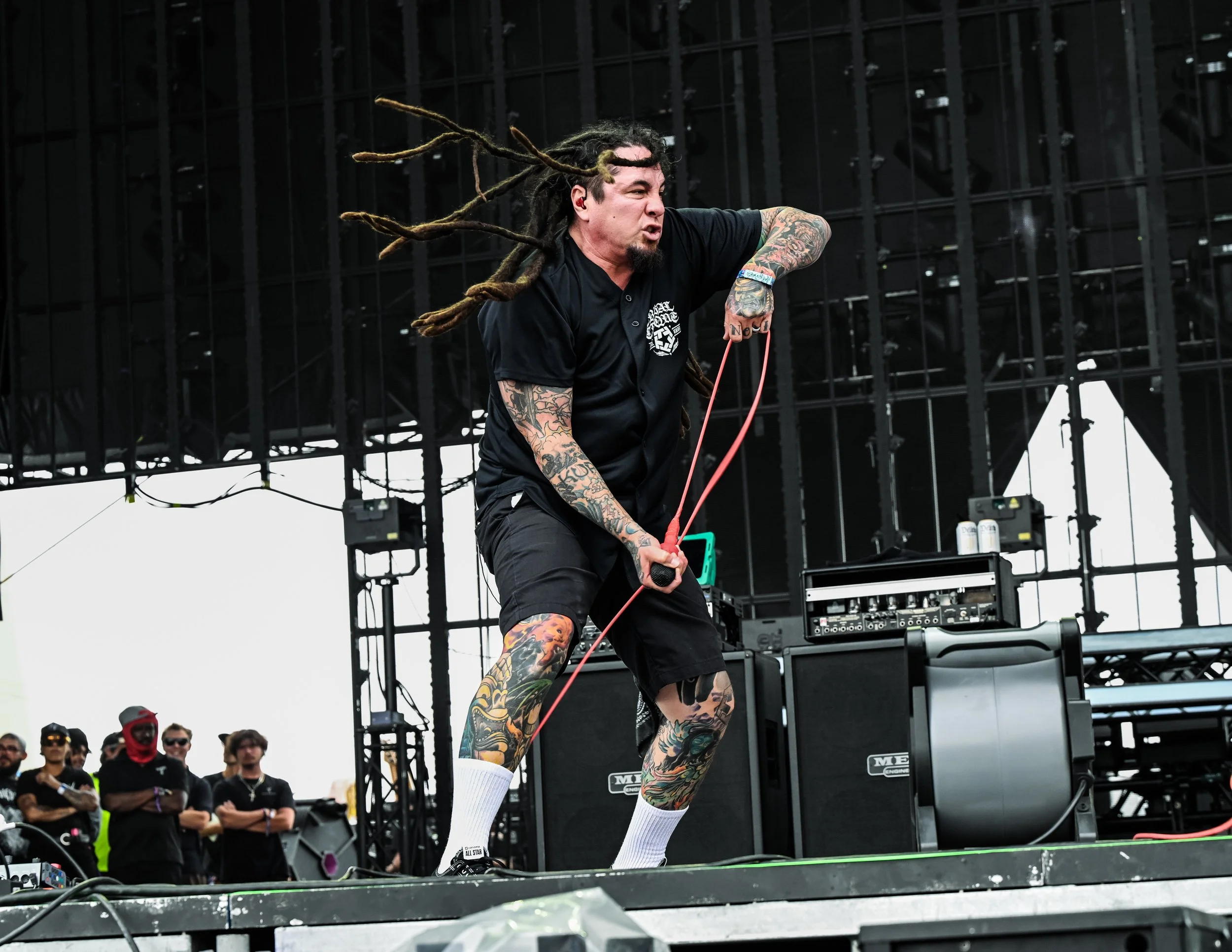
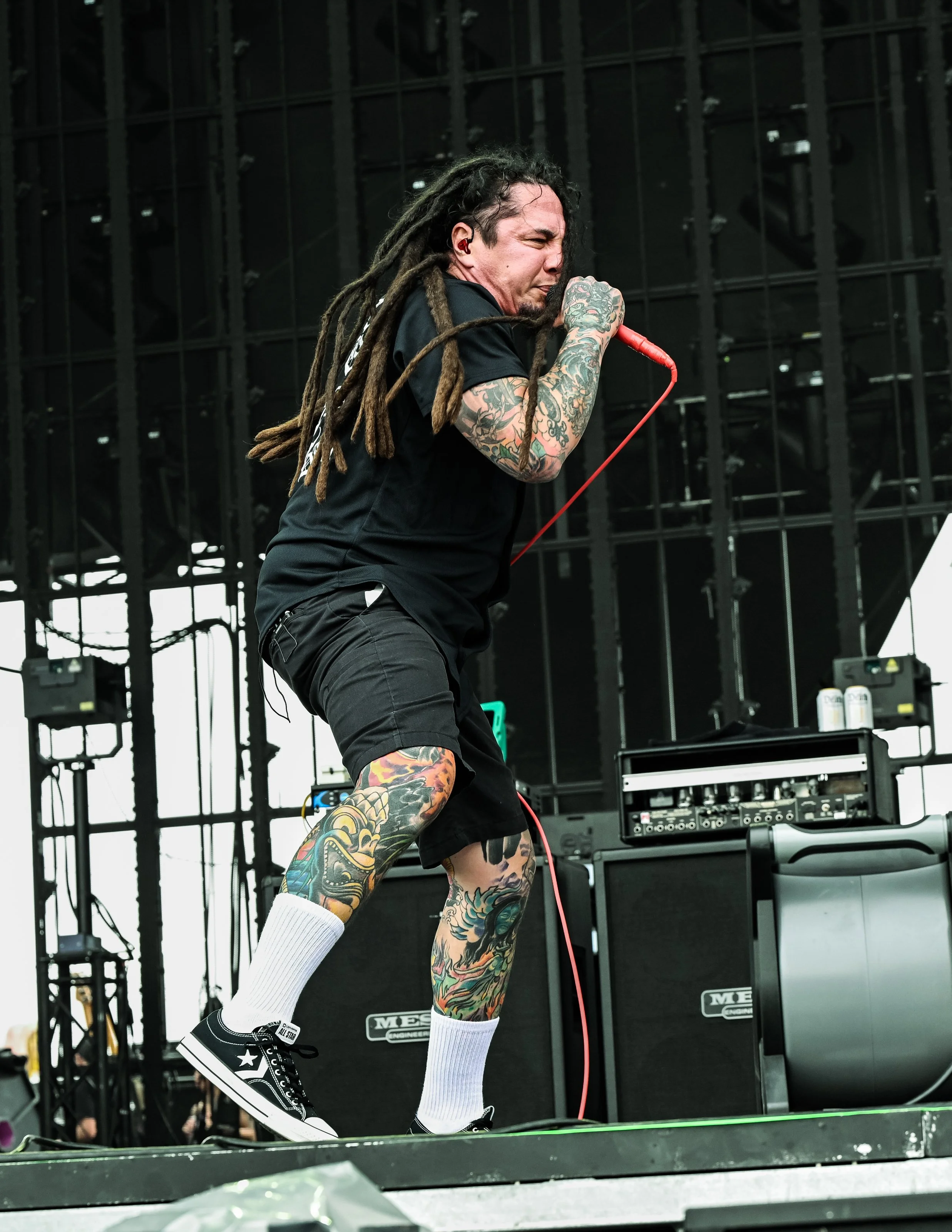
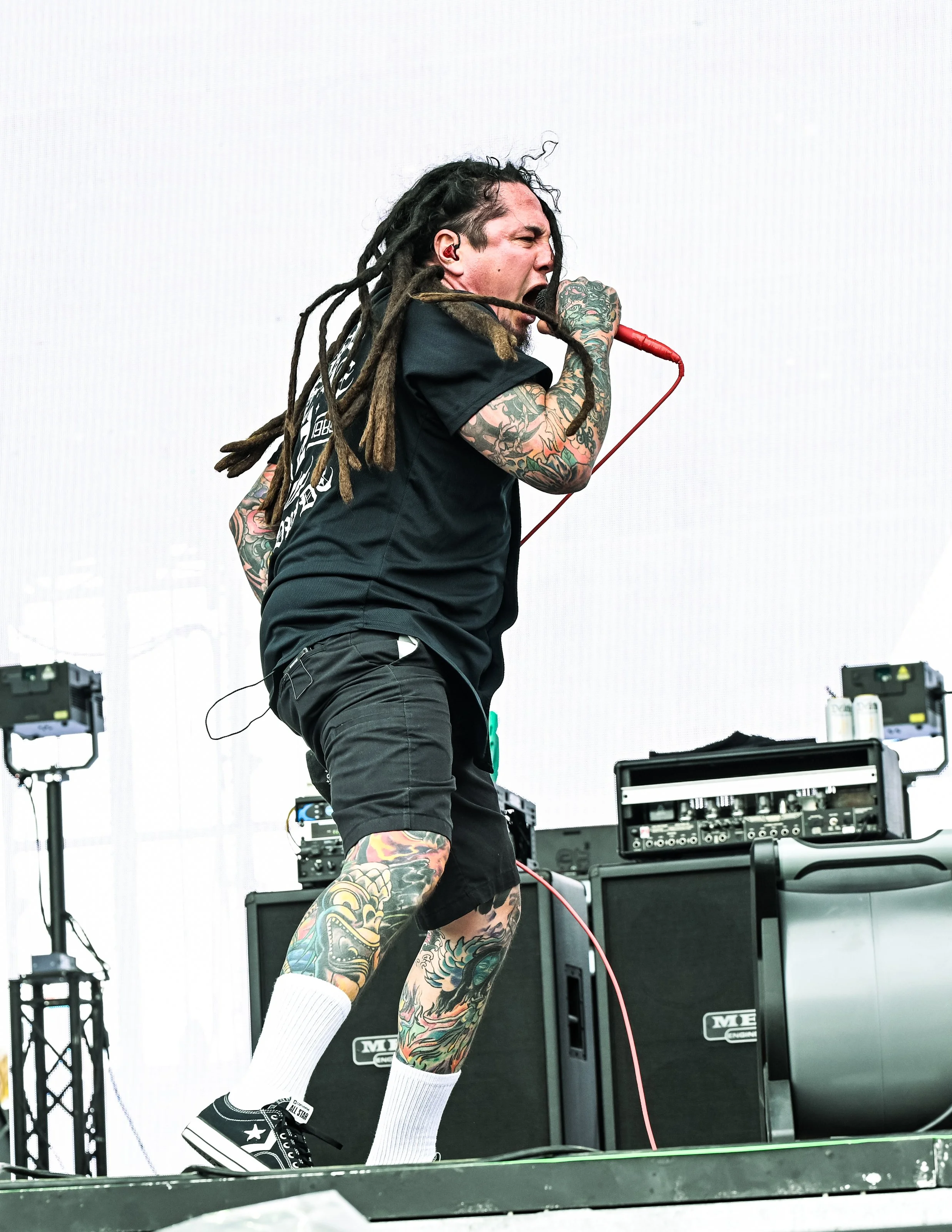
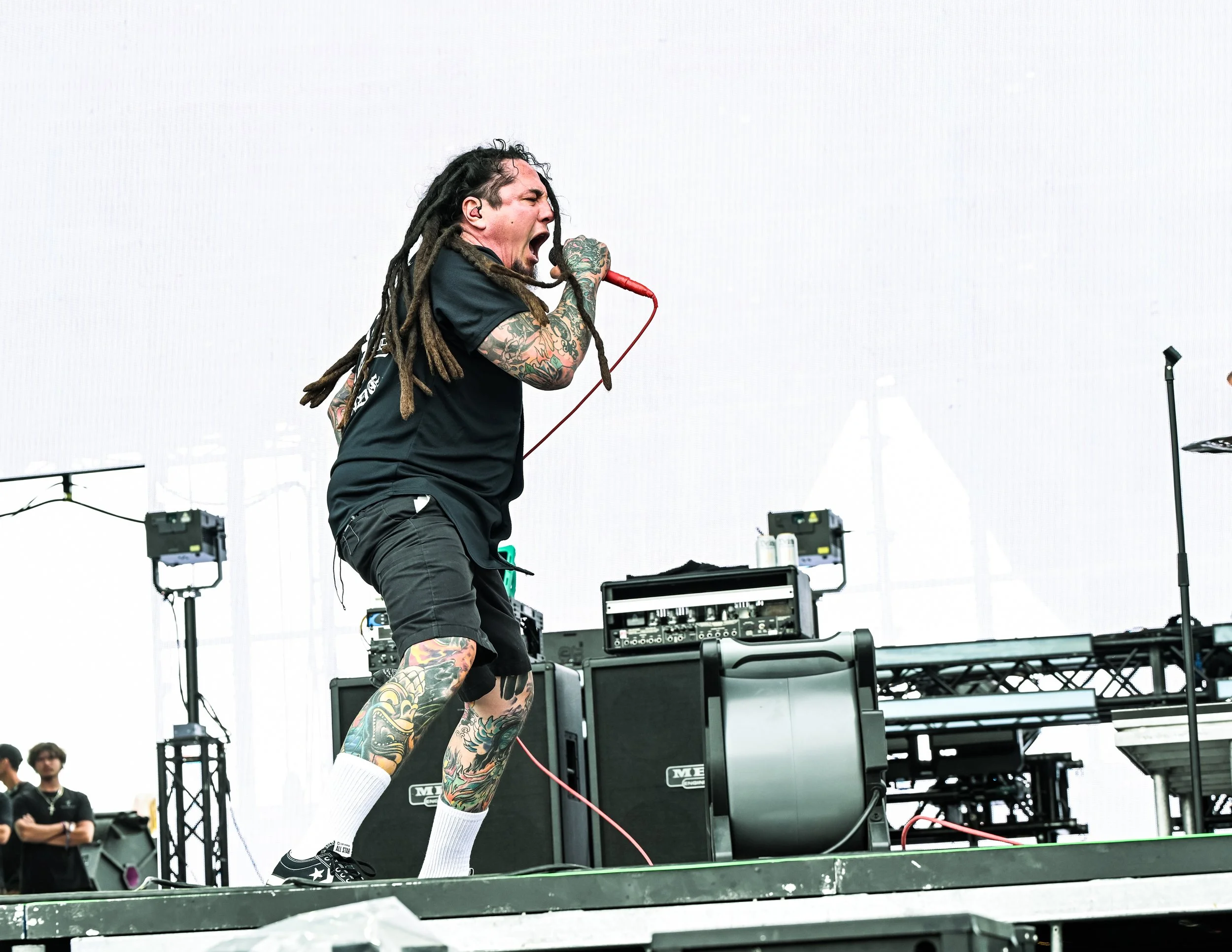
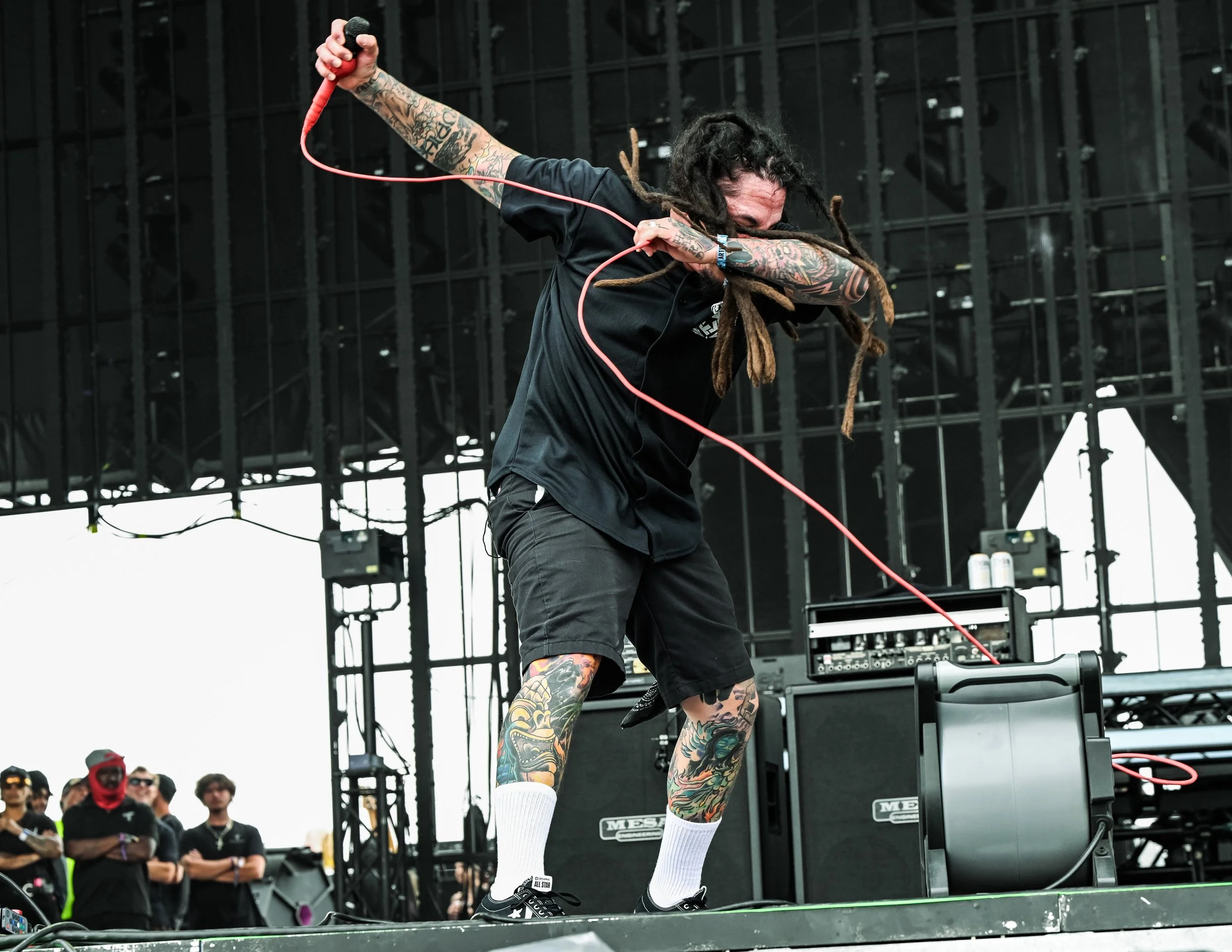
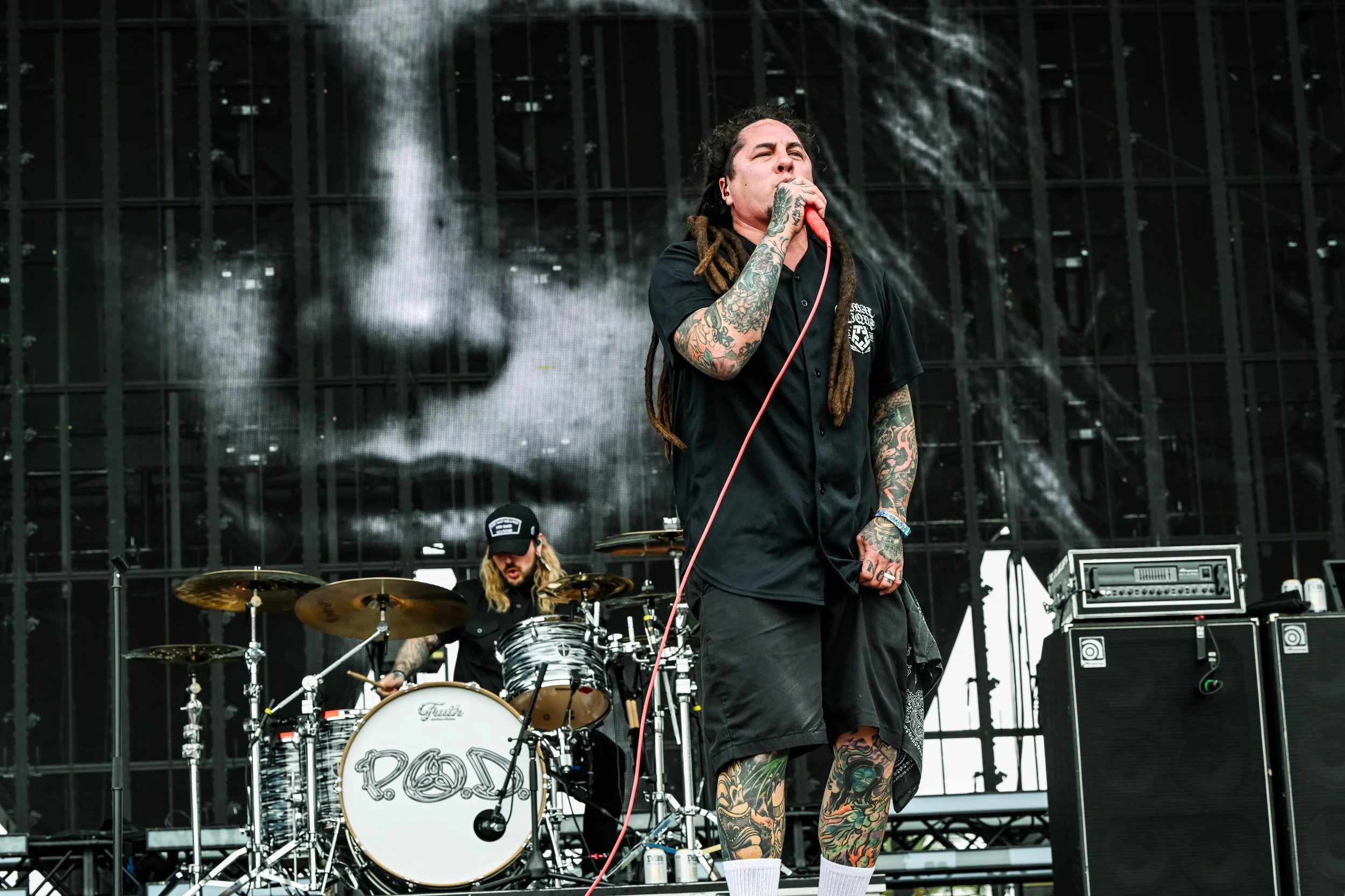
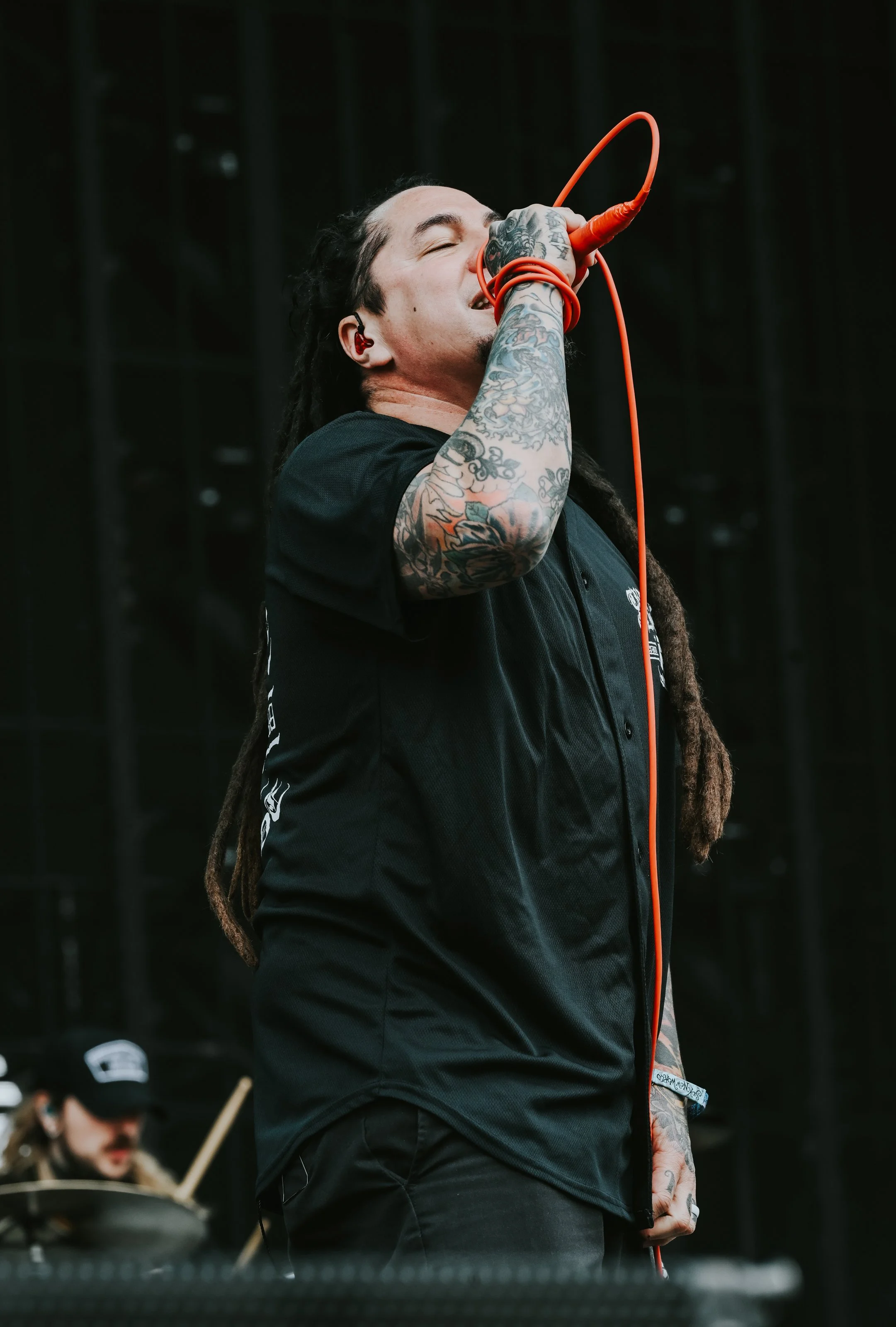
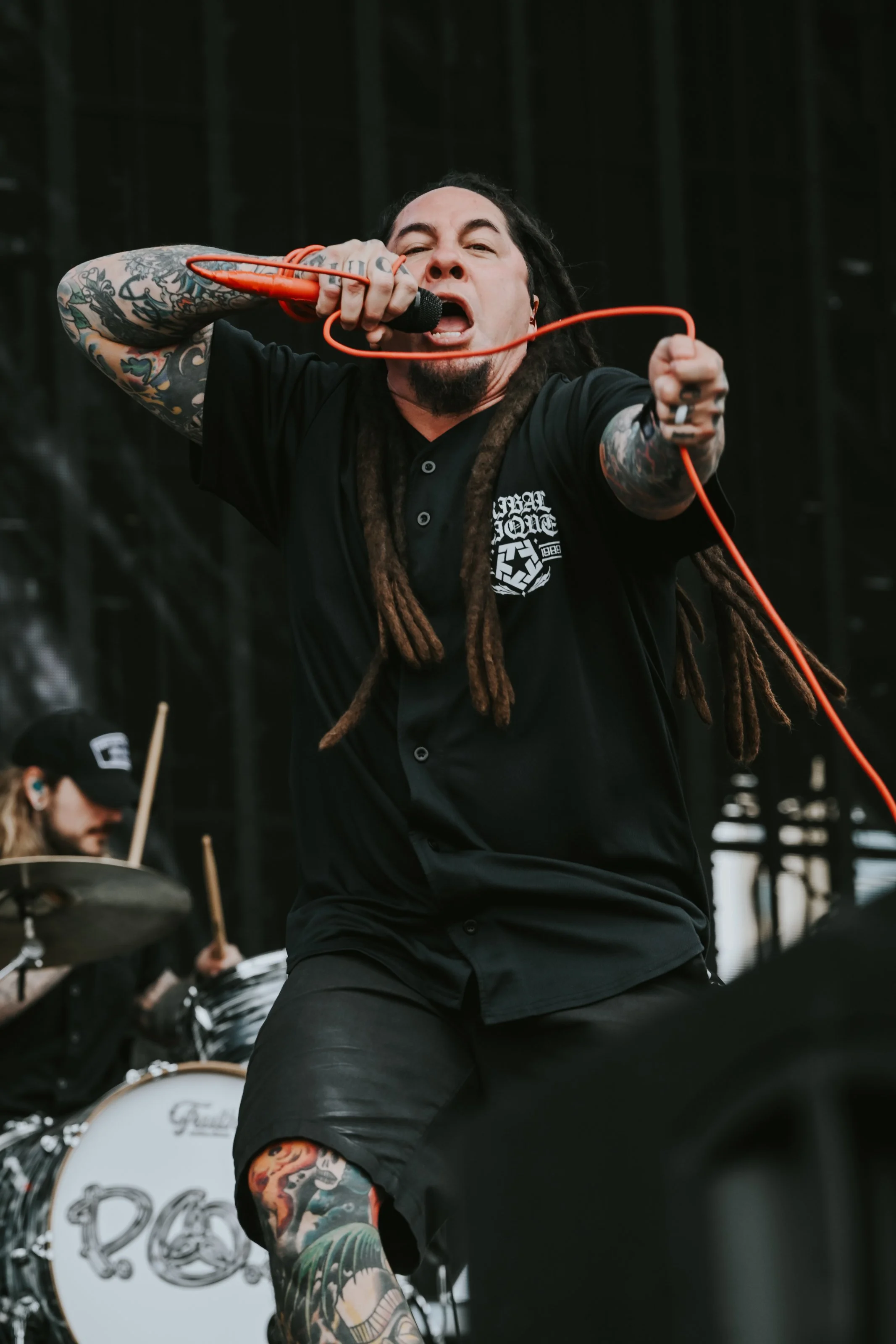
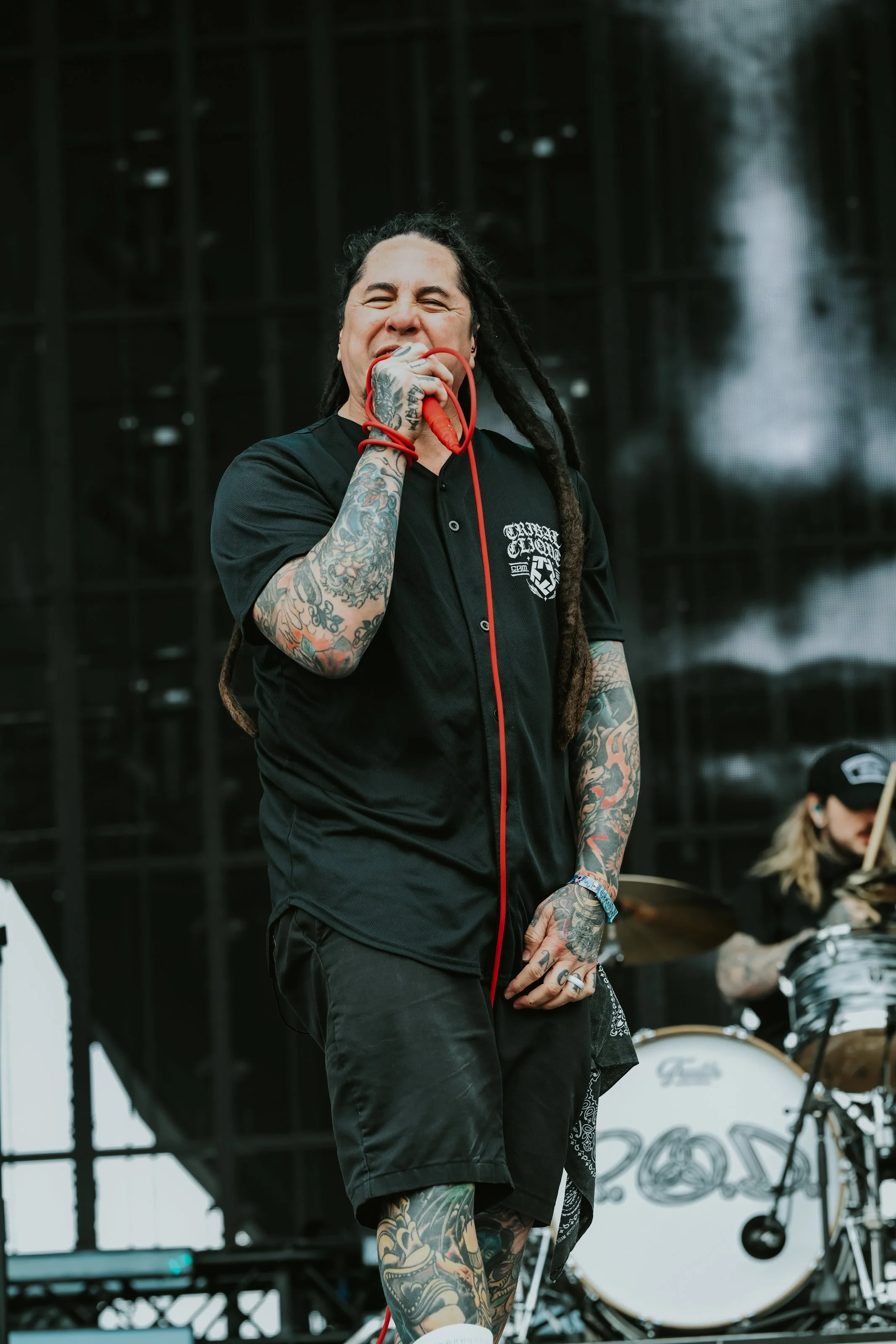
P.O.D. is also connected directly to that history. As one of the bands associated with the nu-metal and rap-rock era, they brought the kind of familiarity that Sick New World is built to celebrate. P.O.D.’s music has always blended heaviness with melody, groove, and uplift, giving them a distinct place in the early-2000s heavy alternative world. At a festival filled with bands that soundtracked different corners of that time period, their appearance helped round out the day’s connection to the genre’s broader cultural reach.
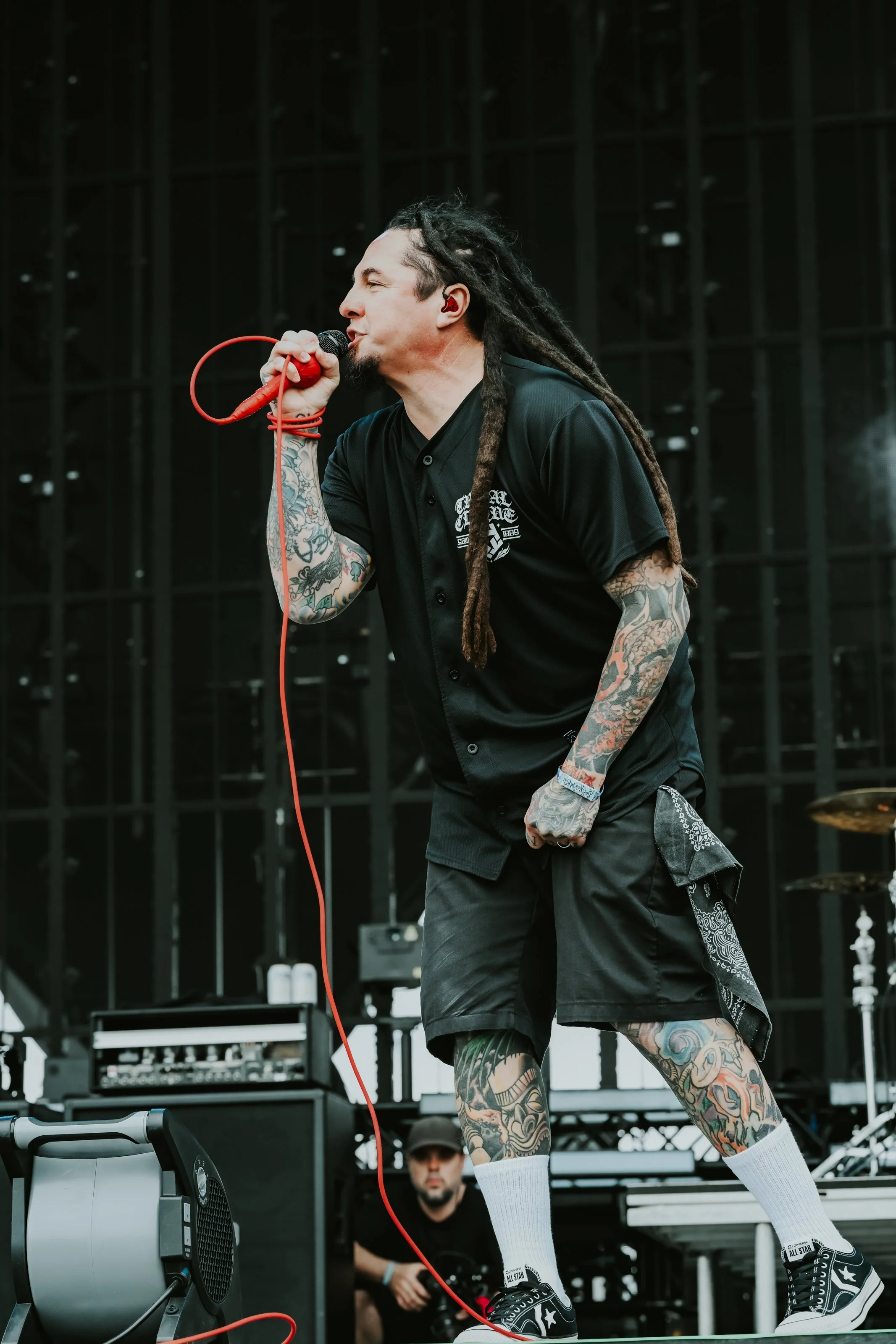
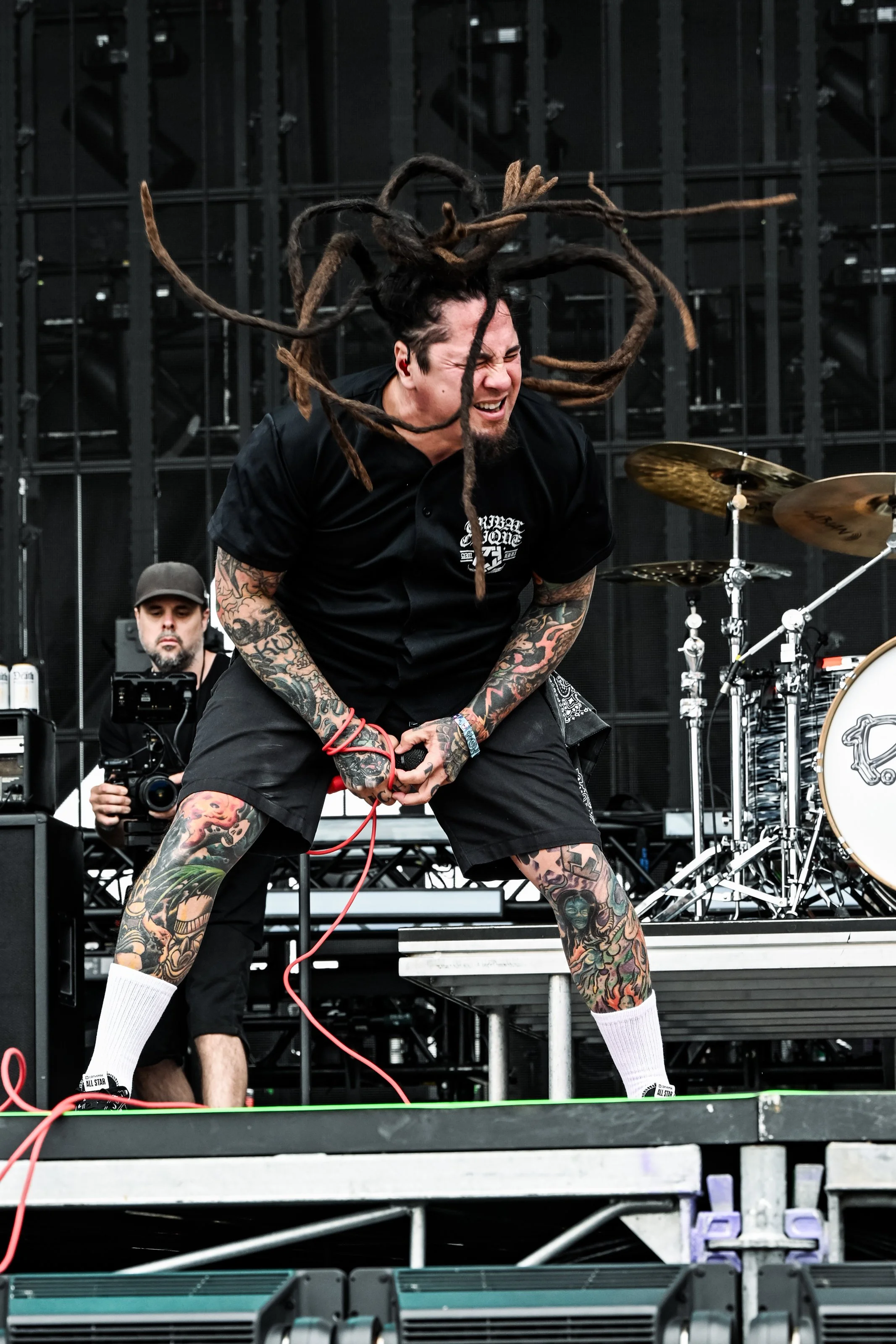
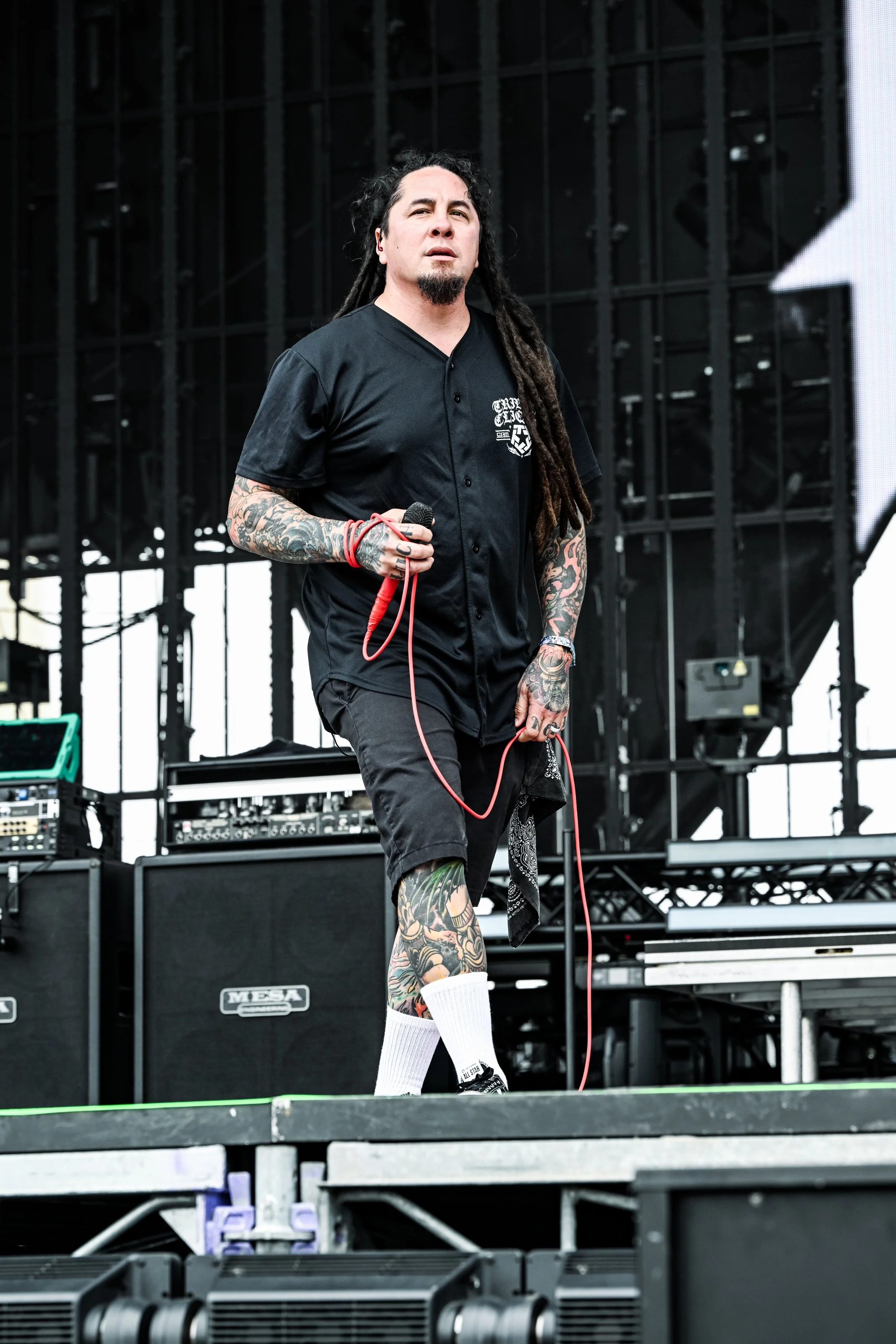
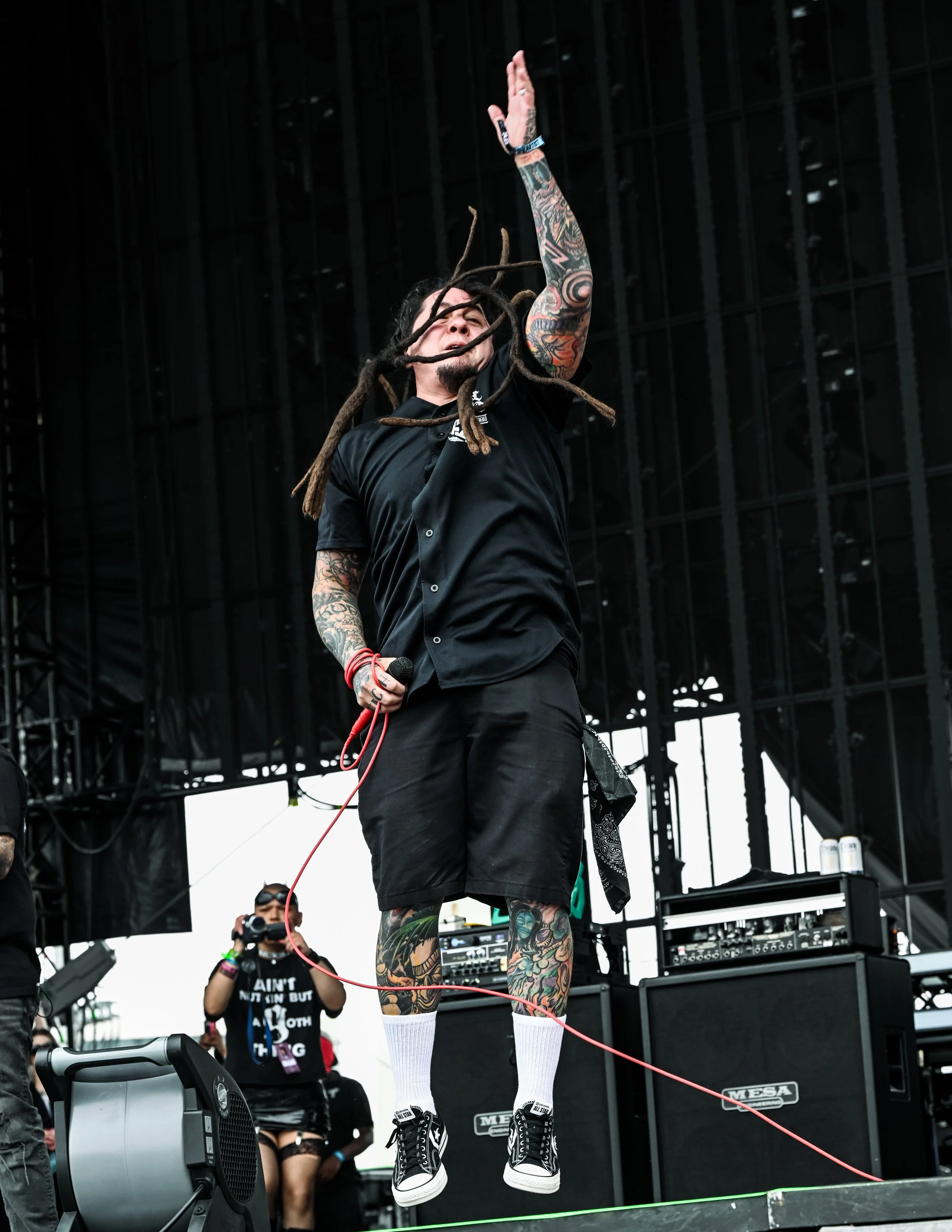
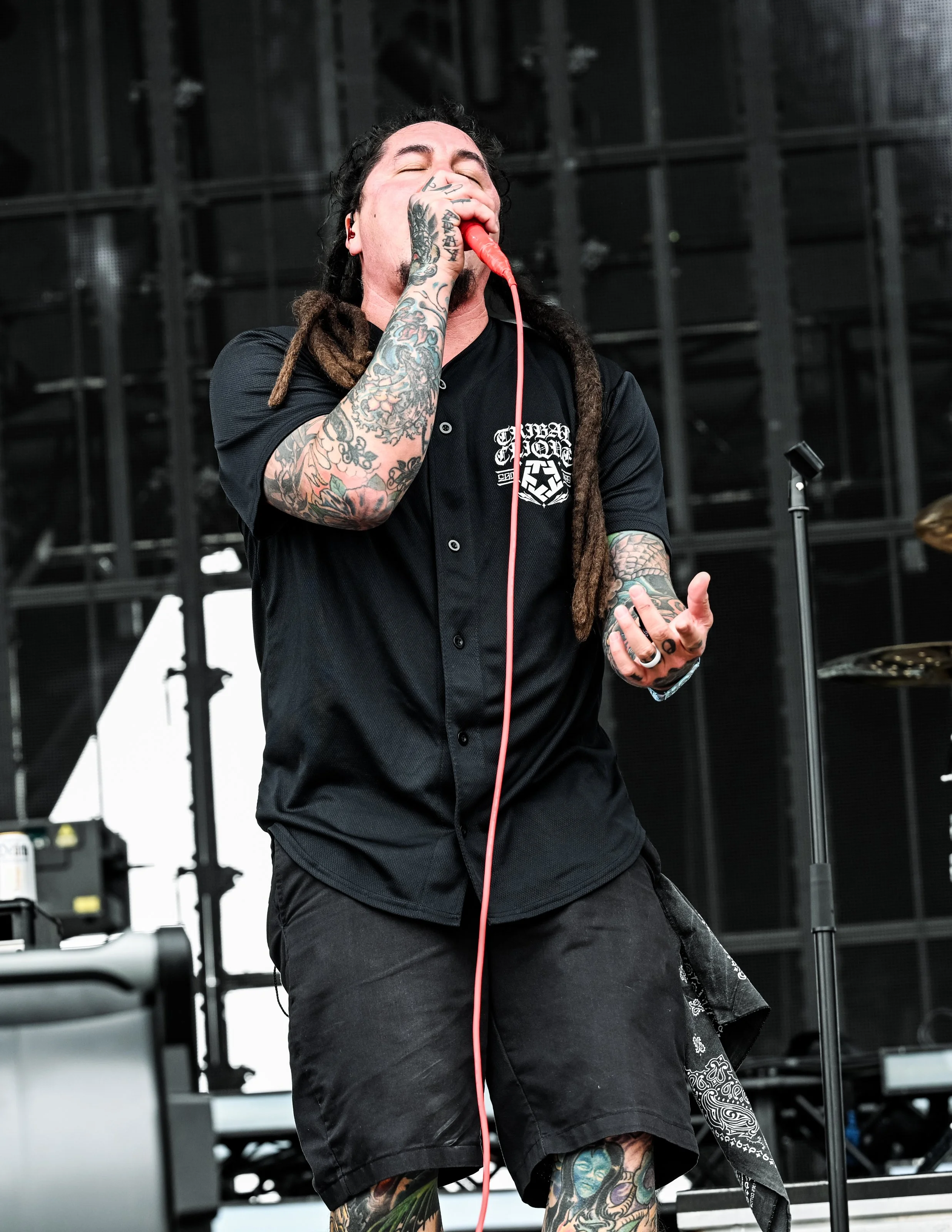
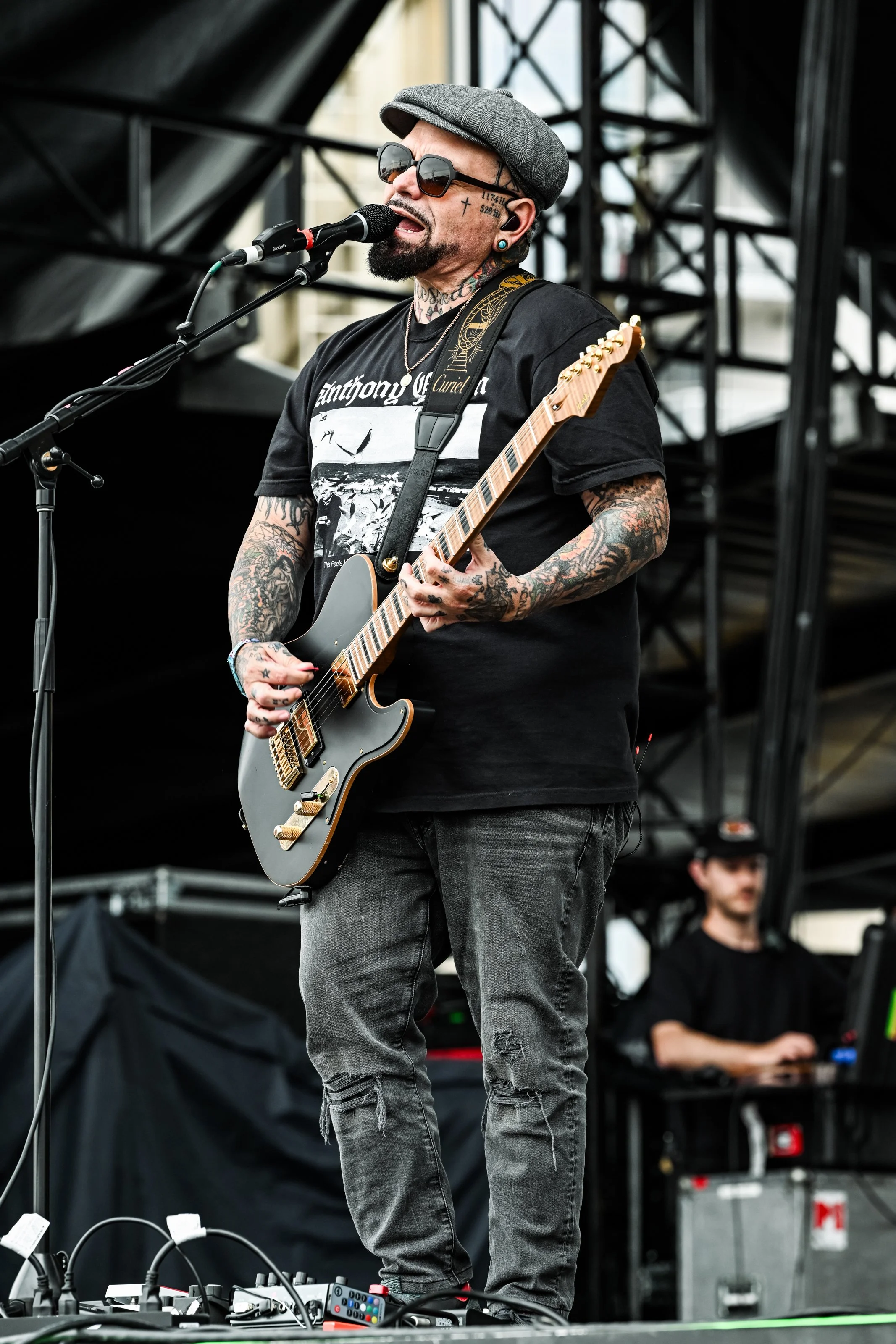
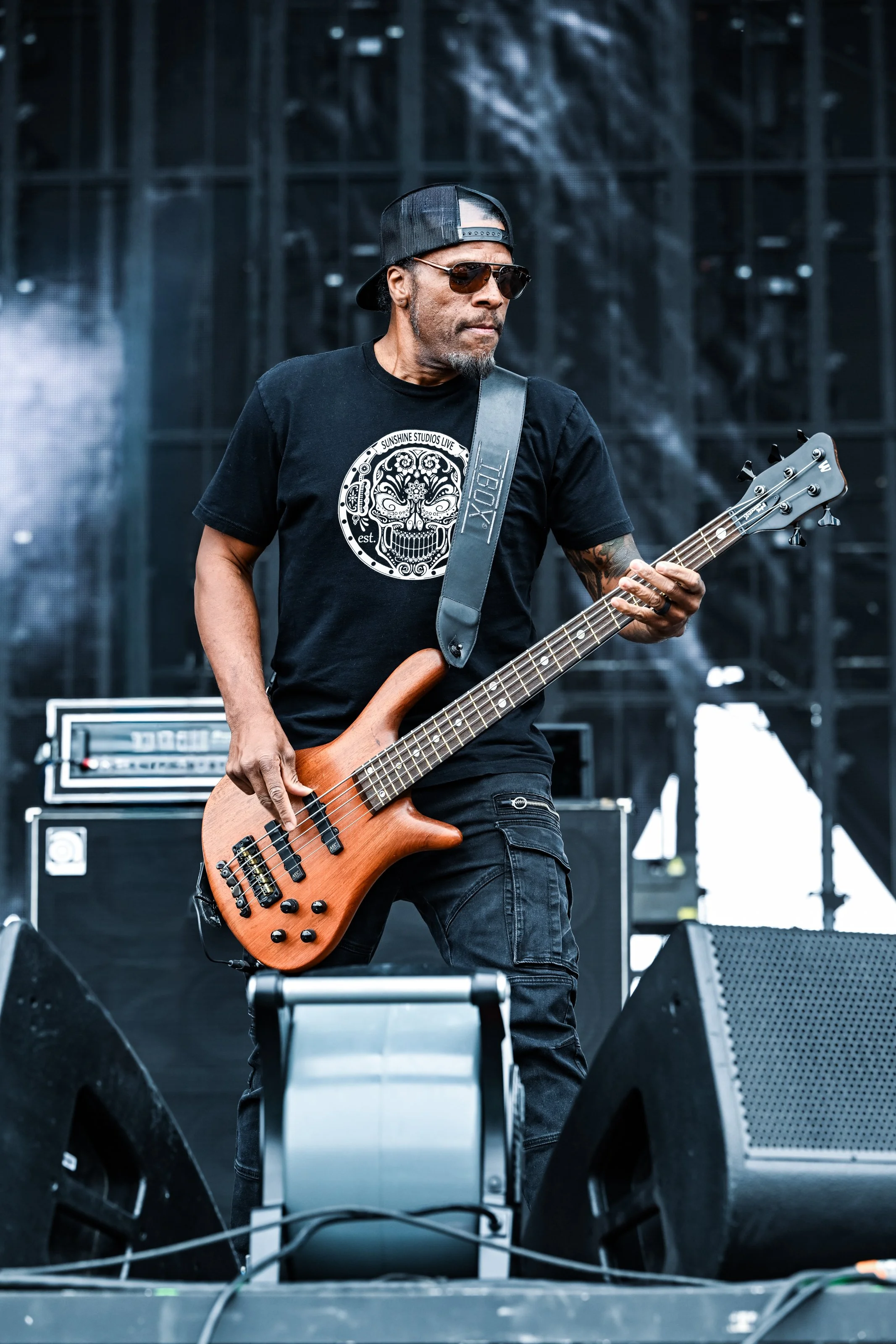
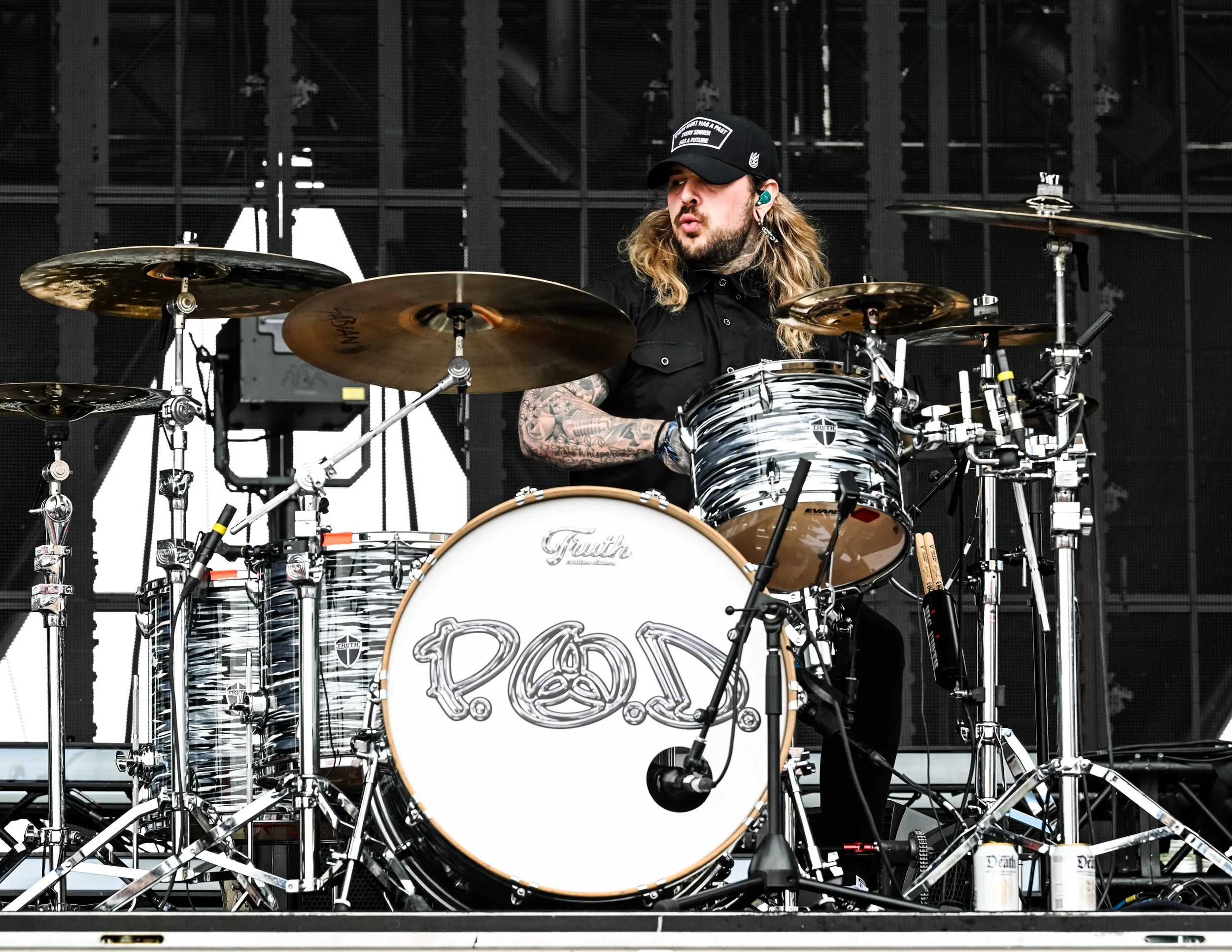
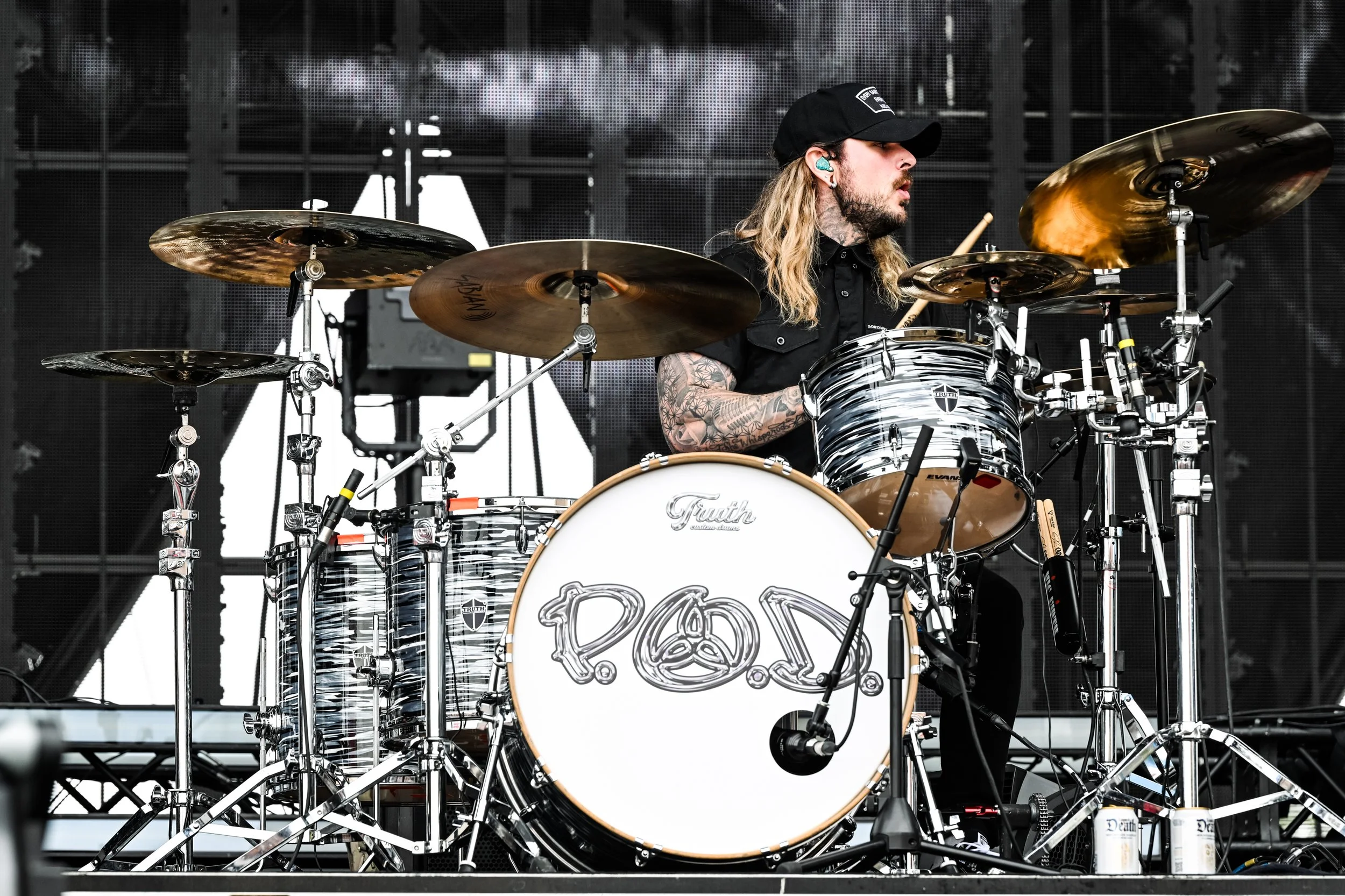
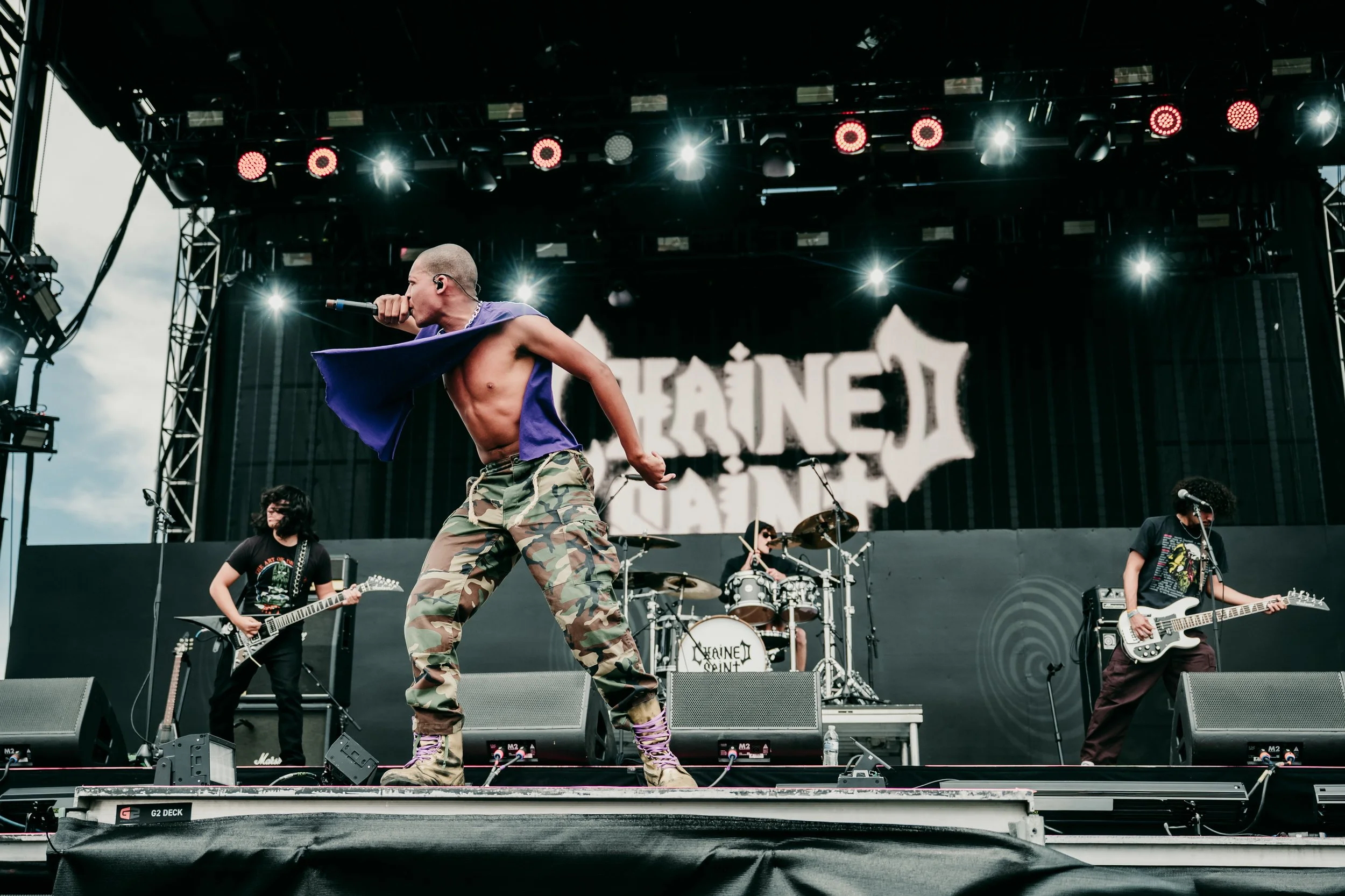
Among the newer names, Chained Saint brought an important discovery element to the day. Their placement on a lineup of this size put them in front of an audience that may have arrived for established acts, but festivals like Sick New World can create valuable space for younger bands to make an impression. In a bill stacked with decades of history, Chained Saint added a fresh presence and a reminder that these festivals are also built on what fans find unexpectedly.
That balance was the most important part of Sick New World’s Las Vegas return. The festival could easily rely only on familiar names and still draw a massive crowd, but the 2026 edition worked because it moved between eras without feeling boxed in by any one sound. It gave fans the bands that defined their youth, while also placing those acts alongside artists reshaping the scene now. The result was a lineup that felt dense without being narrow.
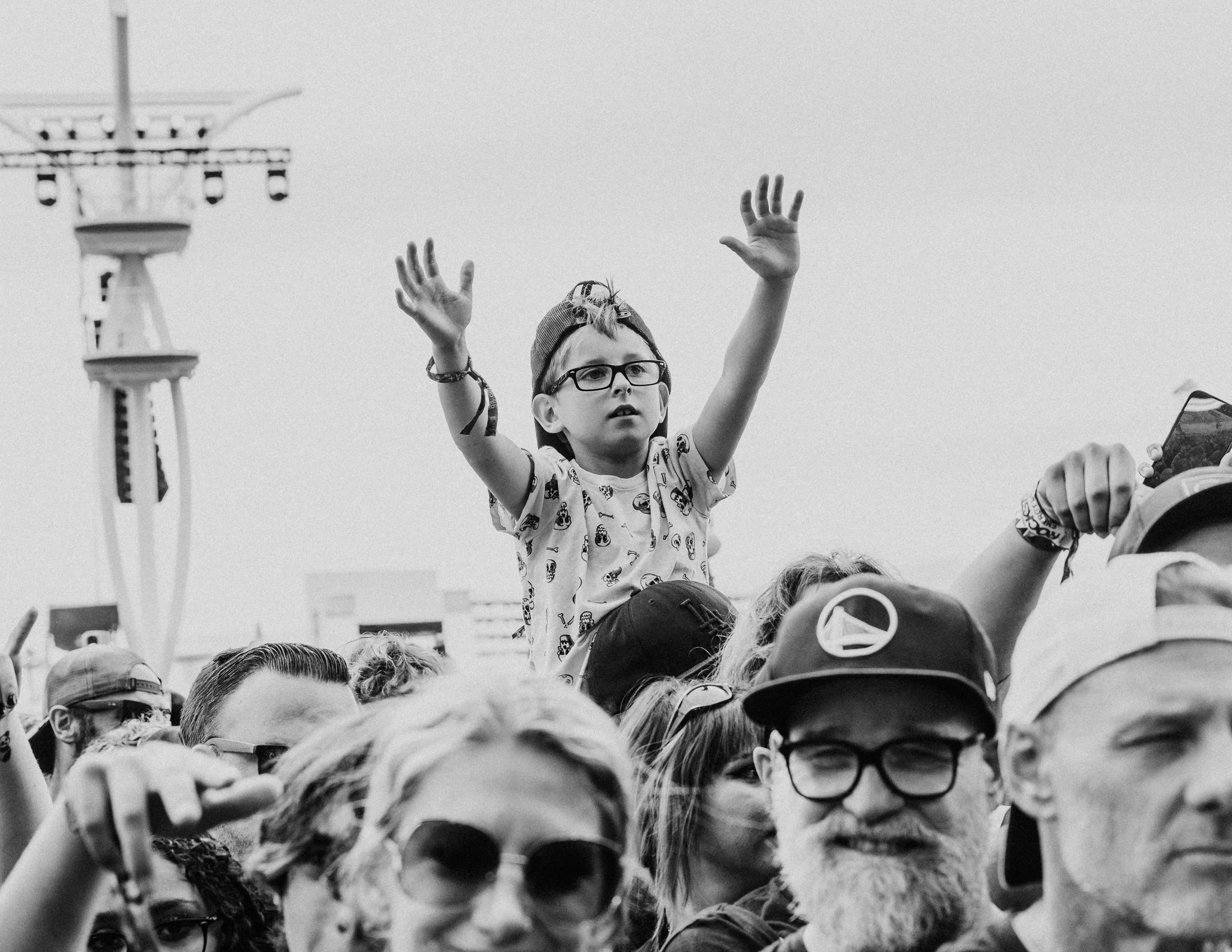
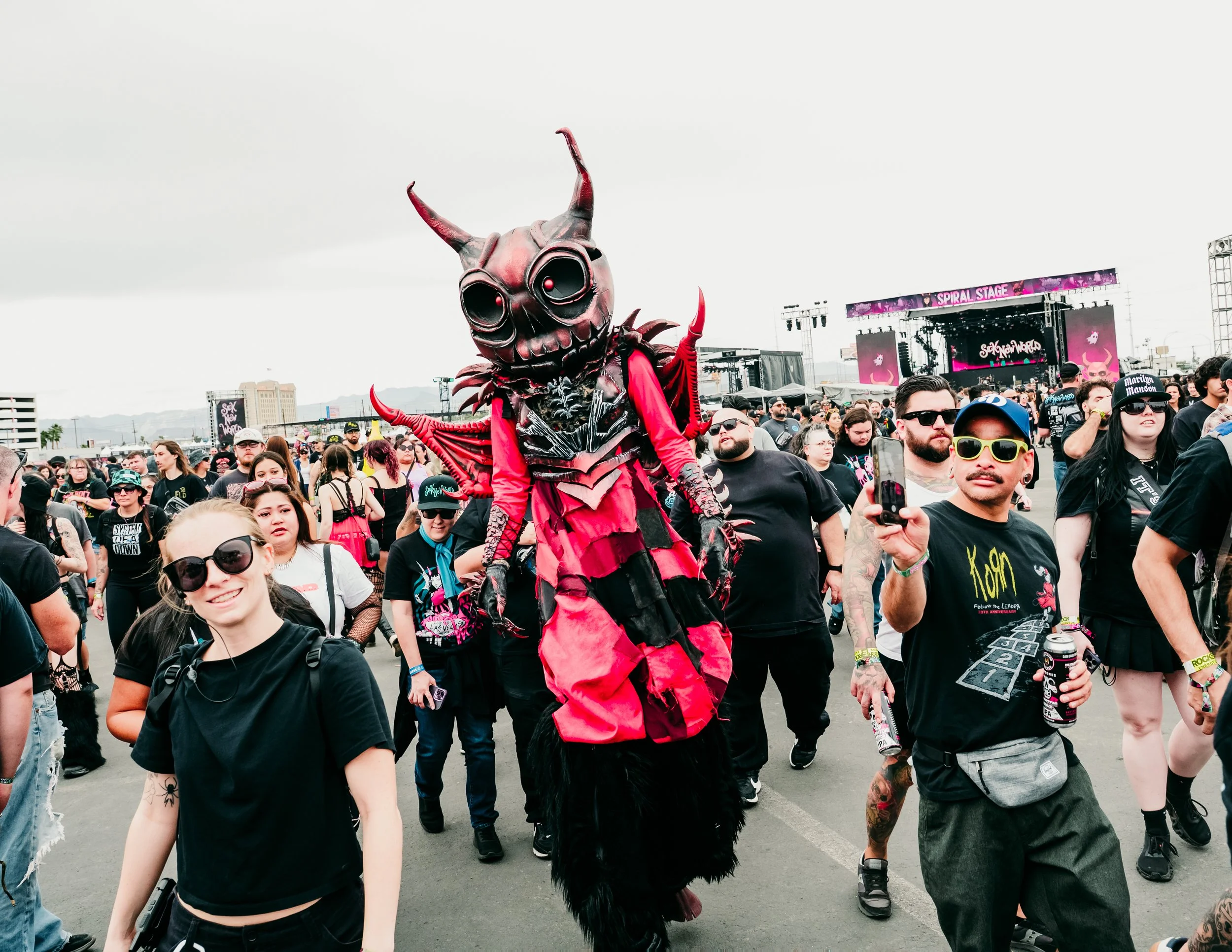
The crowd reflected that same range. Throughout the day, the festival grounds were filled with longtime fans wearing shirts from bands they had followed for decades, younger fans discovering some of those artists live for the first time, and photographers, creators, and music fans moving from stage to stage trying to catch as much as possible. The one-day format made the schedule intense, but that is part of what gives Sick New World its scale. It is not designed to be a slow-moving festival. It is built as a full-day rush, with overlapping histories happening all at once.
By the end of the night, Sick New World had done more than stack a massive lineup onto one festival poster. It turned the Las Vegas Festival Grounds into a full heavy music ecosystem, with immersive activations, scene-spanning performances, and a crowd willing to move through a packed one-day schedule to catch as much of it as possible.
That is where the festival continues to separate itself. Sick New World is not just selling nostalgia, and it is not trying to flatten heavy music into one lane. It gives the scene room to be messy, theatrical, aggressive, melodic, strange, and massive all at once.
With Texas now on the horizon, the 2026 Las Vegas edition felt like the clearest sign yet that Sick New World is becoming bigger than its original blueprint. What started as a destination event on the Strip is now growing into a festival with national reach, and judging by the response in Las Vegas, that world is only getting louder.